American Revolution and Independence
Not sure you’re ready?
Take the ~3-minute readiness diagnostic and see where you stand.
Imagine a classroom where the principal suddenly announces that students must sacrifice a portion of their recess time to cover the cost of a playground damaged by a completely different class three years prior. The students are not asked for their input; the mandate is simply handed down. This sudden imposition of a penalty without a voice in the decision-making process perfectly captures the structural fracture between Great Britain and the American colonies after 1763. The American Revolution was not a spontaneous outburst of anti-monarchical rage. It was a slow, agonizing realization that the mechanics of governance had fundamentally failed. For the aspiring elementary educator, teaching the American Revolution requires shifting young learners away from the myth of instant rebellion and toward the reality of escalating cause and effect, where a series of desperate financial policies birthed a new political philosophy.
Elementary students naturally view history through the lens of fairness. When examining the causes of the American Revolution, lean into this developmental trait. The conflict was, at its core, a dispute over the mechanics of fairness in governance and taxation.
The stage was set when the French and Indian War concluded in 1763. While victorious, the French and Indian War left Great Britain with significant national debt. Looking at their ledger, the British Parliament believed the American colonies should contribute financially to the French and Indian War debt, reasoning that the war had been fought largely to protect colonial borders.
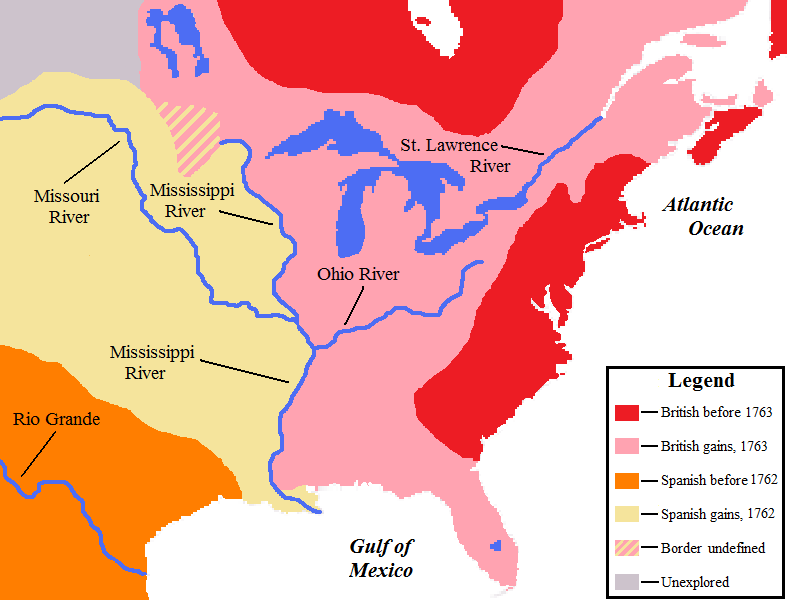
To recoup these costs, Parliament enacted a series of taxes. However, they drastically misunderstood colonial political culture.
The Taxation Timeline
| Year | British Action | What It Did | Colonial Reaction |
|---|---|---|---|
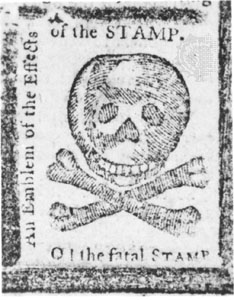
| 1765 | Stamp Act | Levied a direct tax on printed materials in the American colonies (newspapers, legal documents, playing cards). | Outrage. Colonists argued they had no direct representation in Parliament. |
| 1767 | Townshend Acts | Placed British taxes on essential imported goods in the American colonies (glass, lead, paint, paper, tea). | Widespread boycotts of British goods. |
Instructional Insight: A common student misconception is that colonists hated all taxes. This is historically inaccurate. Colonists believed only their elected colonial assemblies possessed the legitimate authority to levy taxes. They were perfectly willing to pay taxes, provided they had a voice in the legislature passing them.
Because they lacked members in the British Parliament, American colonists adopted the phrase "no taxation without representation" to protest British tax policies.
The Boiling Point: Blood and Tea
When tensions are high, proximity accelerates conflict. With British troops stationed in American cities to enforce customs laws, physical clashes were inevitable.
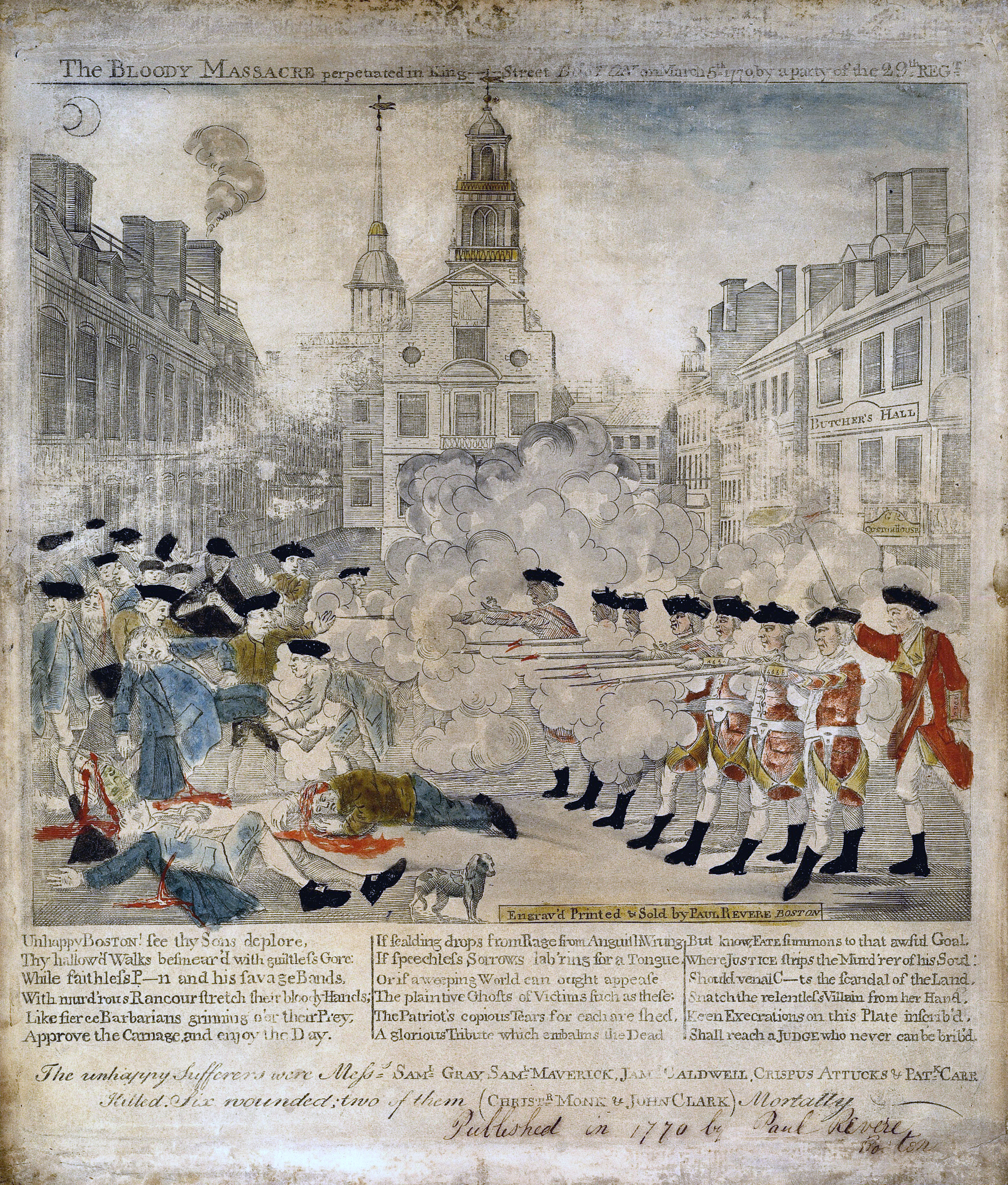
The Boston Massacre occurred on March 5, 1770, when British soldiers fired into a crowd of protesting colonists during the Boston Massacre, killing five. For elementary students, this event illustrates how a local riot can be transformed into powerful political messaging through early forms of media (like Paul Revere's famous engraving).
Three years later, the focus shifted back to economics. In response to corporate bailouts for the East India Company, the Boston Tea Party took place on December 16, 1773. Acting as a direct colonial protest against the British Tea Act, members of the Sons of Liberty dumped British tea into Boston Harbor during the Boston Tea Party.
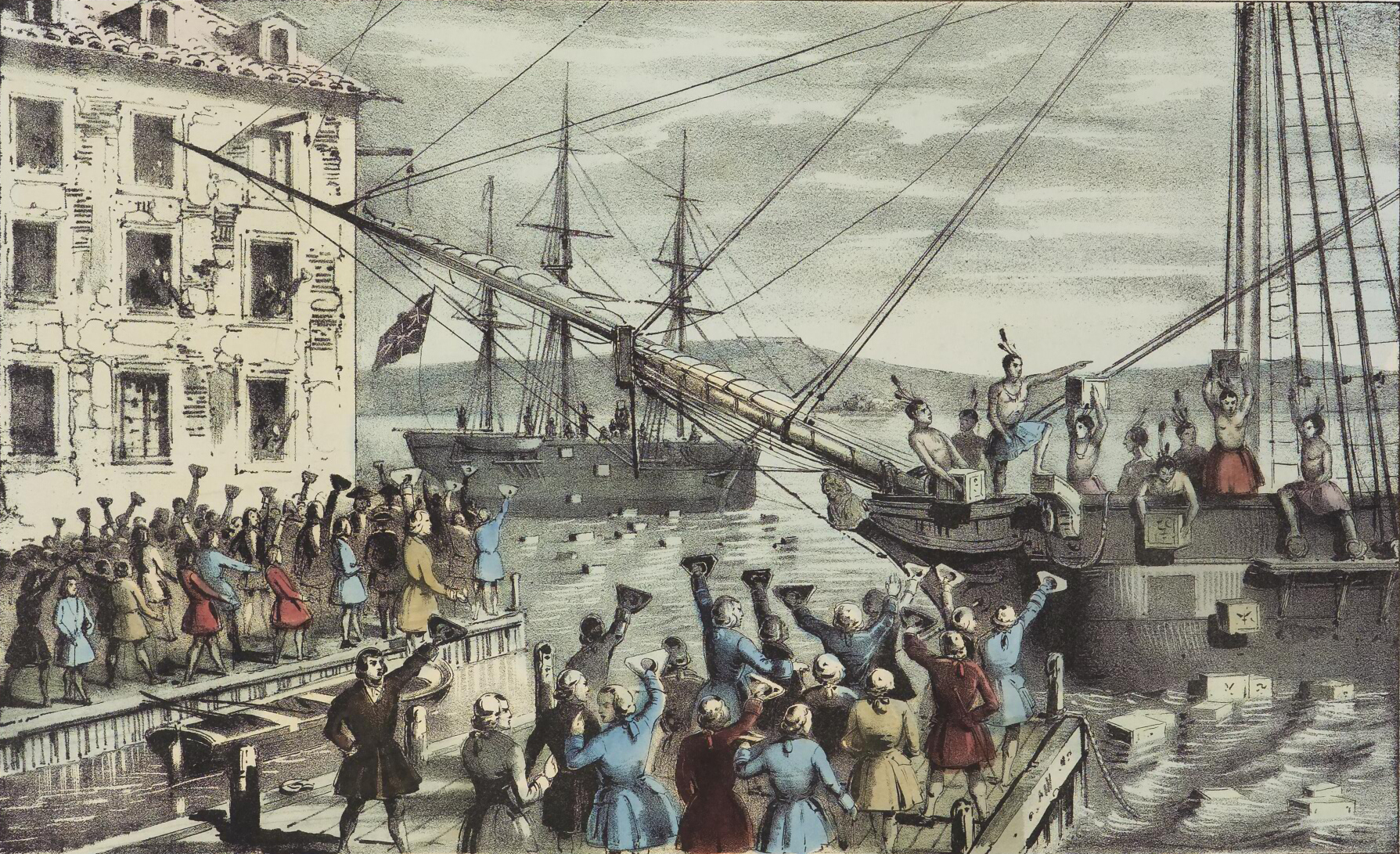
This destruction of property was the point of no return. Parliament’s response was swift and draconian:
- The British Parliament passed the Coercive Acts to punish Massachusetts colonists for the Boston Tea Party. They closed Boston's port and suspended democratic town meetings.
- The severity of these laws was so extreme that American colonists referred to the British Coercive Acts as the Intolerable Acts.
Rather than isolating Massachusetts as Parliament intended, the punishment united the colonies. The First Continental Congress convened in 1774 to coordinate colonial resistance against the Intolerable Acts, transforming a localized dispute into a unified continental crisis.
Even as armed conflict in the American Revolution began with the Battles of Lexington and Concord in 1775, the majority of colonists did not initially want independence; they wanted their rights as Englishmen restored.
How does a society shift from demanding reform to demanding total separation? You introduce a catalyst.
In this era, that catalyst was a pamphlet. Thomas Paine published the influential political pamphlet Common Sense in 1776. Paine stripped away dense political jargon and argued in plain, forceful language that monarchy was an absurd form of government and that an island had no business ruling a continent. The pamphlet Common Sense successfully persuaded many American colonists to support immediate independence from Great Britain.
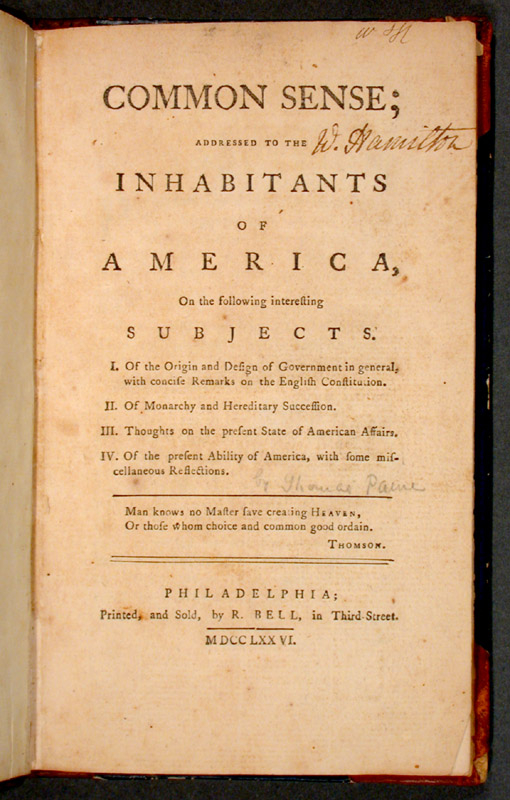
When teaching this, compare Common Sense to a highly viral article or video that suddenly changes the cultural conversation. It gave the colonists the vocabulary to imagine a world without a king.
With public opinion shifting, the delegates acted. The Second Continental Congress formally adopted the Declaration of Independence on July 4, 1776.
As an educator, you must help students read the Declaration not as a dusty relic, but as a brilliant logical proof. Thomas Jefferson served as the primary author of the Declaration of Independence, but he was not inventing new ideas. The political philosophy of English philosopher John Locke heavily influenced the text of the Declaration of Independence.
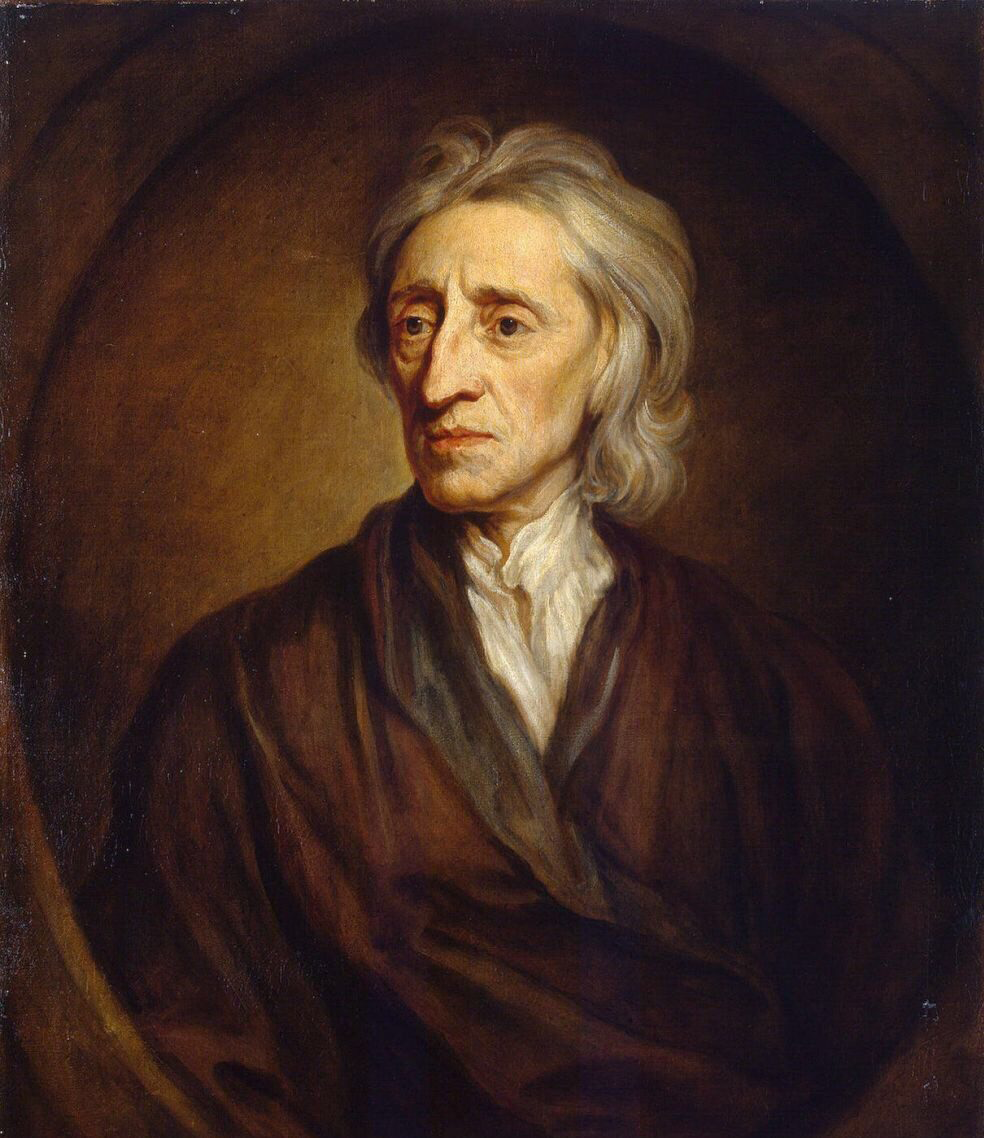
Jefferson structured the document like a mathematical proof of rebellion, built on a few core axioms:
- The Source of Rights: The Declaration of Independence asserts that all individuals are endowed by their creator with unalienable rights. These are rights you are born with, which no king can take away.
- The Specific Rights: The Declaration of Independence explicitly identifies life as an unalienable right. It also explicitly identifies liberty as an unalienable right, and explicitly identifies the pursuit of happiness as an unalienable right.
- The Purpose of Government: The Declaration of Independence asserts that governments derive their legitimate authority from the consent of the governed. Governments exist to protect the rights mentioned above; the people hire the government to do a job.
- The Right of Revolution: When a government fails to do job, the Declaration of Independence argues that citizens possess the right to alter or abolish an oppressive government.
To prove that King George III had indeed failed, the middle of the document acts as a meticulous "breakup letter." The Declaration of Independence contains a specific list of colonial grievances directed at King George III, detailing his abuses of power, from quartering troops to cutting off trade.
Ultimately, the power of this document extends far beyond 1776. The Declaration of Independence established a foundational philosophical framework for future democratic and civil rights movements. Abolitionists, suffragists, and civil rights leaders would later leverage Jefferson's own words to force the United States to live up to its founding promises.
Declaring independence on paper is profoundly different from securing it on the battlefield. The American colonies were an underdog fighting the greatest global superpower of the 18th century. Victory required extraordinary leadership and vital foreign diplomacy.
The Anchor: George Washington
George Washington served as the Commander-in-Chief of the Continental Army during the American Revolution. While Washington was a capable tactician, his true genius was administrative and inspirational. George Washington's military leadership helped maintain the unity of the Continental Army through severe hardships, such as disease, mass desertion, and freezing winters with inadequate supplies. He kept the idea of America alive simply by keeping the army from disintegrating.
The Diplomat: Benjamin Franklin
No insurgency survives without foreign backing. While Washington held the line, Benjamin Franklin secured a crucial military and financial alliance with France in 1778. France saw an opportunity to cripple their global British rival and provided money, uniforms, naval power, and troops.
Crucial Fact for Students: The myth of the American Revolution is that brave farmers defeated the British alone. The historical reality is that French military support proved essential to the American military victory over Great Britain. Without the French Navy, the final victory would have been impossible.
The Conclusion of the Conflict
The combined American and French forces cornered the British army in Virginia. The Continental Army achieved a decisive final military victory over British forces at the Battle of Yorktown in 1781.
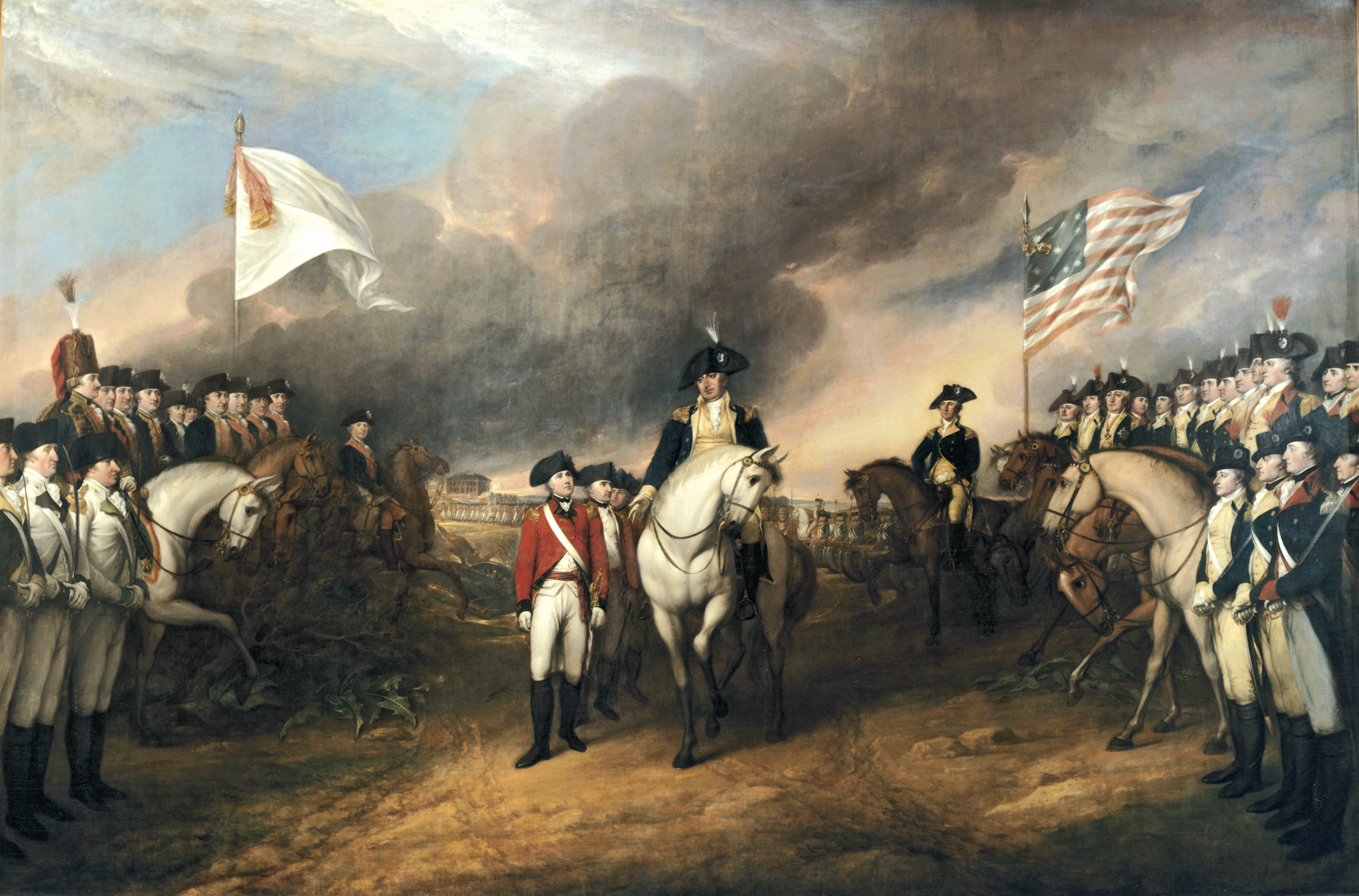
Following this surrender, the political gears of peace began to turn. The Treaty of Paris of 1783 formally ended the American Revolutionary War. In this document, Great Britain officially recognized the United States as an independent nation in the 1783 Treaty of Paris, drawing new borders and ceding immense territory to the new republic.
As you prepare to teach this content, remember that chronological storytelling is your greatest tool. When students understand why the Stamp Act happened, they understand why the protests began. When they understand the logical philosophy of John Locke, they understand why the Declaration of Independence was written the way it was. You are not just teaching a timeline of battles; you are teaching the evolution of a radical idea: that the people themselves have the power to construct their own future.