Author's Craft and Text Structure
Not sure you’re ready?
Take the ~3-minute readiness diagnostic and see where you stand.
When an architect designs a museum, they do not merely pile artifacts into a room; they construct hallways that force you to slow down, arrange lighting that highlights specific details, and place exit signs where you naturally look. An author constructs a text in precisely the same way. The words chosen, the framework of the paragraphs, and the typographical features on the page are deliberate structural elements designed to guide a reader's mind. For the elementary educator, teaching reading comprehension means revealing this invisible architecture. You are not just helping a student decode what a text says; you are teaching them to see how it is built, why the author built it that way, and how those choices shape the meaning they extract.
Before a student can analyze a paragraph, they must understand the bricks used to build it. Words carry a dual payload: their literal reality and their emotional baggage. We distinguish these as denotation and connotation.
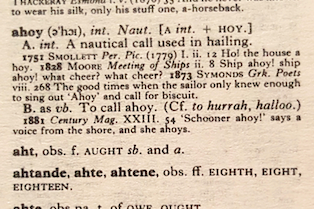
Denotation is the literal, dictionary definition of a word. A "shack" and a "cabin" both denote a small, roughly built dwelling. However, connotation represents the emotional or cultural associations attached to a specific word. A "cabin" connotes cozy fires and vacations; a "shack" connotes poverty and disrepair. When teaching students to analyze printed language and specific word choice, you must train them to look for the connotations that secretly steer their opinions.
Authors also push beyond literal meaning to create vivid mental models using sensory details, which help authors create vivid mental images for readers by appealing to the five human senses (sight, sound, smell, taste, touch). When literal language is insufficient, authors employ figurative language, which involves non-literal word uses to achieve specific stylistic effects.
- Simile: Compares two distinctly different things using the words "like" or "as" (The classroom was as quiet as a tomb).
- Metaphor: Makes a direct comparison between two distinct things without using the words "like" or "as" (The classroom was a tomb).
- Personification: Gives human characteristics, emotions, or actions to non-human entities or objects (The wind howled in anger).
The Feedback Loop: Tone vs. Mood
The specific combination of denotation, connotation, and figurative language generates both the tone and the mood of a text. This is a crucial pedagogical juncture because students frequently entangle the two.
- An author's tone is the writer's attitude toward the subject matter or the audience (e.g., sarcastic, enthusiastic, somber).
- Mood is the emotional atmosphere a text creates for the reader (e.g., suspenseful, joyous, terrifying).
Pedagogical Misconception: Elementary students frequently confuse an author's tone with the reader's mood.
How to correct it: Frame tone as the broadcaster and mood as the receiver. If a text describes a haunted house with a mocking, skeptical attitude (Tone: Humorous), the student reading it might still feel frightened because of the subject matter (Mood: Spooky). By mapping tone to the author and mood to the reader, students can cleanly separate the two concepts.

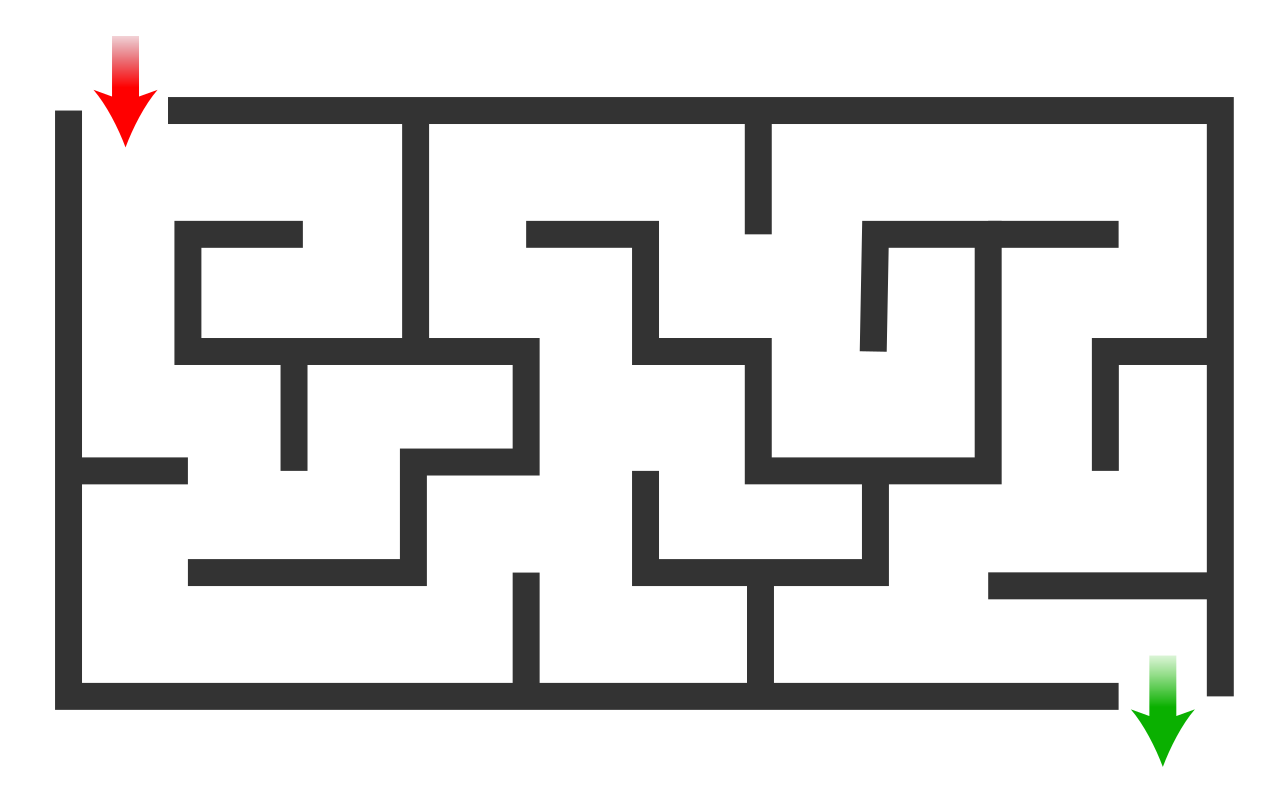
Once students understand the individual linguistic bricks, they must examine the blueprint. Text structure refers to how information is logically organized within a written passage. Recognizing text structure is like handing a student a map before they enter a maze; it allows them to predict what is coming next.
| Structure Type | Definition | Key Identifiers / Pedagogy |
|---|---|---|
| Chronological | Presents events in the exact time order the events occurred. | Look for signal words like "first," "next," and "finally". |
| Cause and Effect | Explains why an event happened and what resulted from the event. | Look for signal words like "consequently," "therefore," and "as a result". |
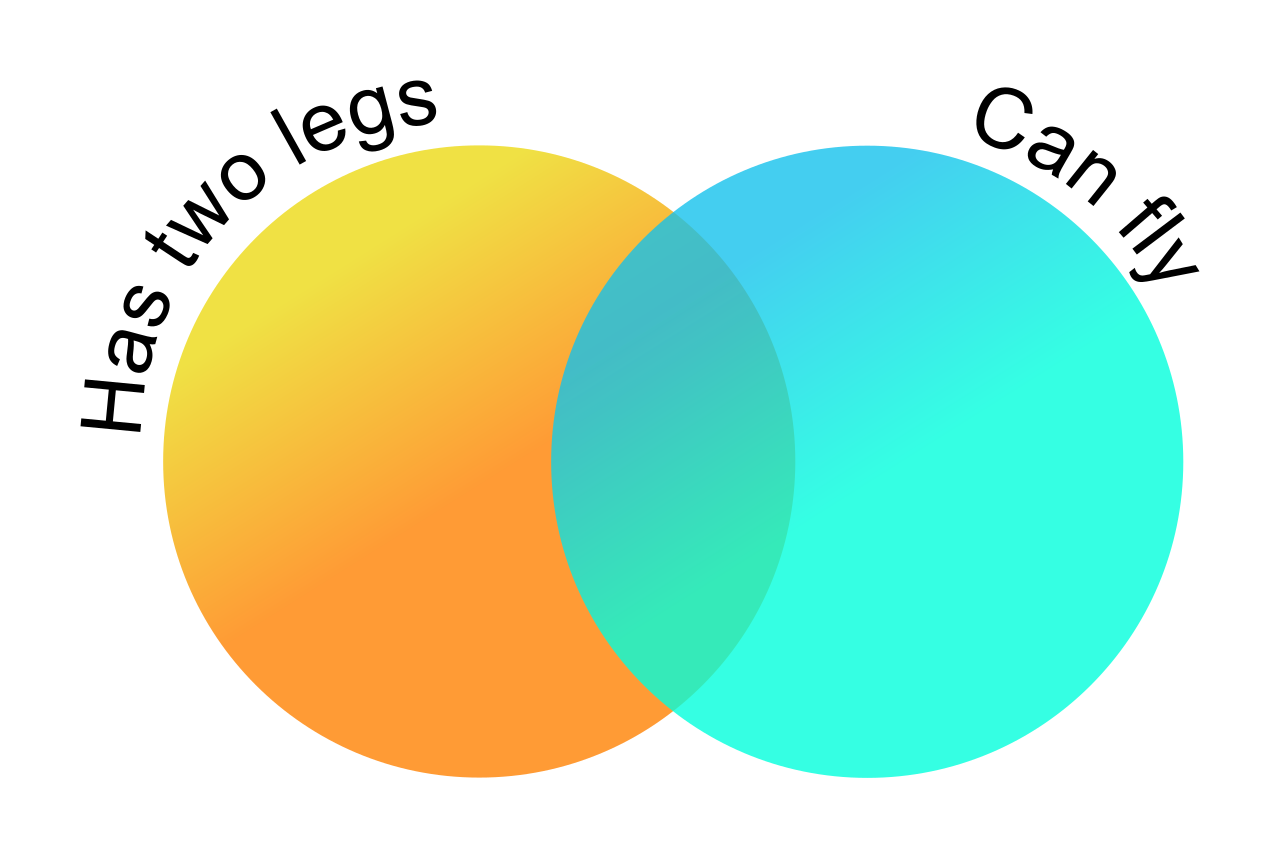
| Compare and Contrast | Highlights the similarities and differences between two or more subjects. | Venn diagrams are standard visual tools used to teach compare and contrast text structures. |
| Problem and Solution | Introduces an issue and outlines one or more ways to resolve the issue. | Look for an explicit dilemma followed by proposed answers. |
| Descriptive | Provides detailed characteristics or features of a specific topic without comparing the topic to anything else. | Heavy reliance on sensory details and spatial organization. |
Pedagogical Misconception: Elementary students often misidentify a sequential narrative text as a cause and effect informational text.
Why this happens: In any good story (narrative), events happen in sequence, and one action often triggers the next. A student sees the character drop an ice cream cone (cause) and cry (effect), and mistakenly labels the whole narrative as "Cause and Effect." You must clarify that "Cause and Effect" is an informational structure dedicated specifically to explaining phenomena (e.g., how earthquakes create tsunamis), not just a sequence of character actions.
In informational texts, the author's meaning is not confined to the paragraphs. Text features are visual or organizational elements independent of the main text body that enhance reader comprehension. They are the navigational signposts of a book.
To locate information efficiently, students must master:
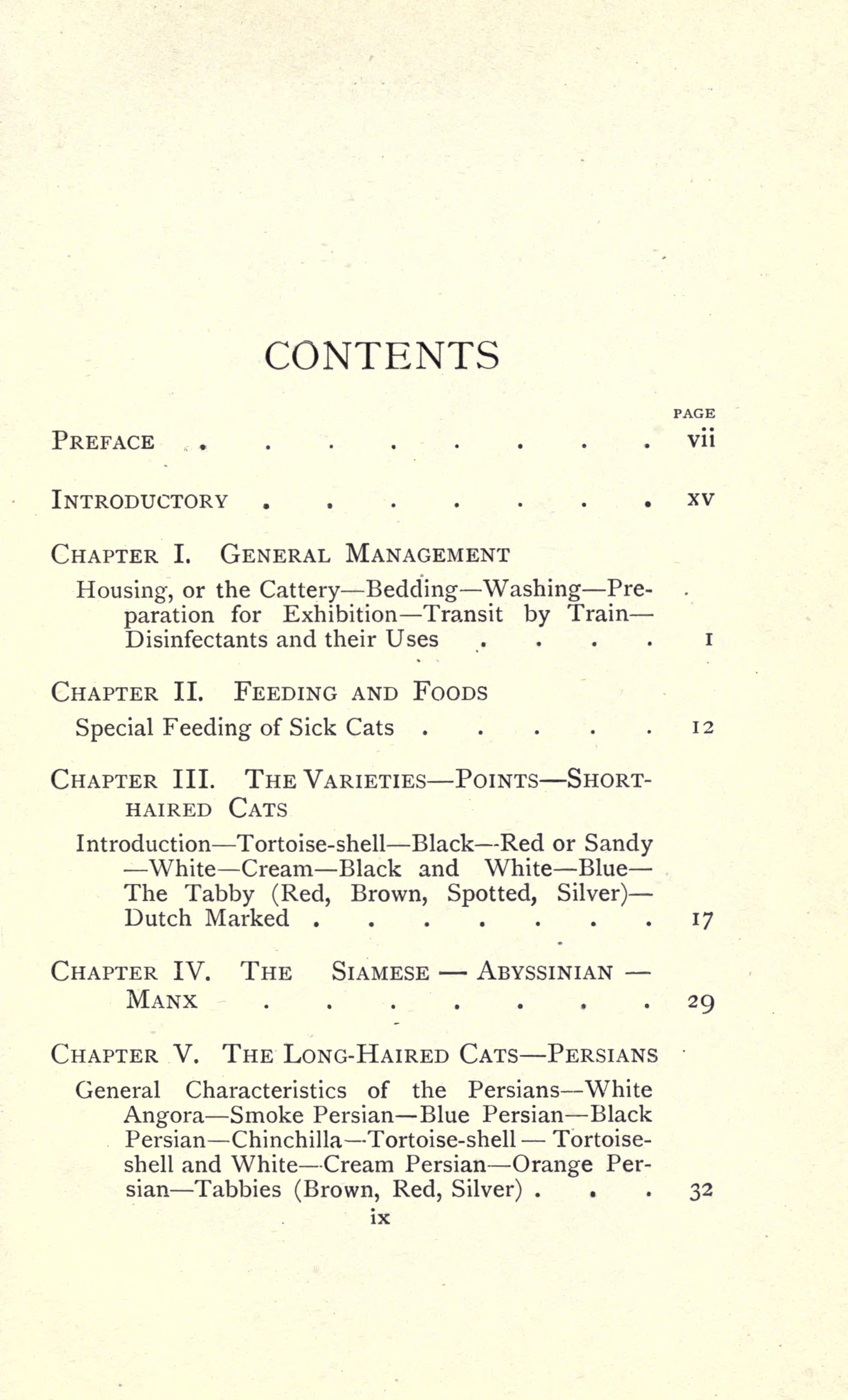
- Table of Contents: Lists major text sections and corresponding page numbers at the beginning of a book.
- Index: Provides an alphabetical list of specific topics and corresponding page numbers at the end of a book.
- Glossary: Provides definitions for domain-specific vocabulary words found within a specific text.
- Headings and Subheadings: Organize text content into manageable topical sections for the reader.
- Captions: Short descriptions placed directly underneath or beside an image to explain the image's context.
- Sidebars: Distinct text boxes that provide supplementary information related to the main text topic.
Pedagogical Misconception: Elementary students often skip informational text features unless specifically prompted by an educator.
The reality of the classroom: To a nine-year-old, a sidebar looks like an advertisement on a webpage—visual noise to be scrolled past. Explicit instruction on text features requires teachers to model how to use visual aids before reading the main text. You must demonstrate "thinking aloud" about a caption or a heading before diving into the first paragraph, establishing that these features contain vital context, not optional trivia.
If text structure is the blueprint, point of view determines the narrator's perspective through which a story or information is told. It is the camera angle of the text.
- First-person point of view: Uses pronouns like "I" and "we" to narrate a story from a character's direct perspective. The reader only knows what this specific character knows.
- Third-person limited point of view: Reveals the internal thoughts and feelings of only one character. The narrator stands outside the story but rides on the shoulder of a single protagonist.
- Third-person omniscient point of view: Reveals the internal thoughts and feelings of multiple characters. The narrator has a "god-like" perspective, able to dip into anyone's mind at any time.
Pedagogical Misconception: Students often incorrectly identify third-person narratives as first-person narratives when character dialogue contains the word "I".
Example:
"I am so tired," John said as he walked home. He wondered if his mother had made [dinner](https://en.wikipedia.org/wiki/Dinner).How to correct it: Train students to look at the narration outside of the quotation marks. Characters will always say "I" when speaking about themselves, but the point of view is dictated by the voice of the narrator, not the dialogue of the characters.
Ultimately, every structural choice, word selection, and narrator perspective serves a singular goal: the author's purpose, which is the primary reason the author wrote the text. While purposes can be highly specific, common author purposes include to persuade, to inform, and to entertain (often remembered by the acronym PIE).
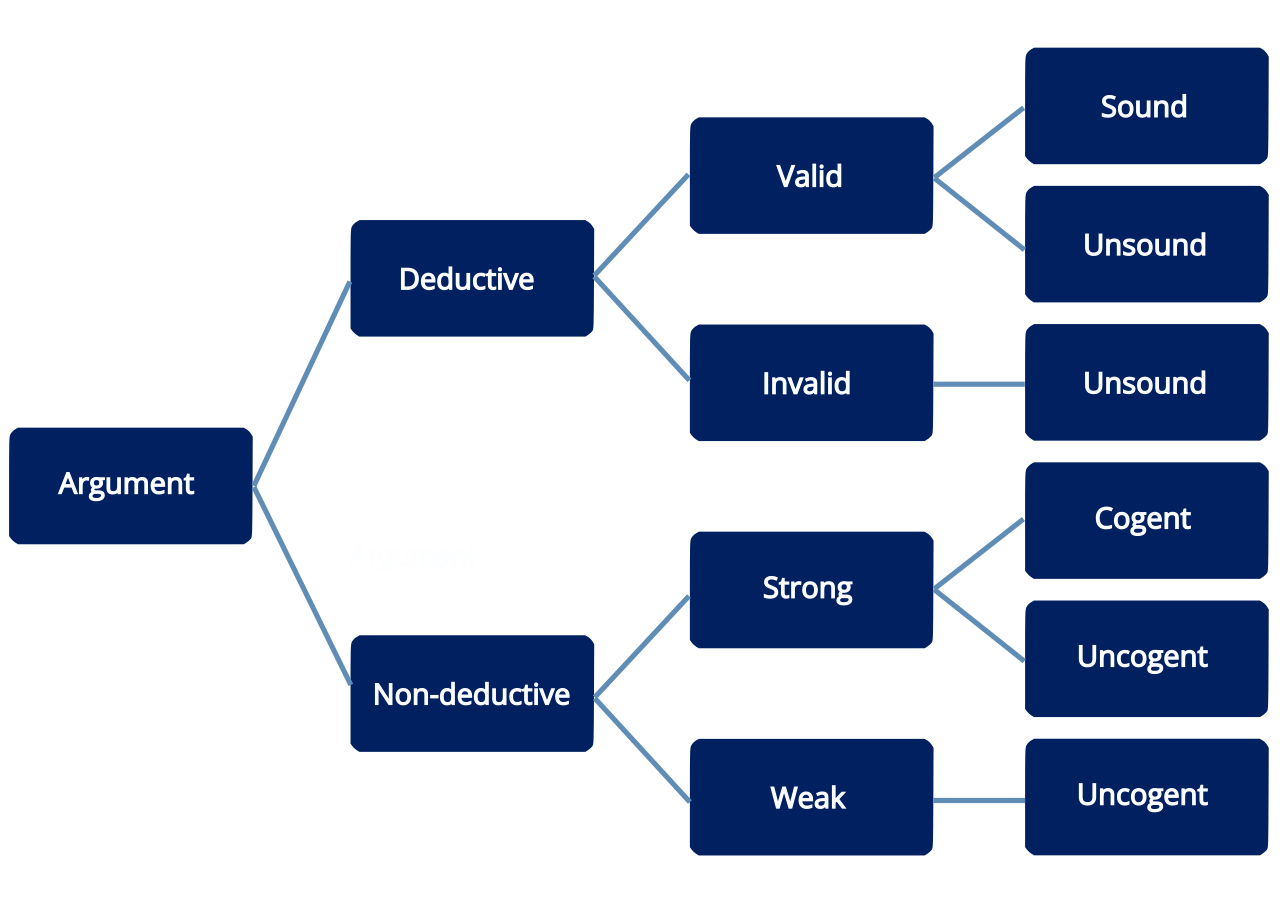
When an author's purpose is to persuade, they rely on a specific argument structure, which requires a main claim supported by logical reasons and factual evidence. Teaching students to deconstruct an argument means showing them how to identify the central claim and subsequently trace the logic and evidence the author uses as the foundation for that claim.
The Complexity of Multiple Perspectives
Real-world literacy requires synthesizing information from multiple sources. Comparing texts involves analyzing how two different authors approach the exact same topic or theme. This is where higher-order thinking truly blossoms in the elementary classroom.
When students compare two texts on the same historical event or scientific phenomenon, they often expect the facts to align perfectly. However, they must learn that two authors writing about the same topic may present conflicting facts based on the authors' individual perspectives or biases.
If one author uses a first-person perspective to recount an event, and another writes a third-person informational text about the same event, the tone, text structure, and literal facts presented will shift. Recognizing why they shift—understanding that the author's purpose and bias dictate the construction of the text—is the ultimate goal of teaching author's craft. You are graduating students from passive consumers of words to active analysts of human communication.