Key Ideas and Details in Text
Not sure you’re ready?
Take the ~3-minute readiness diagnostic and see where you stand.
When a child looks at a sequence of symbols on a page and suddenly laughs, a profound cognitive translation has occurred. They have not merely decoded the letters; they have mapped those symbols to human experience. Reading comprehension is not passive absorption; it is an active construction of meaning. As educators, our primary task is navigating the space between the printed word and the student’s mind. To teach comprehension—to teach a child how to extract key ideas, map narrative architecture, and prove their inferences—is to take the invisible, internal mechanics of understanding and make them entirely visible.
When we ask students to "read closely," we are asking them to operate on multiple cognitive levels simultaneously. The foundation of this process relies on distinguishing what the text actually says from what the text merely implies.
Explicit vs. Inferential Meaning
At the base level, explicit meaning refers to information that is directly and clearly stated within a text. If the text says, "The golden retriever barked loudly at the mailman," the explicit meaning is exactly that. There is no guessing required.
However, true comprehension demands more. Inferential meaning requires readers to combine textual clues with their own background knowledge. If the text says, "Sam grabbed his umbrella and pulled on his heavy rubber boots before stepping outside," the text never explicitly states that it is raining. The student infers the rain by combining the text clues (umbrella, rubber boots) with their own prior knowledge of when those items are used.
In cognitive psychology, a reader's existing background knowledge is referred to as schema. This is crucial for teaching: a student cannot make a valid inference if they lack the necessary schema. If a text implies a character is nervous because "butterflies filled her stomach," a student lacking the schema for that idiom will simply be confused.
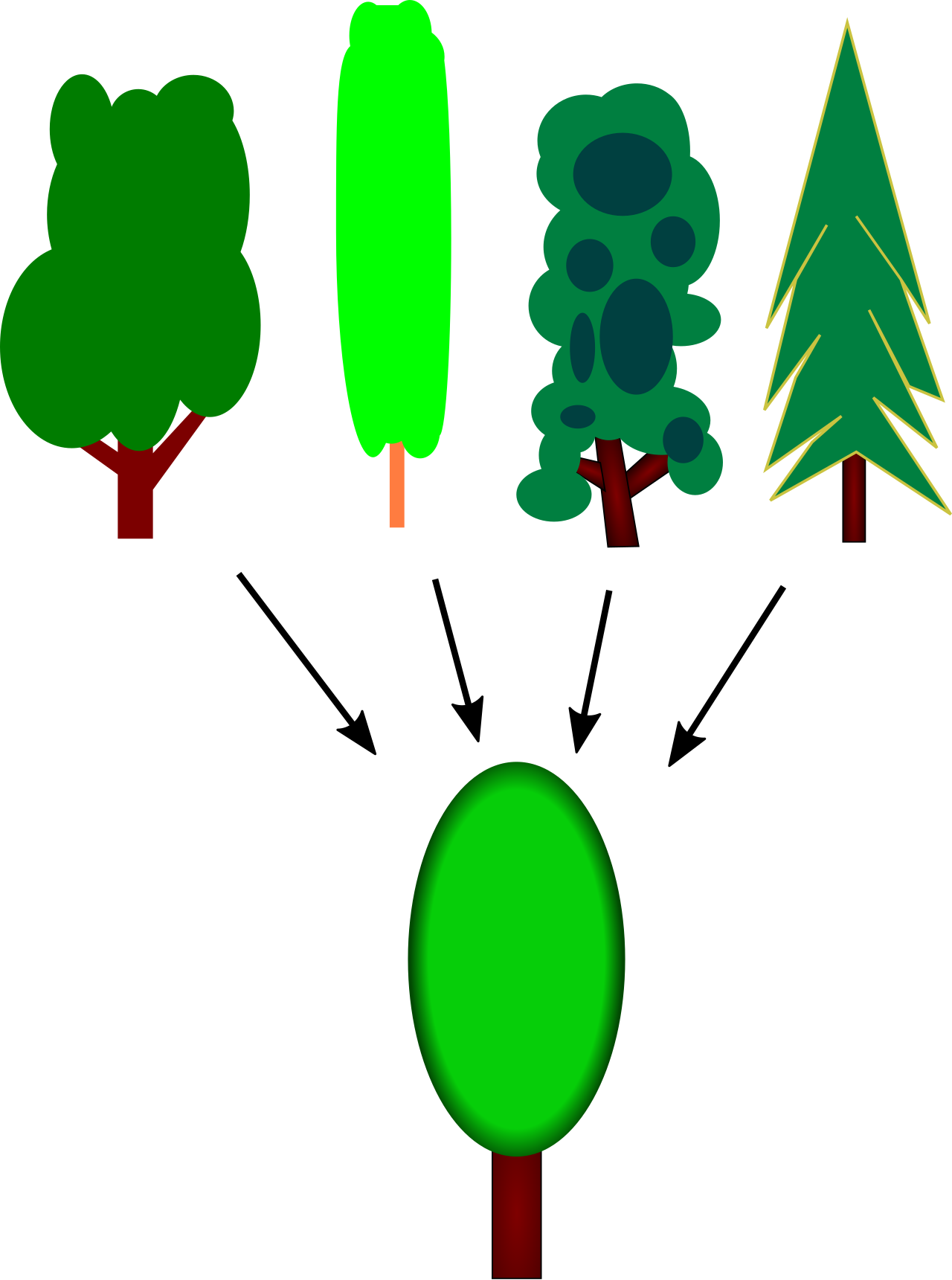
Scaffolding the Cognitive Leap
Because inferencing happens silently in the brain, novice readers often do not realize they are supposed to be doing it. We cannot simply tell them to "infer." Instead, teachers use think-aloud instructional strategies to verbally model the hidden mental process of making inferences. By reading a text aloud, stopping, and saying, "When the author says the sky turned green and the wind began to howl, I know from my own experience with weather that a severe storm is coming," the teacher demonstrates the inner monologue of a proficient reader.
When planning reading instruction, pedagogical scaffolding for reading comprehension typically involves asking literal questions before inferential questions. You must ensure the student grasps the explicit foundation before asking them to jump to the unstated conclusion.
Instructional Sequence Example
- Literal Question: "What did Sam put on before leaving the house?" (Establishes explicit meaning).
- Inferential Question: "What is the weather like outside, and how do you know?" (Prompts inferential meaning).
To build rigor, teachers utilize close reading, an instructional approach requiring students to analyze a short, complex text multiple times. Each subsequent read peels back a new layer of meaning. During this process, teachers rely heavily on text-dependent questions—assessment items designed to be unanswerable without explicit reference to the text. You cannot answer a text-dependent question by relying solely on your schema; you must look at the words on the page.
When answering these questions, students must learn the vital academic skill of citing textual evidence, which involves quoting or paraphrasing specific sentences from a text to support a claim. It is the mechanism by which readers prove their inferences are valid.
Informational texts are constructed differently than stories; they are built to transfer knowledge. To help students extract that knowledge, we must teach them how to identify the text's structural hierarchy.
Topics vs. Central Ideas
A fundamental distinction in informational reading is the difference between what a text is about and what a text means.
- A text's topic is the broad, general subject matter being discussed (e.g., "Sharks").
- A central idea is the specific, overarching point an author is making about a topic in an informational text (e.g., "Sharks play a vital role in maintaining the health of ocean ecosystems").
A common elementary student misconception is confusing a text's broad topic with the text's central idea. If you ask a third-grader for the central idea of an article about Mars, they will often reply, "Mars." To correct this, teachers must guide students to see that the topic is just the container; the central idea is what the author puts inside it.

Once the central idea is established, the author builds the case using supporting details—specific facts, examples, or reasons that develop and explain a text's central idea. If the central idea is that sharks maintain ecosystem health, the supporting details might include statistics about how sharks regulate prey populations and remove sick fish.
Structural Relationships in Informational Text
Authors of informational texts do not present facts randomly; they organize ideas using predictable logical relationships. Teaching students to recognize these text structures dramatically improves comprehension.
| Relationship Type | Definition | Textual Markers (Signal Words) | Graphic Organizer |
|---|---|---|---|
| Cause-and-Effect | Informational texts frequently organize ideas using cause-and-effect relationships to show how one event produces another. | Signal words like 'because,' 'therefore,' and 'as a result' are textual markers of cause-and-effect relationships. | Flowcharts |
| Sequential | Informational texts frequently organize ideas using sequential or chronological relationships to outline processes or historical events. | Signal words like 'first,' 'next,' and 'finally' are textual markers of sequential relationships. | Timelines / Numbered Lists |
| Compare-and-Contrast | Informational texts frequently organize ideas using compare-and-contrast relationships to highlight similarities and differences between subjects. | Signal words like 'similarly,' 'unlike,' and 'however'. | Venn diagrams are graphic organizers commonly used to map compare-and-contrast relationships. |
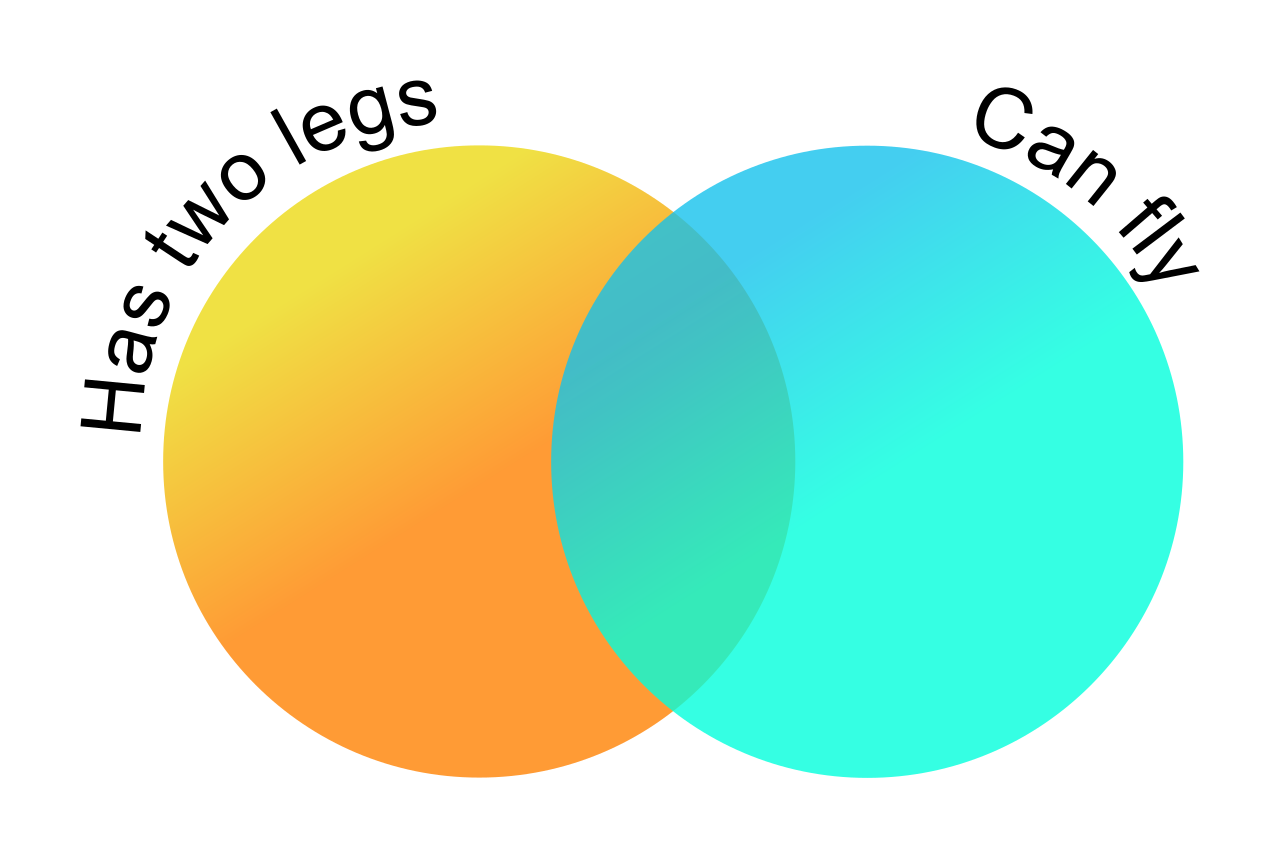
Narrative texts require a different set of analytical tools. While informational texts are driven by logic and facts, stories are driven by human experiences, conflicts, and resolutions.
The Mechanics of Summarization
To assess whether a student understood a narrative, we often ask them to synthesize it. Recounting a story involves retelling the narrative events in the correct chronological sequence. It is a basic test of sequence and plot retention.
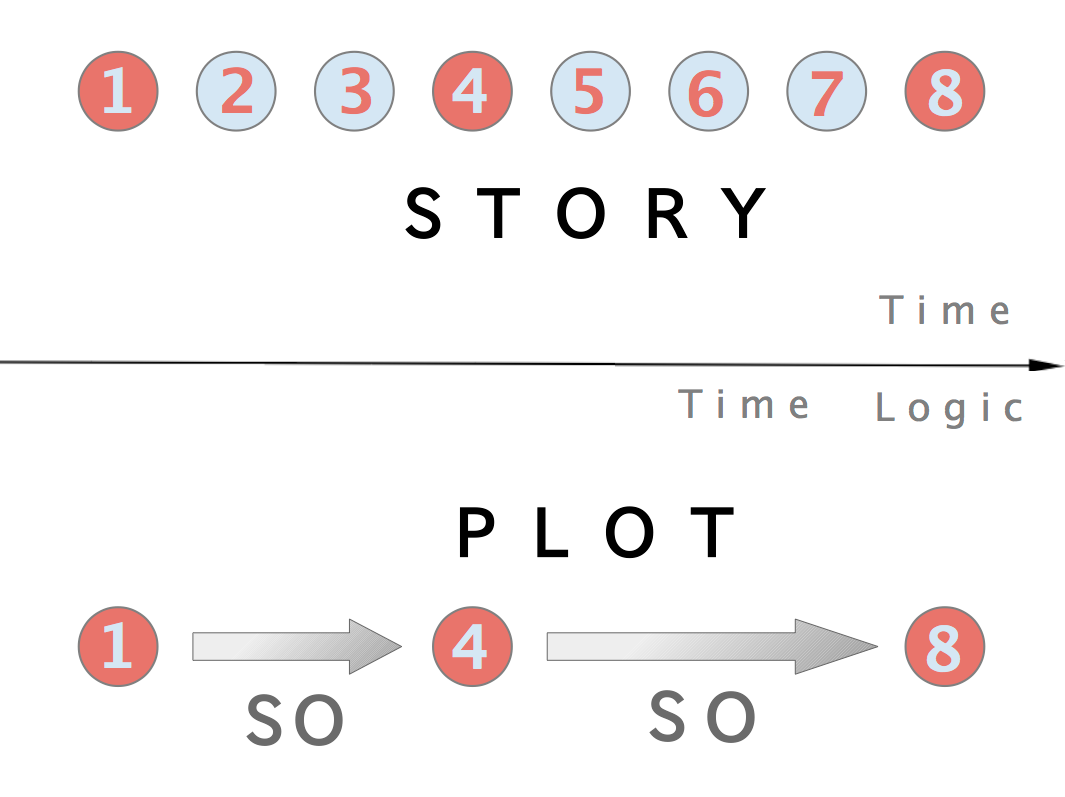
A step above recounting is summarization. Summarizing requires a reader to briefly restate the most important points of a text, filtering out minor details. Critically, we teach students to generate an objective summary, which explicitly excludes a reader's personal opinions or judgments about the text. An objective summary states what happened, not whether the student liked what happened.
To scaffold this skill, teachers rely on proven pedagogical frameworks. The 'Somebody Wanted But So Then' framework is a pedagogical strategy used to help students summarize narrative texts.
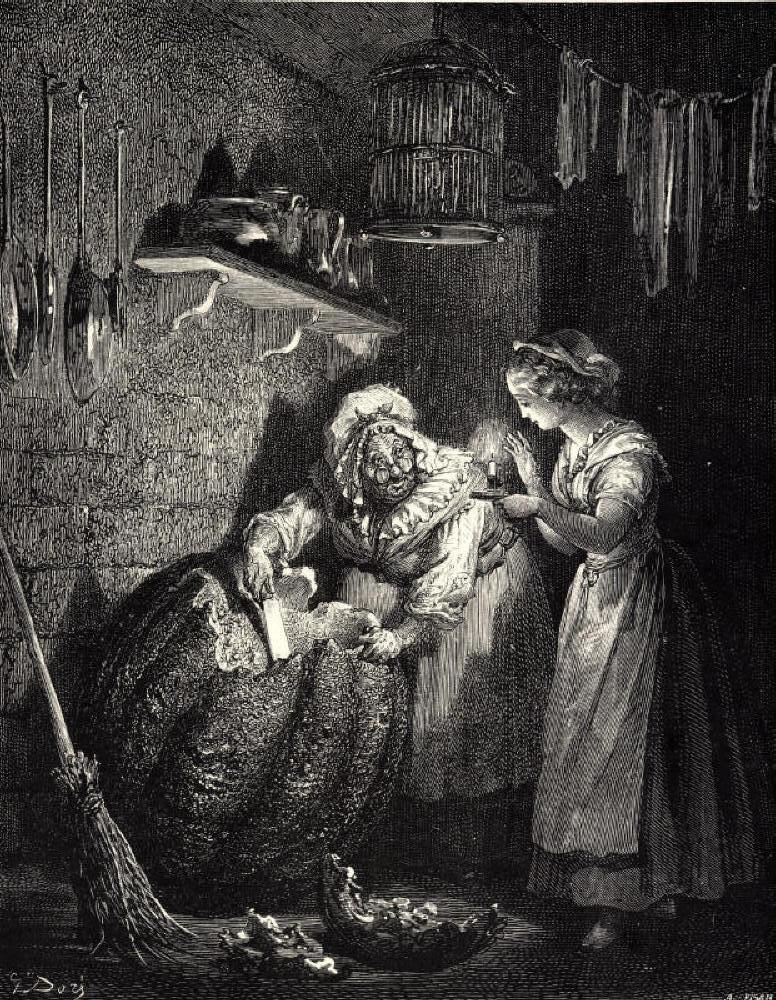
- Somebody: Who is the main character? (Cinderella)
- Wanted: What was their goal? (Wanted to go to the ball)
- But: What was the conflict? (But her stepmother locked her in her room)
- So: How did they try to solve it? (So her fairy godmother used magic to help her)
- Then: What was the resolution? (Then she went to the ball and met the prince).
Themes vs. Morals
Beyond the plot lies the deeper meaning of the narrative. This is where students often struggle most, as the concepts become highly abstract.
A theme is the underlying message or universal human truth conveyed within a literary text. Themes are rarely stated explicitly; they must be inferred from the characters' struggles and growth.
Here we encounter a major pedagogical hurdle: a common student misconception is stating a literary theme as a single abstract word rather than a complete thought. A student will say the theme of Charlotte's Web is "Friendship." Friendship is not a theme; it is a motif or a topic. A theme is an assertion about that topic, such as, "True friendship involves sacrifice."
In contrast to the abstract, inferred nature of a theme, a moral is direct. A moral is a specific, practical life lesson explicitly taught by a narrative. Think of "Slow and steady wins the race." This brings us to a specific literary genre: fables are a traditional genre of literature explicitly designed to conclude with a stated moral.
The events of a narrative (the plot) do not happen in a vacuum. They are generated by the interplay between who the characters are and where they are located. To help students visualize this interplay, teachers utilize story maps—graphic organizers used to help students isolate narrative elements like characters and settings.
Decoding Characters
Characters are the engines of narratives. To understand a character, students must differentiate between two interconnected concepts:
- Character traits are persistent internal qualities or personality characteristics that influence a character's actions. (e.g., brave, selfish, curious, impulsive).
- Character motivations are the specific underlying reasons or desires driving a character's behavior. (e.g., wanting to protect a younger sibling, seeking revenge, desiring approval).
Traits dictate how a character acts; motivations dictate why they act. An impulsive character (trait) and a cautious character (trait) might both want to rescue a trapped dog (motivation), but their traits will cause them to approach the problem entirely differently, thus generating plot.
The Function of Setting
Elementary students often view setting merely as a passive backdrop—the wallpaper of the story. In reality, setting is an active participant in the narrative.
A story's setting encompasses both the physical location and the chronological time period of the narrative. A story set in 1850s London operates under vastly different rules than a story set on a modern space station.

Crucially for literary analysis, a narrative setting often creates specific constraints or opportunities that directly cause plot events. If a story is set in a cabin during a massive blizzard, the blizzard is a constraint: the characters cannot leave, the power goes out, and they must survive using what is inside. The setting forces the action. By teaching students to recognize how the setting puts pressure on the characters' motivations, we elevate their reading from passive decoding to active, analytical comprehension.