Indigenous Peoples of North America
Not sure you’re ready?
Take the ~3-minute readiness diagnostic and see where you stand.
Imagine trying to build a house, source a year’s worth of food, and organize a complex government, all using only the materials naturally occurring within a hundred-mile radius of where you stand. The solutions you develop in the frozen tundra of the Arctic will look fundamentally different from those you engineer in the arid deserts of the American Southwest. This principle of environmental mastery is the foundational concept for understanding North America before European contact. Native American cultures prior to European contact were highly diverse, fundamentally shaped by their deep, localized engagement with the geography, climate, and ecology of their homelands. As an educator, your task is not merely to list these cultures, but to help students understand the profound human ingenuity behind them, dismantling the pervasive myth of a single, uniform Indigenous history.
To understand Indigenous history is to understand the genius of human adaptation. Pre-contact Native American societies adapted housing and diets to specific regional environments. They did not just survive in their biomes; they built sophisticated societies meticulously engineered for them.
Regional Case Studies in Adaptation
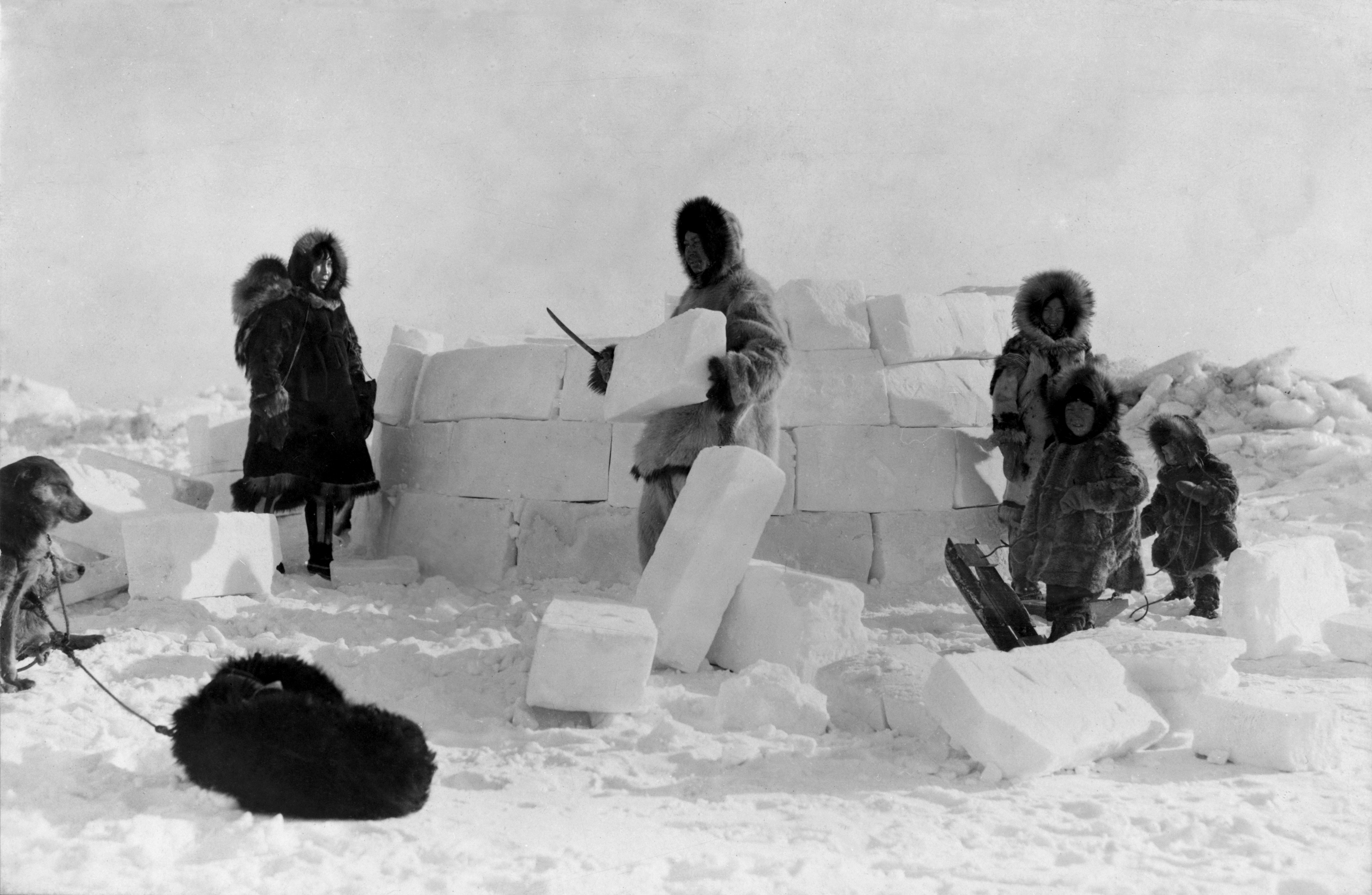
The Arctic In the unforgiving cold of the far north, Arctic Indigenous groups such as the Inuit constructed igloos from snow and ice for winter shelter. Snow is an exceptional insulator, trapping human body heat. Because agriculture was impossible, Arctic Indigenous groups relied on hunting marine mammals such as seals and whales, utilizing every part of the animal for food, oil for heat, and bone for tools.
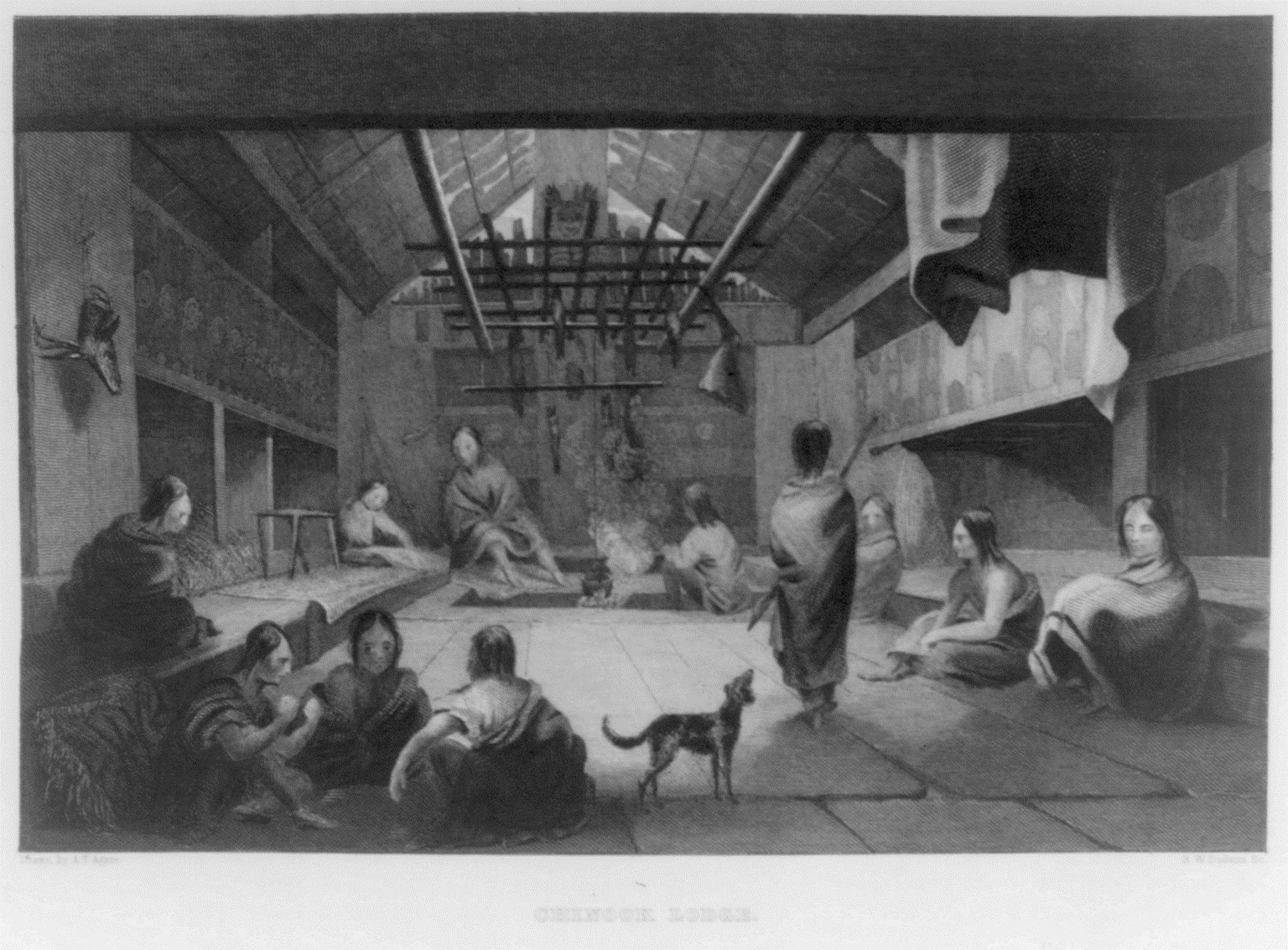
The Pacific Northwest Moving down the coast, we find an environment of dense forests and rich oceans. Consequently, Indigenous peoples of the Pacific Northwest relied heavily on salmon fishing. Because their food source was abundant and reliable, they could establish highly settled, complex societies where Pacific Northwest tribes constructed large plank houses from cedar trees.
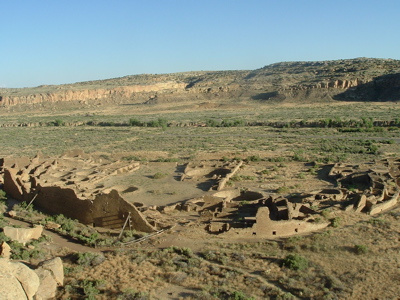
The American Southwest Contrast the damp Northwest with the arid deserts. Here, the Pueblo peoples of the American Southwest built multi-story adobe dwellings. Adobe—sun-dried clay—absorbs the intense daytime heat and releases it during cold desert nights. To survive agriculturally, Southwest Indigenous groups utilized complex irrigation systems to farm in arid climates, a feat of early engineering.
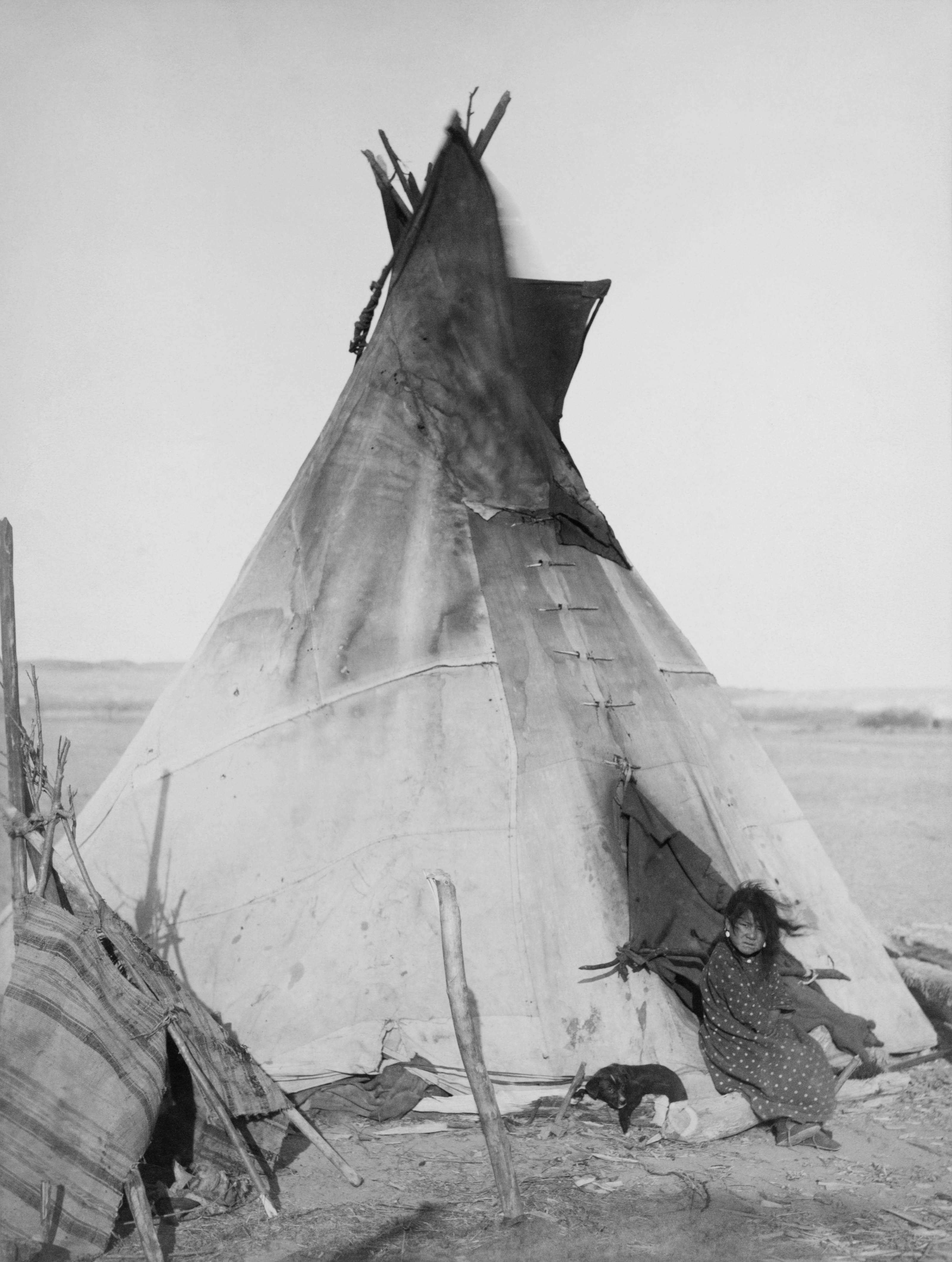
The Great Plains Before European contact, the Great Plains tribes depended heavily on bison for food, clothing, and shelter. Because they needed to follow migrating herds, tipis were primarily used as portable shelters by nomadic tribes of the Great Plains. The conical shape of the tipi was aerodynamically brilliant, capable of withstanding fierce prairie winds while remaining easy to dismantle and transport.
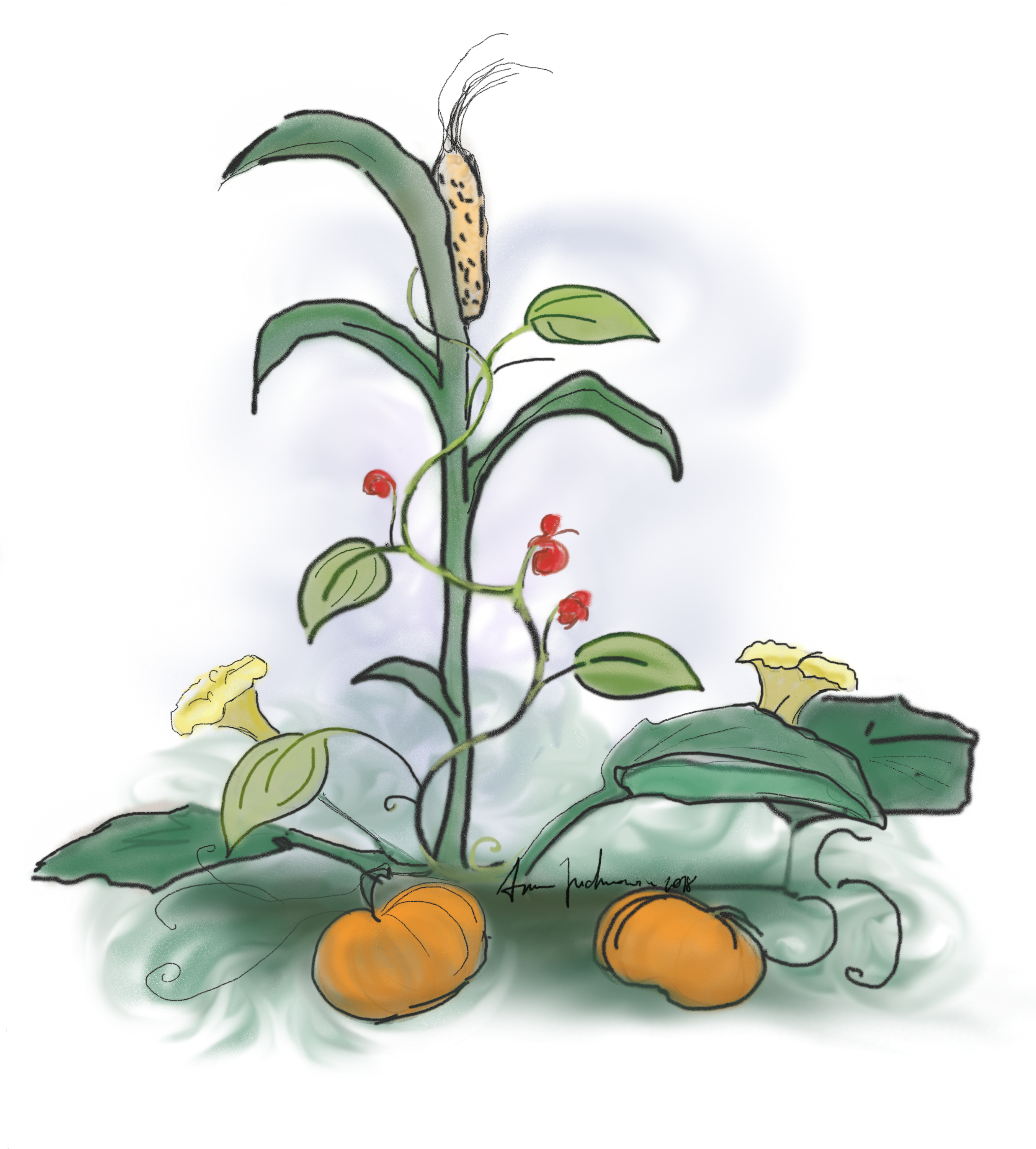
The Eastern Woodlands In the temperate forests, agriculture flourished. Eastern Woodlands tribes cultivated corn, beans, and squash together.
The Three Sisters Farming Technique: Cultivating corn, beans, and squash together is known as the Three Sisters farming technique. This is a masterclass in early agricultural biochemistry. The corn provides a stalk for the beans to climb; the beans fix nitrogen in the soil to fertilize the plants; the squash spreads across the ground, retaining moisture and deterring weeds.
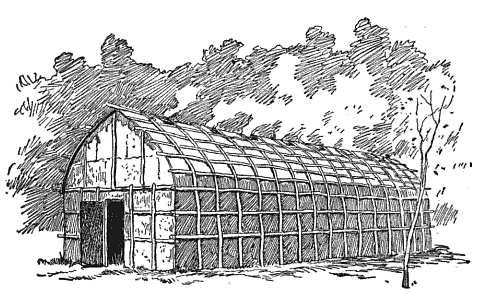
Politically, this region was highly advanced. The Iroquois Confederacy was a political alliance among five, later six, Native American nations in the Eastern Woodlands. To govern this massive alliance, the Iroquois Confederacy established an oral constitution known as the Great Law of Peace. (Note: Haudenosaunee is the traditional autonym for the people commonly known as the Iroquois, meaning "People of the Longhouse.")
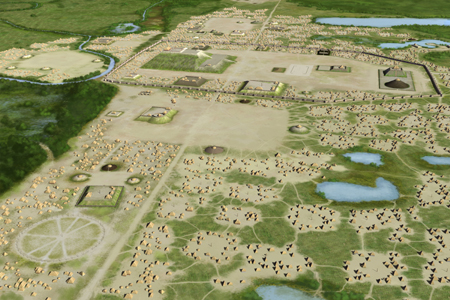
The Southeast Finally, the rich river valleys of the Southeast allowed for massive population centers. The Mississippian culture in the Southeast built large earthen mounds for religious and ceremonial purposes. These mound cities, such as Cahokia, were larger than many European cities of the same era.
Throughout all these diverse regions, Indigenous storytelling traditions were used to pass down history and cultural values across generations, serving as living libraries of science, morality, and law.
As a teacher, understanding the content is only half the battle; knowing how your students process it is the other. Elementary students arrive in your classroom with heads full of media-driven stereotypes. Your instructional decisions must actively counter these.
Dismantling Common Misconceptions
- The Monolith Myth: A common elementary student misconception is that Native Americans were a single monolithic group with identical customs. Teaching regional adaptations (e.g., contrasting the Inuit igloo with the Pueblo adobe) shatters this myth.
- The Shelter Myth: Due to cartoons and movies, a common elementary student misconception is the belief that all Native Americans lived in tipis. You must emphasize that tipis were specific to the nomadic tribes of the Great Plains.
- The Disappearance Myth: Perhaps the most harmful is a common elementary student misconception is that Native Americans existed only in the past.
Best Practices for the Classroom
To combat the "disappearance myth," elementary pedagogy emphasizes teaching Native American history through the continuous presence and modern contributions of Indigenous peoples. They are not historical relics; they are contemporary scientists, artists, and leaders.
Furthermore, elementary education emphasizes using primary sources to teach students about Native American perspectives. Instead of reading about Indigenous peoples from a textbook, read a translated treaty or examine a piece of Haudenosaunee beadwork. Institutions like the National Museum of the American Indian provides educational resources to replace stereotypical narratives with historically accurate accounts. Use their materials to anchor your lessons in truth.
When Europeans arrived, it triggered a biological and cultural collision unlike anything in human history.
The Columbian Exchange facilitated the transfer of plants, animals, and diseases between the Americas and the Eastern Hemisphere.
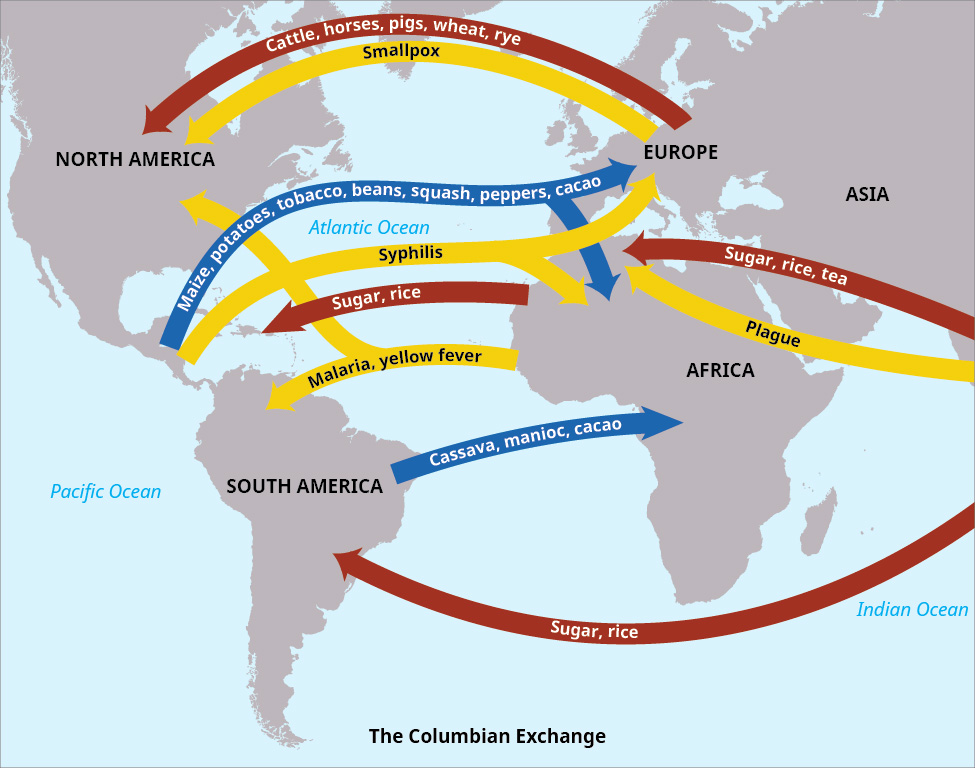
While Europeans gained staple crops like potatoes and maize, the Indigenous populations suffered catastrophic losses. European diseases such as smallpox decimated Indigenous populations due to a lack of natural immunity.
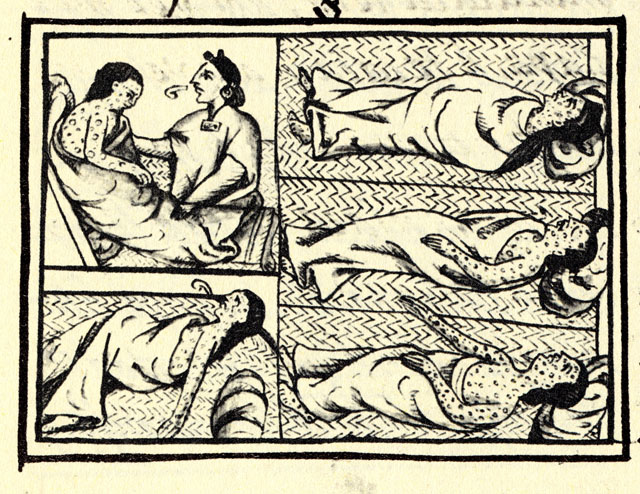
The exchange also altered Native life in unexpected ways. For example, the introduction of horses by Spanish explorers drastically changed the hunting practices of Great Plains tribes, allowing them to hunt bison with unprecedented speed and efficiency.
Divergent European Agendas
It is crucial to teach students that "Europeans" were not a monolith either. European colonial powers had different primary goals when interacting with Native Americans.
| Colonial Power | Primary Interaction Strategy | Impact on Indigenous Peoples |
|---|---|---|
| France | French colonists generally focused on establishing fur trading networks with Native American tribes. | Relied heavily on mutual trade, leading to complex economic interdependence and intermarriage. |
| Spain | Spanish colonizers frequently sought to convert Native Americans to Catholicism through the mission system. | Also implemented the Spanish encomienda system, which forced Native Americans into hard labor on agricultural estates, deeply disrupting Native autonomy. |
| England | English colonists primarily focused on acquiring land for permanent settlements. | Resulted in the most direct territorial conflict as English agriculture continually pushed into Native hunting grounds. |
Faced with these incursions, Indigenous peoples were not passive victims. Native American tribes frequently formed strategic alliances with European powers to gain trade advantages or to balance power against rival tribes.
When the United States won its independence, it had to figure out how to interact with the powerful Indigenous nations within and adjacent to its borders.
The United States government initially interacted with Native American tribes by signing treaties. This is a critical legal concept for your students to grasp: early United States treaties legally recognized Native American tribes as sovereign nations. A treaty is a contract made between two independent governments, meaning the U.S. acknowledged Native nations as separate political entities.
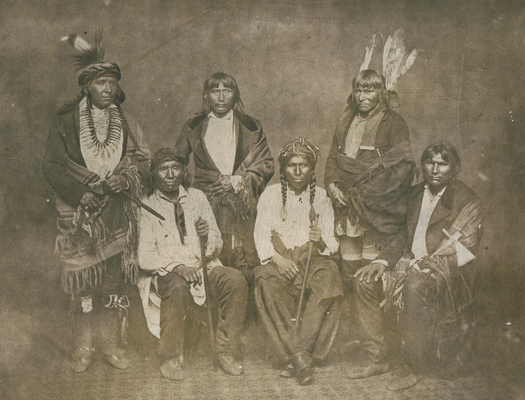
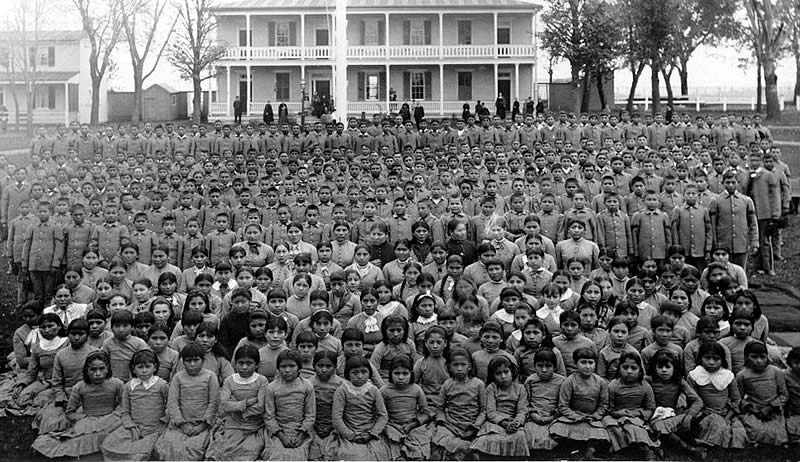
However, as white populations grew, the desire for land overshadowed legal agreements. The U.S. government shifted strategies. Assimilation policies aimed to strip Native Americans of their cultural identities, pressuring them to adopt European-American farming, dress, and religion.
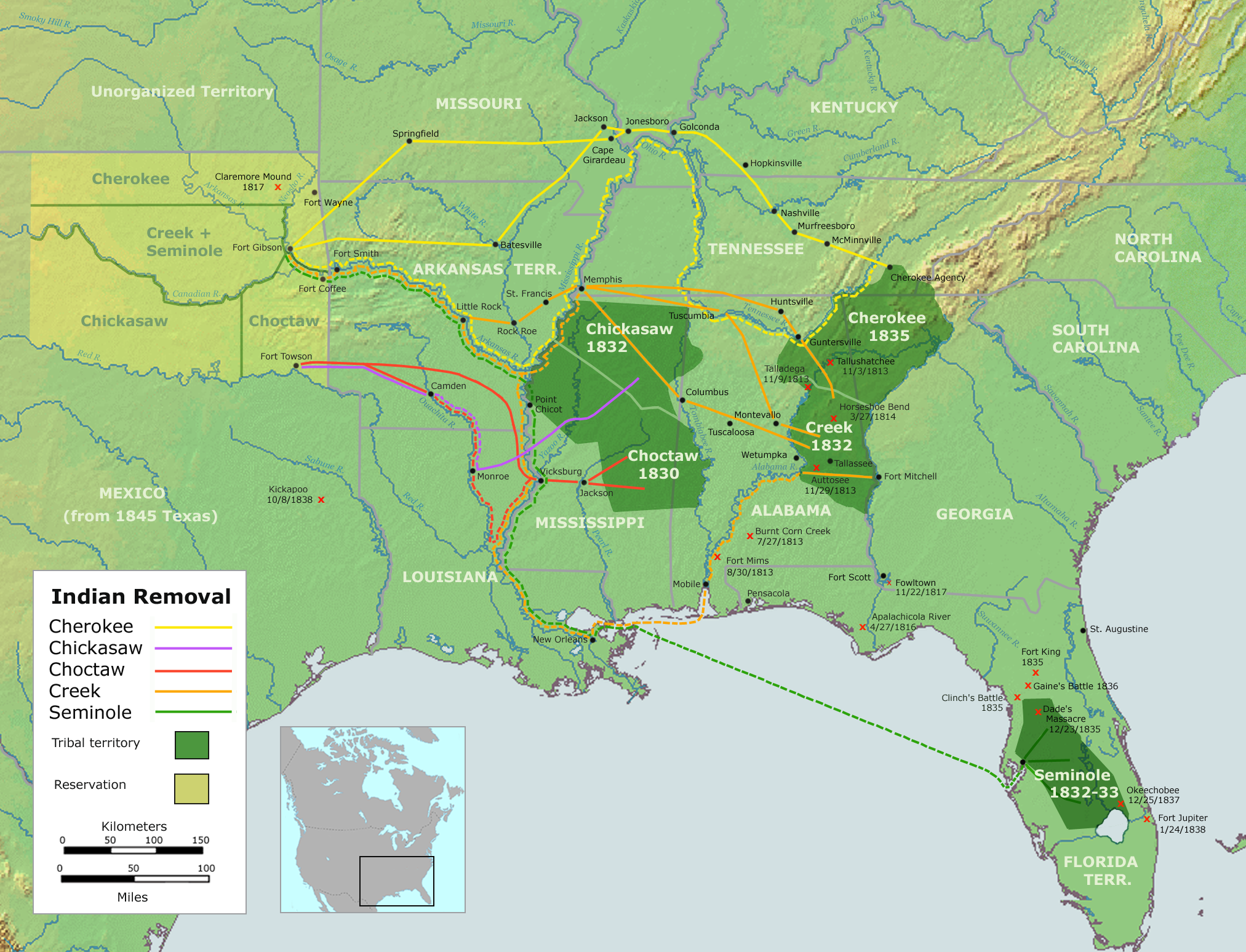
This brings us to the southeastern United States and a group of nations European Americans termed the "Five Civilized Tribes." The Five Civilized Tribes was a term used by European Americans to describe the Cherokee, Chickasaw, Choctaw, Creek (Muscogee), and Seminole, because these nations had adopted many European-American cultural traits in an attempt to coexist.
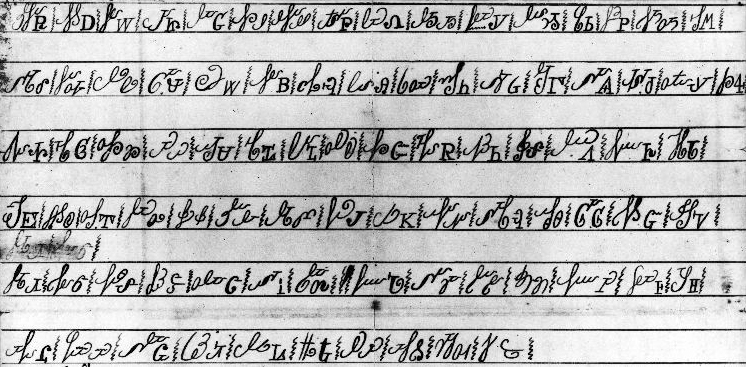
The Cherokee, in particular, demonstrated remarkable adaptation. The Cherokee Nation developed a written syllabary to record their language. A brilliant scholar named Sequoyah created the Cherokee syllabary in the early nineteenth century, making the Cherokee rapidly literate and allowing them to publish their own newspaper.
The Indian Removal Act and the Trail of Tears
Despite their adaptations and legally recognized sovereignty, the hunger for agricultural land (especially for growing cotton) proved overwhelming.
In 1830, the Indian Removal Act was signed into law by President Andrew Jackson. The Indian Removal Act authorized the federal government to force Native American tribes out of the southeastern United States.
The Cherokee fought back, not with weapons, but with the law. They took their case to the U.S. Supreme Court. In the 1832 Worcester versus Georgia decision, the Supreme Court ruled that states had no jurisdiction over Native American lands, confirming Cherokee sovereignty.
It was a legal victory, but a practical failure. President Andrew Jackson ignored the Supreme Court ruling in Worcester versus Georgia, famously (though apocryphally) stating, "John Marshall has made his decision; now let him enforce it."
This defiance of the Supreme Court set the stage for one of the darkest chapters in American history.
The Trail of Tears was the forced relocation of Native American nations to territory west of the Mississippi River.
The Cherokee, Muscogee, Seminole, Chickasaw, and Choctaw nations were forced to march along the Trail of Tears under armed military guard. The human cost was horrific. Thousands of Native Americans died from exposure, disease, and starvation during the Trail of Tears.
The destination for the forced relocation during the Trail of Tears was designated as "Indian Territory." This designated Indian Territory from the 1830s relocation corresponds mostly to the modern state of Oklahoma.
Conclusion for the Educator
When you step into the classroom, you carry the responsibility of shaping how the next generation understands the foundational history of this continent. By framing Native American history through the lens of brilliant environmental adaptation, robust sovereignty, and continuous resilience, you move your students away from harmful stereotypes and toward a truthful, nuanced appreciation of Indigenous peoples.