Narrative and Expository Text Types
Not sure you’re ready?
Take the ~3-minute readiness diagnostic and see where you stand.
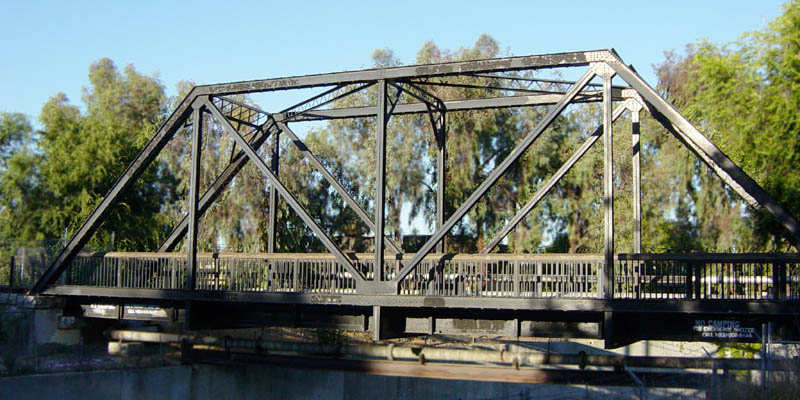
When a young student hands you a piece of writing, you are not merely reading words on a page; you are inspecting a piece of intellectual architecture. Just as a bridge requires a specific arrangement of trusses to bear weight, a text requires a distinct internal structure to carry meaning. If a student wants to explain how a volcano erupts, a narrative about a mythical fire dragon will collapse under the weight of the task. If they want to argue for longer recess, a step-by-step procedural recipe will fail them.
Understanding the elements of narrative and expository text types is not about memorizing arbitrary rules of genre. It is about understanding form and function. For an elementary teacher, this structural knowledge is highly diagnostic. It allows you to look at a tangled, confusing paragraph, pinpoint exactly which structural beam is missing, and provide the exact scaffold the student needs to rebuild it.
Narrative texts tell a story based on real or imagined events. When we teach narrative writing, we are teaching students how to capture human experience across time.
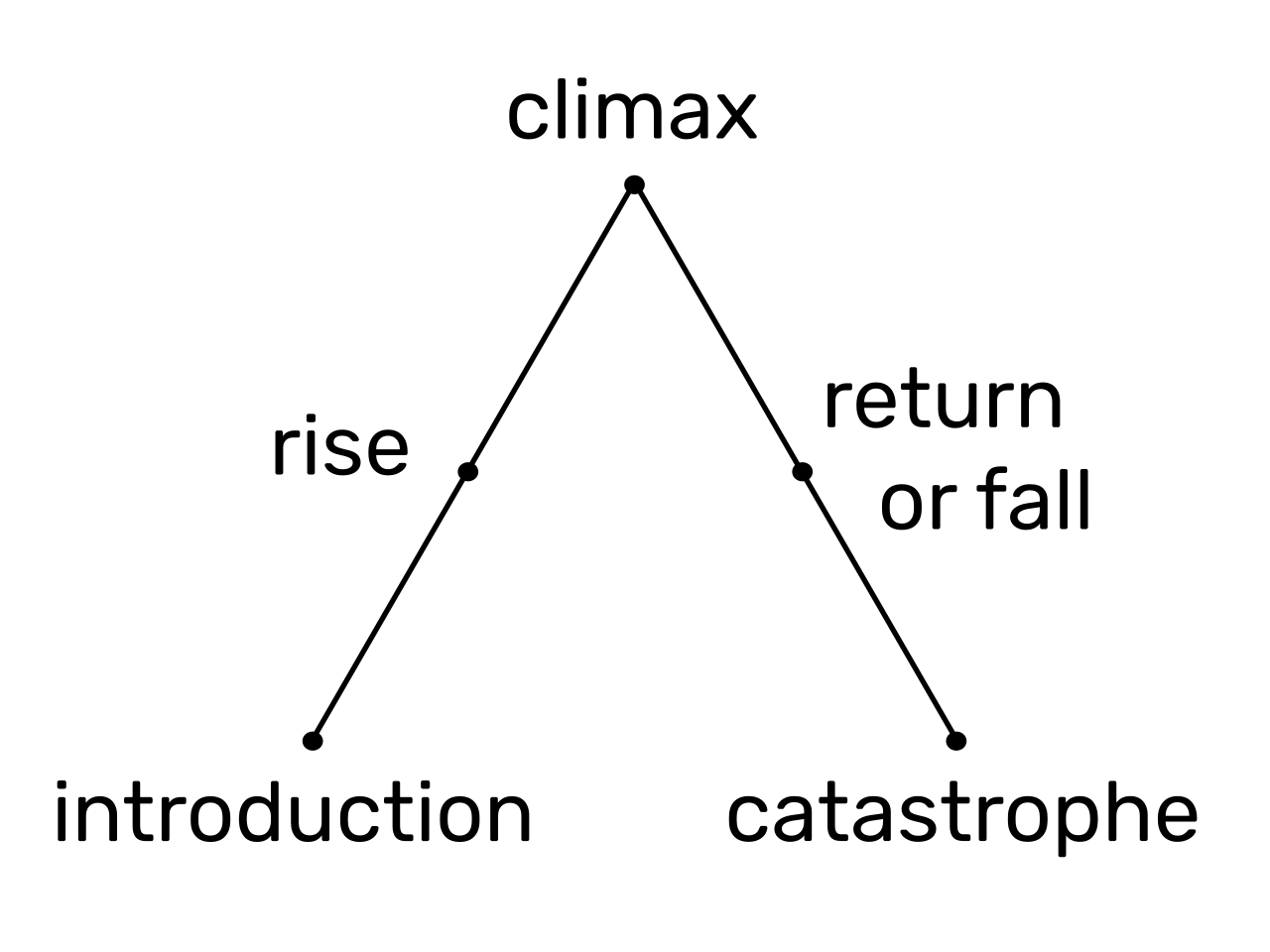
To make a story function, it requires specific load-bearing pillars. The key elements of narrative texts include characters, setting, plot, conflict, and resolution.
- The setting establishes the time and place of the story, grounding the reader in a specific reality.
- The plot is the sequence of events that make up the story.
- Driving that plot is a narrative conflict—the primary problem or struggle faced by the characters. Without conflict, there is no momentum; you just have a static description of a pleasant afternoon.
The Challenge of Time and Sequence
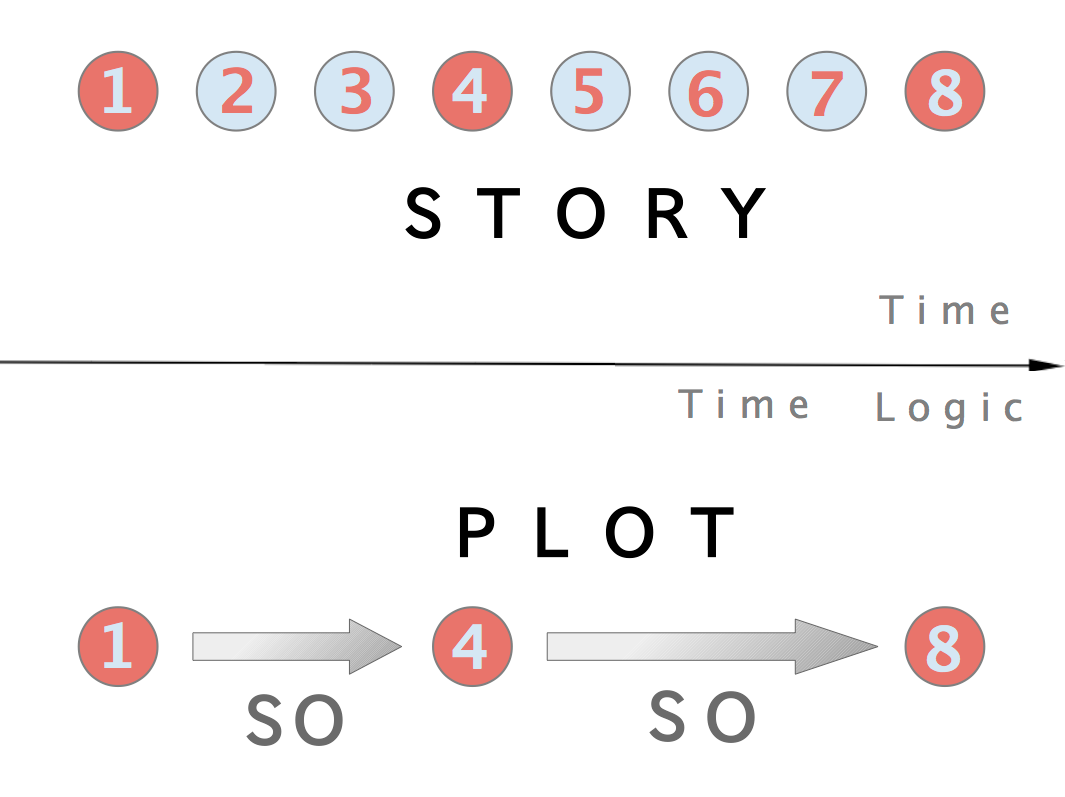
Because plots unfold over time, narrative writing requires clear event sequencing to help the reader follow the progression of the story. However, time is a slippery concept for young minds. Elementary students frequently struggle to maintain a consistent chronological sequence in early narrative writing. They will jump from the morning bus ride straight to the evening dinner, suddenly remembering to write about lunchtime as an afterthought.
Pedagogical Intervention: To combat chronological chaos, teachers use story maps as graphic organizers to help students identify and plan narrative elements. By charting the beginning, middle, and end before drafting, students build a reliable blueprint that keeps their narrative on track.
Bringing the Scene to Life
A structurally sound plot is functional, but it is not engaging without texture. We teach students to use sensory details, which are words that describe how things look, sound, feel, smell, or taste.
Why do these matter? Because sensory details help readers visualize scenes and emotionally connect with a narrative text. Writing "The room was scary" is weak. Writing "The floorboards groaned under my feet, and the air smelled like damp dust" puts the reader directly in the room.
To bridge the gap between knowing what sensory details are and actually using them, teachers scaffold narrative writing by providing sensory word banks to improve student use of descriptive vocabulary. When a student is staring blankly at a page trying to describe a winter morning, a word bank offering terms like crisp, frost-bitten, and crunching provides the necessary raw materials.
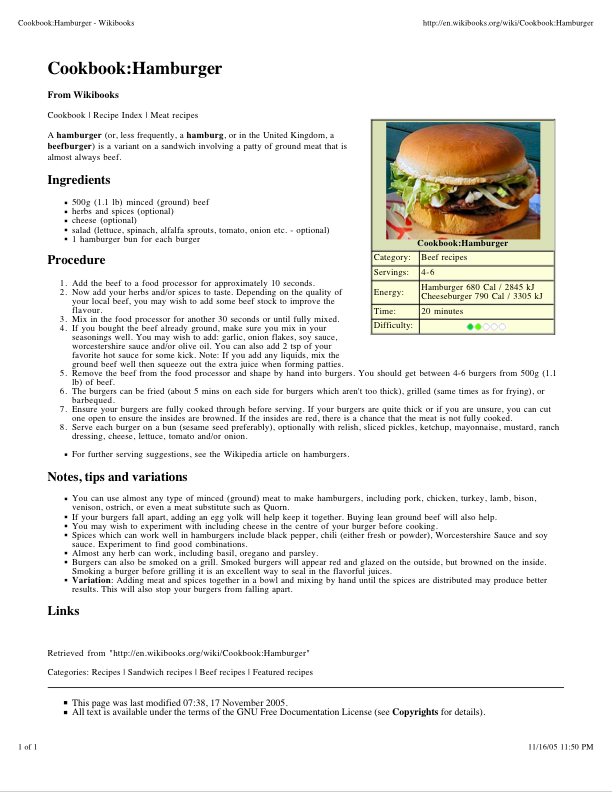
While a narrative tells a story, procedural texts provide step-by-step instructions on how to complete a task. Think of this as highly utilitarian writing. Common examples of procedural texts include recipes, manuals, and science experiment instructions.
The structure here is rigid and entirely predictable, which is exactly what makes it effective:
- The Inventory: Procedural texts typically include a list of required materials or ingredients before the steps begin. You cannot build a birdhouse if you don't know you need a hammer before you start reading step one.
- The Sequence: Procedural texts use sequential organization to guide the reader through a specific process.
- The Command: Procedural writing frequently relies on imperative verbs to give direct commands to the reader. (e.g., Fold the paper. Pour the water. Measure the flour.)
When teaching this, watch for students who revert to narrative habits: "First, I went to the sink and I got water." You must explicitly model the shift to imperative, procedural language: "First, fill the beaker with water."
Persuasive texts aim to convince the reader to adopt a specific opinion or take a specific action. This is where students learn the power of rhetoric.
A successful persuasive text follows a distinct trajectory:
- The Claim: Persuasive writing introduces a clear claim or opinion statement early in the text. The reader must immediately know what is being argued.
- The Support: Persuasive texts require supporting reasons to justify the author's primary opinion.
- The Proof: Effective persuasive writing includes factual evidence to back up the supporting reasons.
- The Anchor: A concluding statement in a persuasive text reinforces the original claim, leaving the reader with a final, resonant thought.
The "Because I Said So" Misconception
Here is a scenario you will see constantly: A student writes a passionate essay about why the school needs a longer recess. Their argument? "Recess is fun. I like playing kickball. We should have more recess."
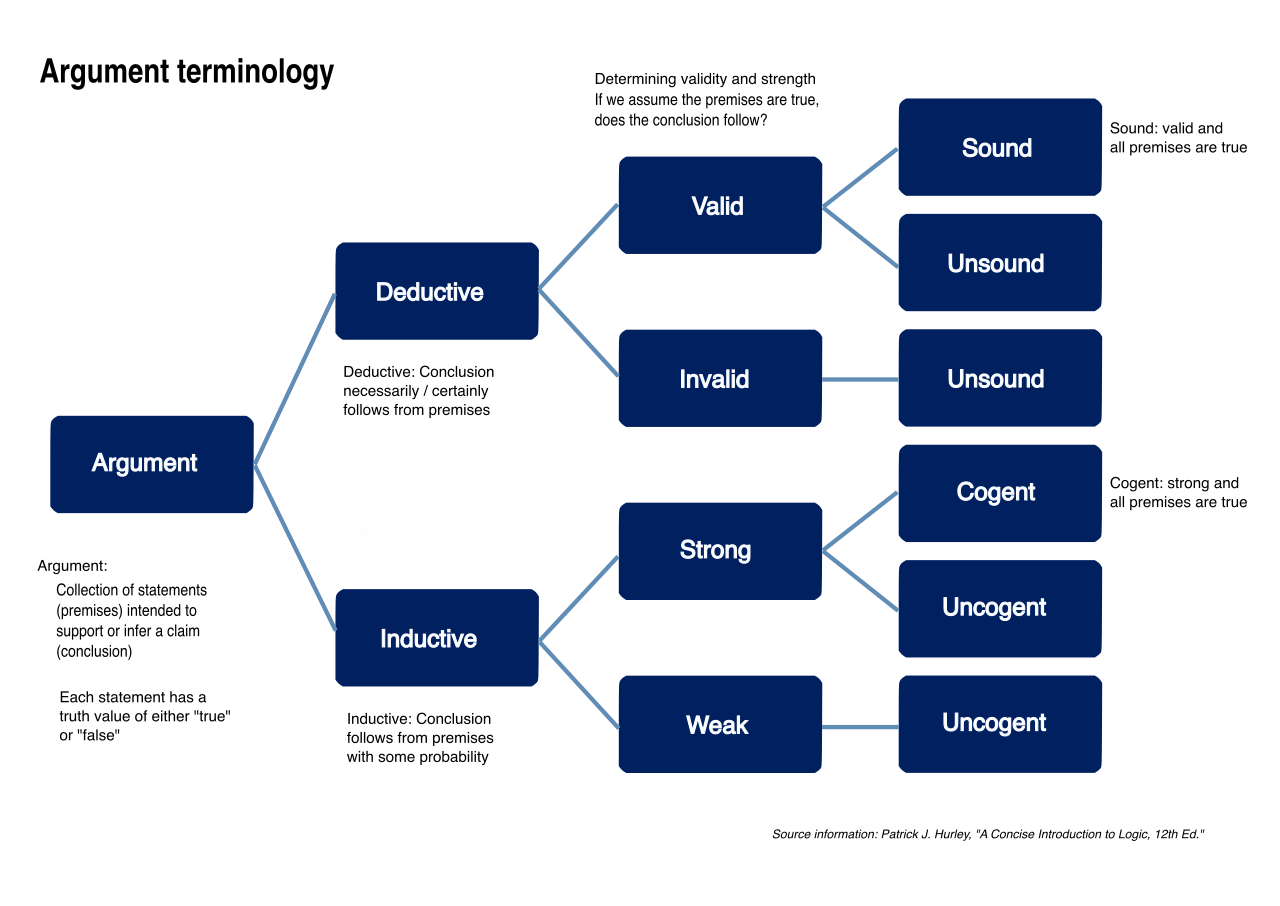
This highlights a common student misconception in persuasive writing: relying entirely on personal opinions instead of incorporating factual evidence. As a teacher, your job is to help them bridge the gap from opinion to substantiated argument. You teach them to research and integrate facts: "Studies show that 20 extra minutes of physical activity improves focus in math class."
Unlike persuasive writing, which has an agenda, expository texts inform, explain, or describe a specific subject to the reader without aiming to persuade. You are a tour guide of information, not a salesperson.
To succeed, an expository piece must be impeccably structured:
- The Introduction: Expository texts must contain a clear introduction that presents the main topic or thesis.
- The Body: Expository writing relies on supporting facts and specific details to elaborate on the main topic.
- The Organization: Expository texts require a logical organization structure to present information clearly to the reader. If facts are thrown onto the page at random, the text becomes a labyrinth.
- The Conclusion: An expository conclusion summarizes the main ideas presented in the body paragraphs.
The "Lost in the Weeds" Misconception
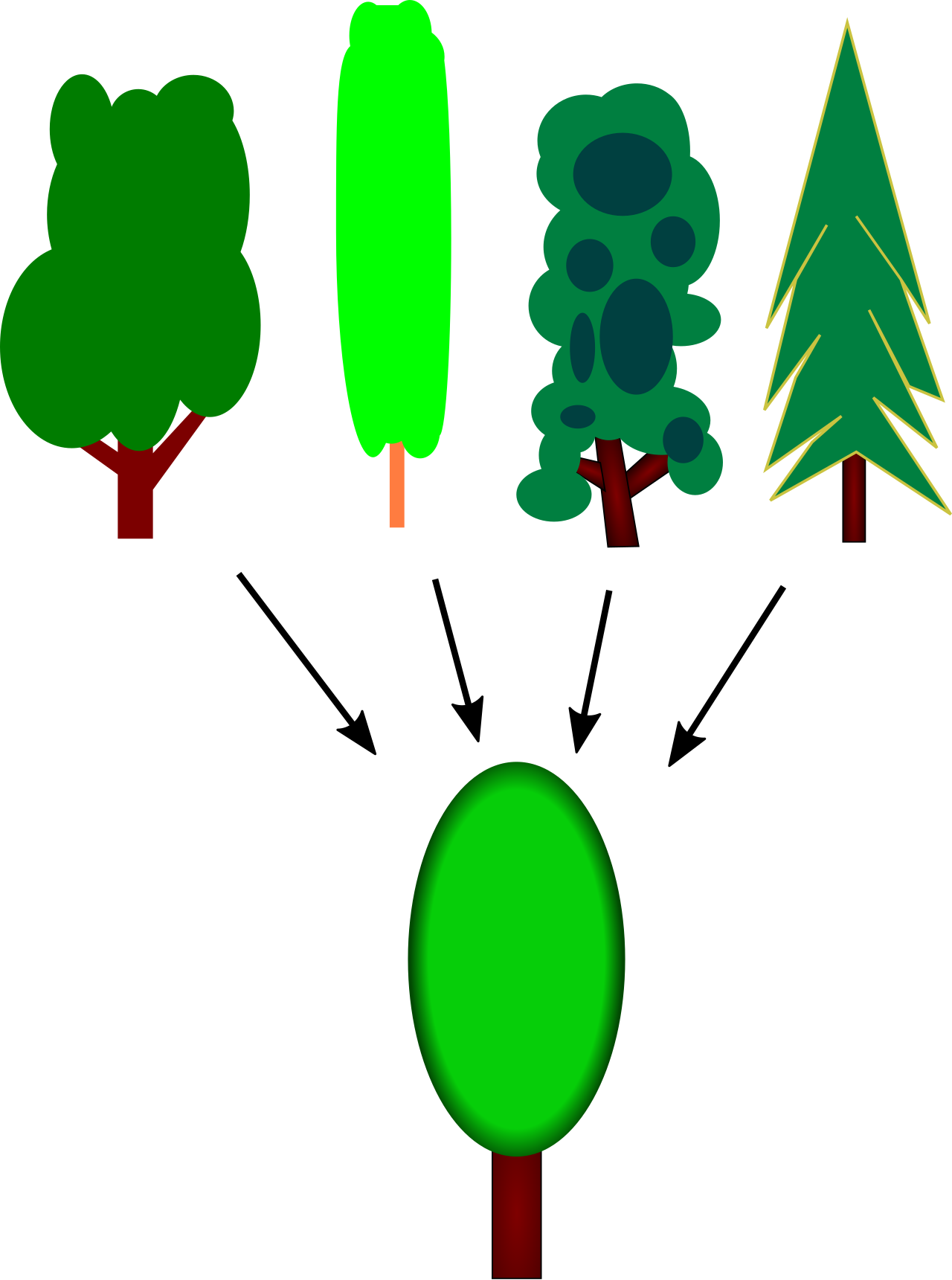
When reading expository texts, elementary students often confuse the overall main idea with a highly specific supporting detail. If they read an article about the life cycle of a frog, and there is one fascinating sentence about how a specific frog freezes solid in winter, the student might incorrectly claim the main idea of the text is "frozen frogs." Explicit instruction is required to help students zoom out and see the overarching framework, distinguishing the umbrella (main idea) from the raindrops (supporting facts).
Common Expository Text Structures
Information shapes itself to fit its purpose. Common expository text structures include description, sequence, compare and contrast, cause and effect, and problem and solution.
| Structure Type | Function | Pedagogical Note |
|---|---|---|
| Description | A descriptive text structure details the characteristics, features, and examples of a specific topic. | Often uses a web or cluster map. |
| Sequence | Chronological order of events or steps. | Crucial for history or scientific processes. |
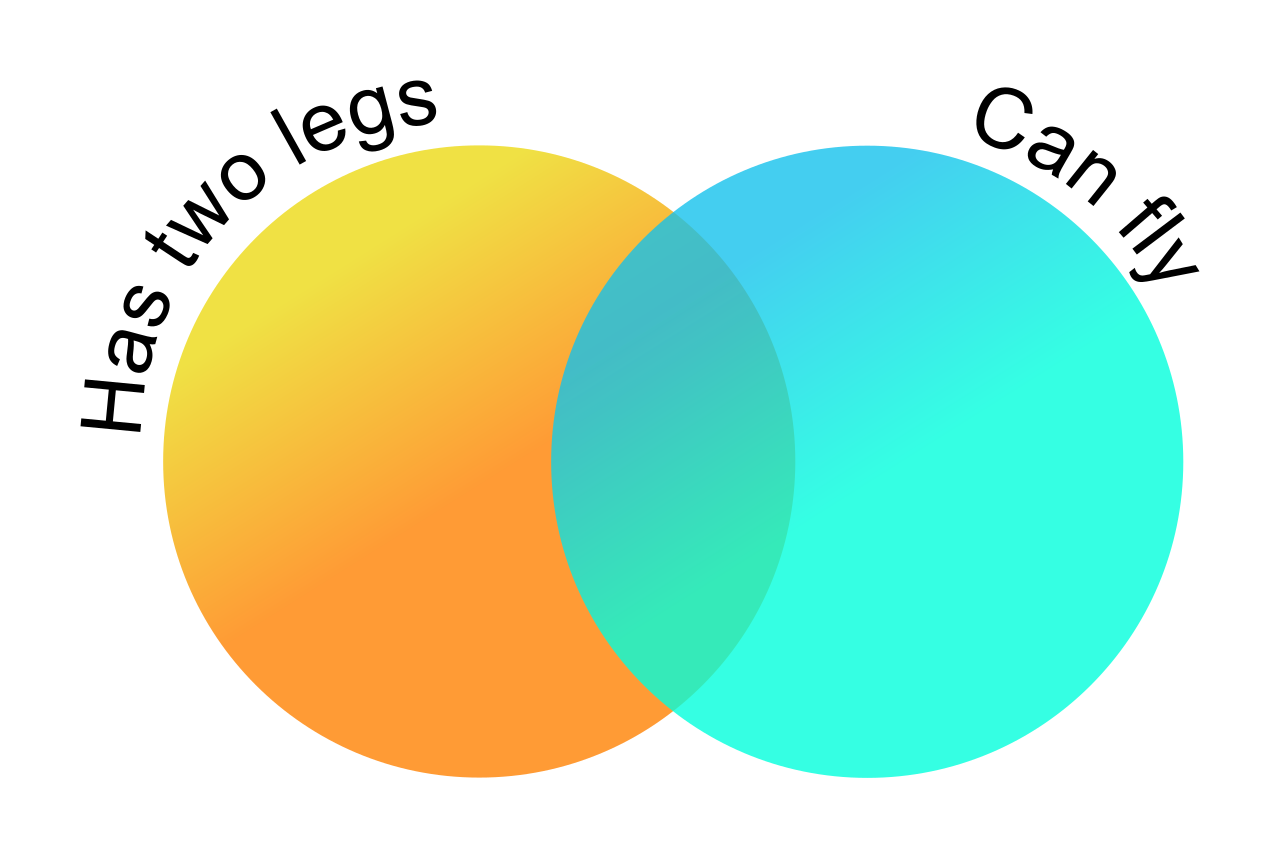
| Compare & Contrast | Highlights the similarities and differences between two or more subjects. | Graphic organizers like Venn diagrams specifically support students in planning compare and contrast expository writing. |
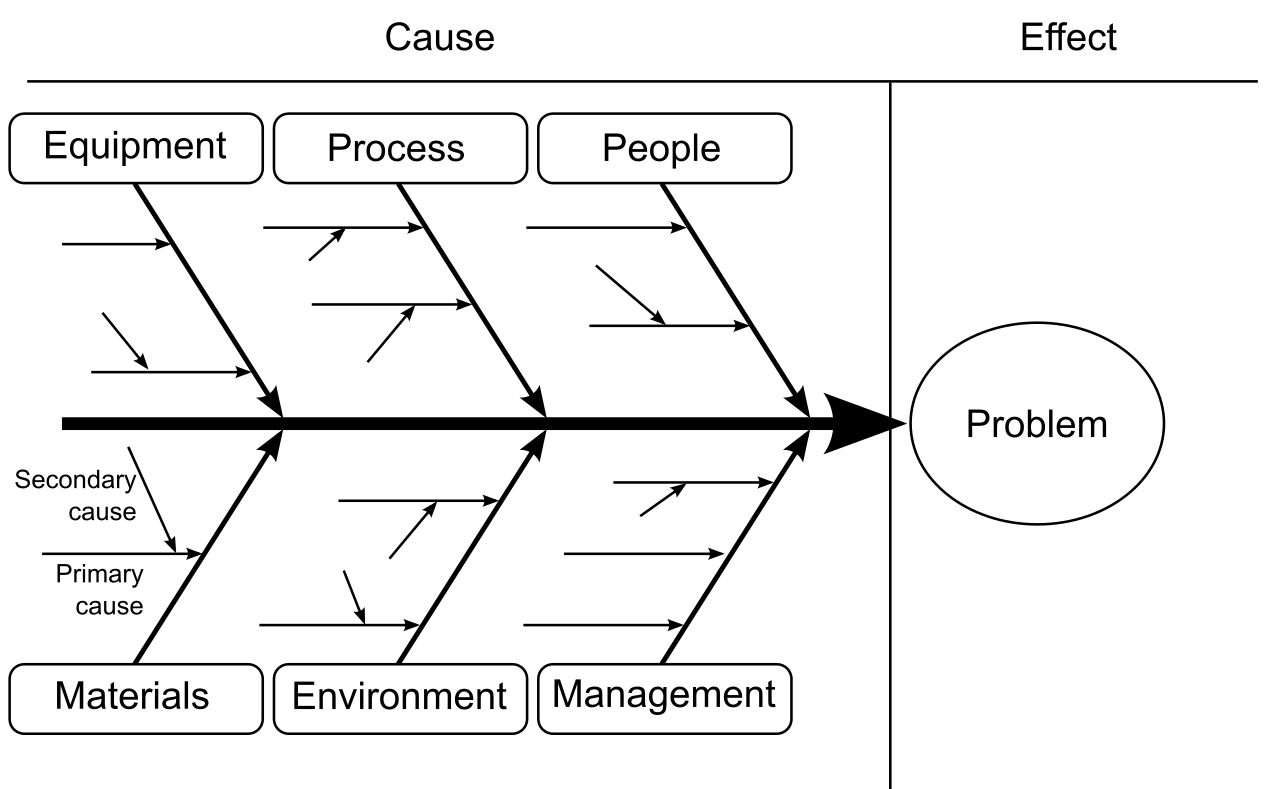
| Cause & Effect | Explains why an event happened and outlines the resulting consequences. | Highly prevalent in social studies and science reading. |
| Problem & Solution | Identifies an issue and proposes one or more ways to resolve that issue. | Helps students think critically about real-world scenarios. |
If text structures are the bones of writing, transitional words are the ligaments and tendons. Transitional words and phrases establish logical connections between sentences, paragraphs, and sections of a text. Without them, writing is jerky, disjointed, and profoundly difficult to read.
Because different genres rely on different logical relationships, they require entirely different sets of transitional words:
1. Sequential Transitions
- Examples: First, next, then, and finally.
- Function in Narrative: Sequential transitional words are essential for clarifying event order in narrative texts.
- Function in Procedural: Sequential transitional words are necessary to indicate the order of steps in procedural texts.
2. Additive Transitions
- Examples: Furthermore, additionally, and moreover.
- Function in Expository: Additive transitional words help writers smoothly introduce new supporting facts in expository texts. It tells the reader, "Keep your current thought, I am simply adding weight to it."
3. Contrast-focused Transitions
- Examples: However, conversely, and on the other hand.
- Function in Expository: Contrast-focused transitional words signal shifts or differences in compare and contrast expository text structures. It tells the reader, "Prepare to shift gears; I am introducing an opposing idea."
4. Causal Transitions
- Examples: Therefore, consequently, and as a result.
- Function in Expository: Causal transitional words clarify the relationships between events in cause and effect expository texts.
The Misapplication of Logic
Transitions are not just decorative; they are functional logic operators. Therefore, early writers often misuse transition words by selecting terms that do not match the logical relationship between two sentences. For example, a student might write: "Frogs are amphibians. However, they lay eggs in the water." The word however implies a contradiction, but laying eggs in water is consistent with being an amphibian. The student grabbed a fancy-sounding word from a word wall without understanding the logic it imposes.
Pedagogical Intervention: How do we teach students the nuances of these genres and their corresponding transitions? We do not just hand them a rulebook. Teachers use mentor texts to explicitly model specific genre elements and transitional phrases for student writing. By analyzing real, published texts together, teachers show students the inner workings of an expert's intellectual architecture—equipping them to go build their own.