Production of Written Texts
Not sure you’re ready?
Take the ~3-minute readiness diagnostic and see where you stand.
Writing is fundamentally an act of translation. It is the arduous process of converting abstract, multidimensional thought into linear, structured symbols on a page. For an expert, this translation happens so rapidly that the mechanics become invisible. But for an elementary student, producing a written text is a massive cognitive undertaking. They are simultaneously trying to generate ideas, organize logic, remember the direction of the letter "d," and apply the rules of phonics to spell "because." If we demand that they execute all of these operations simultaneously, their cognitive capacity overloads.
Understanding the production of written texts is about understanding how to deconstruct this overwhelming cognitive load. By dissecting writing into discrete, manageable stages and matching the text to clear purposes, we allow students to master the art of translation step by step. As an elementary educator, your role is not merely to assign writing, but to demystify the invisible architecture of how good writing is actually built.
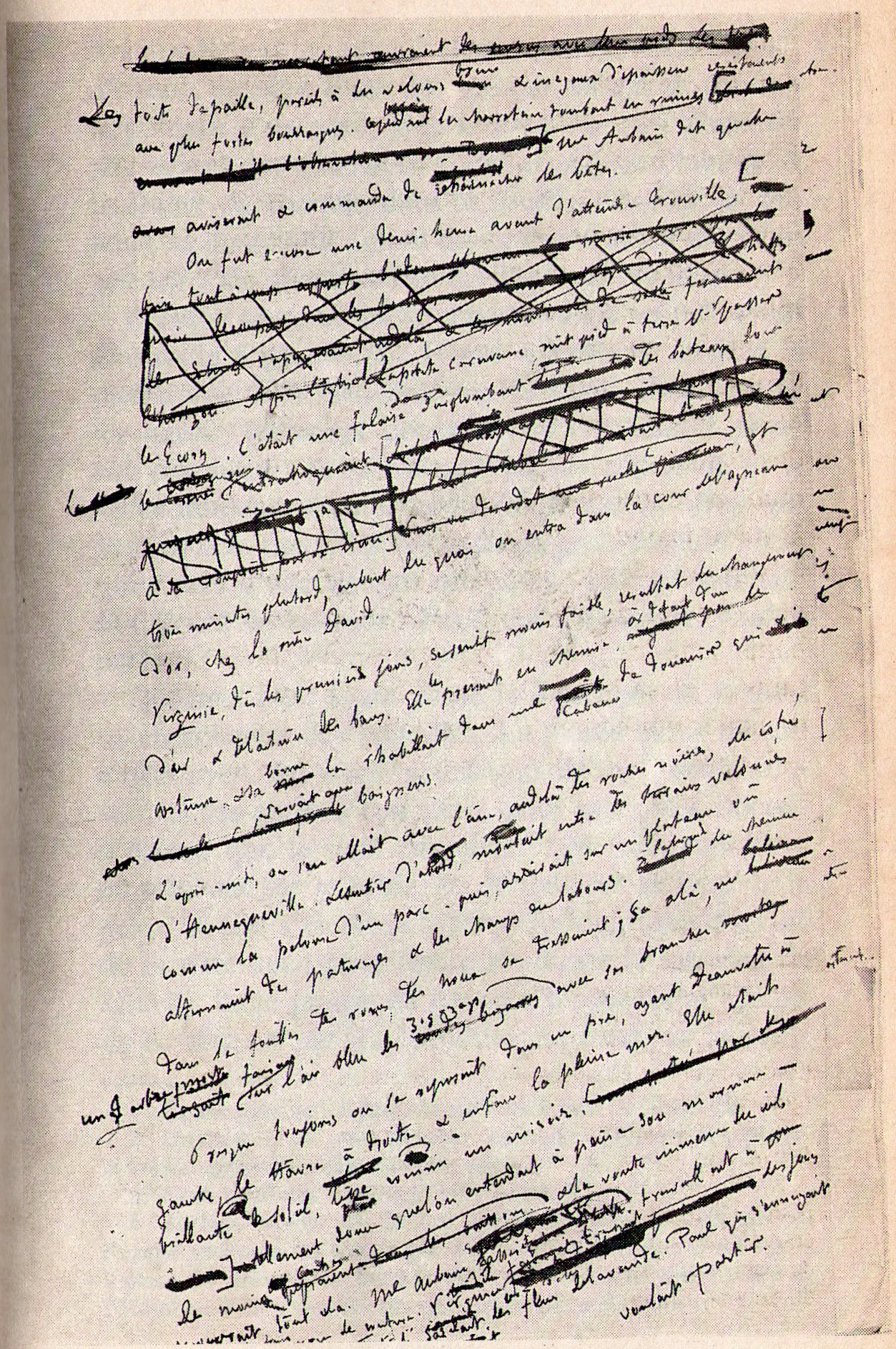
Historically, writing was taught as a rigid assembly line: you plan, you write, you fix it, you are done. But genuine writing does not operate on an assembly line. The writing process is recursive rather than strictly linear.
The Recursive Nature of Writing As writers work, they do not simply march forward. Writers frequently return to earlier stages of the writing process to refine their work. A student drafting a story might realize a plot hole and return to the prewriting stage to map out a new sequence of events.
While students will constantly loop back and forth, we teach the standard stages of the writing process, which include prewriting, drafting, revising, editing, and publishing. Breaking the process down in this way creates a reliable framework for novice writers to rely upon when they feel stuck.
1. Prewriting: Mapping the Terrain
Before a single paragraph is formed, the writer must map the terrain. The prewriting stage involves generating ideas before composing full sentences or paragraphs. Asking a young student to simply "start writing" is like asking someone to build a house without a blueprint.
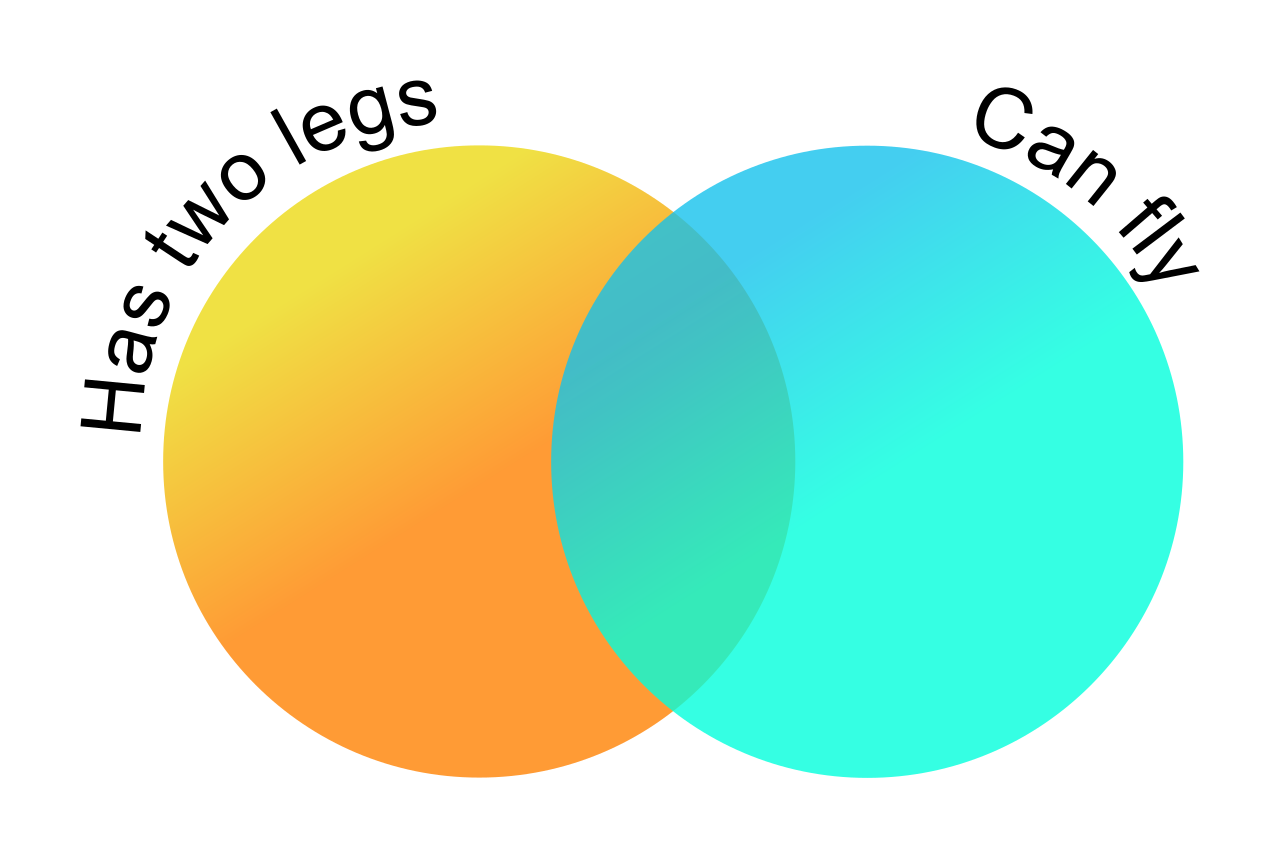
During this stage, educators help students wrangle their thoughts. Teachers use graphic organizers during prewriting to help students structure their ideas visually. Whether it is a Venn diagram for a comparison or a web map for a character study, these tools offload the mental burden of holding every idea in working memory.
Prewriting is also the stage where the writer anchors their work to an audience. Determining the target audience during prewriting guides a writer's subsequent vocabulary choices and influences the overall tone of the final text. If a student is writing a letter to the principal asking for a longer recess, the prewriting stage is where they realize their tone must be formal and respectful, rather than casual.
2. Drafting: The Flow of Ideas
Once the blueprint exists, construction begins. The drafting stage focuses on translating ideas into continuous text.
Here lies a critical pedagogical rule: Drafting prioritizes content generation over grammatical perfection. When a student is drafting, their cognitive energy must be entirely devoted to getting the story or the argument onto the page. Emphasizing perfect spelling during the drafting stage interrupts a student's flow of ideas. If a student stops mid-sentence to worry about whether "receive" has the i before the e, they will likely forget the brilliant thought they were trying to express.
3. Revising vs. Editing: The Great Misconception
Perhaps the most common, deeply ingrained misconception you will face is this: Elementary students often incorrectly equate revising a draft with correcting spelling errors. They believe that fixing a few misplaced commas means they have "revised" their work. You must actively dismantle this belief.
Revising involves making structural and content changes to improve the clarity of a written text. It is about the ideas. Examples of revision strategies include:
- Adding descriptive details to a narrative draft to make a scene more vivid.
- Deleting off-topic sentences from a paragraph to maintain focus.
- Reordering paragraphs to improve logical flow.
In stark contrast, editing focuses exclusively on correcting errors in spelling, capitalization, punctuation, and grammar. Editing is the final polish applied only after the structural architecture (the revision) is sound.
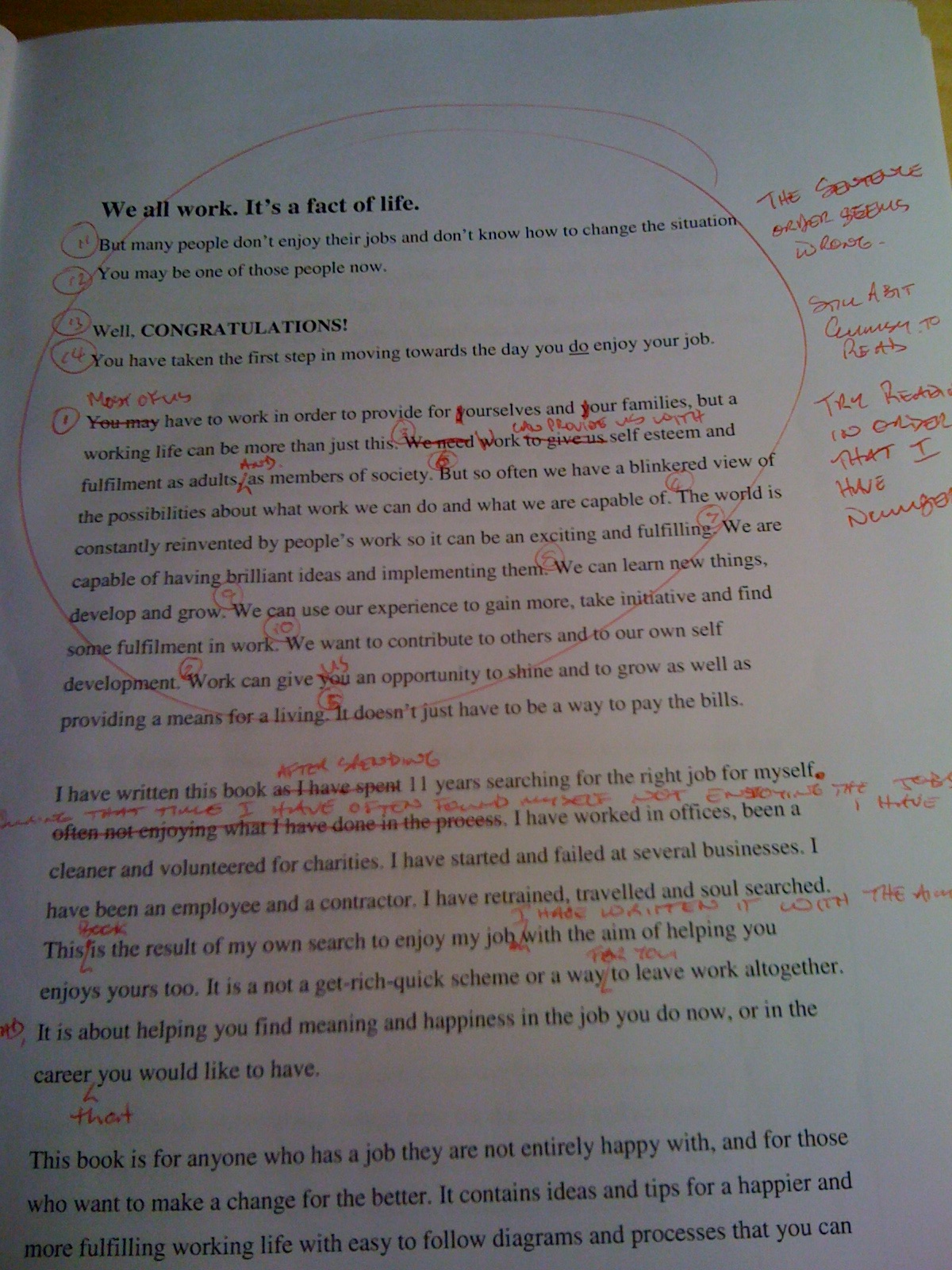
| Feature | Revising | Editing |
|---|---|---|
| Focus | Ideas, organization, clarity, flow | Mechanics, conventions, spelling, grammar |
| Scope | Macro-level (paragraphs, whole text) | Micro-level (individual words, punctuation) |
| Action | Adding, deleting, moving, substituting | Correcting, capitalizing, punctuating |
4. Publishing and the Power of Audience
The final stage is where the text meets the world. Publishing involves formatting a final written piece to share with an intended audience. But a text doesn't only meet an audience at the very end.
Throughout the process, peer review provides students with an authentic audience to provide constructive feedback on drafts. When a student knows their peer is going to read their work, they care far more about clarity than if the text is destined only for the teacher's grading pile.
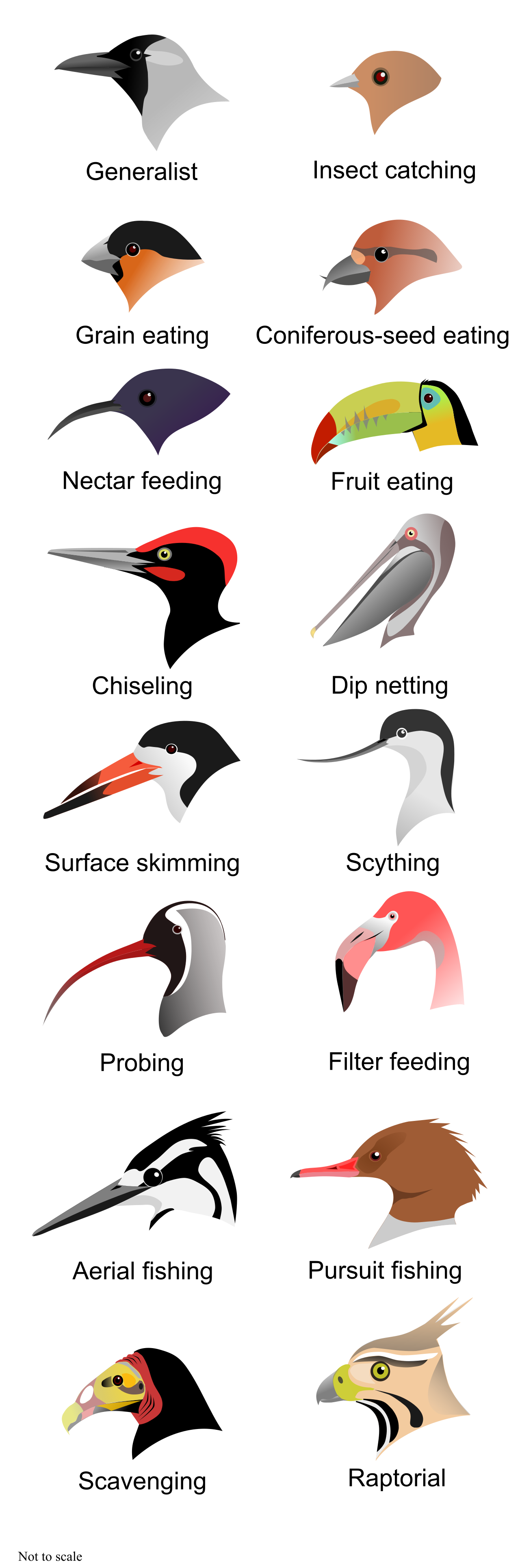
In biology, the shape of a bird's beak is dictated by what it needs to eat. In literacy, the structure of a text is dictated by what it needs to achieve. The primary purpose of a text dictates the genre and structure of the writing.
The three primary purposes for elementary school writing tasks are to persuade, to inform, and to entertain. (Often taught to students using the acronym PIE).
- Persuade: Persuasive writing requires the clear articulation of claims supported by relevant evidence. The structure must be inherently logical, moving from a thesis to supporting arguments.
- Inform: Informational writing requires the objective presentation of facts and explanations. It relies on structures like cause-and-effect, chronological order, or compare-and-contrast.
- Entertain: Narrative writing utilizes story elements like character development and plot progression. The structure relies on rising action, climax, and resolution.
A skilled writer knows that fulfilling these purposes requires deep audience awareness. Adapting writing style to an audience requires adjusting sentence complexity based on the reader's presumed background knowledge. If a fifth-grader is writing an informational text about photosynthesis for a first-grade buddy, they must use shorter, simpler sentences and decode complex vocabulary. If they are writing for their teacher, they can use compound-complex sentences and domain-specific terminology.
As a teacher, you will assign writing tasks that operate on entirely different time scales. Understanding what each time scale demands of the student allows you to assess them accurately.
The Sprint: First-Draft and On-Demand Writing
Sometimes, the goal is to measure a student's immediate recall and compositional fluency.
- First-draft writing assesses a student's ability to quickly organize and articulate ideas without the benefit of extensive revision. It reveals the student's baseline ability to translate thought into text.
- On-demand writing requires students to plan, draft, and finalize a text within a single, restricted time frame. Standardized state assessments are classic examples of on-demand writing. It forces students to internalize and independently manage the writing process quickly.

The Marathon: Extended Writing
Conversely, extended writing tasks occur over multiple class sessions or weeks. Because time is not a constraining factor, the pedagogical goals shift entirely. Extended writing tasks allow for deep topic research, extensive peer review, and multiple draft iterations. This is where students learn the stamina required to take a piece of writing from a rough, unformed idea into a highly polished, published masterpiece.
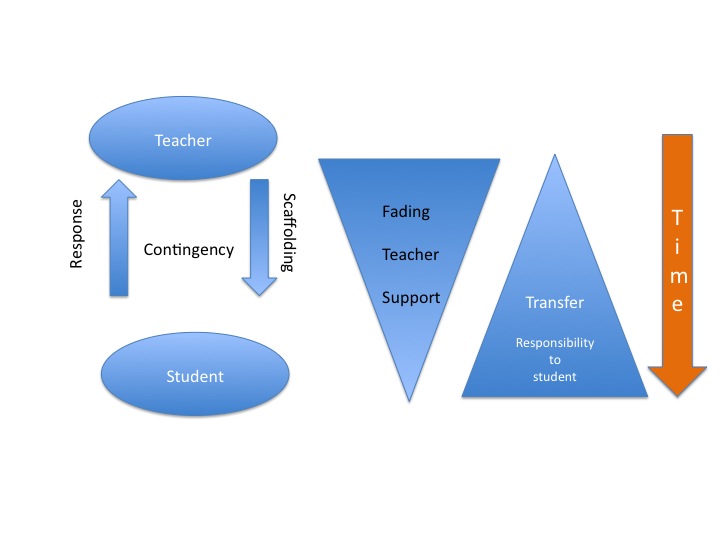
You cannot simply tell an eight-year-old to "write a persuasive essay" and expect success. You must scaffold the cognitive load using highly specific, targeted instructional strategies.
Setting the Target
Before the pen even touches the paper, students must know what "good" looks like.
- Mentor texts serve as published examples for students to emulate specific writing styles, tones, or structures. If you want students to write a story with vivid sensory details, you read a beautifully descriptive picture book first. You dissect how the author did it.
- Furthermore, scoring rubrics provide students with explicit quality expectations for a writing task before the drafting stage begins. A rubric removes the mystery of grading and provides a checklist for student self-regulation.
Modeling the Process
To teach writing, you must make the invisible visible.
- Teachers use think-aloud strategies to verbally model their internal decision-making during the writing process. As you write on the board, you speak your thoughts: "I want to say the dog ran fast, but 'fast' is boring. What's a better verb? Maybe 'sprinted' or 'bolted.' Yes, 'bolted' makes it sound urgent!"
Collaborative Construction
When students are ready to try, but not quite ready for independence, we share the cognitive load. Note the precise distinction between these two highly-tested pedagogical terms:
- Shared writing involves the teacher acting as the sole scribe while students contribute ideas aloud. The teacher holds the pen. This frees the students entirely from the burden of spelling and handwriting, allowing 100% of their cognitive capacity to focus on composing rich ideas and vocabulary.
- Interactive writing involves the teacher and students physically sharing the pen to compose a text together. A student might come to the board to write the first letter of a sentence, or spell a high-frequency word, while the teacher fills in the complex gaps. This builds transcription skills in a highly supported environment.
Targeted Feedback
Finally, as students transition to independent drafting, whole-class instruction becomes insufficient. Writing is highly idiosyncratic; every student struggles with something different. Writing conferences provide individualized, targeted teacher feedback to a student on a specific piece of writing. In a five-minute conference, you sit beside a student, read their draft together, identify one specific area for growth (e.g., adding a transition word), and send them back to revise.
By mastering these pedagogical tools, you transition from being a mere editor of student papers to an architect of student thinking, giving them the framework they need to confidently translate their minds onto the page.