Nineteenth Century Expansion and Conflict
Not sure you’re ready?
Take the ~3-minute readiness diagnostic and see where you stand.
To understand nineteenth-century America is to study a machine accelerating uncontrollably in two opposite directions. On one hand, the United States was executing a breathtaking expansion of physical territory and technological innovation, rewriting the boundaries of what a young republic could achieve. On the other, it was deepening its reliance on the brutal institution of slavery, writing checks against human freedom that would eventually have to be paid in blood. For the elementary educator, teaching this era is not merely a matter of memorizing dates on a timeline. It requires guiding young minds through a complex web of geography, economics, and profound moral contradictions. You are not just teaching what happened; you are teaching how technological leaps fundamentally alter human geography, and how the physical expansion of a nation forces its deepest ideological flaws to the surface.
To teach territorial growth effectively, we must first uncouple the physical land acquisition from the philosophical justifications that drove it.
The physical expansion of the United States began in earnest when the United States purchased the Louisiana Territory from France in 1803. This transaction, the Louisiana Purchase, instantaneously doubled the physical landmass of the United States, moving the nation's western boundary to the Rocky Mountains. To comprehend what they had just bought, President Thomas Jefferson commissioned the Lewis and Clark expedition. From 1804 to 1806, the Lewis and Clark expedition explored the newly acquired Louisiana Territory and the Pacific Northwest, seeking navigable waterways and cataloging the continent's geography. Their survival and success relied heavily on Sacagawea, who served as a guide and interpreter for the Lewis and Clark expedition.
But why did the nation continue pushing outward? This is where the ideology comes in. Westward expansion was heavily driven by the ideology of Manifest Destiny.
Instructional Focus: Abstract vs. Physical Elementary students often struggle to differentiate between the abstract ideological concept of Manifest Destiny and the physical actions of westward migration. You must separate the idea from the action.
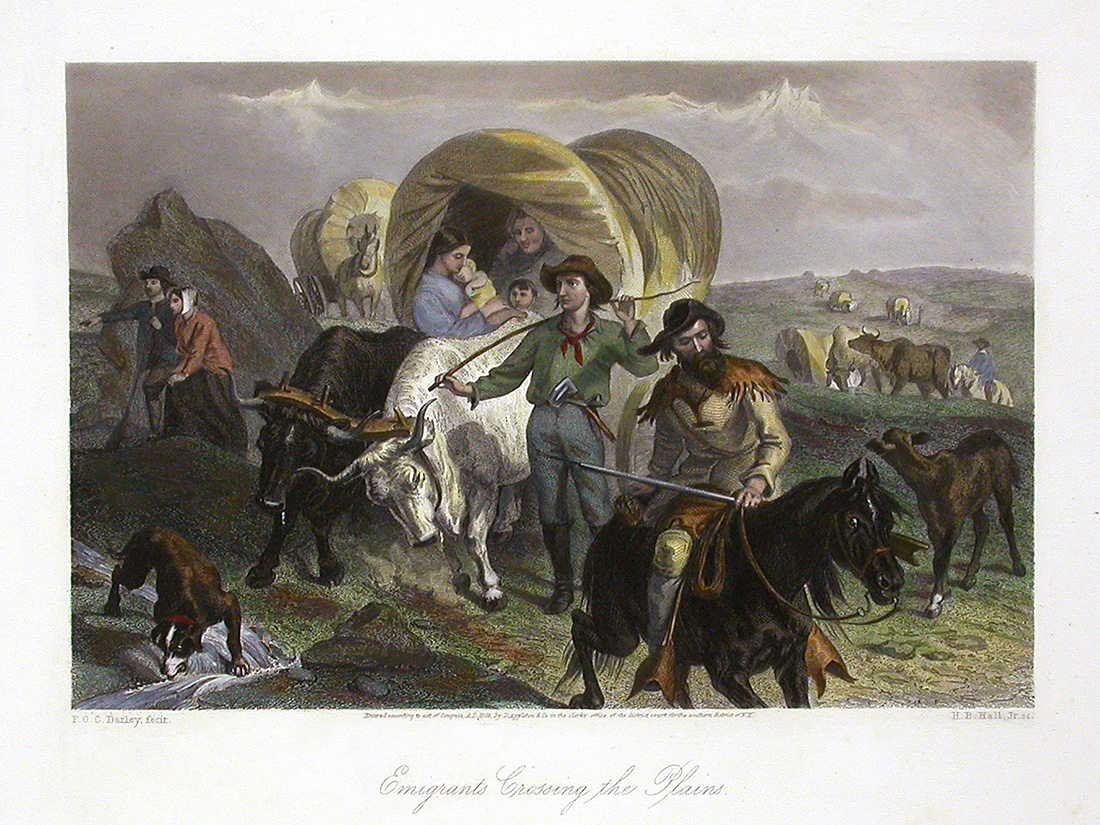
Manifest Destiny is the 19th-century belief that the United States was destined by God to expand its democratic institutions across the North American continent. This is the "why" (the ideology). The pioneers packing their wagons and walking to Oregon is the "how" (the physical migration).
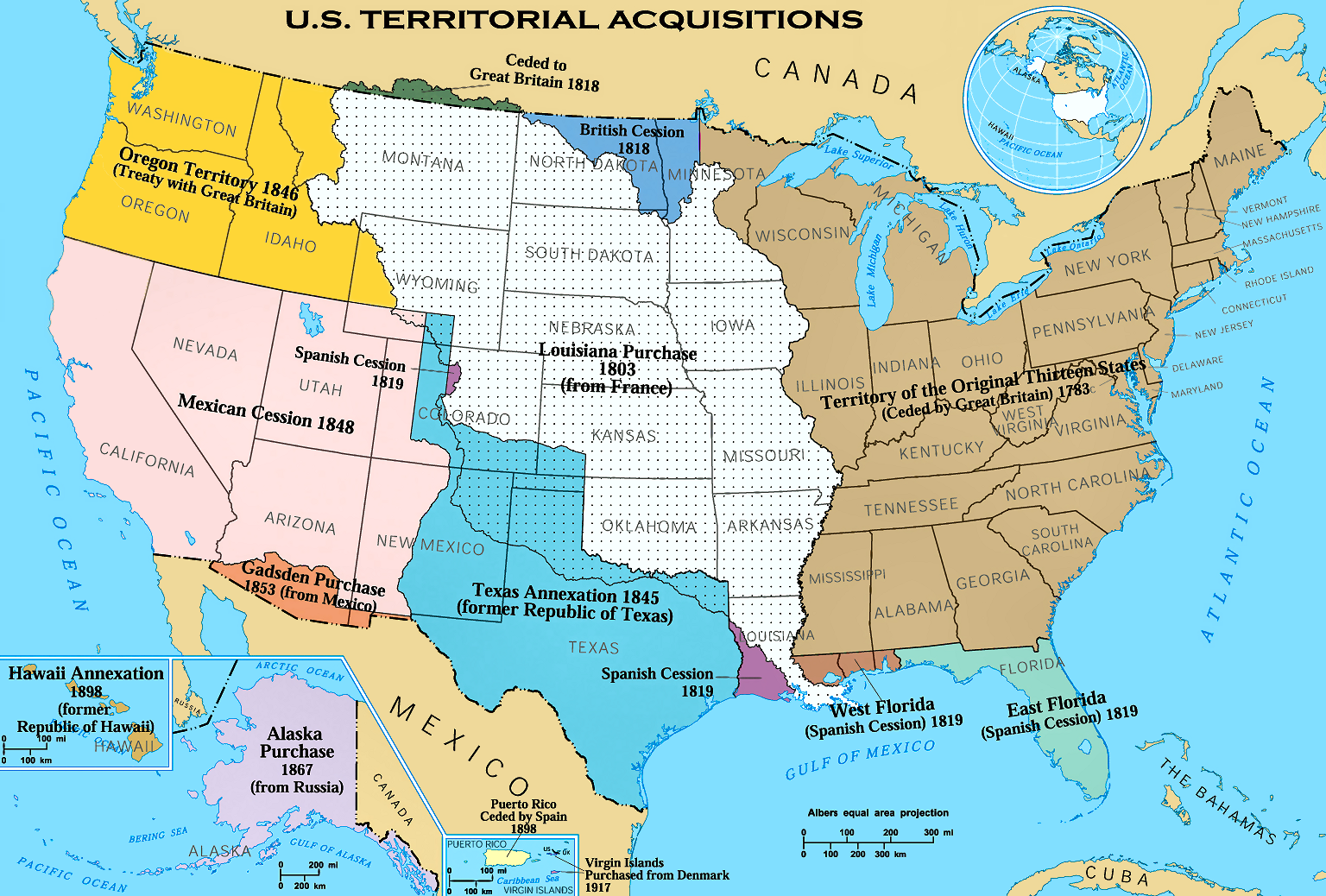
To help students grasp the sheer scale and timeline of this movement, historical maps are essential instructional tools for helping elementary students visualize the chronological territorial growth of the United States. Through maps, students can trace how the map rapidly filled in over just a few decades:
- The United States formally annexed the Republic of Texas in 1845.
- The Oregon Treaty of 1846 established the formal boundary between the United States and British North America at the 49th parallel.
- Following the Mexican-American War, the Treaty of Guadalupe Hidalgo officially ended the Mexican-American War in 1848. This treaty dramatically reshaped the continent, resulting in the United States acquiring the territories that became California, Nevada, Utah, and parts of four other modern states.
- Simultaneously, the California Gold Rush began when gold was discovered at Sutter's Mill in 1848. This single economic spark caused a massive and rapid migration of prospectors and settlers to the western United States, shifting the nation's demographic center of gravity westward overnight.
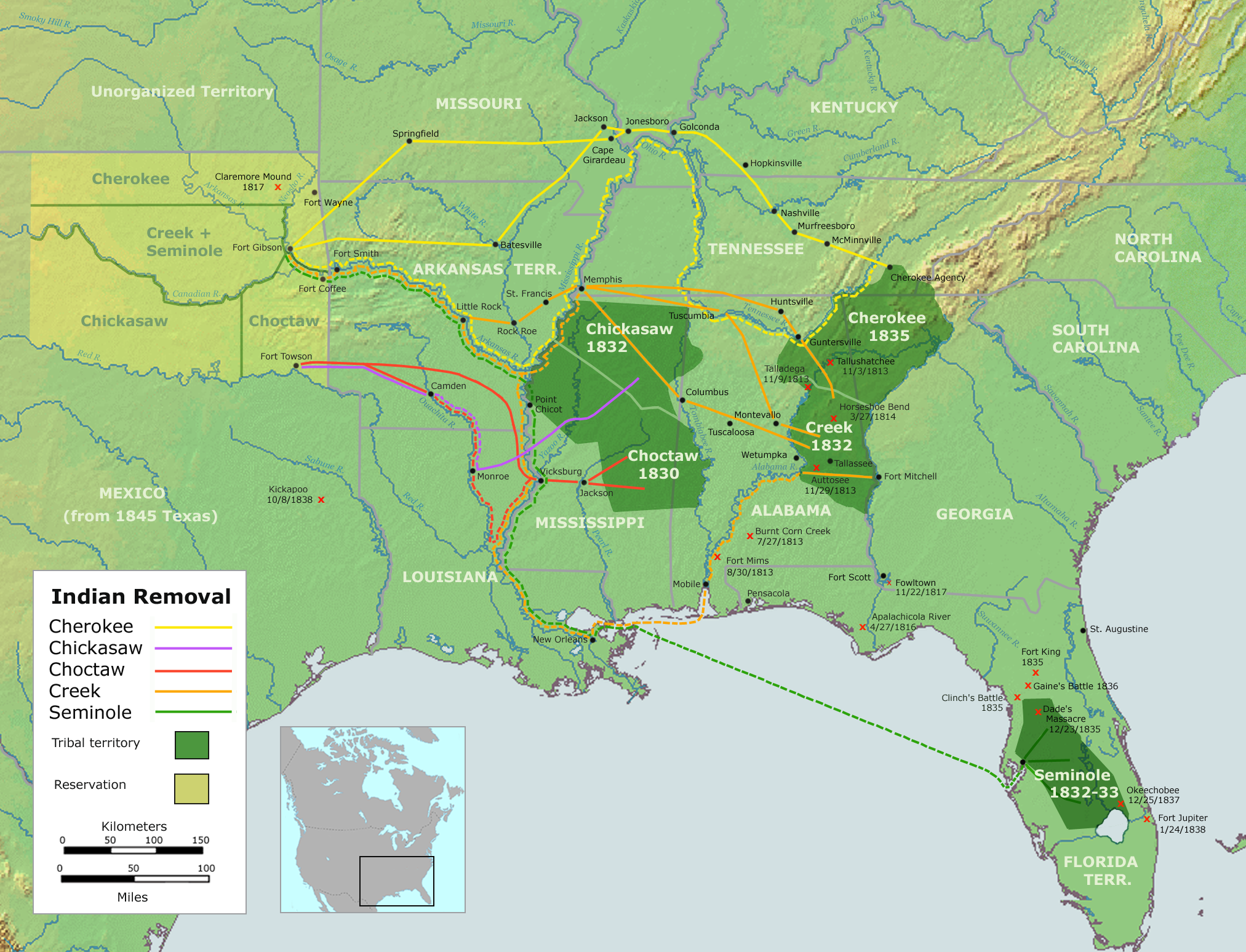
Expansion is never a victimless process. As the border moved West, the original inhabitants of the continent were violently pushed out. Teaching westward expansion requires explicitly addressing the perspective and experiences of Native American nations to prevent a one-sided historical narrative.
The reality is that Westward expansion directly led to the systematic displacement and forced relocation of Native American populations. This was not accidental; it was federal policy. The Indian Removal Act of 1830 authorized the federal government to force Native American tribes to relocate to lands west of the Mississippi River. This legal framework set the stage for one of the nation's greatest tragedies: The Trail of Tears, which was the forced, lethal relocation of the Cherokee Nation to Indian Territory in 1838. When teaching this, we must ensure students understand that the land acquired for white settlement was not "empty wilderness"—it was emptied by force.
To understand the inevitable clash over slavery, we must look at the foundation of the country. The presence of enslaved people in North America predated the nation itself; the first enslaved Africans were brought to the English colony of Virginia in 1619.
By the time the nation was founded, slavery was deeply entrenched. A critical concept for students to grasp is that the Constitution did not ignore slavery—it codified it. The original text of the United States Constitution contained specific clauses that protected the institution of slavery.
- The Three-Fifths Compromise in the United States Constitution counted each enslaved person as three-fifths of a free individual for the purpose of congressional representation and taxation. This gave southern states disproportionate political power.
- The Fugitive Slave Clause in the United States Constitution required states to return escaped enslaved people to their legal owners, effectively turning the entire country, including free states, into an enforcement zone for slavery.
- Furthermore, the United States Constitution prohibited Congress from banning the importation of enslaved persons until the year 1808.
As the map grew, so did the crisis. The territorial expansion of the United States intensified political conflicts over whether slavery would be allowed in newly organized western territories. Every time a new territory petitioned for statehood, the delicate balance of power in Congress was threatened. Congress attempted to patch this leaking ship with legislation, such as when the Missouri Compromise of 1820 prohibited slavery in the unorganized territory of the Great Plains north of the 36°30′ parallel. But lines on a map could not resolve a fundamental economic and moral divide.
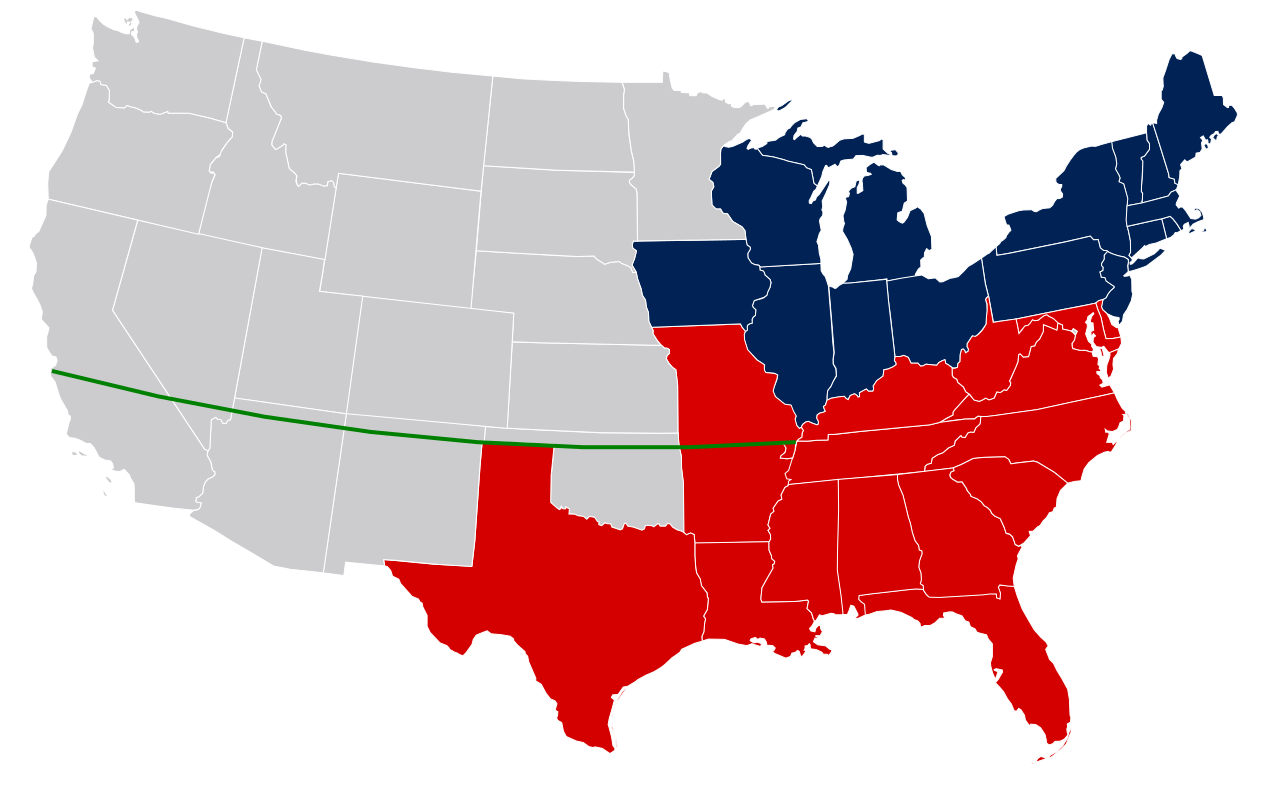
Why did the North and South diverge so sharply? The answer lies in geography, technology, and labor.
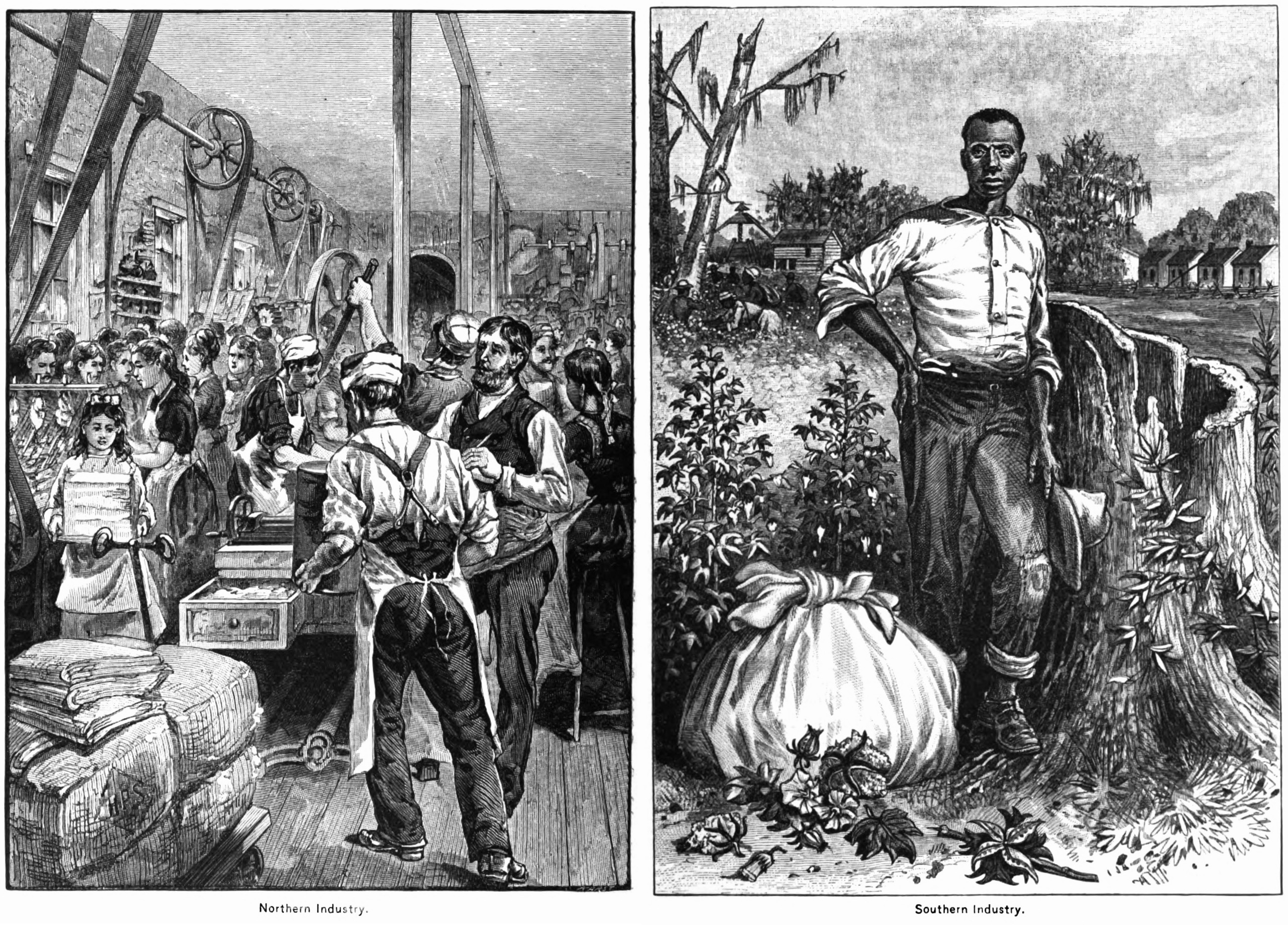
The Southern United States economy became overwhelmingly dependent on enslaved labor for large-scale agricultural production. Conversely, the Northern United States economy developed a reliance on industrial manufacturing and wage labor rather than enslaved labor.
Addressing the Monolith Misconception Elementary students frequently hold the misconception that all Northerners opposed slavery and all Southerners owned enslaved people before the Civil War. Pedagogical strategy: Nuance is your friend here. Explain that the Northern textile mills deeply relied on cheap Southern cotton (making Northern merchants complicit in the slave economy), and point out that the majority of white Southerners were poor farmers who did not own enslaved people, though the societal and political power was entirely controlled by the wealthy planter class.
The Invention that Accelerated Human Bondage
If there is one technological innovation that perfectly illustrates the law of unintended consequences, it is Eli Whitney's invention. Eli Whitney invented the mechanical cotton gin in 1793. Before this machine, separating cotton fibers from their seeds was a painfully slow, manual process. The cotton gin quickly and mechanically separated cotton fibers from their sticky seeds.
Crucial Misconception Check: The Cotton Gin Elementary students often hold the misconception that the invention of the cotton gin decreased the need for enslaved labor, rather than increasing it. Why this happens: Children logically assume that if a machine does the work of humans, fewer humans are needed. How to fix it: Use the analogy of a bottleneck in a factory. The gin only sped up the processing of cotton. Because the invention of the cotton gin significantly increased the profitability of cotton farming in the southern United States, planters suddenly wanted to plant infinitely more cotton. But cotton still had to be planted and picked by hand. Therefore, the increased profitability of short-staple cotton led to a dramatic expansion of the institution of slavery across the Deep South. A machine designed to save labor ultimately sentenced hundreds of thousands more humans to lifetimes of forced labor.

While the South doubled down on an agrarian slave economy, the North and Midwest were physically wiring themselves together through an explosion of transportation and communication technology.
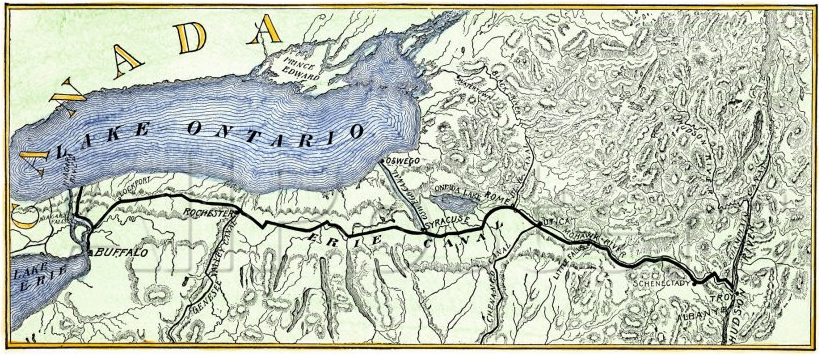
Rivers and Canals: Water was the original highway, but it only flowed one way. That changed when Robert Fulton developed the first commercially successful steamboat in 1807. Steamboats revolutionized river travel by allowing for efficient two-way transportation of goods and passengers against strong river currents. Where rivers didn't exist, Americans dug them. The Erie Canal was officially completed and opened for navigation in 1825. By physically trenching a waterway that connected the Great Lakes to the Atlantic Ocean via the Hudson River in New York, the economic geography of the nation shifted. Canals dramatically reduced both the cost and time required to transport agricultural goods from the Midwest to the East Coast.
Railroads and Telegraphs: Canals freeze in the winter. The next leap forward solved this. The construction of railroads expanded rapidly across the northern and midwestern United States in the decades immediately preceding the Civil War. Railroads provided a fast, reliable mode of year-round land transportation that was not constrained by the location of natural waterways. Information began to travel faster than humans. Samuel Morse developed the commercial electrical telegraph system in the 1830s. The telegraph revolutionized communication by allowing messages to be transmitted almost instantly over long distances via electrical wires.
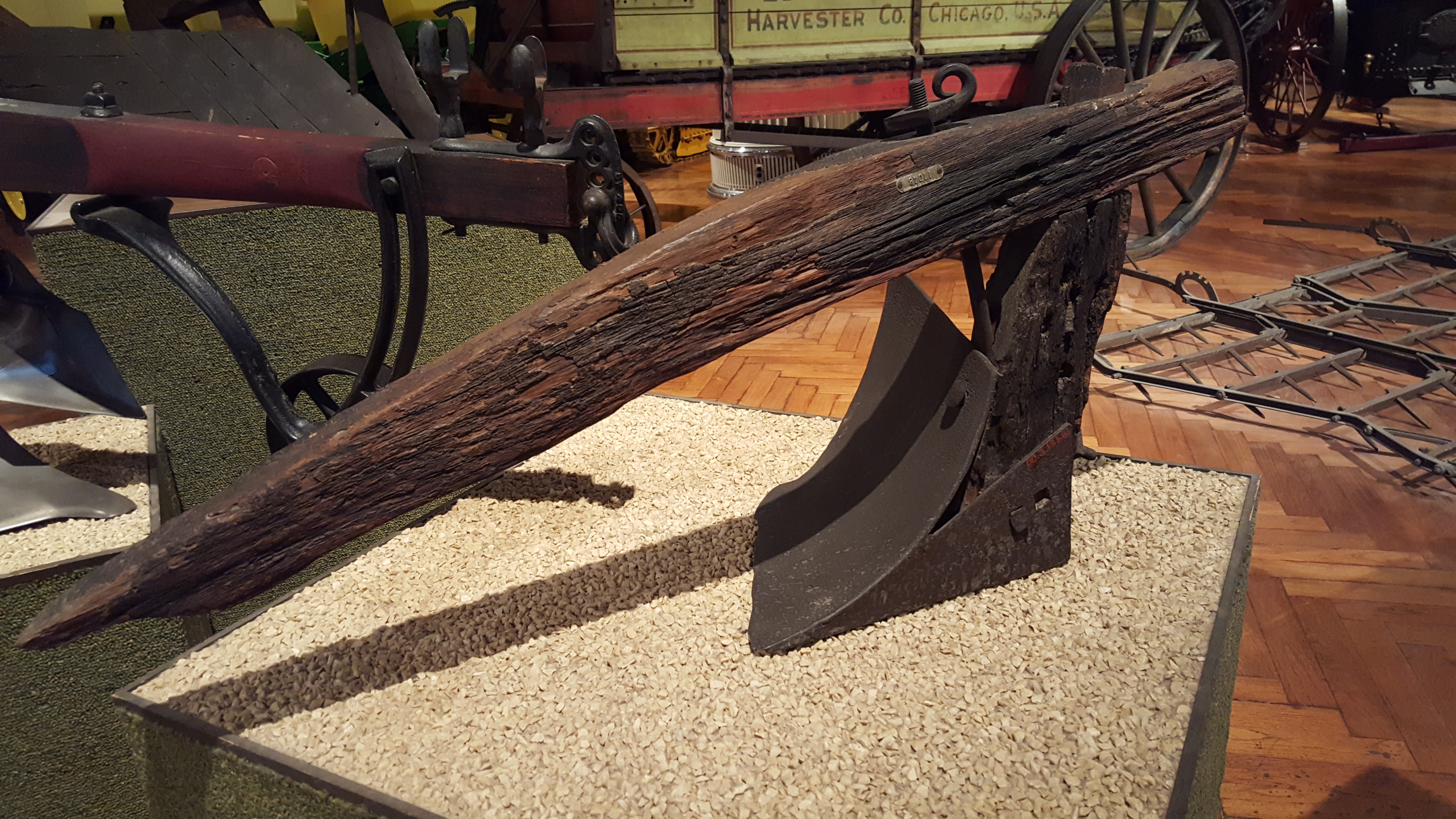
Conquering the Prairie Soil: As settlers moved to the Midwest, they encountered thick, deeply rooted prairie grass that broke cast-iron plows. John Deere invented the first commercially successful steel plow in 1837, which allowed farmers to efficiently cut through and cultivate the tough, thick soil of the Midwestern prairies. Once the wheat was grown, Cyrus McCormick invented the mechanical reaper in 1831, which significantly increased the speed and efficiency of harvesting grain crops like wheat.
The brutal realities of slavery did not exist without fierce, organized resistance. A growing moral consensus in parts of the country gave rise to the abolitionist movement, which sought the immediate and complete end to the institution of slavery in the United States.
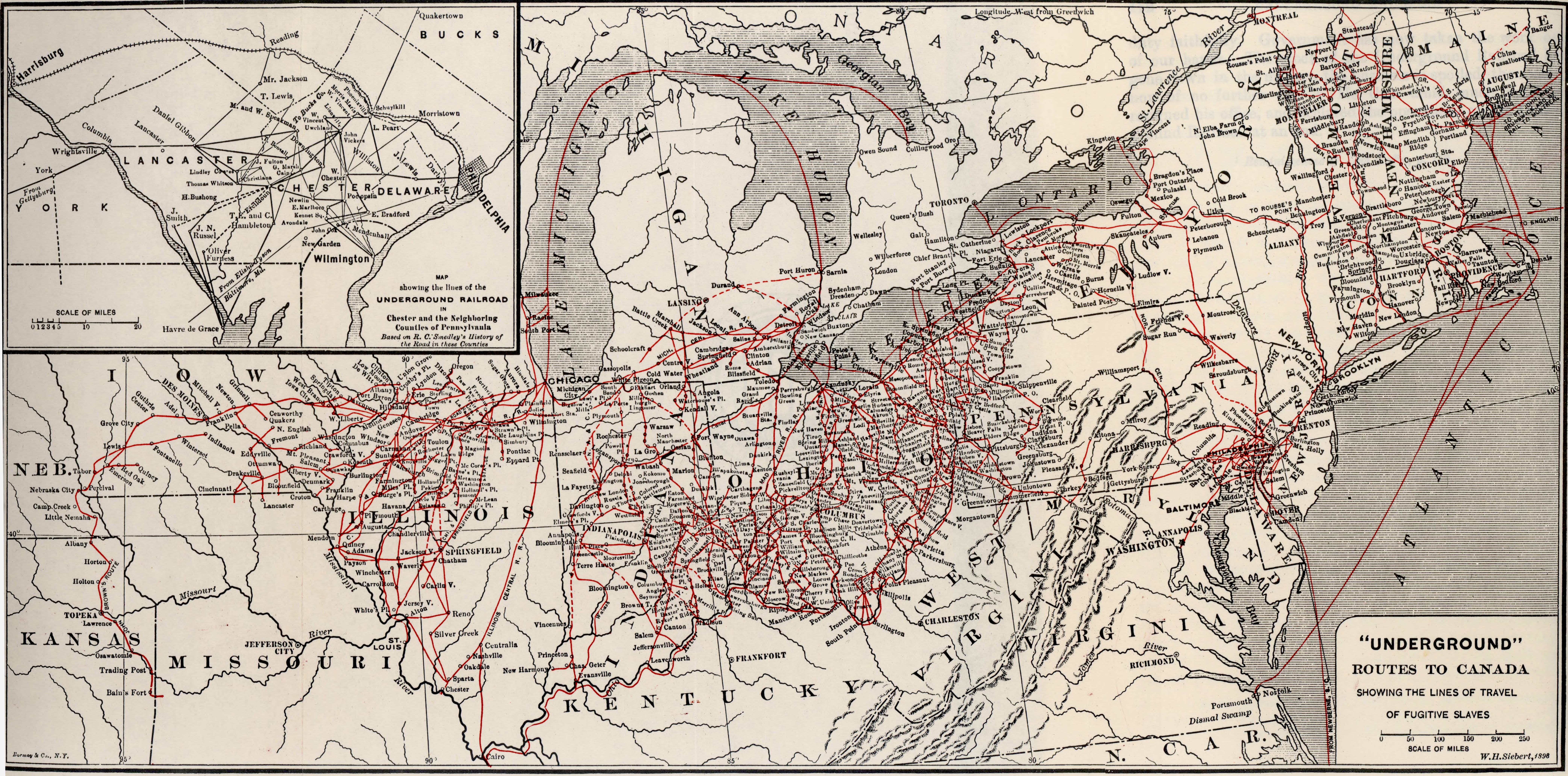
For those trapped in the South, taking their own freedom required navigating a highly dangerous, clandestine system. The Underground Railroad was a network of secret routes and safe houses used by enslaved African Americans to escape into free states and Canada. The success of this network relied on extraordinary courage from both the freedom seekers and those who guided them. The most legendary among them was Harriet Tubman, who was a prominent conductor on the Underground Railroad, repeatedly risking her own life and returning to slave territory to lead dozens of others to freedom.
Synthesis for the Elementary Educator
When you step into the classroom, remember that the 19th Century is a story of interconnected systems. The steel plow harvested the wheat that traveled on the railroad that the telegraph coordinated; the cotton gin processed the cotton that fed the Northern mills, driving a relentless hunger for Native American land and enslaved African labor. By keeping these connections vivid, you equip your students not just with historical facts, but with the analytical tools to understand how geography, technology, and human choices forge a nation.