Civil War and Reconstruction
Not sure you’re ready?
Take the ~3-minute readiness diagnostic and see where you stand.
When you stand before a classroom of elementary students to teach the American Civil War and Reconstruction, you are not merely reciting a timeline of battles and dates. You are explaining the central paradox of the United States: a nation founded on the ideals of liberty that simultaneously built its economic foundation on human bondage. For a nine-year-old, history often reads like a fairy tale—a simple progression of good defeating evil, followed by a tidy moral resolution. Your professional mandate is to carefully dismantle this simplistic narrative. You must help your students understand that laws do not instantly change human hearts, that economic engines drive political conflicts, and that the struggle for equality did not cleanly resolve at Appomattox. You are teaching them how to observe the mechanics of history.
To understand the Civil War, you must first help your students understand the sheer mechanics of how the Northern and Southern states sustained themselves. They were functionally two different economic worlds sharing one map.
The Northern United States economy before the Civil War was heavily industrialized. It was a landscape of textile mills, factories, and rapidly expanding railroad networks, relying on wage labor. Conversely, the Southern United States economy before the Civil War relied primarily on agriculture. This was not small-scale family farming; it was an industrial-scale agrarian system driven by cash crops like cotton and tobacco.
Crucially, you must be explicit with your students about the engine powering this agrarian wealth: the Southern agricultural economy was deeply dependent on the forced labor of enslaved people.
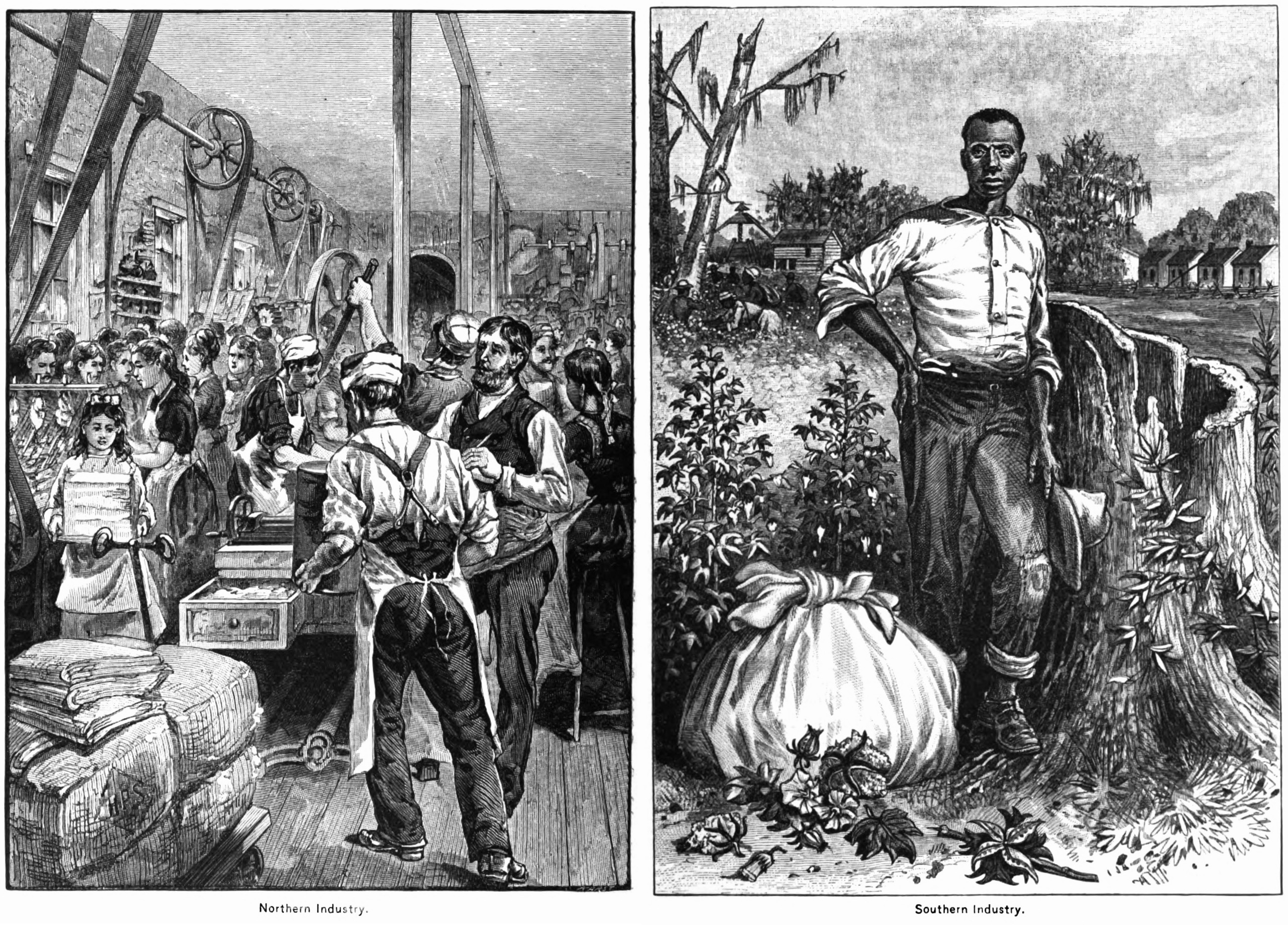
Because human beings reliably vote to protect their wallets, the differing economic systems of the North and South created diverging political interests regarding federal tariffs and the expansion of slavery. The industrialized North favored high tariffs to protect their manufactured goods from foreign competition, while the South, which imported manufactured goods and exported cotton, despised them. But the true fault line was the land to the West.
The Geography of Compromise
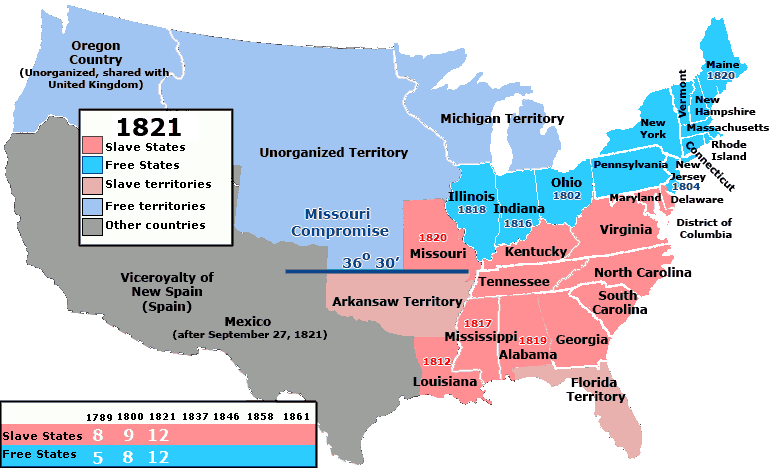
As the United States expanded westward, it absorbed massive new territories. Westward expansion intensified the conflict over slavery by forcing the nation to constantly debate the legal status of new territories. Every time a new state was carved out of the frontier, a mathematical panic ensued in Washington: would it be a "free" state or a "slave" state?
Our government attempted to duct-tape this fracture together through legislative balancing acts:
- The Missouri Compromise of 1820 attempted to maintain the balance of power between free and slave states in the United States Senate by drawing a geographic line across the map, permitting slavery below it and prohibiting it above.
- Decades later, the Kansas-Nebraska Act of 1854 allowed residents of new territories to decide the issue of slavery through popular sovereignty—essentially telling the settlers, "You vote and figure it out." This led to horrific, bloody violence as pro-slavery and anti-slavery factions flooded the territory to skew the vote.
- Finally, the Supreme Court weighed in. The Dred Scott Supreme Court decision of 1857 ruled that enslaved people were property and not United States citizens. For a modern elementary student, this is a shocking realization. You must use this moment to explain that the highest court in the land once used the Constitution to completely deny the humanity of an entire race of people.
Against the backdrop of these political compromises arose a fierce moral resistance. Abolitionism was a social and political movement dedicated to the immediate end of slavery in the United States.
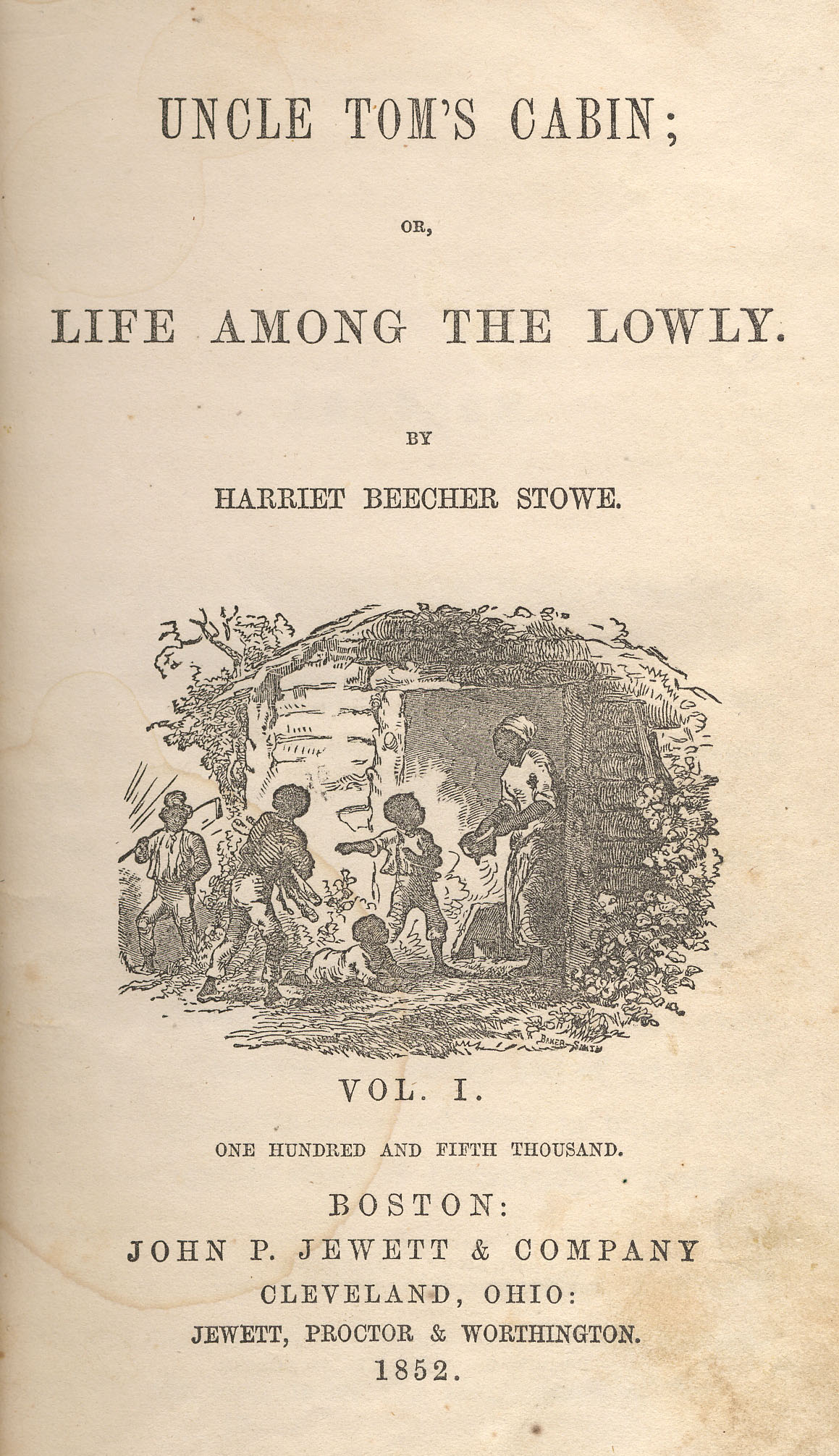
When teaching this, emphasize the power of communication. How do you change a nation's mind? You print words. William Lloyd Garrison published a prominent abolitionist newspaper called The Liberator, which unflinchingly demanded the immediate emancipation of all enslaved people. Meanwhile, Harriet Beecher Stowe wrote the anti-slavery novel Uncle Tom’s Cabin.
Instructional Insight: Why do we teach a specific novel in history class? Because Uncle Tom's Cabin increased anti-slavery sentiment in the North by personalizing the brutality of slavery for everyday readers. It took a political abstraction and turned it into human suffering that a Northern mother sitting in her parlor could feel.
However, beware of a powerful trap. Elementary students often hold the historical misconception that all Northerners before the Civil War were active abolitionists. They look at the map, see the North labeled "Free," and assume everyone there was a crusader for racial equality. You must correct this. Many Northerners before the Civil War opposed the expansion of slavery into new territories without actively supporting its immediate abolition. Many Northern factory workers simply didn't want to compete with unpaid labor in the West, and many still harbored deep racial prejudices.
The Resistance: Douglass and Tubman
The most powerful voices against slavery were those who had survived it.
- Frederick Douglass was an escaped enslaved man who became a prominent abolitionist orator and writer. His towering intellect and eloquence shattered the racist justifications for slavery.
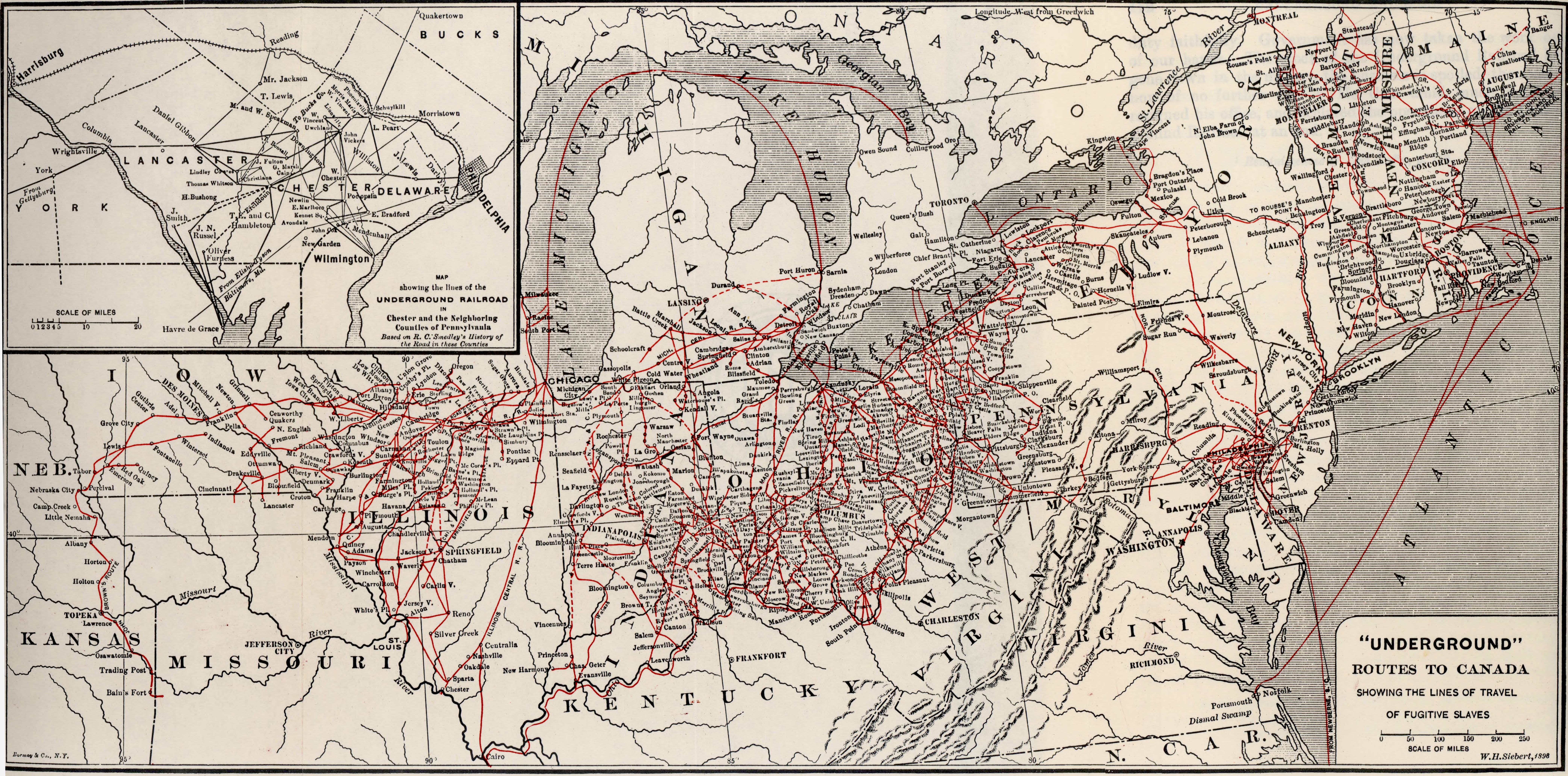
- Harriet Tubman was a leading conductor on the Underground Railroad. She did not just escape; she went back into the dangerous territory time and time again. Harriet Tubman guided dozens of enslaved people to freedom in the Northern states and Canada.
Let us pause for a critical pedagogical correction regarding the Underground Railroad.
Student Misconception: Because children are beautifully, wonderfully literal, a common elementary student misconception is that the Underground Railroad was an actual subterranean mechanical train system.
You must explicitly teach them the vocabulary of metaphor. Clarify that the Underground Railroad was a network of secret routes and safe houses used by enslaved African Americans to escape to free states. They used "railroad" as a secret code—guides were "conductors," safe houses were "stations," and the escapees were "passengers."
The simmering tension finally boiled over in a single political event. Abraham Lincoln was elected as the 16th President of the United States in 1860. Because Lincoln's Republican party opposed the expansion of slavery, his mere election was viewed by the Southern elite as an existential threat.
Before Lincoln even took the oath of office, the nation began to tear apart. Abraham Lincoln’s election prompted several Southern states to secede from the Union. South Carolina was the first state to secede from the Union in December 1860. Soon, others followed, and the seceding Southern states formed an unrecognised breakaway republic called the Confederate States of America.
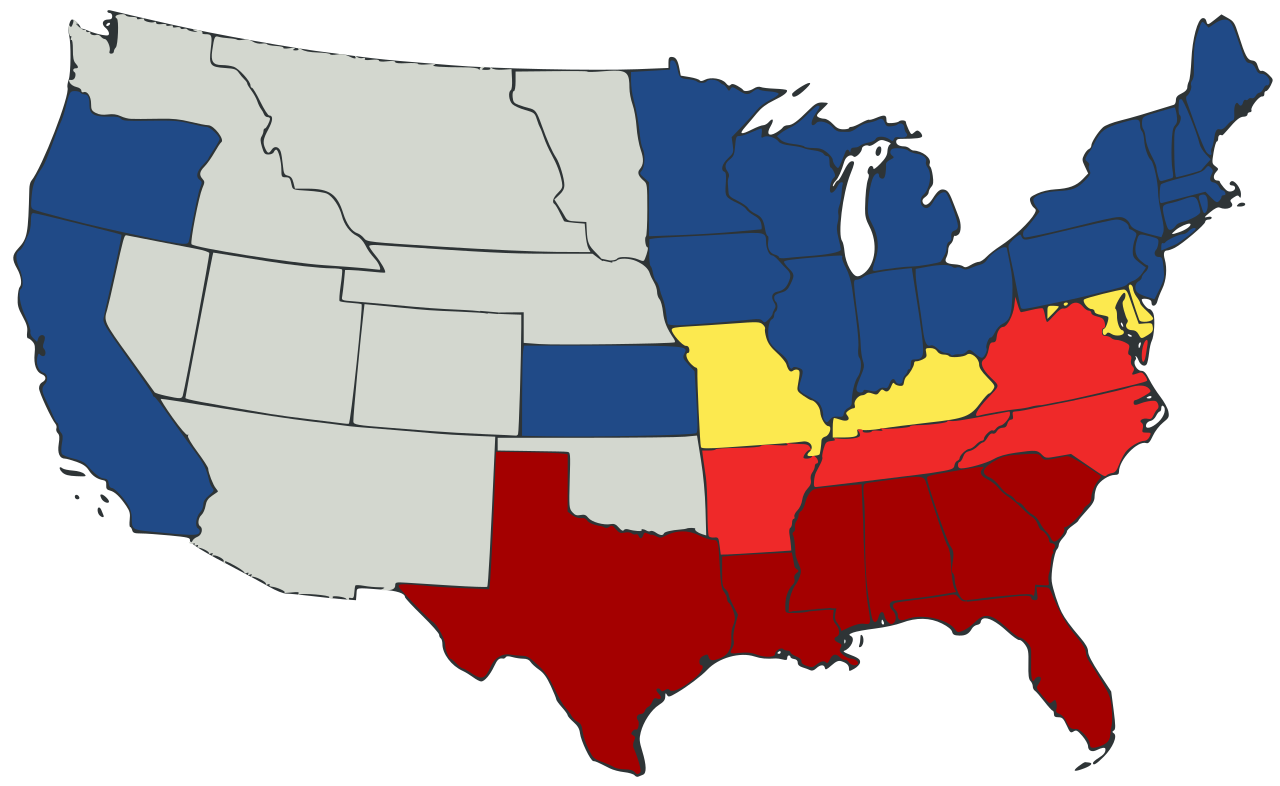
Content Knowledge for Teaching (Crucial Warning): You will undoubtedly hear the argument that the South seceded to protect "states' rights," not slavery. Teaching the Civil War requires explicitly connecting the Southern states' defense of states' rights to their desire to preserve the institution of slavery. When a student asks, "Was it about states' rights?" you must reply, "Yes. But the right to do what? The right to own human beings." The secession documents of the states themselves explicitly state this.
As the bloody war raged on, the purpose of the fighting evolved. On January 1, 1863, Abraham Lincoln issued the Emancipation Proclamation. It is highly specific: The Emancipation Proclamation declared enslaved people in Confederate-held territory to be legally free.
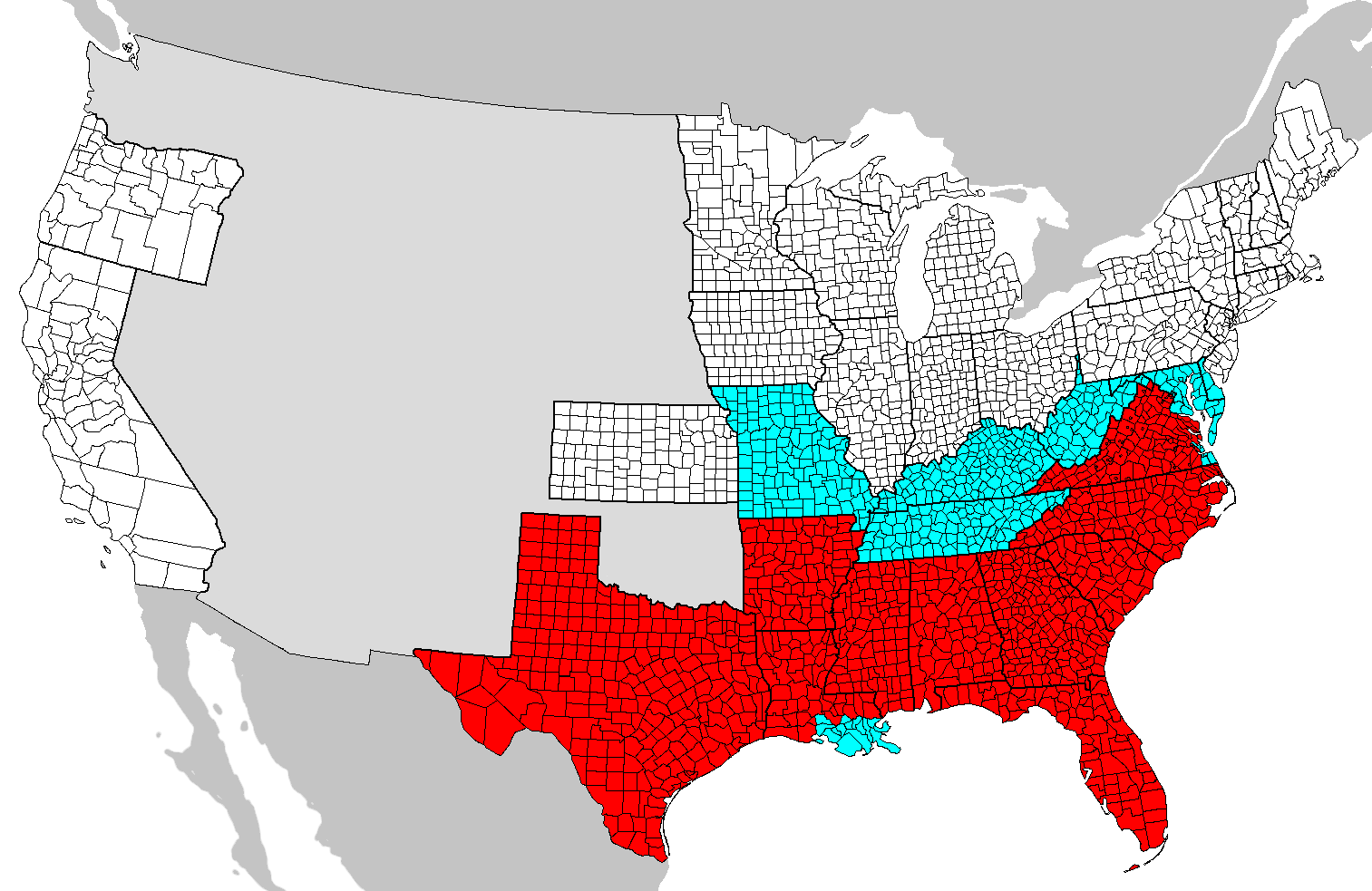
It did not instantly free everyone (it notably exempted slave-holding border states loyal to the Union), but its strategic impact was massive. The Emancipation Proclamation shifted the Union's war aim from merely preserving the nation to also dismantling the institution of slavery.
During this fight for liberation, Black Americans were not passive bystanders; they were active combatants. Frederick Douglass actively advised President Abraham Lincoln on the employment of Black soldiers during the Civil War, arguing that those who fight for a nation earn their citizenship. Meanwhile, Harriet Tubman utilized her unparalleled stealth and navigational brilliance; Harriet Tubman served as a spy and scout for the Union Army during the Civil War.
The guns fell silent in 1865, but the war for the soul of the nation was just beginning. The Reconstruction era was the historical period immediately following the American Civil War. The Reconstruction era lasted from 1865 to 1877.
This is perhaps the most vital, and most frequently misunderstood, era of American history to teach. Reconstruction policies aimed to rebuild the Southern political system and integrate formerly enslaved people into civic life.
Congress passed three monumental amendments to the Constitution, often called the Reconstruction Amendments:
- The 13th Amendment to the United States Constitution officially abolished slavery nationwide.
- The 14th Amendment to the United States Constitution granted citizenship to all persons born or naturalized in the United States. Furthermore, the 14th Amendment to the United States Constitution guaranteed equal protection under the law to all citizens.
- The 15th Amendment to the United States Constitution prohibited the denial of voting rights based on race.
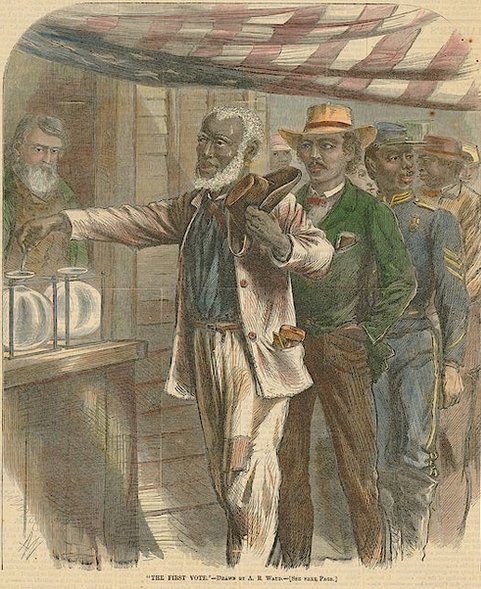
To support this massive societal shift, the United States Congress established the Freedmen's Bureau in 1865. The primary goal of the Freedmen's Bureau was to assist newly freed African Americans with education, healthcare, and employment negotiations. For a brief, shining moment, there was a biracial democracy in the South. Formerly enslaved men were voting and being elected to the U.S. Senate.
The Illusion of "Happily Ever After"
Here is where your skill as a teacher is tested. Elementary students frequently confuse the legal abolition of slavery with the immediate achievement of social and political equality for African Americans. They assume the 13th Amendment was a magic wand.
You must show them the friction of history. The white Southern power structure did not simply surrender. Southern state legislatures passed restrictive laws known as Black Codes immediately after the Civil War. Black Codes were designed to heavily restrict the freedom of African Americans and ensure their availability as a cheap labor force. If a Black man could not prove he was employed by a white farmer, he could be arrested for "vagrancy" and leased out for free labor—a system that looked horrifically like the slavery that was just abolished.
The effort to enforce equality required the presence of the U.S. military in the South, which the North eventually grew tired of funding. In a backroom political deal to settle a disputed presidential election, the Compromise of 1877 resulted in the withdrawal of federal troops from the Southern states.
This was the death knell for civil rights in the 19th century. The withdrawal of federal troops in 1877 effectively ended the Reconstruction era. Without the military to protect the voting rights and physical safety of Black citizens, the door swung wide open for a brutal regression. The end of Reconstruction allowed white Southern Democrats to regain political control and systematically dismantle civil rights protections for African Americans.
%2C_by_Thomas_Nast.jpg)
Institutionalizing Inequality: Jim Crow and Sharecropping
Once back in power, Southern legislatures built a labyrinth of legal and economic traps.
Socially, they created a caste system. Jim Crow laws were state and local laws that enforced strict racial segregation in the Southern United States. Jim Crow laws institutionalized long-term economic, educational, and social disadvantages for African Americans by ensuring Black schools, hospitals, and neighborhoods were severely underfunded and strictly separated from white facilities.
When this blatant segregation was challenged, the Supreme Court once again failed to protect the vulnerable. The Supreme Court case Plessy v. Ferguson in 1896 established the separate but equal legal doctrine. The separate but equal doctrine provided federal legal justification for widespread racial segregation in public facilities for the next sixty years.
Economically, the South needed cotton picked, but could no longer legally own the workers. Their solution was devious. Sharecropping became a widespread agricultural labor system in the South following the abolition of slavery.
To explain sharecropping to a child, use this analogy: Imagine a school store where you must buy your pencils and paper on credit from the principal. But the principal charges so much interest that no matter how many chores you do, your debt grows larger every single day. You are never allowed to leave the school until the debt is paid. The sharecropping system functioned by keeping formerly enslaved people in a continuous cycle of unpayable debt and poverty.
Teaching the Civil War and Reconstruction is not about instilling a sense of defeat; it is about teaching the mechanics of civic progress and regression. By mastering this content, you equip your students to understand why the Civil Rights movement of the 1960s was necessary, and why the 14th Amendment remains one of the most litigated pieces of text in American law today. You are giving them the tools to look at their world not as a fairy tale of inevitable progress, but as a continuous project that requires their active, informed participation.