Print Concepts
Not sure you’re ready?
Take the ~3-minute readiness diagnostic and see where you stand.
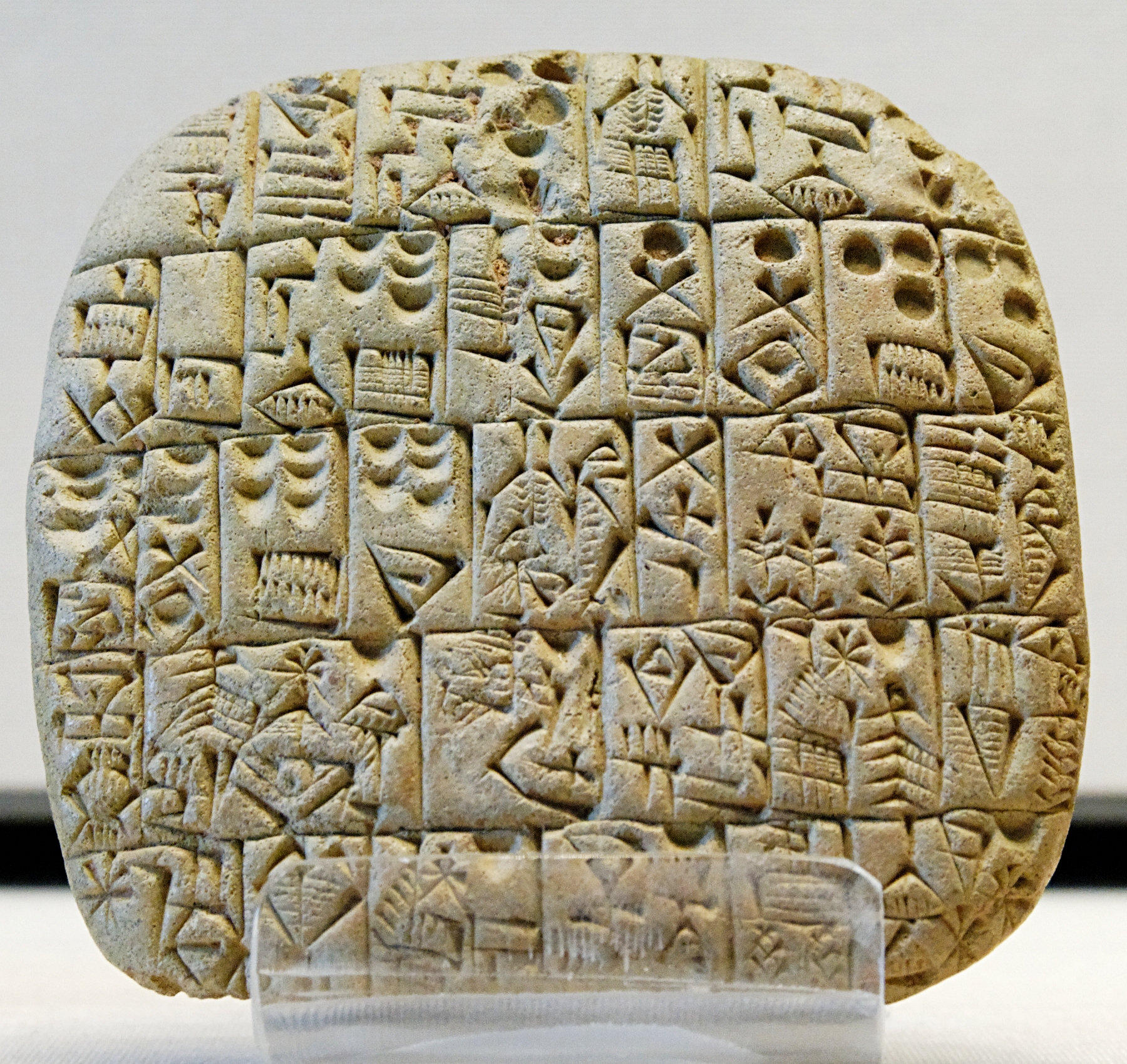
Imagine handing a page of ancient Cuneiform to an adult who has never studied it. To the untrained eye, it is merely a sequence of decorative, wedge-shaped markings, completely devoid of linguistic instruction. This is precisely the perceptual reality of a young child opening a book for the first time. They do not immediately see a story; they see geometric squiggles clustered alongside colorful drawings. Transforming these opaque symbols into a vehicle for human thought requires a profound cognitive leap.
We call this leap print awareness. It is the vital realization that written language carries meaning and communicates a message. Far from a passive milestone, print awareness encompasses the foundational knowledge of how books and written texts work. Crucially for educators to understand, the understanding of print concepts typically develops prior to formal phonics instruction. Before a child can decode that the letter "B" makes a /b/ sound, they must first grasp the foundational truth that the letter "B" is meant to be decoded at all.
For aspiring elementary teachers, understanding what print concepts are is only half the battle. You must master how students acquire them, how to model them, and how to assess them in the classroom.