Alphabetic Principle
Not sure you’re ready?
Take the ~3-minute readiness diagnostic and see where you stand.
When a child looks at a sequence of abstract geometric squiggles—circles, lines, and intersecting curves—and suddenly hears a voice in their head speaking a word, they are performing one of the most profound cognitive leaps in human development. Humans are not born with reading circuits in the brain. Unlike spoken language, which is acquired naturally through exposure, reading is an artificial technology that must be explicitly installed. This installation process relies entirely on mastering the invisible bridge between spoken sounds and written symbols.
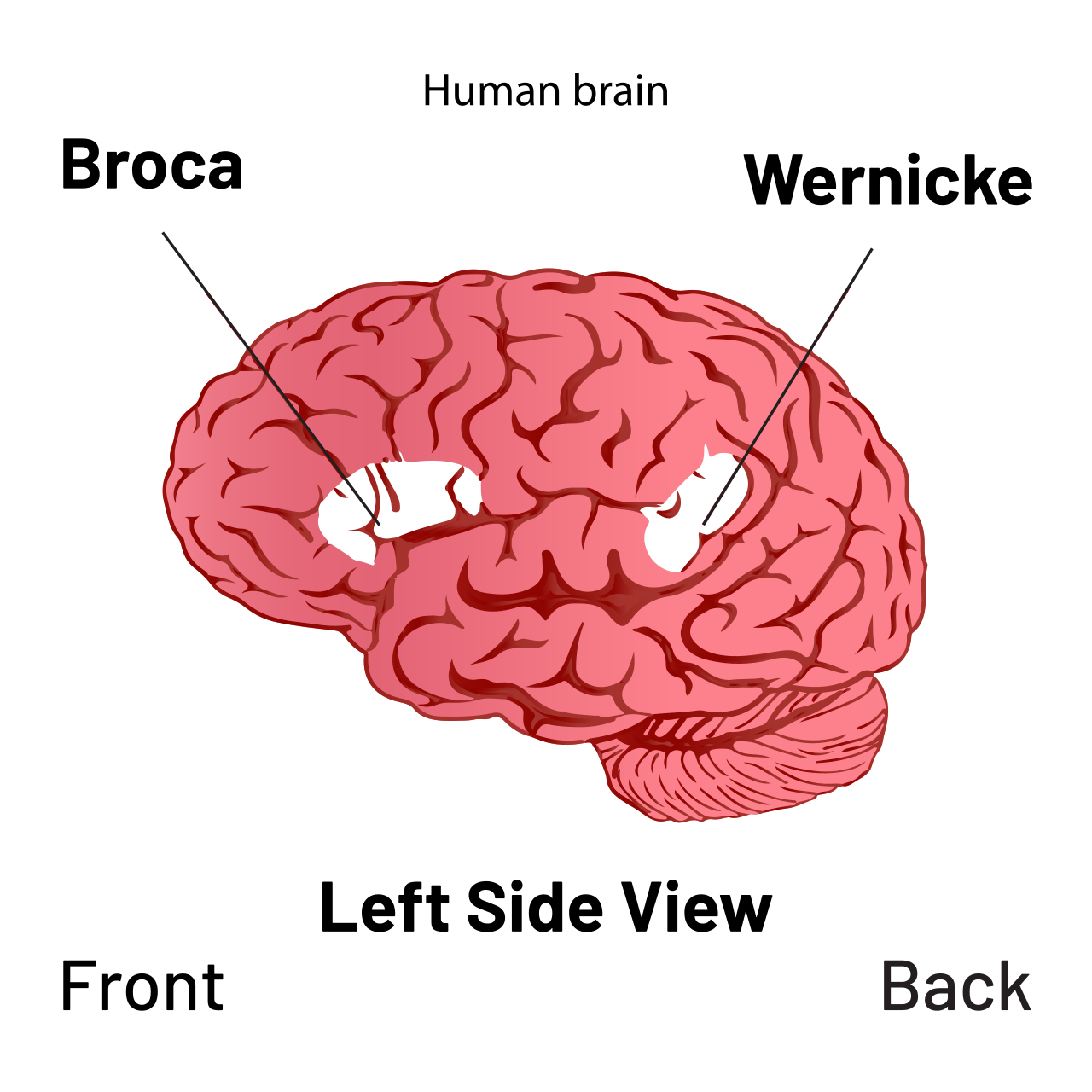
For an elementary educator, understanding how this bridge is built is the difference between hoping children learn to read and engineering their success. We are not just teaching children to memorize shapes; we are teaching them to map the acoustic physics of speech onto a visual code.
To understand why learning to read requires precise instruction, we must first understand the architecture of the English language.
The alphabetic principle is the understanding that there are systematic and predictable relationships between written letters and spoken sounds.
It sounds simple, but it is complicated by a stark numerical mismatch. A phoneme is the smallest unit of sound in a spoken language. A grapheme is a written letter or a group of letters representing one single phoneme. In a perfectly phonetic language, there would be a one-to-one ratio between the two. However, the English alphabet contains 26 individual letters, but English contains approximately 44 phonemes.
Because we have more sounds than letters, our writing system has to combine letters in complex ways to represent those sounds. If a student does not grasp the alphabetic principle, those 44 phonemes and their corresponding graphemes remain a chaotic, impenetrable puzzle.
Before a student can map sounds to letters, they must be able to perceive the sounds themselves. Many novice teachers conflate phonological awareness with phonemic awareness, but they are distinct concepts with distinct pedagogical roles.
Phonological awareness encompasses the awareness of larger spoken units such as syllables and rhyming words. It is the broad ability to notice the structure of spoken language.
Phonemic awareness, however, is highly specific: it is the ability to identify and manipulate individual sounds (phonemes) in spoken words. Can the child hear that the spoken word "cat" is actually three separate acoustic bursts: /k/, /a/, /t/? A student must possess phonemic awareness to successfully apply the alphabetic principle during decoding. If they cannot hear the individual sounds in the air, they cannot attach those sounds to ink on a page.
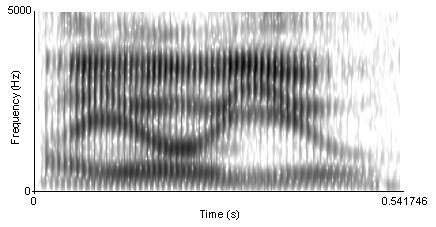
When introducing the symbols of the alphabet, teachers face a multi-layered challenge: letters have names, shapes, and sounds.
Interestingly, knowing letter names aids in learning letter sounds. Why? Because many letter sounds are embedded directly within the phonetic pronunciation of the letter name. For instance, the sound /m/ is in the name "em," and the sound /b/ is in the name "bee."
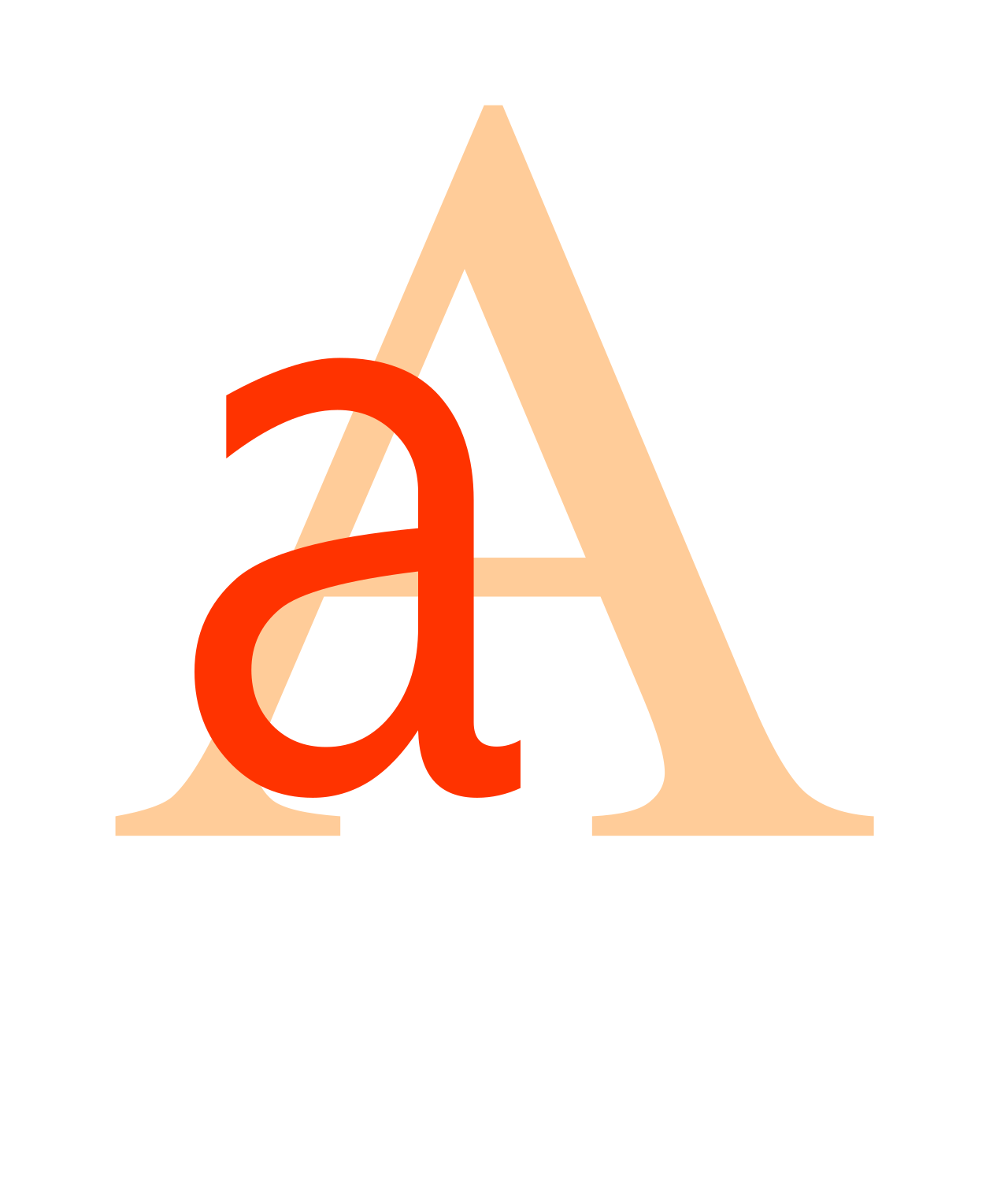
However, letter shapes present their own hurdles. An uppercase letter and its corresponding lowercase letter can have completely different visual shapes (like A and a, or G and g), yet an uppercase letter and its corresponding lowercase letter represent the identical phoneme.
Visual Discrimination and the "Dyslexia" Misconception
To navigate these shapes, students rely on visual discrimination, which is the ability to recognize similarities and differences between written letters.
Inevitably, early readers will stumble over letters that look alike. Visually similar letters include the lowercase letters b and d. It is a common panic among parents—and some new teachers—that reversing letters like b and d is an early sign of a learning disability. As an educator, you must know that this is a normal developmental stage for young emerging readers. In nature, a chair is a chair regardless of which way it faces; reading requires the brain to override this natural instinct and realize that spatial orientation changes the object's identity. Therefore, writing letters backwards does not necessarily indicate dyslexia in early elementary students.
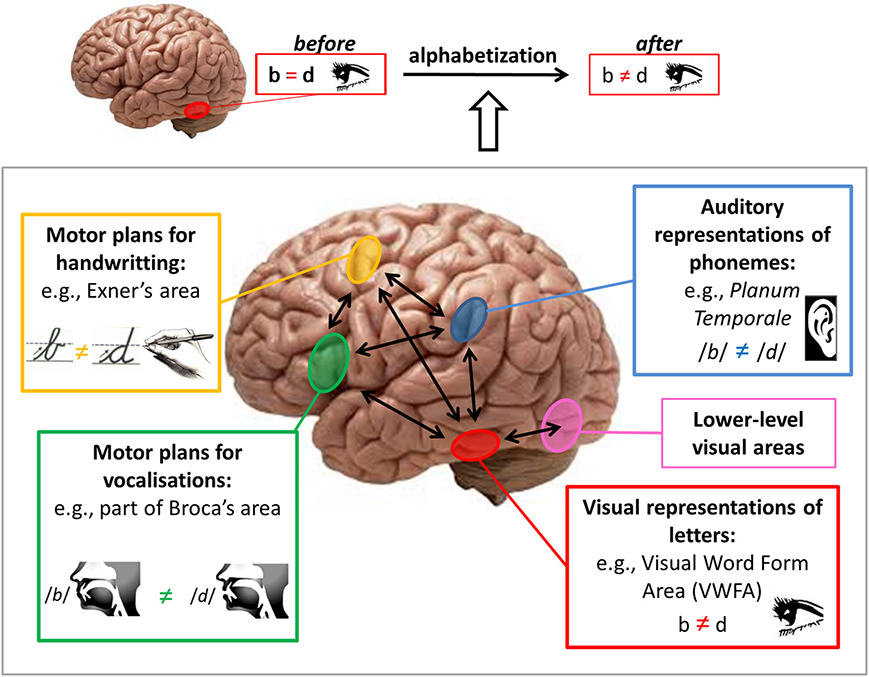
To help students navigate these cognitive traps, pacing is key. Teaching visually similar letters at different times prevents student confusion. If you teach b and d in the same week, you are inviting cognitive gridlock.
The same rule applies to the ear. Auditorily similar sounds include the short vowel sounds for e and i. Because they sound nearly identical to an untrained ear, teaching auditorily similar sounds at different times prevents student confusion.
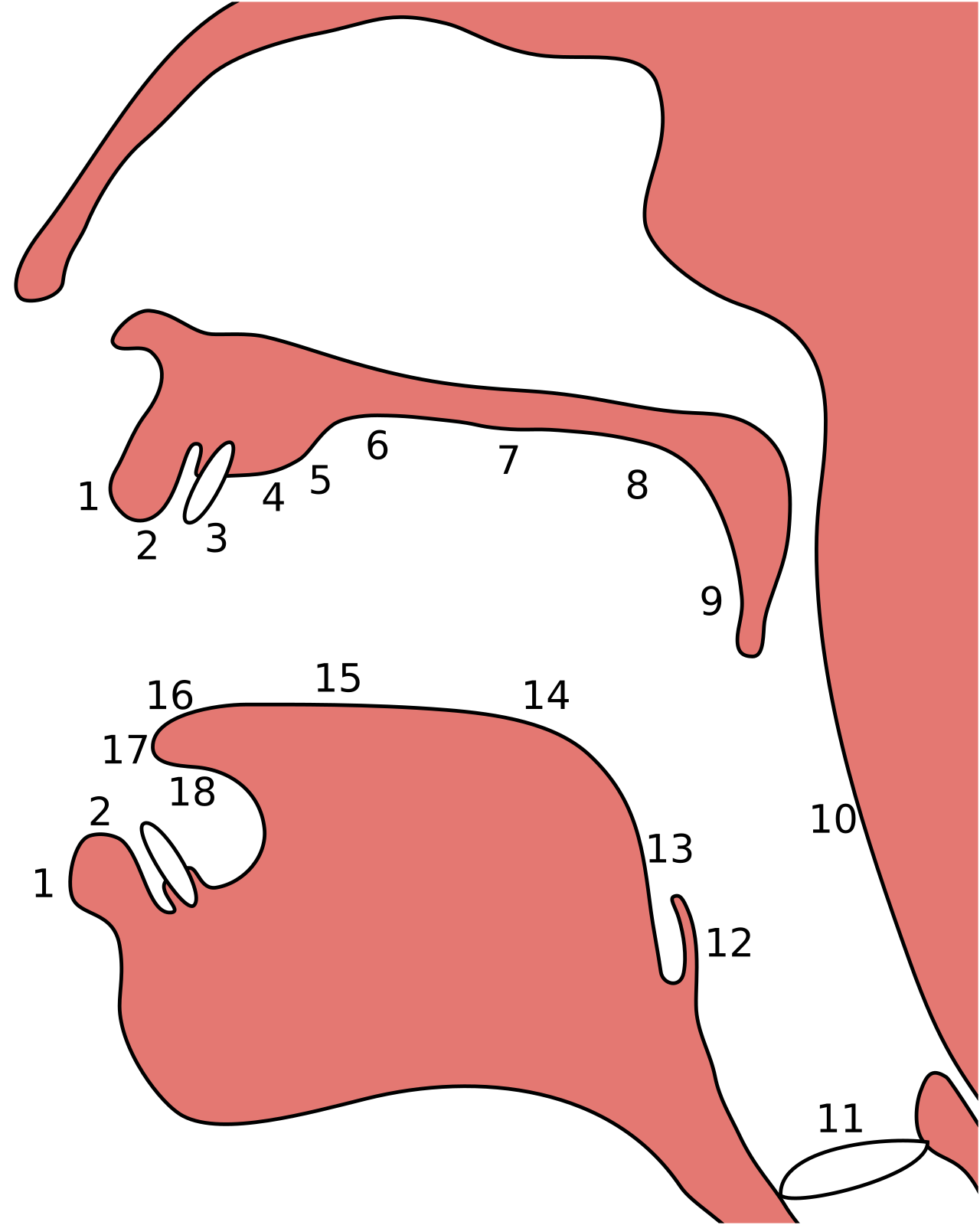
When you ask a student to sound out a word, you are asking them to perform a physical act of articulation. Not all sounds are created equal in the human mouth, and knowing the difference will fundamentally change how you teach blending.
| Sound Type | Definition | Examples | Pedagogical Impact |
|---|---|---|---|
| Continuous Sounds | Continuous sounds can be held out continuously without distortion (as long as you have breath). | Examples of continuous sounds include the sounds corresponding to the letters M, S, and F. | Because the sound flows uninterrupted (mmmm, sssss), continuous sounds are easier for young students to blend than stop sounds. |
| Stop Sounds | Stop sounds are produced with a single quick burst of air. | Examples of stop sounds include the sounds corresponding to the letters T, P, and K. | You cannot hold out a /t/ sound without adding a distorting "uh" at the end. |
When introducing a student to reading, start with words that begin with continuous sounds (like mat or sun). The acoustic stretching allows the student's brain the necessary milliseconds to process the next sound without breaking the sonic chain.
The purpose of the alphabetic principle is to enable two reciprocal processes:
- Decoding is the process of translating printed words into speech.
- Encoding is the process of translating spoken words into written print.
Decoding relies heavily on blending, which is the process of smoothly combining individual phonemes to read a whole word. Conversely, encoding relies on segmenting, which is the process of separating a spoken word into its individual phonemes. If a child wants to write the word "dog," they must first segment the spoken word into /d/, /o/, /g/, and then recall the graphemes for those sounds. Therefore, segmenting is the primary foundational skill required for encoding words.
How We Teach It: Explicit and Systematic Phonics
Phonics instruction teaches the relationship between graphemes and phonemes. But how we deliver this instruction matters immensely.
Effective instruction relies on two pillars:
- Explicit phonics instruction involves a teacher directly explaining and modeling specific letter-sound relationships. We do not leave children to guess the rules; we reveal the code to them clearly.
- Systematic phonics instruction introduces letter-sound correspondences in a pre-planned logical sequence.
In a systematic sequence, we do not teach the alphabet from A to Z. Instead, systematic phonics programs introduce high-utility letters early in the instructional sequence. High-utility letters appear frequently in English words (like a, m, t, s). Introducing high-utility letters early allows students to rapidly begin decoding simple words, providing immediate success and motivation.
Furthermore, we utilize different instructional approaches depending on the goal:
- Synthetic phonics teaches students to pronounce individual sounds for letters and then teaches students to blend individual sounds into whole words. This is a part-to-whole approach (e.g., /c/ /a/ /t/ makes cat).
- Analytic phonics teaches students to identify letter-sound patterns in whole previously learned words. This is a whole-to-part approach (e.g., analyzing that cat, cot, and cap all start with the same sound).
As students progress, they encounter larger units of meaning and sound within syllables. A fundamental starting point is the CVC structure. CVC stands for consonant-vowel-consonant, and CVC words generally contain a short vowel sound (like bat, sit, cup).
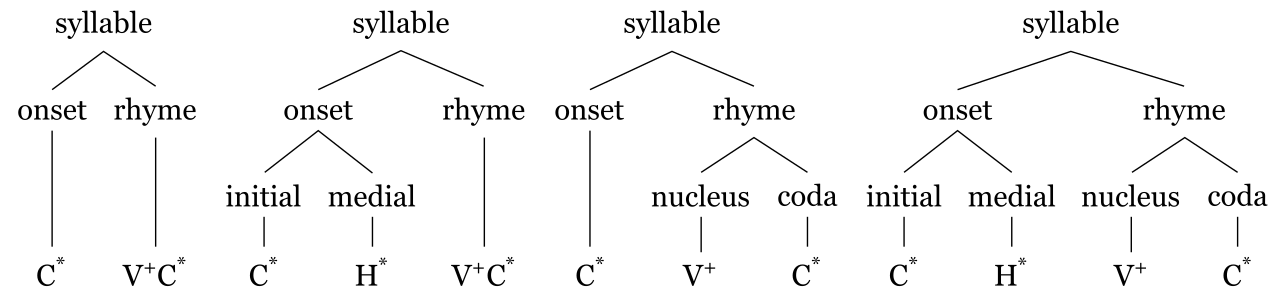
Within any syllable, we can divide the word into two parts:
- An onset is the initial consonant or consonant cluster that precedes the vowel in a syllable (e.g., the 'st' in stop).
- A rime is the vowel and any subsequent consonants within a single syllable (e.g., the 'op' in stop).
As we push beyond simple CVC words, the 44-phoneme reality of English requires combinations of letters:
- A consonant digraph consists of two consonant letters that represent one single phoneme. The letter combinations sh, ch, th, and wh are common English consonant digraphs. (Notice that /sh/ is a completely unique sound, not a blend of s and h).
- A consonant blend consists of two or more consonants spoken together, but critically, every individual consonant sound remains perceptible within a spoken consonant blend. The letter combinations fl, st, and tr are common English consonant blends.
- A vowel team consists of two or more letters that combine to represent a single vowel sound. The letter combinations ea, oa, and ai are common English vowel teams (e.g., the 'ea' in team makes one long /e/ sound).
How do we know if a child is actually grasping the alphabetic principle? We look at their errors.
When a child wants to write a word they haven't memorized, they use invented spelling, which is a student's phonetic attempt to spell a word based on current sound knowledge. To the untrained eye, spelling "bump" as "bup" looks like a simple mistake. To a trained educator, it is diagnostic data. Analyzing a student's invented spelling reveals specific gaps in the student's alphabetic principle knowledge.
For example, students often omit internal vowel sounds when beginning to spell words (spelling cat as ct) because vowel sounds are acoustically subtle and harder to articulate clearly than sharp consonant boundaries.
To correct this, teachers use powerful visual aids. Elkonin boxes are an instructional tool used to help students visually segment words into individual phonemes. By physically pushing a token into a box for each sound they hear, students give a physical anchor to ephemeral sounds, ensuring they don't skip the "hidden" internal vowels.
The mastery of the alphabetic principle does not happen overnight. The alphabetic principle develops through a predictable sequence of literacy phases, famously categorized by researcher Linnea Ehri:
- Pre-Alphabetic Phase: The student has no grasp of the alphabetic principle. In the pre-alphabetic phase students read words by memorizing visual features (like the two "eyes" in the middle of the word look). They also read words by guessing based on context or pictures.
- Note on Environmental Print: Environmental print consists of words and logos frequently seen in everyday life (like a stop sign or the McDonald's arches). A pre-alphabetic child might "read" a stop sign, but recognizing environmental print relies on visual memory rather than the application of the alphabetic principle.
- Partial-Alphabetic Phase: The bridge begins to form. In the partial-alphabetic phase students recognize some letters to remember words by sight. They might use the first and last letters to guess a word (seeing b and d and guessing bird).
- Full-Alphabetic Phase: The system clicks. In the full-alphabetic phase readers possess extensive working knowledge of the grapheme-phoneme system. They can accurately decode unfamiliar words sound by sound.
- Consolidated-Alphabetic Phase: Efficiency takes over. In the consolidated-alphabetic phase students consolidate grapheme-phoneme knowledge into larger units (like recognizing -tion or -ight instantly without sounding out the individual letters).
The ultimate goal of this entire progression is orthographic mapping, which is the mental process of forming connections between letters and sounds to store words for instant retrieval. Once a word is orthographically mapped, the student no longer needs to decode it; they recognize it in a fraction of a millisecond.
As an educator, every time you explicitly teach a grapheme, correct an inverted b, stretch out a continuous /m/, or push a token into an Elkonin box, you are rewiring a child's brain. You are taking the 44 sounds of the human voice, binding them to 26 letters of the alphabet, and granting a student the ultimate technology: the ability to read.