Reading Fluency
Not sure you’re ready?
Take the ~3-minute readiness diagnostic and see where you stand.
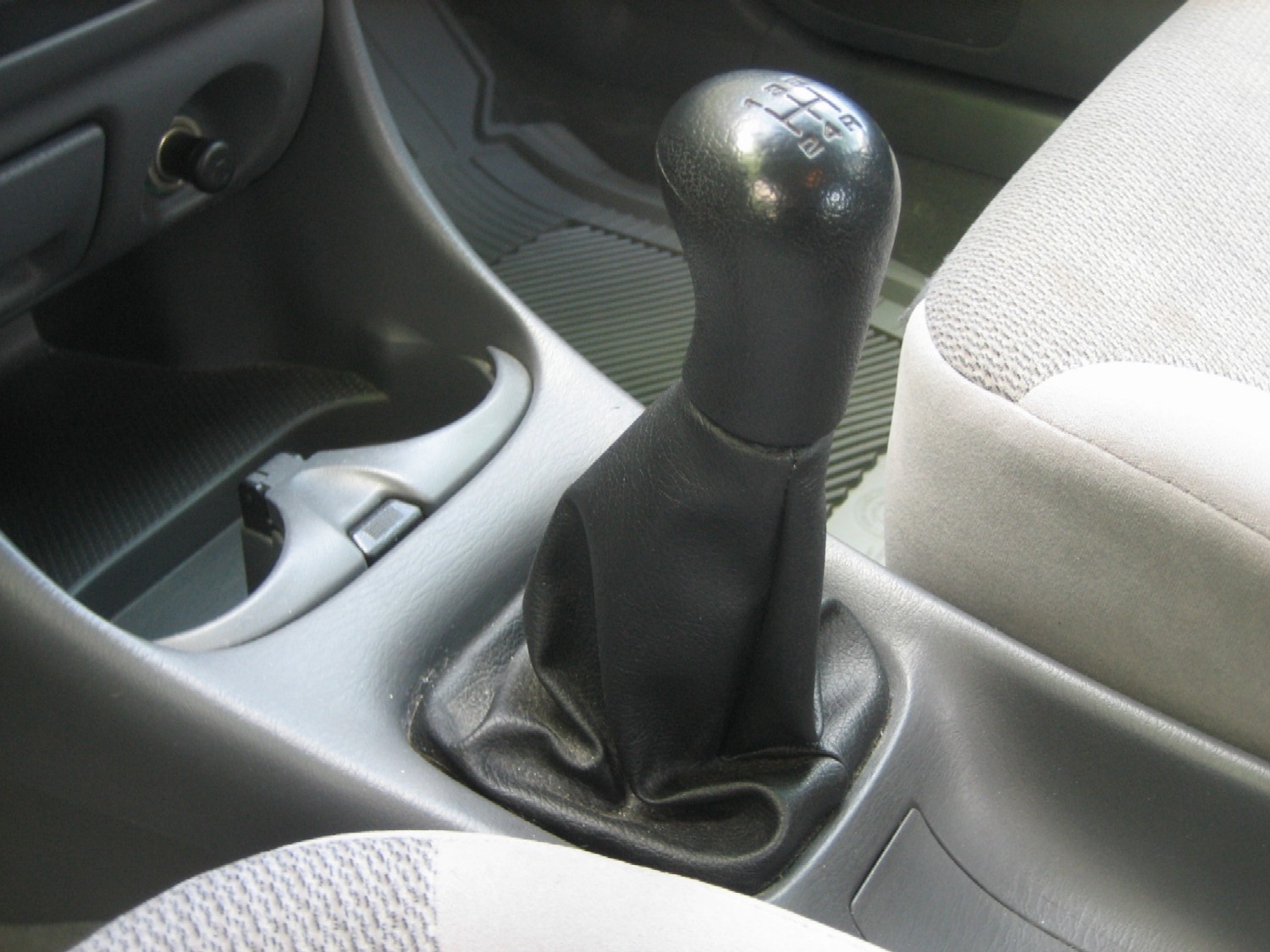
Imagine learning to drive a manual transmission automobile. At first, every ounce of cognitive capacity is consumed by the physical mechanics: depressing the clutch, shifting gears, monitoring the tachometer. You cannot easily hold a conversation or navigate an unfamiliar city, because the isolated acts of driving consume all available working memory. Reading operates on precisely the same cognitive principles. When a child expends all their mental energy decoding the individual symbols on a page, there is no cognitive bandwidth left to understand the narrative. Reading fluency is the transition from conscious, labored decoding to effortless navigation. It serves as the critical bridge between word decoding and reading comprehension. By mastering this bridge, the mechanical act of reading becomes invisible, allowing the profound act of understanding to take center stage.
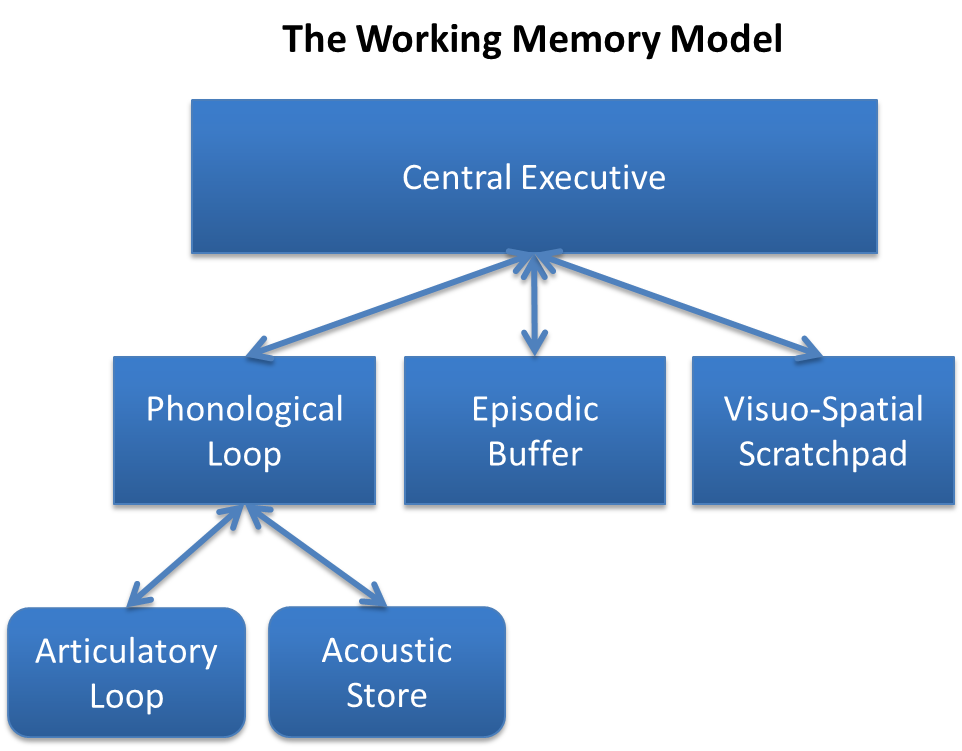
To understand how children learn to read, we must first look at the economics of the brain. High reading fluency frees up cognitive resources for the reader to focus on text comprehension.
When this cognitive economy fails, the symptoms are obvious. A lack of reading fluency often manifests as slow, halting, or robotic-sounding oral reading. Because working memory has a strict time limit, poor reading fluency can cause students to forget the beginning of a sentence by the time the student reaches the end. If it takes a child 45 seconds to decode a single sentence, the meaning of the first word has long since evaporated from their short-term memory.
Recognizing its immense importance, the National Reading Panel identified reading fluency as one of the five essential components of reading instruction. It is not a luxury or a polish applied to "good" readers; it is a structural necessity for comprehension.
Defining the Core Concept Reading fluency is the ability to read text with accuracy, appropriate rate, and prosody.
It is vital to distinguish fluency from a closely related term: automaticity. Automaticity is the fast and effortless word recognition that comes with extensive reading practice. However, automaticity differs from fluency because automaticity refers only to single-word recognition without prosody. A student might read a list of flashcards with perfect automaticity, but still read a paragraph like a disjointed robot. Fluency is the orchestration of automaticity in connected text.
To teach fluency, we must deconstruct it into its three measurable pillars: Accuracy, Rate, and Prosody.
1. Accuracy
Accuracy refers to the ability to decode and recognize words correctly in a text. This is the foundation; you cannot be fluent if you are guessing at words. Reading accuracy depends heavily on a student's phonics knowledge and sight word vocabulary.
When selecting texts for students to read, we use accuracy to determine the text's difficulty level. If a text is too hard, the cognitive bridge collapses.
| Text Level | Word Recognition Accuracy | Pedagogical Implication |
|---|---|---|
| Independent-level text | Read with 95 to 100 percent accuracy. | Ideal for independent practice and building stamina. |
| Instructional-level text | Read with 90 to 94 percent accuracy. | Ideal for guided reading where teacher support is available. |
| Frustration-level text | Read with less than 90 percent accuracy. | Avoid. At this level, comprehension breaks down entirely. |
Instructional Rule: Fluency practice is most effective when students read instructional-level or independent-level texts. Do not use frustration-level text for fluency work; the student will be forced back into labored decoding.
2. Rate
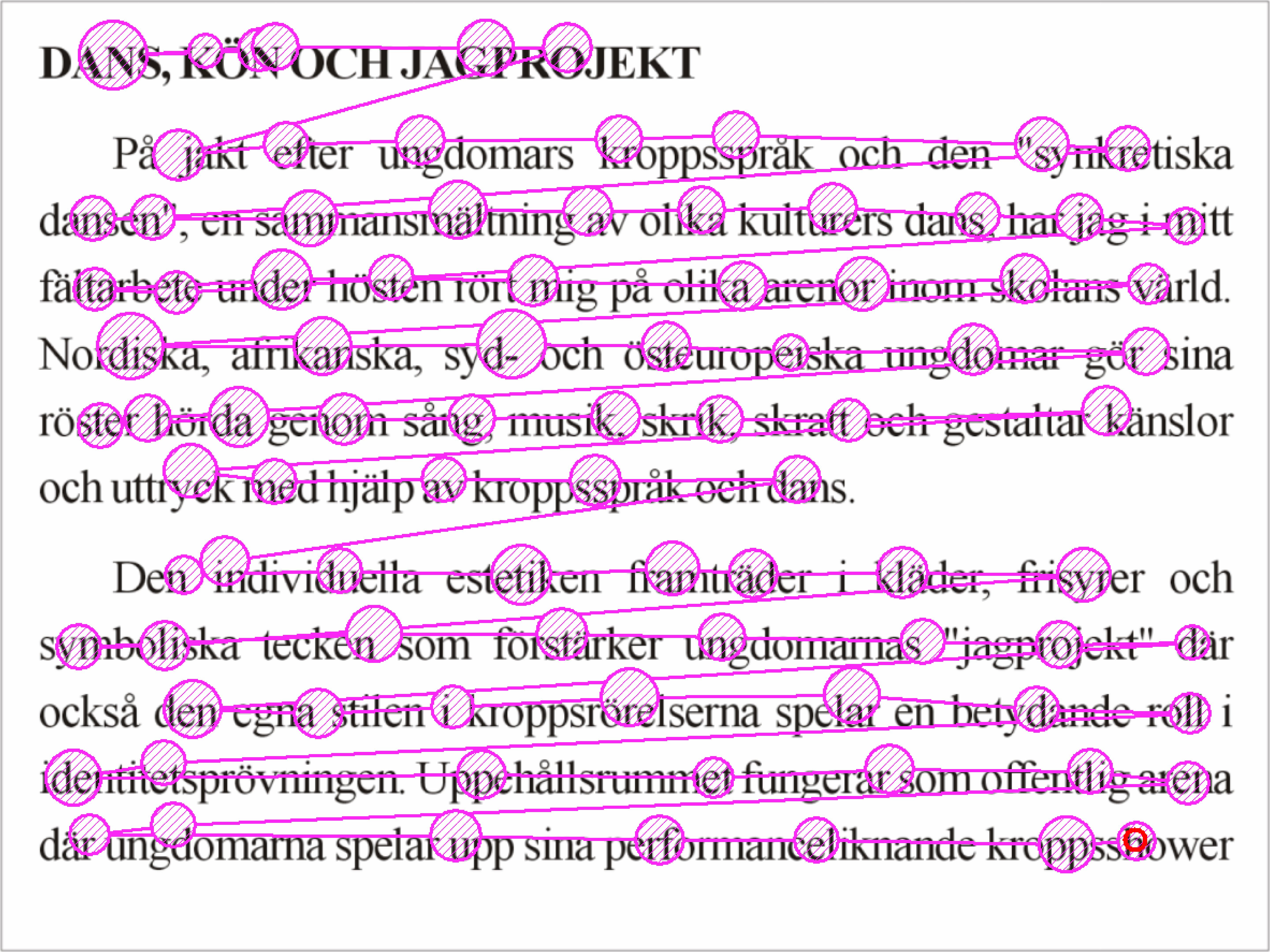
Reading rate refers to the speed at which a student reads a text. It is quantitatively measured in Words Correct Per Minute.
However, reading rate is highly susceptible to a common classroom misconception: the idea that faster is always better. Emphasizing extreme reading speed can negatively impact a student's reading prosody and reading comprehension. We do not want speed-readers who comprehend nothing. Furthermore, a rigid rate is unnatural; fluent readers actively adapt reading rates based on the complexity and purpose of the target text. A student should read a dense science text about photosynthesis slower than a lighthearted narrative poem.
3. Prosody
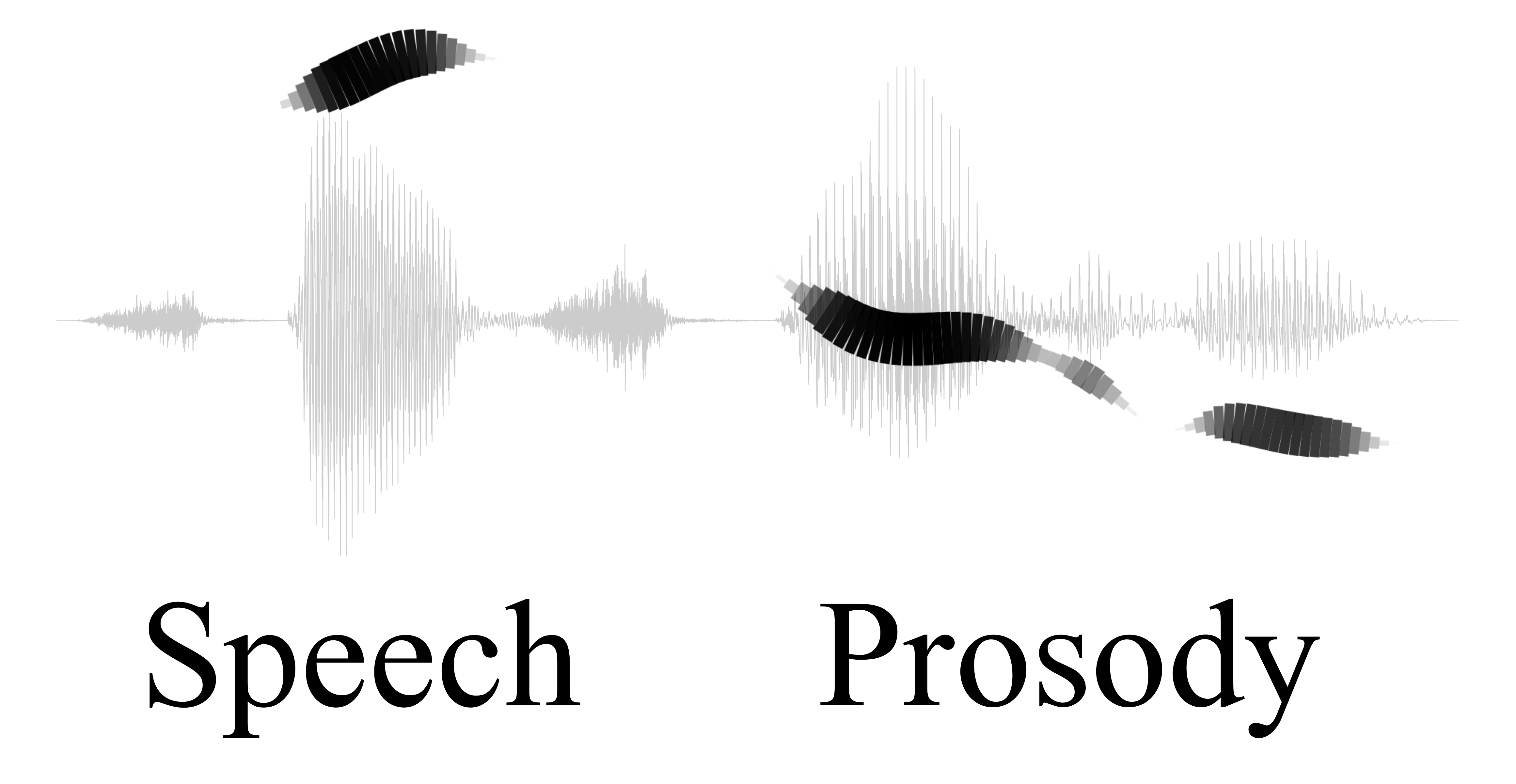
If accuracy is the foundation and rate is the engine, prosody is the steering wheel that gives reading its humanity and meaning. Prosody involves reading with appropriate expression, intonation, pitch, and phrasing.
To teach prosody, you must listen for its three distinct components:
- Pitch refers to the rising and falling of a reader's voice to convey meaning and emotion. (e.g., The voice rising naturally at the end of a question).
- Stress refers to the verbal emphasis placed on certain words or syllables during reading. (e.g., "I did complete my homework" vs "I did complete my homework").
- Phrasing is a component of prosody that involves grouping words together into meaningful grammatical units, rather than pausing mechanically after every single word.
A truly fluent reader does not read perfectly 100% of the time. Instead, they possess a highly developed internal alarm system. Self-monitoring is the internal process where a reader evaluates whether the text makes sense while reading.
When a student realizes a sentence doesn't make sense, self-correction during oral reading indicates that a student is actively monitoring text comprehension. To fix their errors, context clues can be used by readers to self-correct word recognition errors during reading.
Students rely on three interconnected cueing systems to self-correct:
- Graphophonic cues involve using letter-sound relationships to self-correct word recognition errors. (e.g., realizing the word "house" cannot be "horse" because there is an 'ou' instead of an 'or').
- Syntactic context involves using the grammatical structure of a sentence to self-correct reading errors. (e.g., "The cat sat on the beautifully" sounds grammatically wrong, prompting the child to look again and read "beautiful mat").
- Semantic context refers to using the meaning of surrounding words to determine a misread word. (e.g., If the sentence is about a farm, the word "pig" makes sense semantically, while "peg" does not).
Assessing Accuracy and Self-Correction
To map a student's internal processing, teachers use a running record, a formative assessment tool used to analyze a student's reading accuracy and self-correction rate.
During a running record, teachers often conduct a miscue analysis, which involves analyzing a student's reading errors to understand the student's specific decoding struggles. (Are they ignoring word endings? Are they confusing vowel teams?)
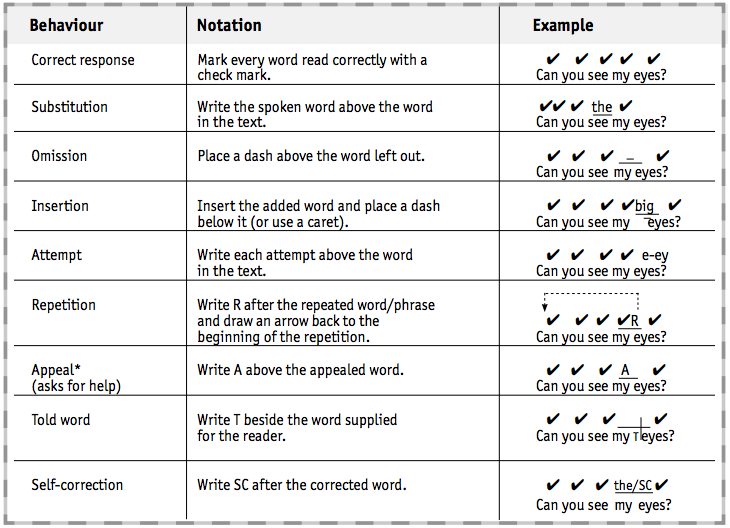
Teachers also mathematically quantify the student's self-monitoring through the self-correction rate.
The Self-Correction Rate Formula A self-correction rate is calculated by dividing the sum of reading errors and self-corrections by the number of self-corrections.
Rate=Self-CorrectionsErrors+Self-Corrections
Example: If a student makes 10 errors and self-corrects 5 of them: (10+5)/5=15/5=3. This is expressed as a 1:3 rate, meaning the student notices and fixes 1 out of every 3 mistakes they make.
How do we physically build fluency in the classroom? The foundational mechanism is repetition with guidance. Repeated oral reading with feedback is an evidence-based strategy for improving reading fluency.
Here are the specific, highly effective strategies that utilize this mechanism:
- Choral reading involves a teacher and students reading a passage aloud together simultaneously. This provides a safe, low-anxiety environment where struggling readers are carried by the rhythm and prosody of the group.
- Echo reading involves a teacher reading a short phrase aloud and students reading the same phrase back. This is a direct, immediate way to model prosody, phrasing, and pitch.
- Audio-assisted reading allows students to read along silently or orally with a recorded fluent model. This provides a persistent scaffold for independent centers.
- Partner reading pairs more fluent readers with less fluent readers to provide peer modeling and support.
- Reader's Theater builds fluency by giving students a meaningful reason to practice reading a script multiple times. Rather than arbitrarily telling a child to "read this five times," they are rehearsing for a performance, which naturally incentivizes repeated reading and expressive prosody.
The Anti-Strategy: What to Avoid
Conversely, round-robin reading is considered an ineffective instructional practice for building reading fluency. Having students take turns reading one paragraph aloud to the whole class provides minimal actual reading practice per student, spikes anxiety for struggling readers, and models dysfluent reading for the rest of the room.
Fluency over the span of a single paragraph is wonderful. Fluency over the span of thirty pages requires a different muscle entirely.
Reading stamina is a student's ability to focus and read independently for sustained periods of time. While we often assess oral fluency in short, one-minute bursts, silent reading stamina is critical for completing standardized assessments and long-form reading assignments.
This is a notoriously challenging area for data collection, because silent reading fluency is more difficult for teachers to assess than oral reading fluency. A child sitting quietly with a book may be reading fluently, or they may simply be looking at the pictures while their mind wanders.
Because we cannot easily hear their cognitive processing, we must observe their behaviors. Signs of poor reading stamina include fidgeting, abandoning texts quickly, and off-task behavior during reading blocks.
Like physical endurance, cognitive endurance cannot be forced; it must be conditioned. Reading stamina is developed gradually by incrementally increasing independent reading time expectations. A teacher might begin the year requiring five minutes of sustained silent reading, celebrating that success, and slowly pushing the threshold to seven, ten, and eventually twenty minutes.

By systematically addressing accuracy, rate, prosody, and stamina, you are not merely teaching children to say words aloud. You are building the automated cognitive architecture that allows them to interact meaningfully with the vast, complex world of written thought.