Waves and Electromagnetic Radiation
Not sure you’re ready?
Take the ~3-minute readiness diagnostic and see where you stand.
When a child shouts across a playground, the air between them and their friend does not travel. The oxygen and nitrogen molecules leaving the first child's mouth do not race across the asphalt to strike the second child's ear. Instead, a disturbance—a wave—ripples through the stationary air, passing a baton of energy from one molecule to the next until it delivers a message. To teach waves is to reveal this invisible architecture of energy transfer. For an elementary educator, mastering this architecture means recognizing that when a student plucks a rubber band, marvels at a shadow, or watches a boat on a lake, they are observing the fundamental rules of mechanical and electromagnetic radiation. Understanding not just what waves are, but how young minds misinterpret them, transforms a simple science lesson into a profound exploration of physical reality.
To understand how the universe communicates with itself, we must first define what a wave actually is. The most critical principle you can impart to your students is that waves transfer energy from one location to another, but critically, waves do not transfer physical matter from one location to another.
Elementary students often hold the misconception that waves transport water molecules from the middle of the ocean all the way to the shore. To an observant child, a crashing wave certainly looks like a moving wall of water. But this is an optical illusion of energy passing through a medium.
To correct this, you can point to the behavior of floating objects. If you observe a cork floating on a water wave, you will see that it will bob up and down as the wave passes beneath it. The bobbing motion of a floating cork demonstrates that waves do not push matter forward. The water simply lifts and drops the cork as the wave's energy travels horizontally past it.
Mapping the Wave
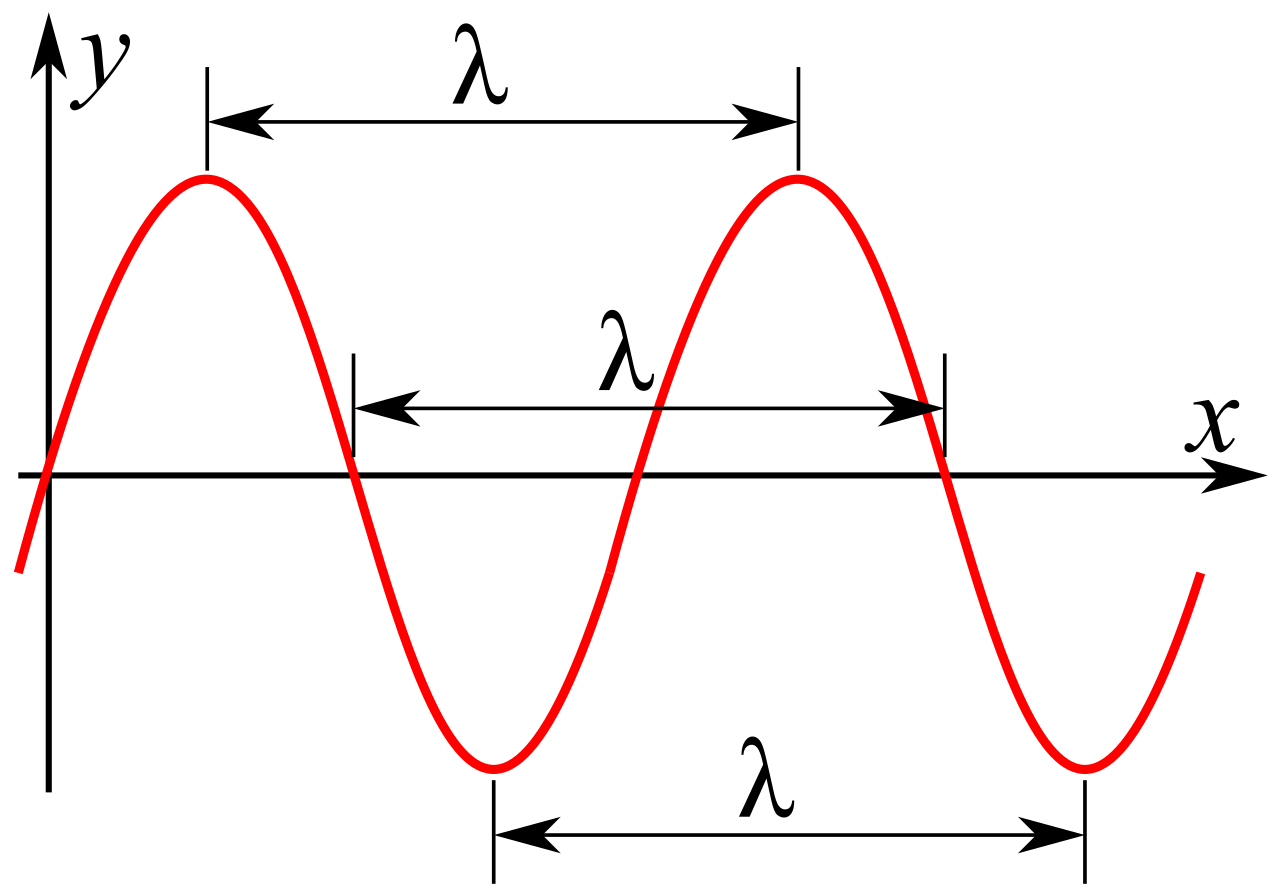
When we diagram a wave, we use specific vocabulary to measure its physical properties:
- Wavelength is the distance between one wave peak and the next consecutive wave peak.
- Amplitude is the vertical distance from the resting position of a wave (the flat midline) to the highest peak.
Teaching Connection: Imagine a jump rope stretched out on the ground. The rope's resting position is flat on the floor. If you whip your arm up and down, the height the rope reaches off the floor is its amplitude, while the distance from the top of one hump to the top of the next is its wavelength.
Not all waves move through space in the same way. The direction in which the wave vibrates relative to the direction it travels defines its type.
- Transverse Waves: Think of the jump rope example. The energy moves horizontally away from your hand, but the rope itself vibrates up and down. Transverse waves vibrate perpendicular to the direction of wave travel. Light waves are transverse waves.
- Longitudinal Waves: Imagine a coiled Slinky toy. If you push one end straight forward, a compressed ring of coils moves down the line. Longitudinal waves vibrate parallel to the direction of wave travel. Sound waves are longitudinal waves.
To teach sound effectively, you must ground the abstract wave in concrete, physical motion. The golden rule of acoustics in the classroom is a two-way street: vibrating materials produce sound, and conversely, sound waves cause solid materials to vibrate.
You need to provide students with physical evidence of these invisible vibrations. Fortunately, the classroom is full of opportunities to prove this:
- Plucking a stretched rubber band causes the rubber band to vibrate and emit sound. The visual blur of the band perfectly corresponds to the hum it produces.
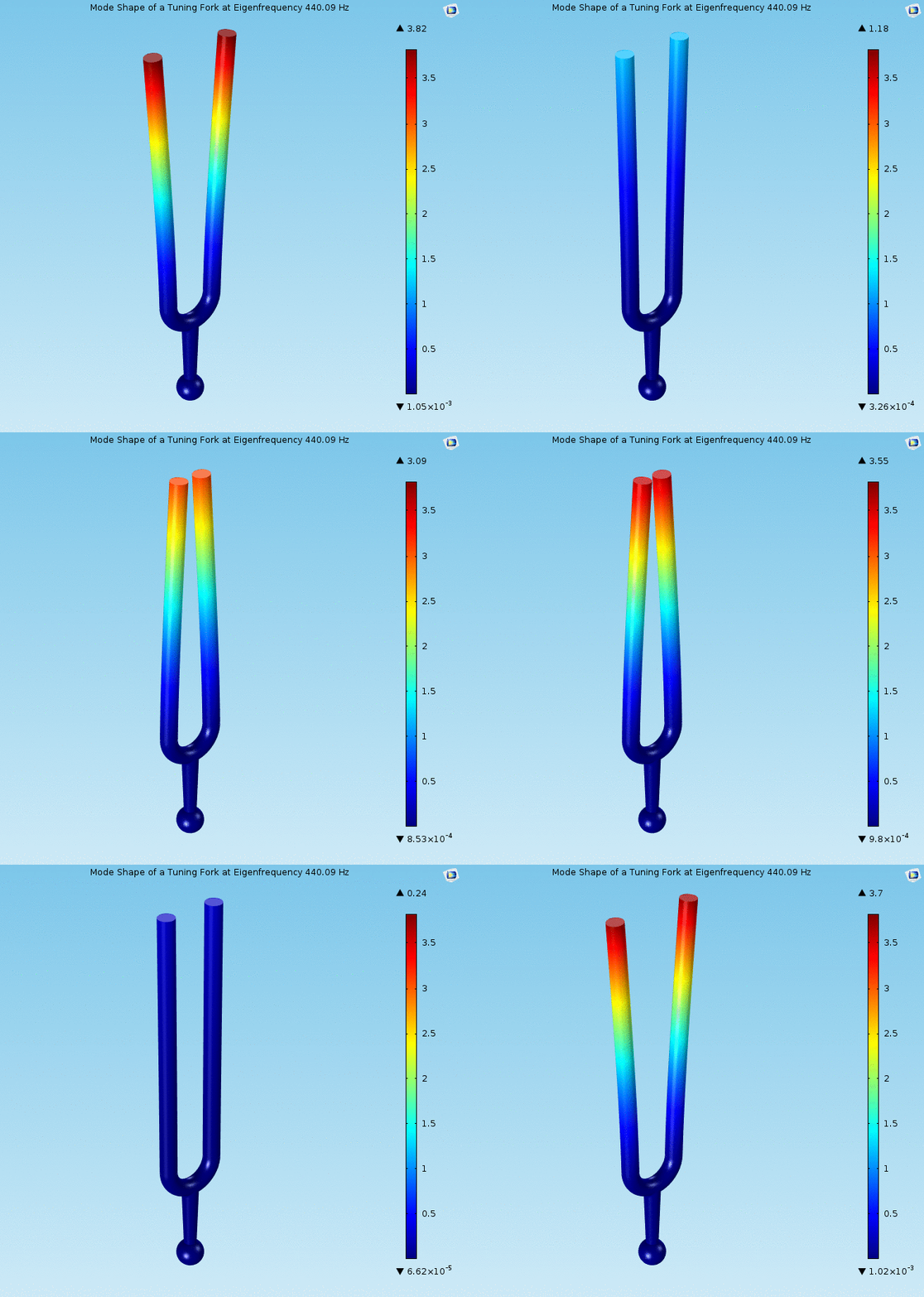
- Placing a vibrating tuning fork into a container of water causes the water to splash. This dramatically visualizes the invisible kinetic energy of the metal prongs transferring into the liquid.
- Touching a vibrating speaker cone provides physical evidence of sound vibrations. The thump against a student's fingertips makes the invisible wave immediately tangible.
Volume and Pitch
How do we translate the physical shape of a wave into what our ears actually hear?
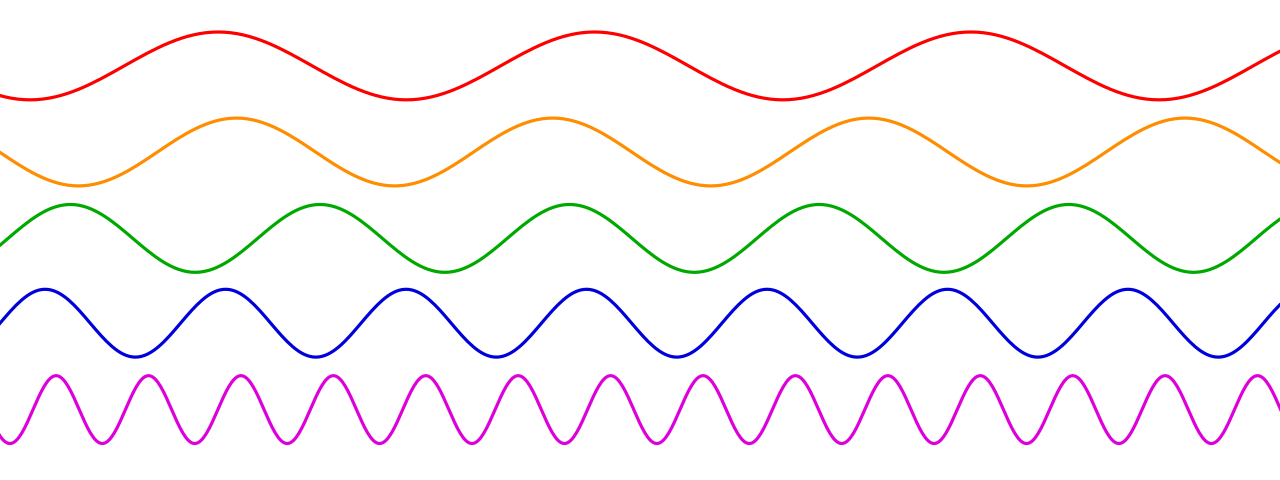
- Volume is dictated by the height of the wave. The volume of a sound is directly related to the amplitude of the sound wave. Therefore, larger amplitudes produce louder sounds. Think of it as taking more energy to push the air harder.
- Pitch is dictated by how often the waves hit our ears. The pitch of a sound is determined by the frequency of the sound wave. Higher frequency sound waves produce higher pitched sounds.
The Requirement of a Medium
Because sound is a series of physical collisions (molecules bumping into neighboring molecules), sound is a mechanical wave. A defining characteristic of this category is that mechanical waves require a physical medium to travel—be it solid, liquid, or gas.
Elementary students often incorrectly believe that sound can travel through empty space, largely due to science fiction movies featuring thunderous explosions in the vacuum of space. As a teacher, you must correct this: sound cannot travel through a vacuum. Without physical matter to bump together, the baton of energy is dropped.
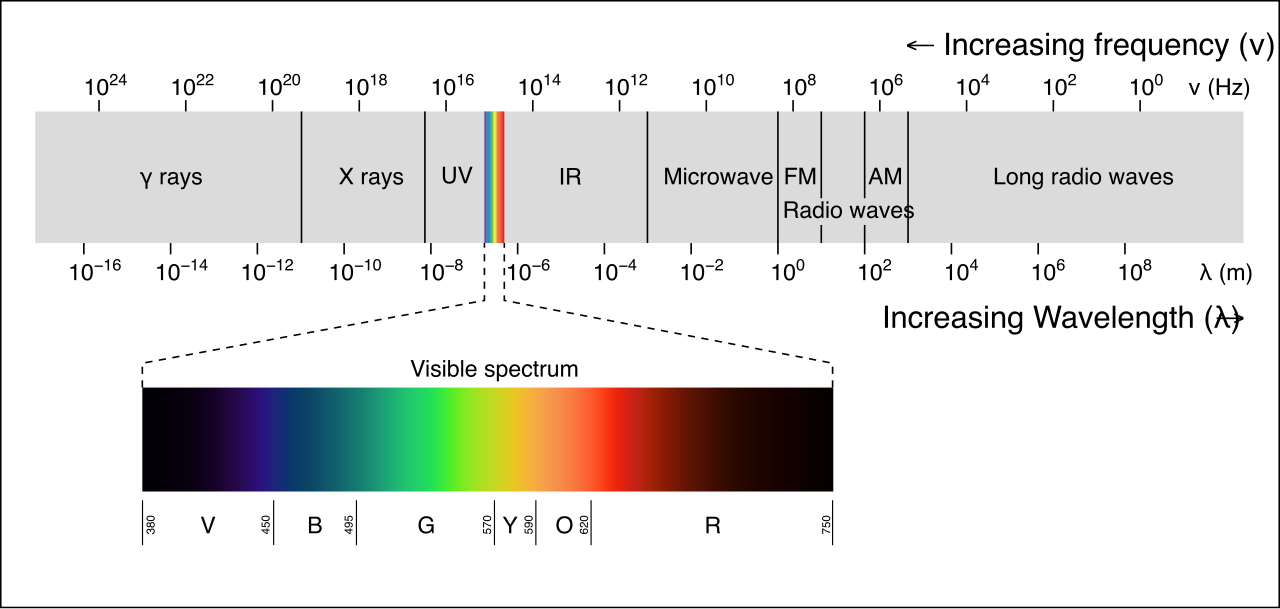
If sound is bound by matter, light is entirely unbound. Light is a type of electromagnetic wave. Unlike sound, electromagnetic waves do not require a physical medium to travel. This is why light can travel through the vacuum of space, allowing the sun's energy to reach Earth across 93 million miles of emptiness.
The Journey and the Obstacle
Light travels in straight lines. It does not curve around corners or bend on its own accord. A core principle to teach is that a light beam will continue in a straight line until the light beam interacts with an object.
When light finally does strike an object, the nature of the material dictates what happens next. You must understand the four primary ways materials interact with light beams:
| Material Type | Definition | Real-World Example |
|---|---|---|
| Transparent | Transparent objects allow almost all visible light to pass directly through the transparent material. | Clear glass is a common transparent material. |
| Translucent | Translucent objects allow only some light to pass through the translucent material. Crucially, they scatter the light passing through the translucent material. | Frosted glass is a common translucent material. |
| Opaque | Opaque objects completely block light from passing through the opaque material. | Wood is an example of an opaque material. |
| Reflective | Reflective objects cause light waves to bounce off the surface of the reflective object. | Mirrors are highly reflective objects. |

The interactions between light and matter govern everything we see. A fundamental rule of biology and physics combined is that objects must reflect or emit light for the human eye to see those objects.
If we place a student in a completely sealed room with zero light sources, what happens? A common misconception is that the eyes will eventually "adjust" and begin to make out shapes. This is physically impossible. A dark room contains no visible light. Because vision relies entirely on light waves entering the eye, objects cannot be seen in a completely dark room.
The True Nature of a Shadow
When light traveling in its straight line hits an opaque barrier, the light stops. This brings us to a pervasive classroom misconception: elementary students often hold the misconception that shadows are physical objects rather than an absence of light. They think of a shadow as a dark "stain" painted onto the ground.
You must reframe their perspective. Shadows are created when an opaque object blocks a source of light. A shadow is not a thing; it is the lack of a thing. It is simply a region of the ground where the barrage of straight-moving light waves was intercepted by a barrier.
Once humanity understood how waves behave, we learned to manipulate them to communicate. This is known as information transfer. By altering the patterns of waves, we can encode data and send it across vast distances.
- Information can be transmitted over long distances using patterns of light. A classic historical example is a ship using a flashing lantern communicating Morse code.
- Information can be transmitted over long distances using patterns of sound. Native tribes and ancient armies utilized this; beating a drum in a specific pattern is an example of information transfer using sound.
- We can also harness the vibrating solids we discussed earlier. A classic elementary engineering project is the paper cup and string telephone, which uses mechanical vibrations in the string to transmit sound over a distance. When a student speaks into the cup, the sound waves cause the bottom of the cup to vibrate, which pulls on the string, sending a mechanical wave down the line to vibrate the second cup and recreate the sound in the listener's ear.
The Modern Era
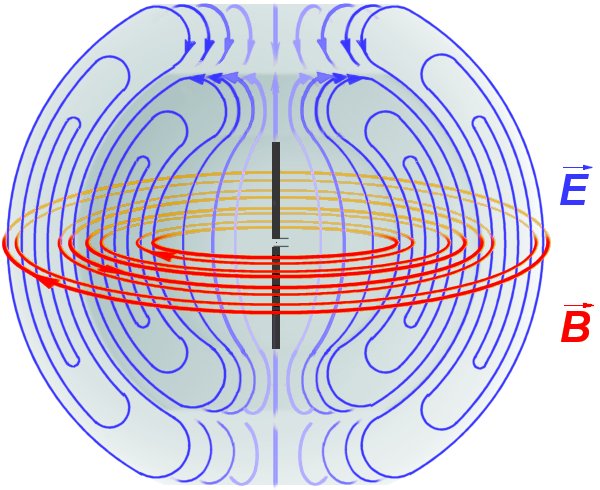
Today, we no longer rely solely on drums or string. Modern communication devices use invisible electromagnetic waves to transfer digital information. When your students use a tablet to stream a video or a cellphone to send a text, they are relying on antennas emitting precisely controlled, invisible transverse waves (like Wi-Fi and cellular signals). Though we cannot see these waves like we see a ripple on a pond, they obey the exact same physical laws: they are wavelength-and-amplitude-defined transfers of energy traveling continuously until they strike an interacting surface.
By mastering these principles, you prepare yourself to take students on a journey from the tangible pluck of a rubber band to the invisible architecture of the digital world.