Volume of Rectangular Prisms
Not sure you’re ready?
Take the ~3-minute readiness diagnostic and see where you stand.
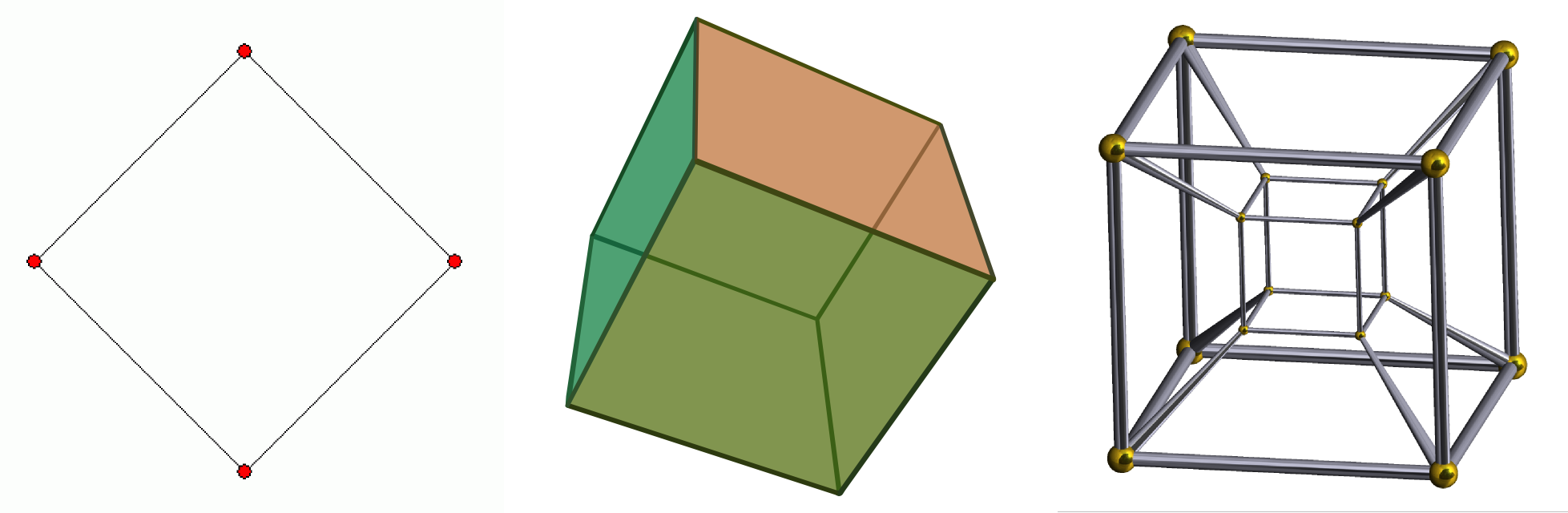
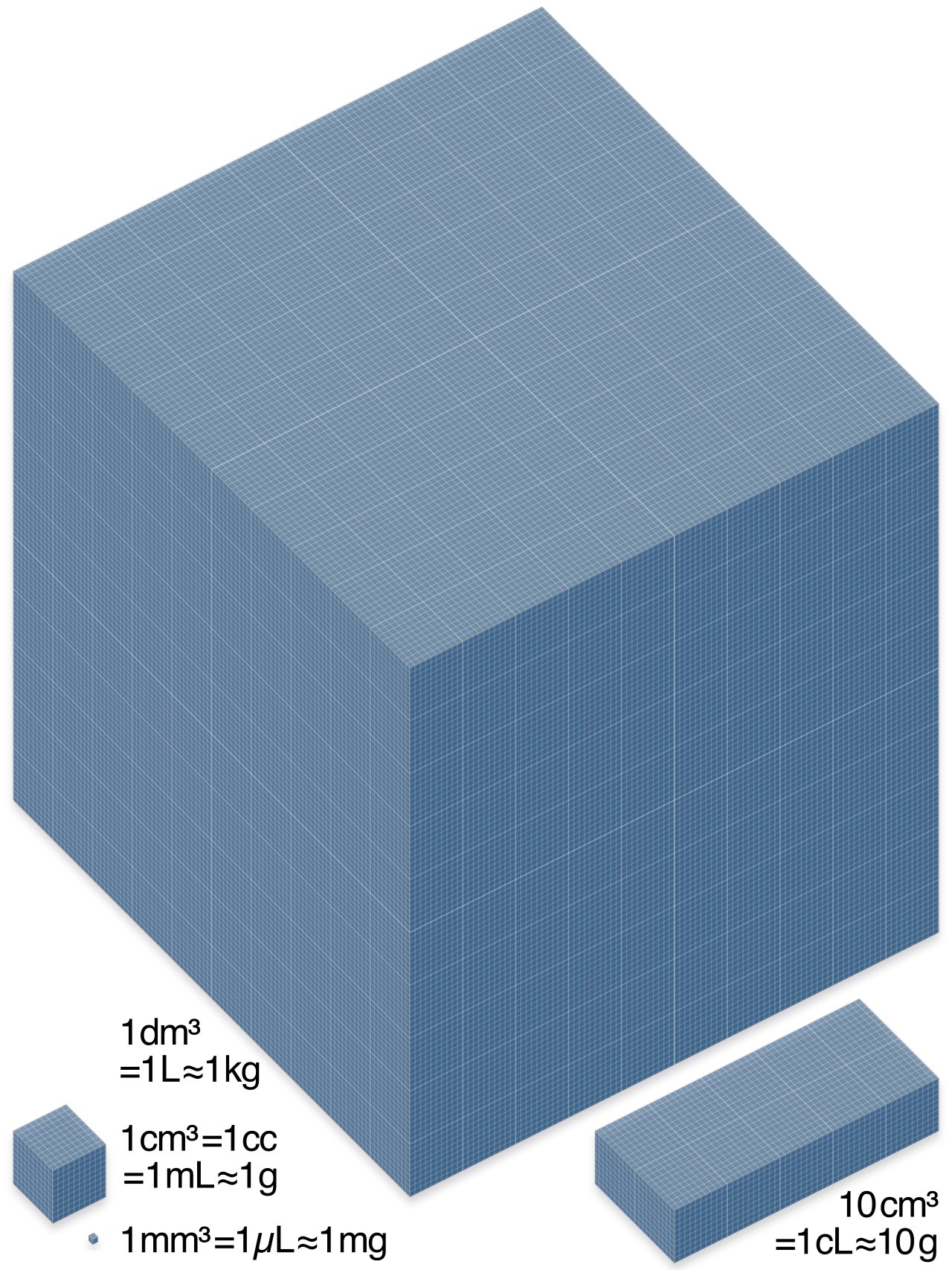
To a geometer, a simple cardboard box resting on a desk represents a profound leap in dimensionality—from flat, two-dimensional planes to the rich, three-dimensional reality we inhabit. This shape is a rectangular prism, a three-dimensional solid object with six rectangular faces. It is fundamentally defined by the architecture of its boundaries: exactly 6 faces enclosing the shape, precisely 12 edges where these rectangular faces intersect, and exactly 8 vertices, or corners, anchoring the structure. To understand this shape is not merely to tally its components, but to quantify the physical reality it commands. Volume measures the amount of three-dimensional space enclosed by a boundary. It is vital to distinguish this geometric property from the "skin" of the object; volume measures the interior space of a prism while surface area measures the total area of the exterior faces. Mastering how to calculate, manipulate, and convert this interior space provides the mathematical foundation for everything from architectural engineering to passing the Praxis Core Mathematics exam.