Nursing Fundamentals on the NHRA Nursing Licensing: What's Tested and How to Study It
In short
Nursing Fundamentals is the base layer of the NHRA nursing licensing syllabus: the nursing process, physical assessment, pharmacology, and the basic sciences underneath all three. Only Ever's plan gives it 30 hours across four topics. NHRA publishes no blueprint, so nobody can tell you how many questions it carries. What the domain does buy you is reasoning you can use on every clinical section that follows.
The big ideas
Four topics make up this domain: Fundamentals of Nursing, Physical Assessment, Pharmacology and Basic Sciences. They run in sequence: gather the information, interpret it, act on it, and understand the physiology that makes the action work.
Fundamentals of Nursing: the method underneath
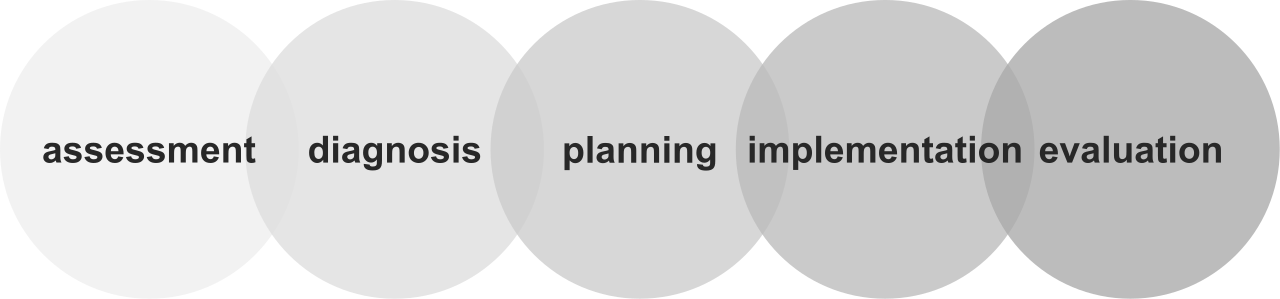
The nursing process is the method to fall back on whenever two plausible answers are competing. Assess the patient, identify the problem, plan the intervention, carry it out, then evaluate whether it worked and begin again.
The loop works as a decision rule. If you have not gathered the data, you cannot justify the action, and that ordering is the thing the loop protects.
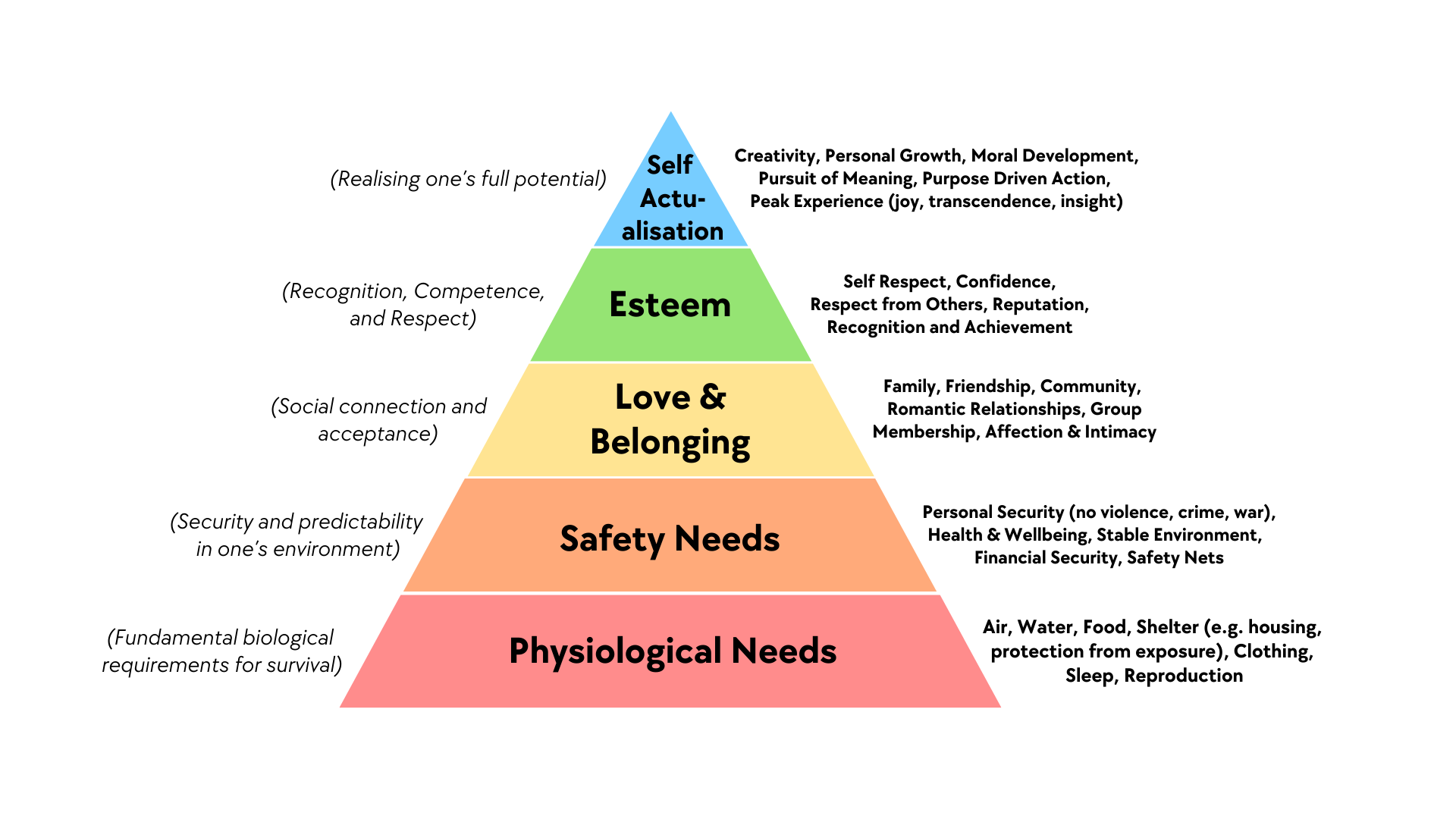
Prioritization is the other half of the method. When several problems compete, physiological survival needs come first, then safety, then comfort, belonging and self-esteem. Airway before breathing, breathing before circulation. A patient who is anxious and hypoxic gets oxygen first, and reassurance while the oxygen runs.
Physical Assessment: look before you touch
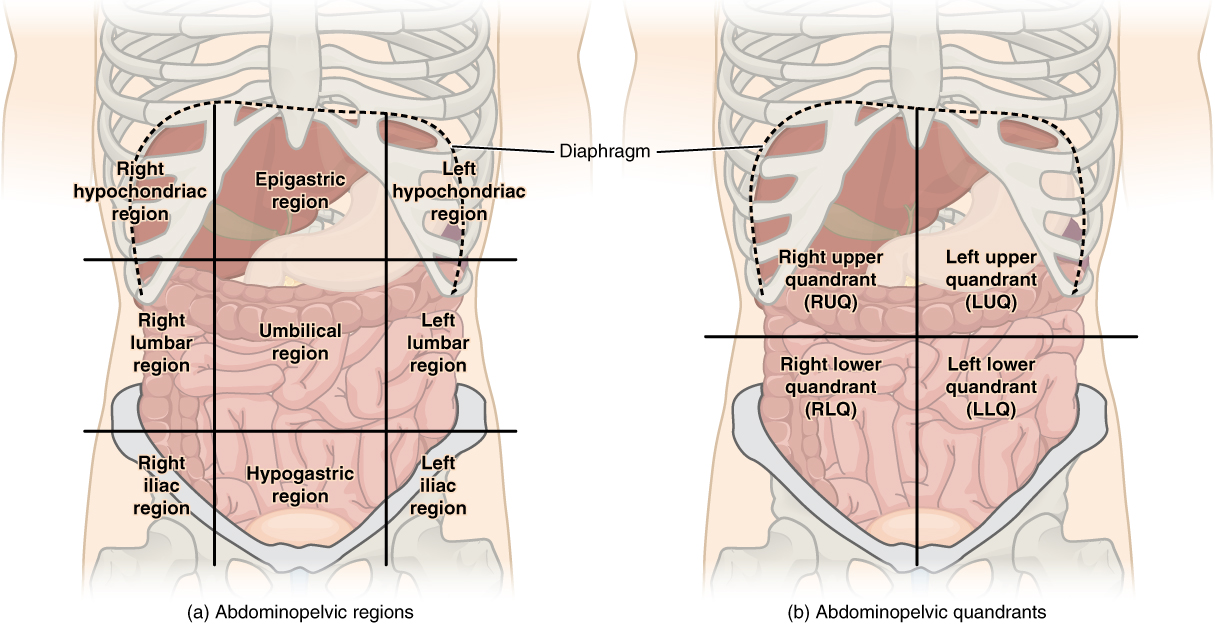
Assessment has an order, and the order does real work. You inspect first, because looking costs the patient nothing and tells you a great deal. On the abdomen you listen before you press, since pressing changes the bowel sounds you were about to assess. Percussion and palpation come last.
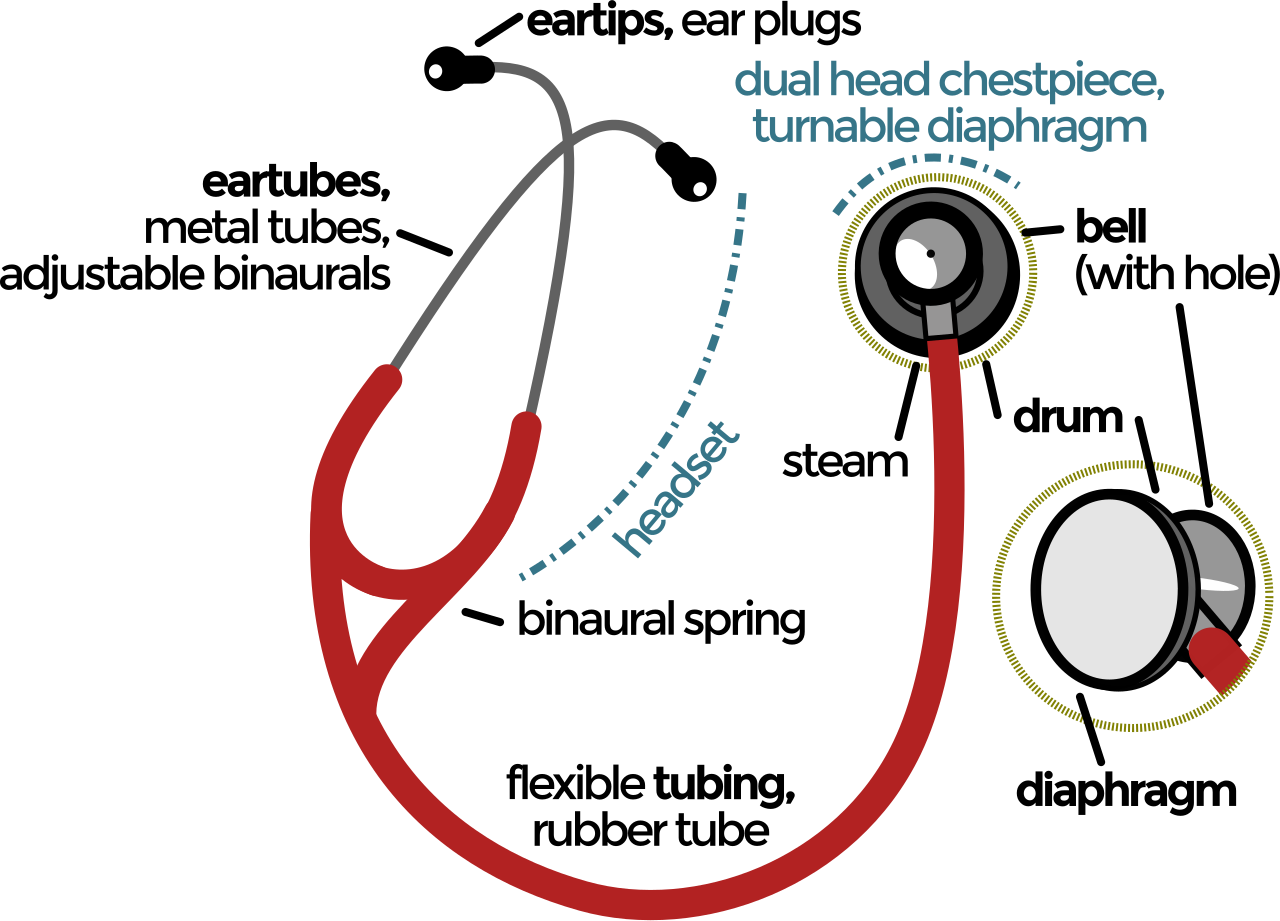
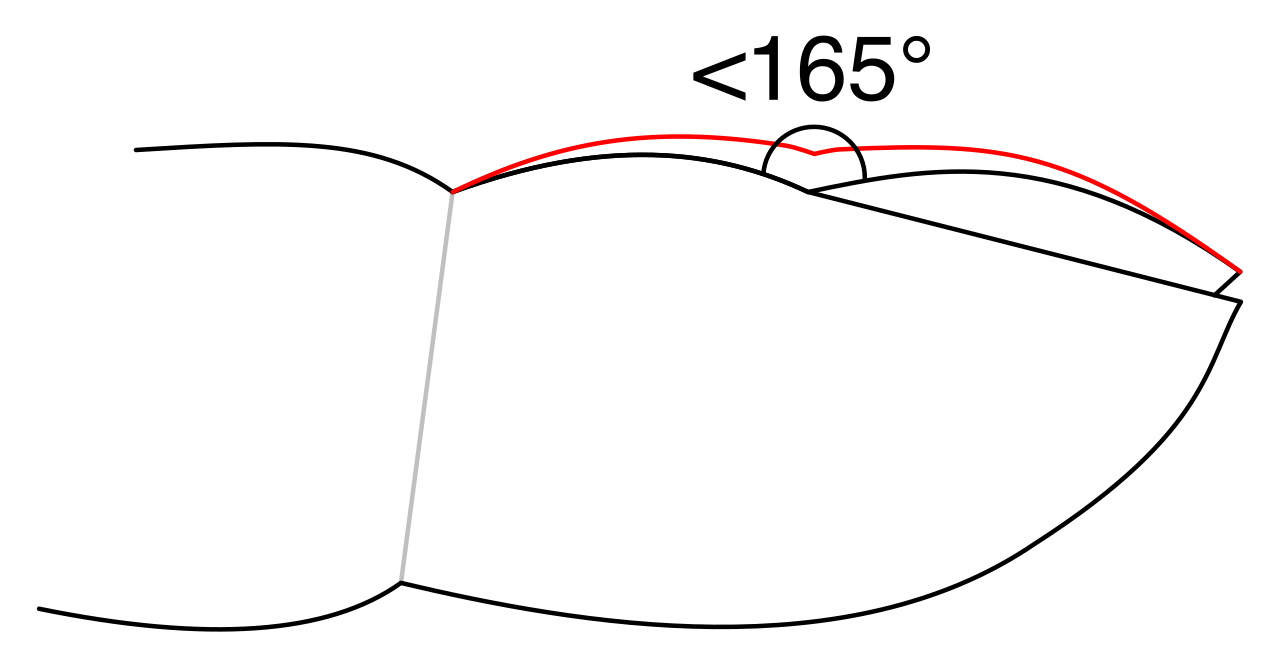
Learn your instrument properly. The bell of the stethoscope is built for low-pitched sounds and the diaphragm for high-pitched ones. The same chest will hand you different information depending on which side you use and how hard you press.
Then learn the body's slow signals. Clubbing — fingernails rounded and softened at the base — is a sign of long-standing poor oxygenation. Press a swollen ankle and watch what the dent does. Pupils that will not respond to light are a neurological finding, not an eye finding. Each of those observations turns guesswork into reasoning.
Pharmacology: follow the drug through the body
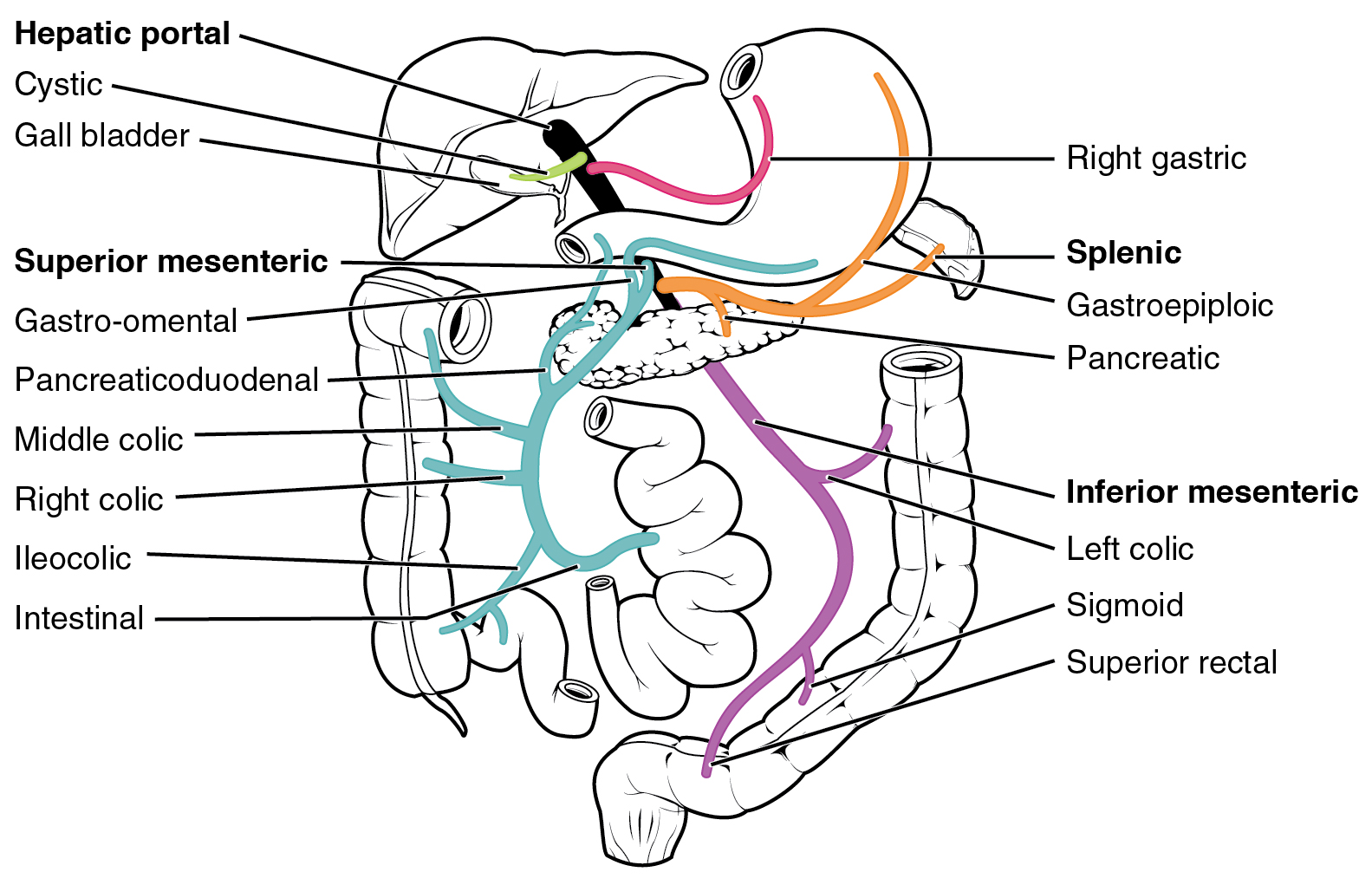
Pharmacology becomes manageable once you follow a single tablet through its journey: absorbed, distributed, metabolized, excreted. Each stage carries its own category of harm.
Start with absorption, because the route decides the dose. A drug swallowed and absorbed from the gut reaches the liver before it reaches the rest of the body. A large share of it can be broken down there before it does anything, which is why the same drug is dosed differently by mouth and by injection.
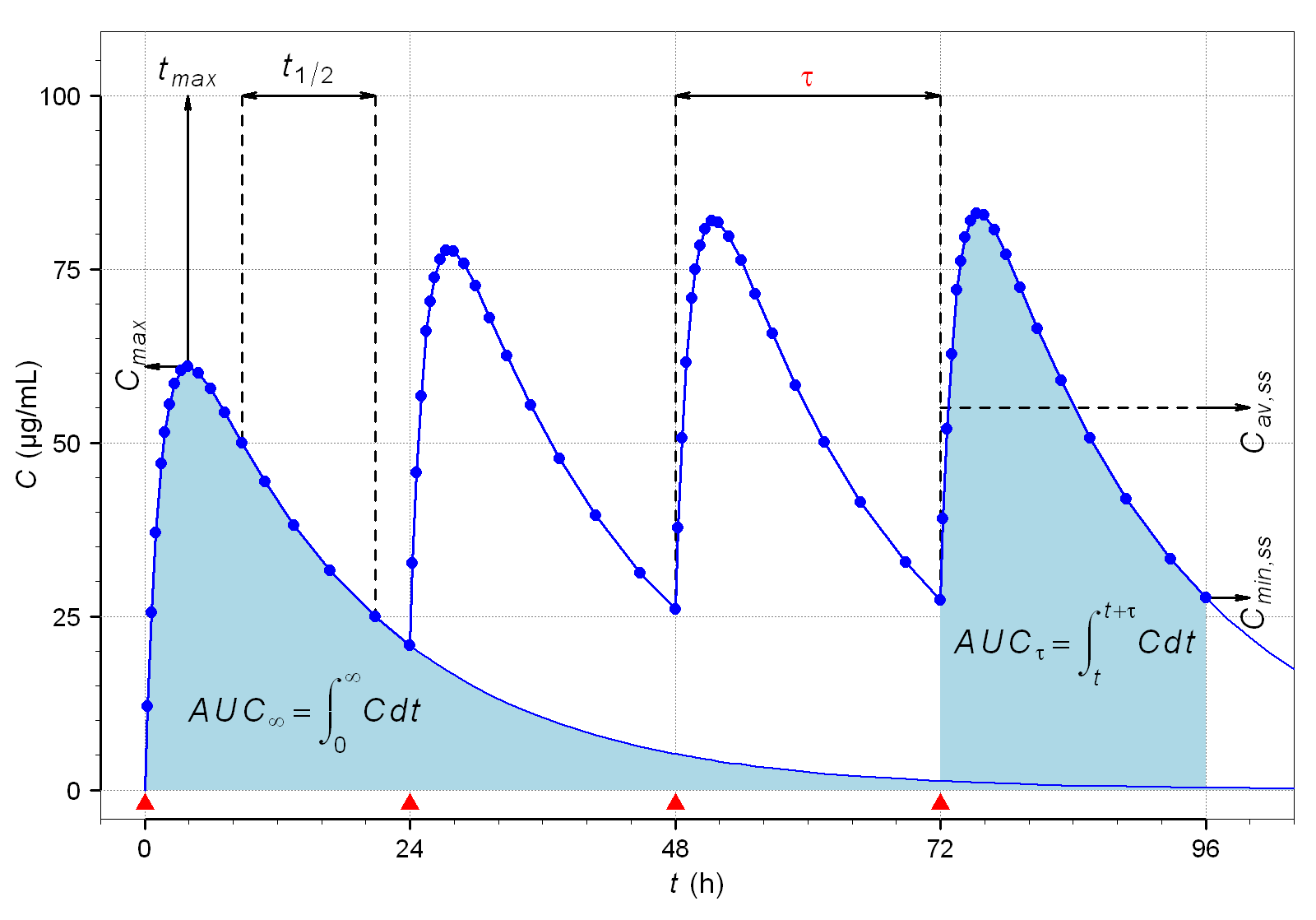
Metabolism is where interactions live. Foods, other drugs and liver disease all change the speed at which the body clears a medication, and a drug cleared more slowly than expected climbs toward toxicity with nobody having changed the prescription.
Excretion is why kidney function governs dosing. It is also why some medications are followed by blood level. The level drawn just before the next dose and the level drawn at the peak answer two separate questions. Is there enough drug present to work? Is there so much that it will do harm?
Administration is where the theory meets the patient's skin. Route, site and angle all matter, and so do the checks you run before anything is given: right patient, right drug, right dose, right route, right time.
Basic Sciences: the layer under the other three
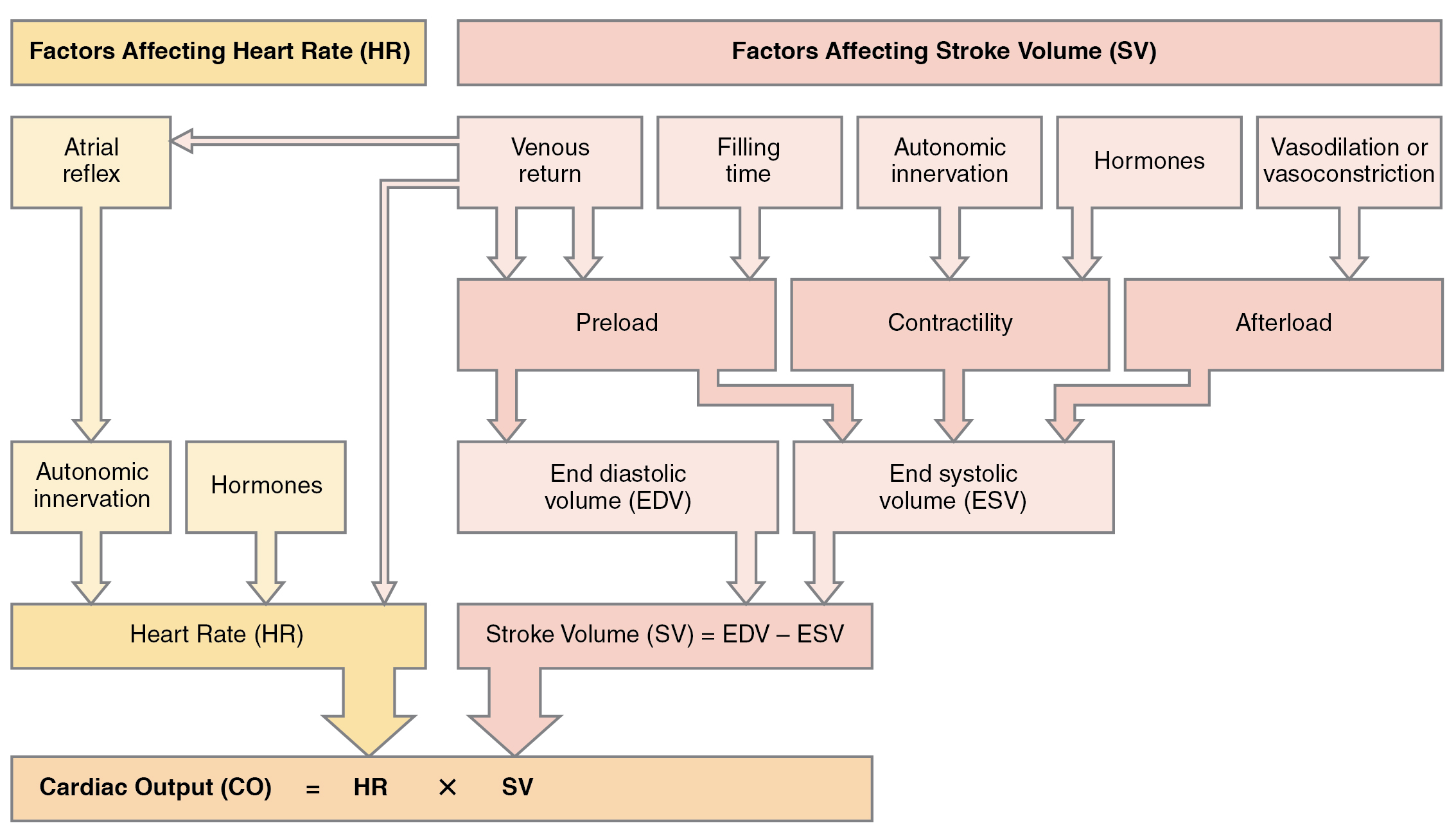
Anatomy and physiology are what stop this domain from being memorization. Cardiac output is why a falling blood pressure and a rising heart rate belong to the same story. A fever is a controlled change in the body's set point. Fluid compartments tell you what an intravenous bag does once it is in.
Study this topic inside the cases that use it, so the physiology arrives attached to a patient.
How it shows up on the exam
NHRA does not publish a content blueprint, a domain weighting or a question count for this exam, so nobody can tell you how many Nursing Fundamentals questions you will see. Any figure you find on a prep site is unsourced.
What Only Ever publishes is a study-hour recommendation. It is our number, and NHRA has not endorsed it. We give Nursing Fundamentals 30 hours across its four topics — about seven and a half hours per topic, and 20% of the 150-hour plan for the whole syllabus. Read it as our estimate of where the work sits, and read every number below in the same light.
How to spend those 30 hours:
Keep pharmacology on a daily rotation, since classifications, side effects and dosage safety reward repetition →
give physical assessment the largest single share, because it feeds every clinical domain after this one →
keep the basic sciences attached to the cases they explain →
finish by re-testing the nursing process with questions instead of notes.
The reason to front-load this domain is structural. Only Ever's study guidance treats these concepts as the groundwork for the adult and maternal-child material, and those two carry 105 of the plan's 150 hours between them. Thirty hours here supports seventy percent of the plan.
Two self-checks tell you whether the 30 hours have landed. Can you work out a medication dose without a dosage chart in front of you, and say what the common drug classes do once they are in the body? Can you run a systematic head-to-toe assessment and name which of your findings are abnormal?
Common questions
How many Nursing Fundamentals questions will I get? Nobody can tell you. NHRA publishes no question count and no content blueprint, and Prometric does not publish one either. Numbers circulating on prep sites contradict each other and cite nothing.
Is the 20% figure NHRA's official weighting? No. NHRA publishes no weights at all. The four domains and the split between them come from Only Ever: we built the allocation out of a standard nursing curriculum and NHRA's Scope of Nursing and Midwifery Practice.
How long should I spend on this domain? We recommend 30 hours across the four topics, out of a 150-hour plan for the full syllabus. Move hours toward whichever topic your practice scores say is weakest.
Do I need the basic sciences if I am already a practicing nurse? Yes. They are one of the four topics in this domain, and they are the layer that makes the other three explainable.
What does the exam itself look like? Multiple-choice questions delivered on a computer at a Prometric test center, with 2.5 hours of testing time inside a three-hour seating. You need an NHRA eligibility code from the Mehan portal before you can book.
Only Ever's practice questions and study guides for this exam are free, including the AI-generated sets other providers charge for. NHRA publishes no weighting, so the only one available to you is your own: a scored practice set, marked topic by topic. Try the free practice questions and start with the Nursing Fundamentals topics, because this domain is the groundwork the later ones stand on.