Nursing Management and Leadership on the NHRA Nursing Licensing: What's Tested and How to Study It
In short
Nursing Management and Leadership is one of four domains on the NHRA nursing licensing exam, and the smallest in our study plan: 15 hours across six topics. It covers coordinating care resources, frontline quality and safety, nursing teams, informatics, evidence-based practice, and the NHRA scope of practice you will be licensed under.
The big ideas
NHRA's own scope of practice, and the competencies it expects of a licensed nurse, are the material behind this domain. Its six topics are shaped accordingly: each one turns on a decision you have to make during a shift.
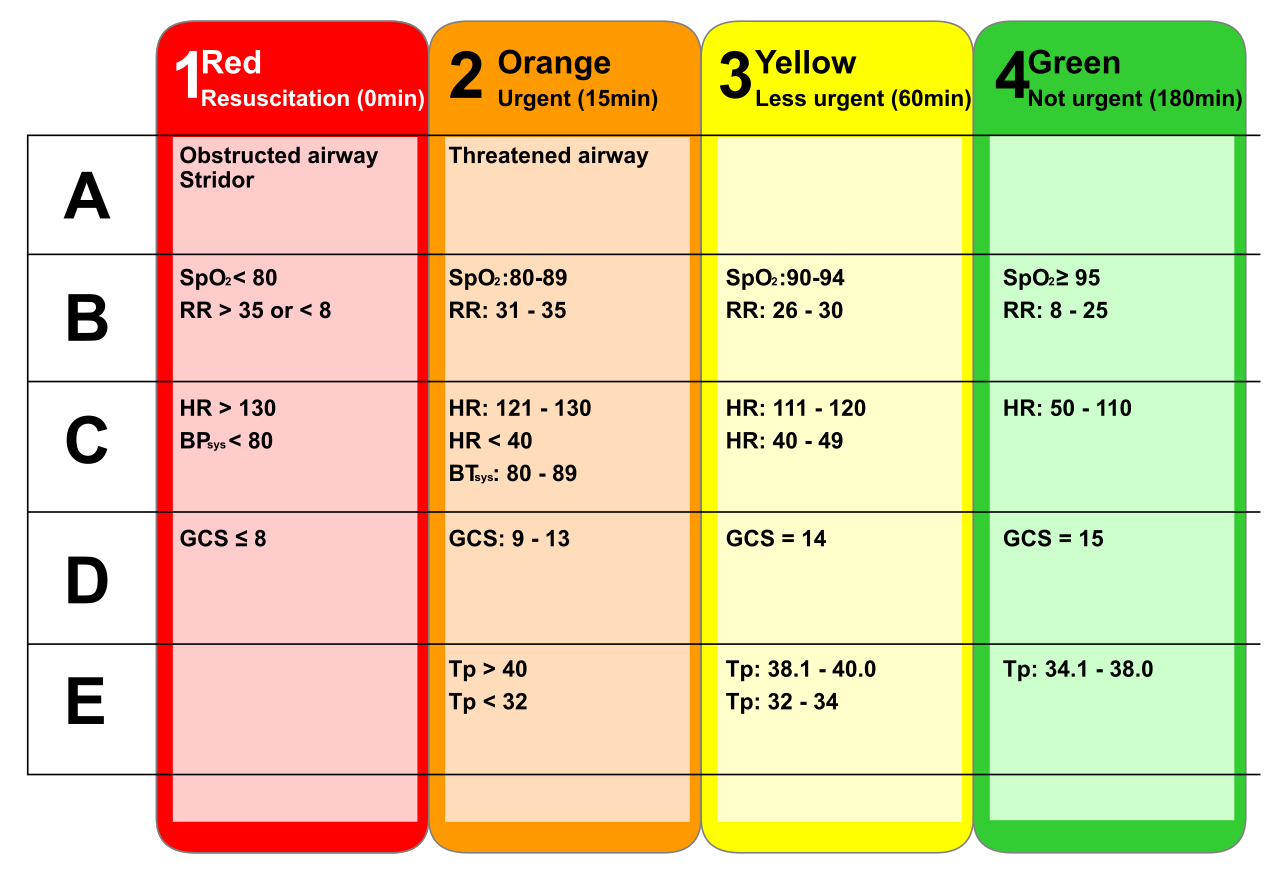
Start with a shortage. Say two patients need you at once, a colleague has called in sick, and the infusion pumps are all in use on another ward. Resources to Support and Coordinate Patient Care covers exactly that ranking problem: competing demands, ordered by how sick each patient is. A prioritization model gives you an order you can defend later, to a shift leader or an auditor.
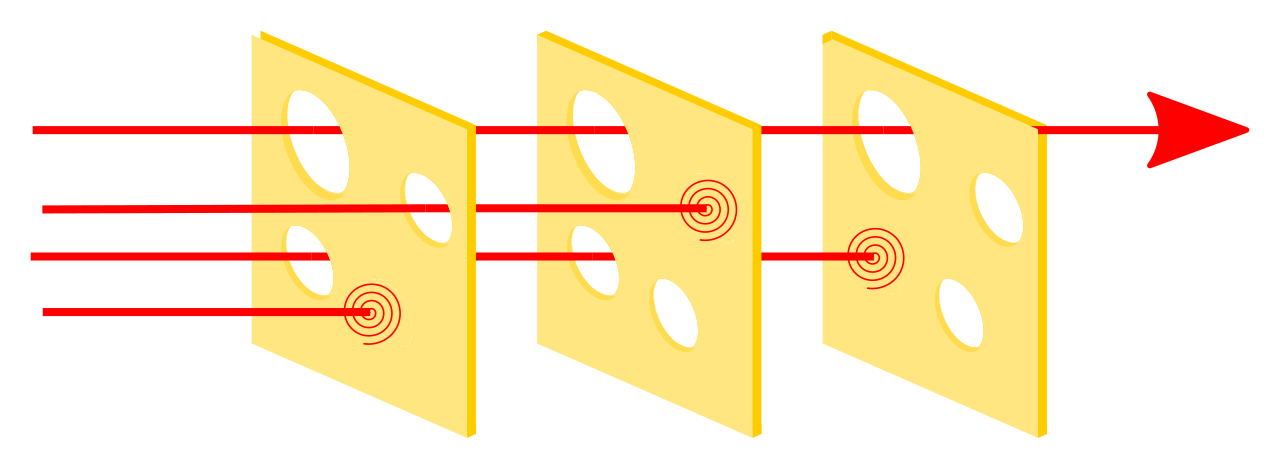
Quality and Safe Patient Care at the Frontline asks a harder question: when something goes wrong, what failed? Harm usually arrives through a stack of small gaps that happen to line up: an unlabeled syringe, a check done from memory, a policy nobody has read. Studying this topic means learning to look for the system that let the error through, and to describe care with data you can point at.
Delegation is the part of Nursing Teams and Interprofessional Relations worth drilling until it runs automatically. Two things decide whether a task can move: how sick the patient is at that moment, and what the other person's scope of practice allows. Both have to hold.
Read the patient's acuity right now →
check what the assistant's scope permits →
move the task only if both clear.
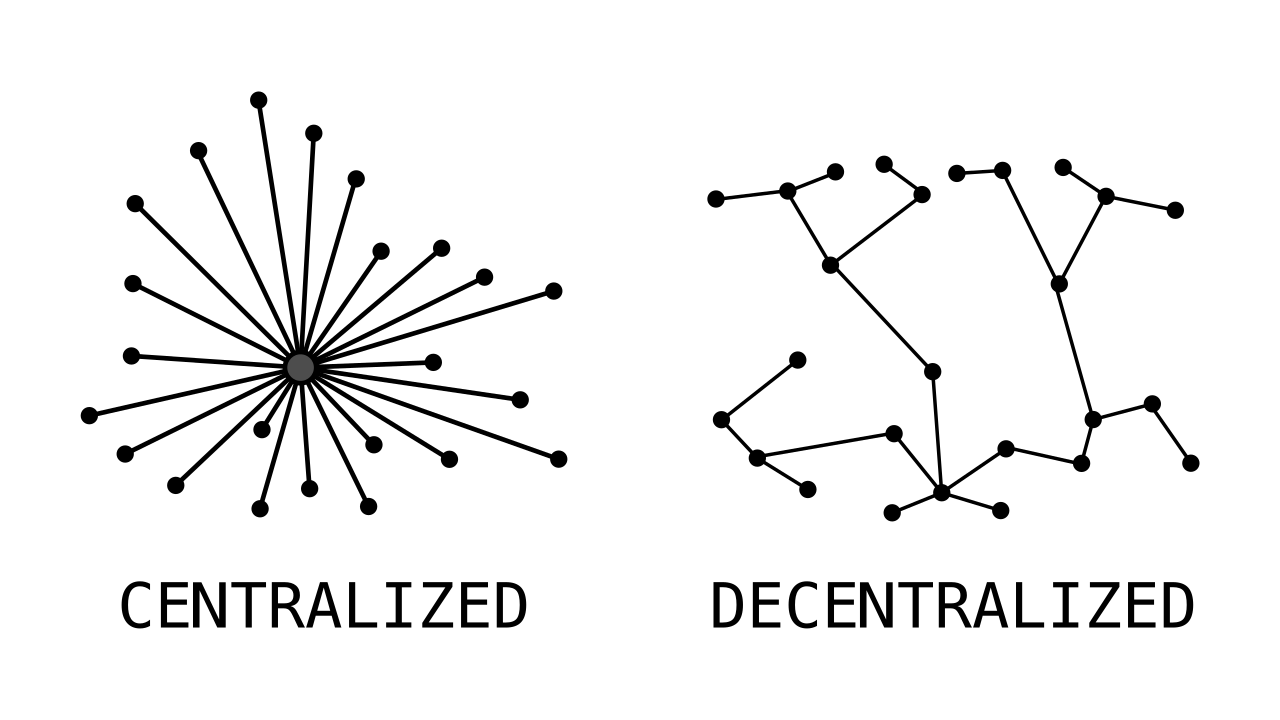
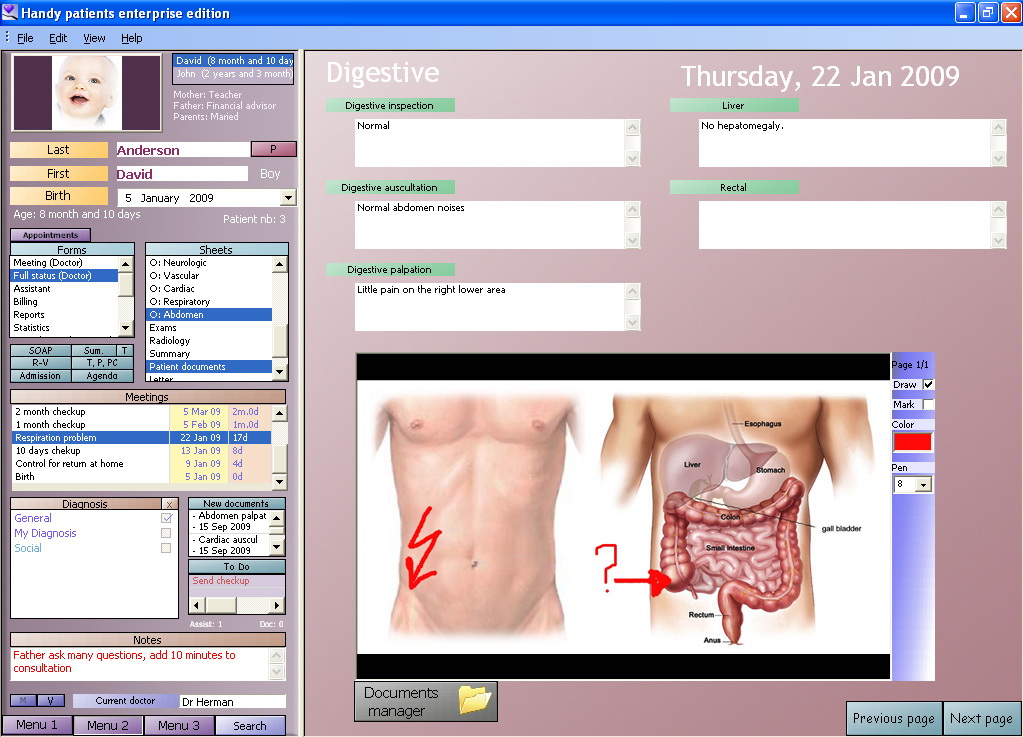
Nursing Informatics for Safe and Legal Delivery of Patient Care is about the record as much as the software. What you type becomes the document that speaks for you when you are not in the room: at handover, or in a complaint. Informatics is the work of getting the right data to the right person without it being lost between departments or filed under the wrong patient.
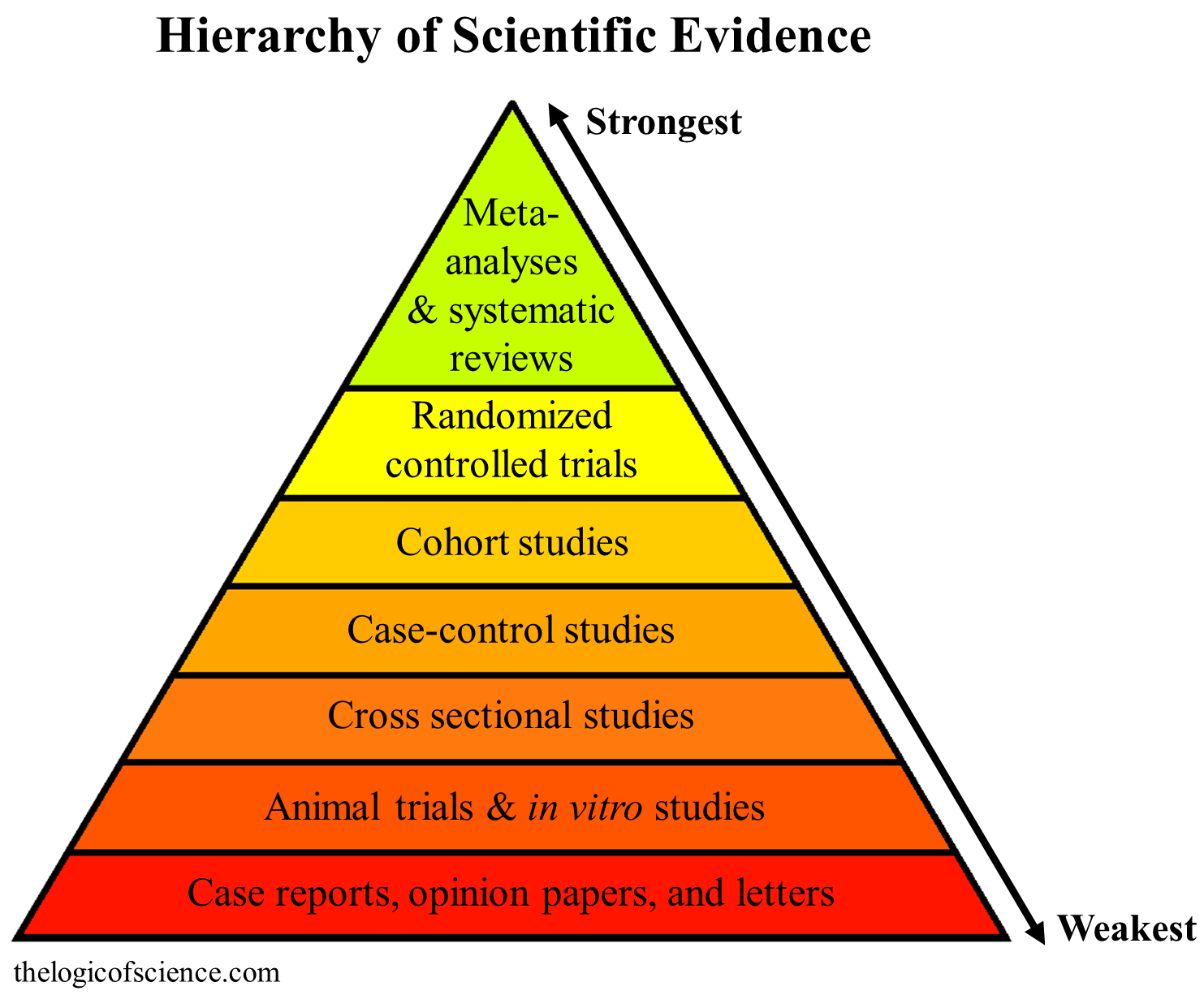
Research and Evidence Based Practice asks you to grade evidence before you act on it. One small trial and a systematic review of many trials carry different weight, and knowing which sits higher is half the skill. The other half is integration: you weigh the evidence against your own clinical experience, and against what the patient in front of you wants.
NHRA Nursing Scope of Practice, Licensing & Professional Conduct (Bahrain) is the topic where the rules themselves are the content. NHRA's framework names five competencies it expects of a licensed nurse: professionalism, patient-centered care, evidence-based practice, quality and safety management, and health education and promotion. Three ethical terms sit underneath them: autonomy, the patient's right to decide; beneficence, acting in their interest; nonmaleficence, avoiding harm. Learn the definitions. Then work the cases where two of them pull in opposite directions.
How it shows up on the exam
NHRA publishes no content blueprint, no domain weighting and no question count, and Prometric does not fill the gap. The 100-to-150 figures you will see quoted come from third-party prep sites, which contradict one another and name no source. So there is no per-domain question count on this page, for Nursing Management and Leadership or for the other three, and no source we have found names one.
You get two and a half hours of testing inside a three-hour Prometric appointment, on a computer, multiple choice throughout.
Our hour budget for this domain
Our own allocation of study time for the NHRA Nursing Licensing exam:
| Domain | Our recommended hours | Topics |
|---|---|---|
| Adult Nursing | 60 | 5 |
| Maternal-Child Nursing | 45 | 5 |
| Nursing Fundamentals | 30 | 4 |
| Nursing Management and Leadership | 15 | 6 |
Those 150 hours are Only Ever's, and there is nothing official to compare them against. Move the hours toward whatever you keep getting wrong.
At 15 hours across six topics you have 2.5 hours per topic. The topics are separable enough that you can finish one in a sitting and start the next without re-reading anything.
Spend the first hours on NHRA's scope of practice and Bahrain's licensing requirements, since they anchor everything else here. Then safe delegation and the prioritization models. Then healthcare informatics. Leave a clear block at the end for autonomy, beneficence and nonmaleficence.
You will know the 15 hours have landed when two questions are easy to answer. What does NHRA's scope of practice permit you to do, and what do Bahrain's regulations require of you? And can you delegate a task to an unlicensed assistant on acuity and scope alone?
Getting your eligibility code in time
You cannot book this exam yourself. Booking follows an eligibility code, which NHRA issues through its Mehan portal. One code covers one attempt, and it expires four months after issue.
That window is shorter than a full course of study: four months is roughly 17 weeks, while Only Ever's complete plan for this exam runs 21 weeks. Ask for the code in week 1 and it lapses before the date you wanted it for. Apply once your target sitting is inside four months, which on a 21-week plan means around week 4.
The wider limits are looser. NHRA allows four consecutive attempts in the three years following your first sitting, and a pass you earn stays valid for five years.
The pass mark
Only one number here is contested, and it is the one you most need. Two official documents give different answers. NHRA's own licensure-examination booklet clears nurses, midwives and allied health professionals at 50% and reserves 60% for everyone else. Prometric's NHRA page applies 60% to every Bahrain licensure exam. Ask NHRA which figure governs your sitting — licensure@nhra.bh or nursing@nhra.bh — and study to clear 60% until the answer comes back.
Common questions
How many questions cover Nursing Management and Leadership? No count has ever been published for the exam as a whole, let alone per domain, so treat any figure you are quoted as someone's guess.
Are these hours NHRA's official domain weighting? No. NHRA publishes no weights at all, so any split advertised as official is invented. Ours is built on two things: the competency framework NHRA sets out for nursing and midwifery practice, plus a conventional nursing curriculum. Take the 15 hours as an opening bid and let your practice results move it.
What is the passing score? Two official answers exist. NHRA's booklet lets nurses and midwives clear at 50%; Prometric's page asks 60% of anyone sitting a Bahrain licensure exam. Until NHRA tells you which applies, push your practice scores past 60%.
How long is the exam, and what format? A three-hour Prometric appointment carrying 2.5 hours of testing; the other half hour goes on check-in and the tutorial on screen. Computer-delivered, multiple choice throughout.
Can I delegate anything I am handed? Not automatically. Two conditions have to hold: the patient's acuity has to make the task safe to pass on, and the task has to sit inside the other person's scope of practice. If either fails, you keep it.
Is this domain clinical knowledge or policy? Both. Prioritizing and delegating only work if you can judge how sick someone is, which is clinical reasoning. The scope of practice, the three ethical terms and the informatics material are policy you can read and memorize — get those down early and the clinical judgement has less to carry.
NHRA publishes the five competencies itself. Its Licensure Exams & Study References page lists the official reading. Our practice questions and study guides for this exam are free, including the AI-generated sets other providers charge for. Try the free practice questions and score yourself one topic at a time.