Concepts of Cloud Economics
Not sure you’re ready?
Take the ~3-minute readiness diagnostic and see where you stand.
Imagine an enterprise that requires a fleet of delivery trucks for the holiday season. The traditional approach demands purchasing these vehicles in August, leasing commercial garages to house them, and hiring full-time mechanics to maintain them year-round. This represents vast capital spent upfront to satisfy a peak demand that exists for only two months. Now consider an alternative: a global logistics provider allows the enterprise to borrow the precise number of trucks required on any given day, guarantees their maintenance, and bills strictly by the mile driven. The fundamental nature of the enterprise's financial risk has transformed. This same economic inversion is what occurs when an organization transitions its computing infrastructure to the cloud. Understanding cloud economics is not merely about memorizing pricing sheets; it is about grasping how rigid, long-term financial liabilities are systematically converted into fluid, highly optimized operational expenses. For a project manager, a finance director, or a sales executive, this shift is the core mechanism that aligns IT spending exactly with real-world business value.

To understand the economic value of the cloud, we must first examine how businesses historically paid for technology. Before cloud computing, if a business wanted to launch a new software application, it had to build or rent space in a data center.
On-premises environments require significant Capital Expenditure for purchasing data centers and physical hardware. Capital Expenditure (CapEx) involves spending money upfront on physical infrastructure before any value is realized. When an organization buys servers, routers, and storage arrays, it is sinking millions of dollars into physical assets that immediately begin to depreciate, long before the first customer ever clicks a button on their new application.

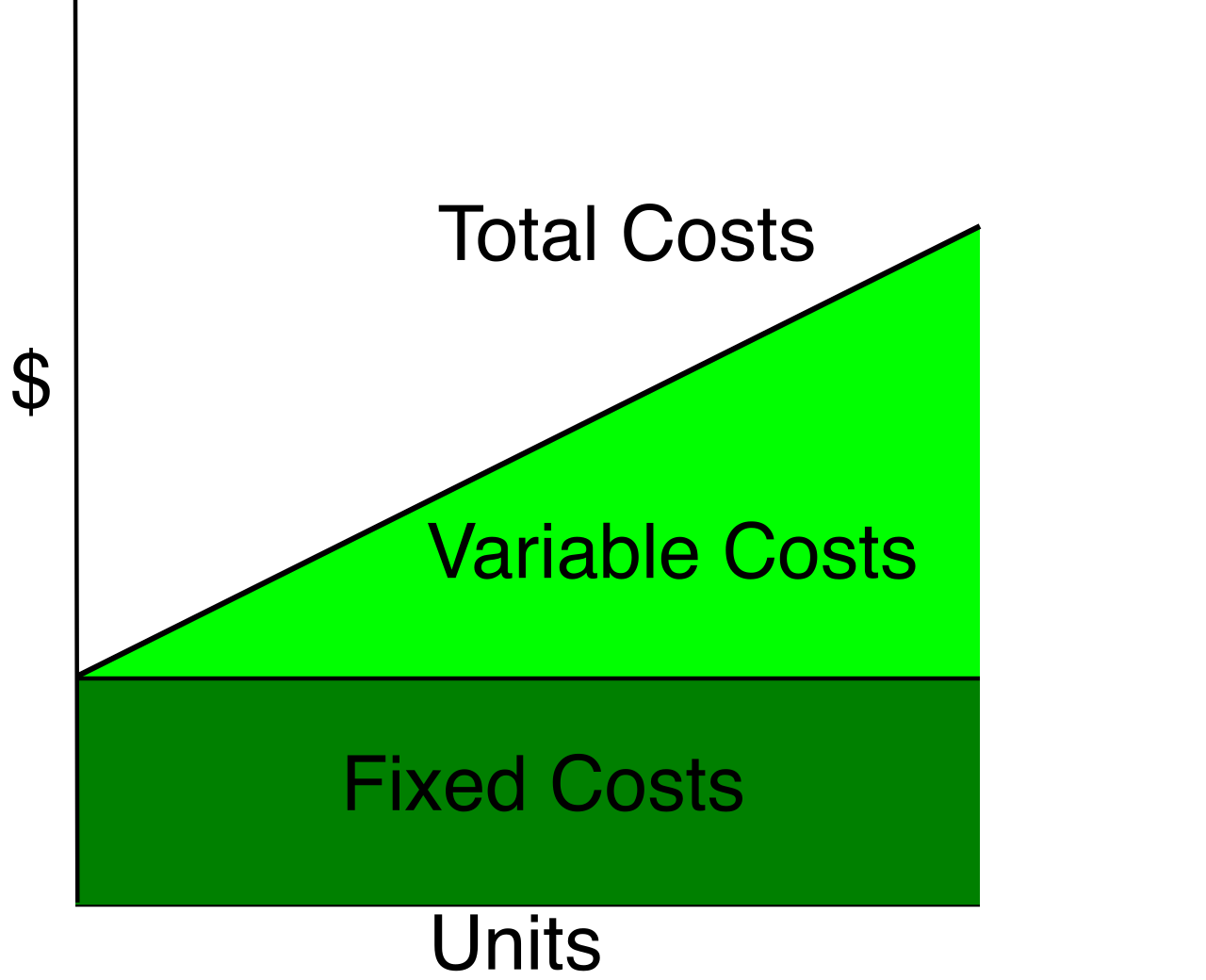
Furthermore, these traditional data centers introduce fixed costs. Fixed costs remain constant regardless of the amount of computing resources actually consumed. A purchased server sitting idle at 2:00 AM costs the business exactly as much in depreciation as a server operating at maximum capacity at noon.
AWS cloud computing shifts organizational IT expenses from Capital Expenditure to Operational Expenditure. Instead of buying servers, businesses rent compute power and storage on demand. Operational Expenditure (OpEx) involves paying for services on an ongoing, consumption-based model.
This model completely restructures corporate accounting. Cloud computing enables organizations to replace fixed data center costs with variable costs. Variable costs fluctuate directly based on the actual consumption of cloud resources. If a retail website experiences a massive surge in traffic on Black Friday, the costs increase to support that traffic. When the traffic subsides the next day, the costs drop proportionally.
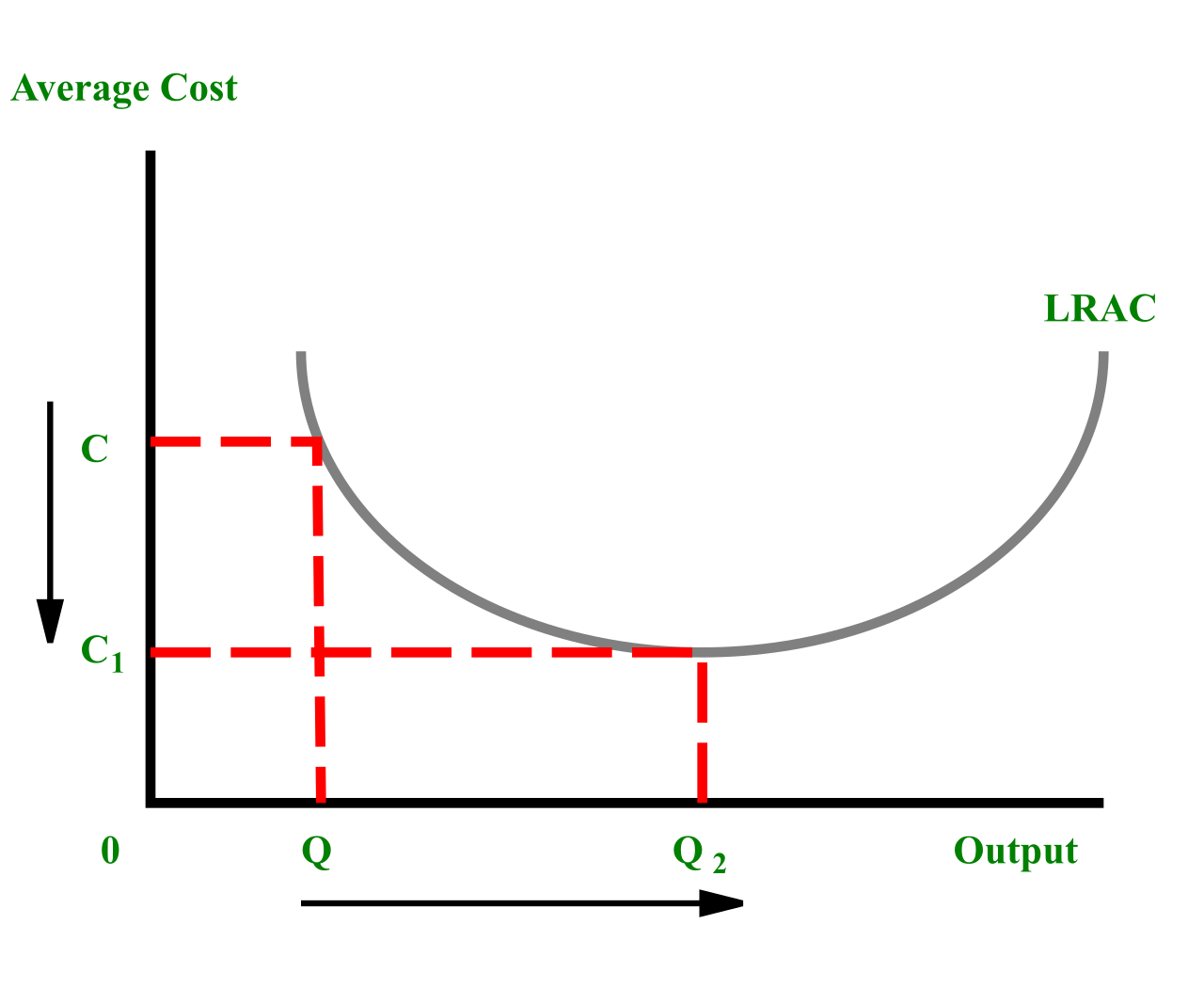
Why is AWS cheaper than building your own data center? A common question from finance teams is how AWS can afford to lease out high-end hardware for fractions of a cent per hour. The answer lies in the sheer volume of their operations. AWS achieves lower pay-as-you-go prices through massive economies of scale resulting from aggregating millions of customers. Because AWS buys hardware at an unprecedented global scale and aggregates workloads with different peak hours, their unit cost per compute cycle is drastically lower than what any individual corporation could negotiate.
Summary: Traditional vs. Cloud Financial Models
| Concept | Traditional On-Premises Model | AWS Cloud Model |
|---|---|---|
| Expenditure Type | Capital Expenditure (CapEx) | Operational Expenditure (OpEx) |
| Cost Behavior | Fixed Costs | Variable Costs |
| Payment Timing | Upfront investment | Ongoing, consumption-based |
When a business decides whether to migrate to the cloud, comparing the invoice for a physical Dell server against the hourly rate of an AWS virtual machine provides a severely distorted picture. To make an accurate financial comparison, organizations use a metric called Total Cost of Ownership (TCO).
Total Cost of Ownership evaluates the complete cost of running an on-premises infrastructure against the cost of running workloads on AWS.
The fatal flaw in many amateur cost analyses is ignoring the hidden costs of physical hardware. On-premises Total Cost of Ownership calculations must include indirect physical costs like real estate, power, and cooling. A server requires a secure room, highly specialized air conditioning units to prevent melting, industrial-grade uninterruptible power supplies (UPS), physical security guards, and the high-voltage electricity to run it all.

AWS provides two distinct tools to help professionals navigate these financial evaluations, depending on where they are in their cloud journey:
- The AWS Migration Evaluator: This tool is used before a company commits to the cloud. The AWS Migration Evaluator provides a business case to compare current on-premises footprint costs against projected AWS Cloud costs. It analyzes your existing physical hardware and outputs a comprehensive financial report detailing what a migration would achieve in savings.
- The AWS Pricing Calculator: Once the decision to use the cloud is made, architecture teams need to budget for specific projects. The AWS Pricing Calculator allows customers to estimate the expected monthly costs of AWS services before provisioning them. If a project manager wants to know exactly how much running three web servers and a database in Tokyo will cost next month, the Pricing Calculator provides that precise estimate.
Moving to an OpEx model is only financially advantageous if you consume resources efficiently. If you leave a rental car running in the driveway overnight, you are still burning gas.
Rightsizing is the continuous process of matching cloud resource specifications to exact workload performance requirements. In an on-premises data center, IT teams routinely over-provision hardware. Because they cannot quickly buy new servers if traffic spikes, they buy massive servers just in case. In the cloud, continuing this habit is financially disastrous. Rightsizing eliminates wasted financial spending on over-provisioned cloud resources. If an application only utilizes 10% of its allotted processing power, rightsizing involves smoothly down-shifting that application to a smaller, cheaper instance type that precisely matches its actual needs.
To achieve this without endless manual spreadsheets, AWS offers an intelligent service. AWS Compute Optimizer provides automated rightsizing recommendations based on historical resource utilization data. It acts as an automated financial auditor, analyzing your compute history and proactively suggesting exactly which instances should be downsized to save money.
The Financial Power of Automation
Cost optimization extends far beyond hardware sizing; it fundamentally changes operational labor and system availability.
- Cloud automation reduces operational costs by minimizing manual administrative tasks and human error. Every time a human engineer has to manually log in to configure a server, the business pays for highly expensive labor. Furthermore, humans make typos that result in system downtime—and downtime costs businesses revenue.
- Automated scaling reduces costs by terminating idle compute resources during periods of low application demand. Because cloud costs are variable, configuring systems to automatically delete themselves when no one is using them (such as late at night) guarantees that the business is only paying for exactly what it needs.
One of the greatest points of friction for a finance or procurement director migrating to the cloud is the problem of "sunk costs"—specifically, expensive software licenses. An enterprise may have recently spent millions of dollars on a multi-year licensing agreement for proprietary software database software or enterprise operating systems. Throwing away these licenses simply because the company is moving to AWS makes zero financial sense.
AWS addresses this through Bring Your Own License (BYOL). Bring Your Own License is a strategy allowing organizations to deploy eligible existing software licenses in the AWS Cloud.
By leveraging this strategy, a business can port its existing investments into its new environment. The Bring Your Own License strategy reduces cloud migration costs by utilizing prior corporate software investments.
To prevent these licenses from becoming an administrative nightmare, AWS provides a specialized governance tool. AWS License Manager is a centralized service used to track software licenses across AWS and on-premises environments. It ensures that a business remains legally compliant with their vendor contracts and does not accidentally deploy more software copies than they are legally permitted to use.
The Role of Dedicated Hosts in BYOL
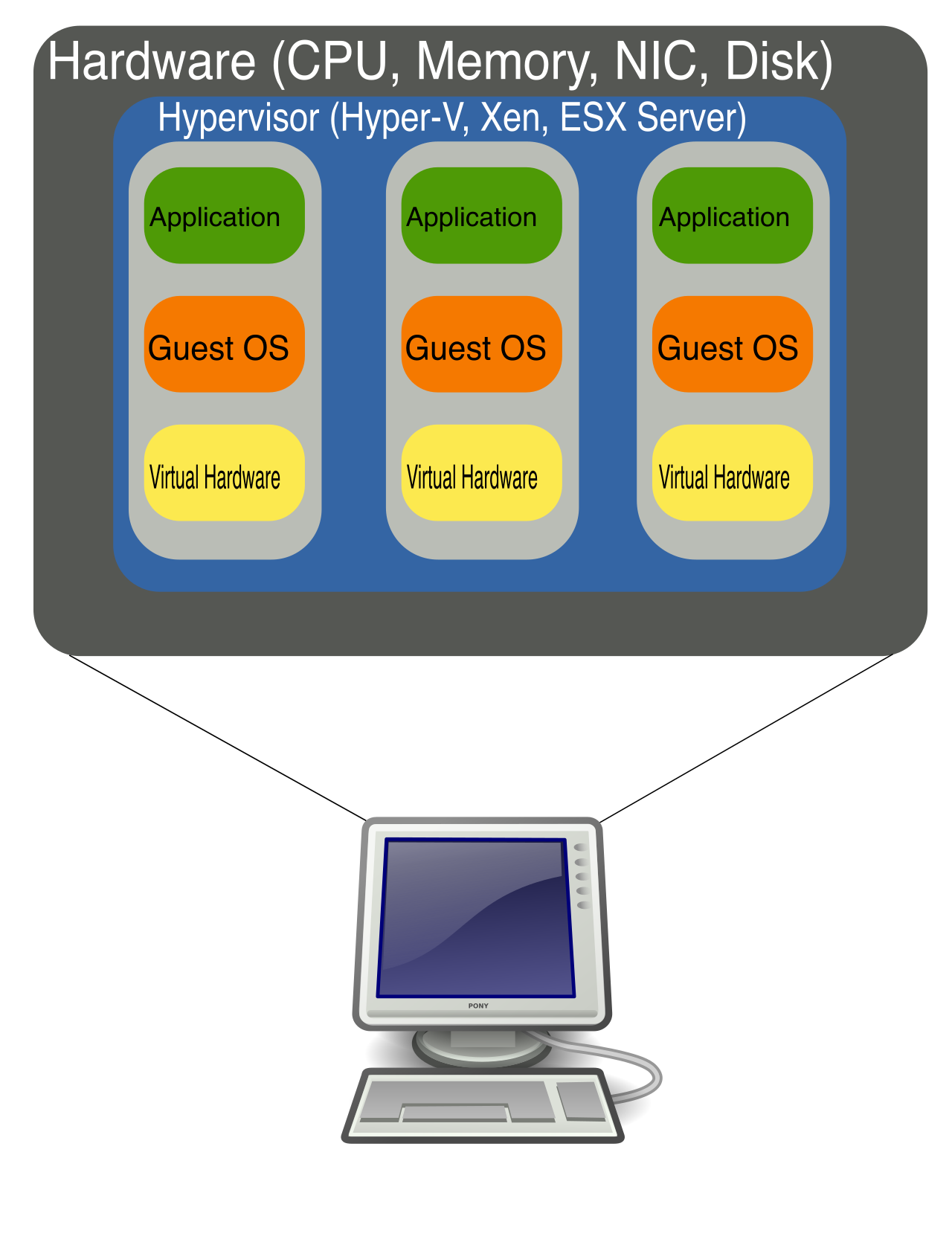
There is a specific technical hurdle associated with legacy enterprise software. Many older software vendors wrote their licensing agreements tied to physical hardware—for example, charging $5,000 per physical CPU socket. Because the standard AWS cloud relies on virtualization (where your server is a slice of a massive, shared physical machine), you often cannot legally apply a hardware-bound license to standard AWS instances.
To solve this, AWS offers Amazon EC2 Dedicated Hosts. Amazon EC2 Dedicated Hosts allow customers to run cloud instances on physical servers dedicated for their exclusive use. By granting you complete visibility into the physical hardware sockets and cores, Amazon EC2 Dedicated Hosts are typically required for Bring Your Own License scenarios involving licenses bound to physical hardware.
The final pillar of cloud economics involves the cost of human capital engineering labor. In the cloud, there is a fundamental spectrum of responsibility regarding who does the heavy lifting of keeping systems running.
At one end of the spectrum are unmanaged AWS services. Unmanaged AWS services require the customer to handle operating system patching, database software updates, and backups.
- Amazon Elastic Compute Cloud (EC2) is an example of an unmanaged compute service. When you rent an EC2 instance, AWS ensures the physical hardware is powered and connected to the internet. However, installing security patches, backing up the data, and upgrading the software is entirely the responsibility of your internal engineers.
At the other end of the spectrum are managed AWS services. Managed AWS services shift the burden of routine infrastructure maintenance tasks from the customer to AWS.
- Amazon Relational Database Service (RDS) is an example of a managed database service. With RDS, AWS automatically handles the complex, tedious work of backing up the database, installing anti-virus patches, and replacing failing storage drives beneath it.
The Counterintuitive Nature of TCO in Managed Services
If you look solely at a pricing sheet, managed services appear strictly more expensive. Managed services typically incur a higher hourly billing rate than equivalent unmanaged services due to the included operational management.
However, looking at the hourly billing rate in isolation is a trap. Remember the concept of Total Cost of Ownership. While the infrastructure invoice to AWS will be slightly higher, managed AWS services lower Total Cost of Ownership by reducing operational overhead and internal engineering labor costs.
A senior database administrator commands a salary well over $100,000 a year. Paying a highly skilled professional to perform routine, mundane software updates on a Saturday night is a profound waste of corporate capital. By paying AWS a slightly higher hourly rate for a managed service like Amazon RDS, an organization frees up its most expensive, talented engineers to focus on innovating, building new products, and generating revenue.
In cloud economics, the cheapest hourly server is not always the most cost-effective choice. True financial optimization occurs when an organization aligns variable compute power, automated scaling, and managed operational labor to drive maximum business value.