Cloud Migration Strategies and AWS CAF
Not sure you’re ready?
Take the ~3-minute readiness diagnostic and see where you stand.
Imagine attempting to relocate the operational headquarters of a global enterprise overnight. The physical transportation of desks, servers, and filing cabinets represents only a fraction of the actual challenge. The true complexity lies in ensuring the legal team understands new jurisdictional compliance, the finance department accurately projects revised operational costs, and human resources safely retrains employees on entirely new workflows. Migrating an organization’s digital infrastructure to the cloud demands this exact same comprehensive alignment. It is not merely a technical upgrade; it is a fundamental transformation of how a business operates. To orchestrate this shift without introducing catastrophic risk, organizations require a structured methodology and precise execution strategies.
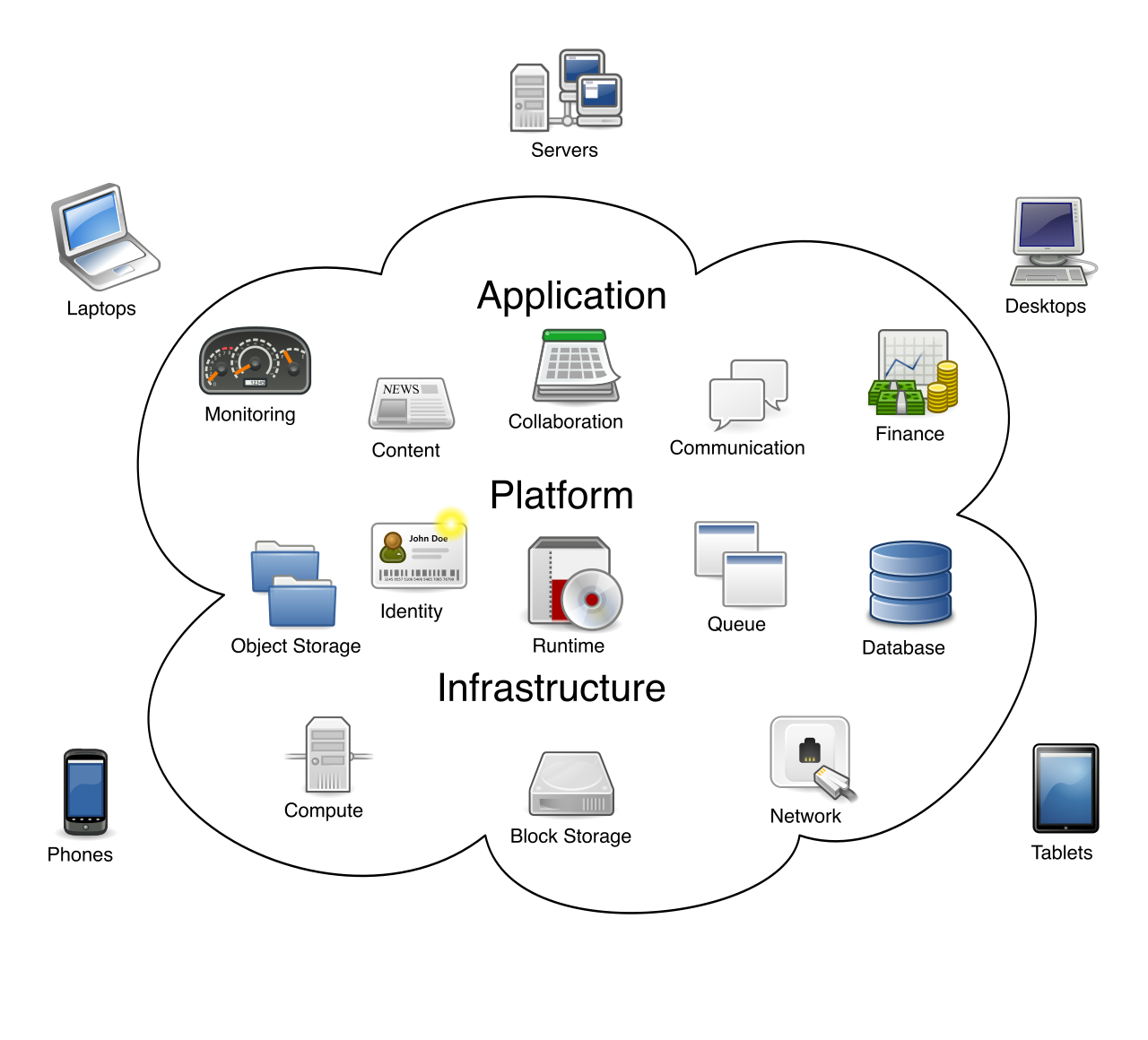
When an organization decides to move to the cloud, the first question is rarely "How do we move the servers?" but rather, "Is our business actually ready to operate in a cloud environment?"
To answer this, Amazon provides the AWS Cloud Adoption Framework (AWS CAF). The AWS Cloud Adoption Framework provides guidance to help organizations digitally transform and accelerate business outcomes through the AWS Cloud. Instead of focusing solely on the wires and code, the AWS Cloud Adoption Framework identifies specific organizational capabilities that underpin successful cloud transformations. It acts as an overarching diagnostic blueprint, providing best-practice guidance to help organizations improve their overall cloud readiness.
Adopting this framework is not an academic exercise; it yields highly tangible results. Foremost, adopting the AWS Cloud Adoption Framework reduces overall business risk for an organization by exposing blind spots before a migration even begins. Organizations using the AWS Cloud Adoption Framework can achieve increased revenue by delivering products faster, and the framework helps organizations achieve increased operational efficiency by standardizing messy legacy processes. Crucially in the modern corporate landscape, the AWS Cloud Adoption Framework helps organizations improve environmental, social, and governance (ESG) performance by optimizing resource usage and increasing organizational transparency.
The Six Perspectives of AWS CAF
To make cloud adoption manageable for a massive enterprise, the AWS Cloud Adoption Framework organizes its guidance into functionally related stakeholder groups called perspectives.
The AWS Cloud Adoption Framework groups its organizational capabilities into exactly six perspectives.
These six perspectives of the AWS Cloud Adoption Framework are Business, People, Governance, Platform, Security, and Operations.
To understand these clearly, we divide them by their fundamental focus: the first three focus on organizational business capabilities, while the latter three focus on organizational technical capabilities.
Organizational Business Capabilities
For professionals in project management, sales, or finance, these three perspectives represent your specific territory.
- The Business Perspective: The Business perspective of the AWS Cloud Adoption Framework focuses on organizational business capabilities. Its primary job is to ensure that cloud investments align with desired digital transformation goals. If the cloud migration does not directly support the company's financial or strategic objectives, the Business perspective identifies the misalignment.
- The People Perspective: The People perspective of the AWS Cloud Adoption Framework focuses on organizational business capabilities, specifically the human element of change. It addresses the workforce skills and leadership required for cloud adoption. Furthermore, the People perspective of the AWS Cloud Adoption Framework focuses on adapting organizational culture for continuous cloud learning, ensuring teams evolve alongside the technology.
- The Governance Perspective: The Governance perspective of the AWS Cloud Adoption Framework focuses on organizational business capabilities. This is where compliance, risk management, and financial control live. The Governance perspective of the AWS Cloud Adoption Framework helps organizations maximize the business value of cloud initiatives while helping organizations minimize risks associated with cloud transformation.
Organizational Technical Capabilities
For IT generalists, infrastructure managers, and engineers, these three perspectives govern how the technology is built and maintained.
- The Platform Perspective: The Platform perspective of the AWS Cloud Adoption Framework focuses on organizational technical capabilities. It details how the underlying cloud architecture will be built. Specifically, the Platform perspective of the AWS Cloud Adoption Framework focuses on accelerating the delivery of cloud workloads using a scalable hybrid cloud environment.
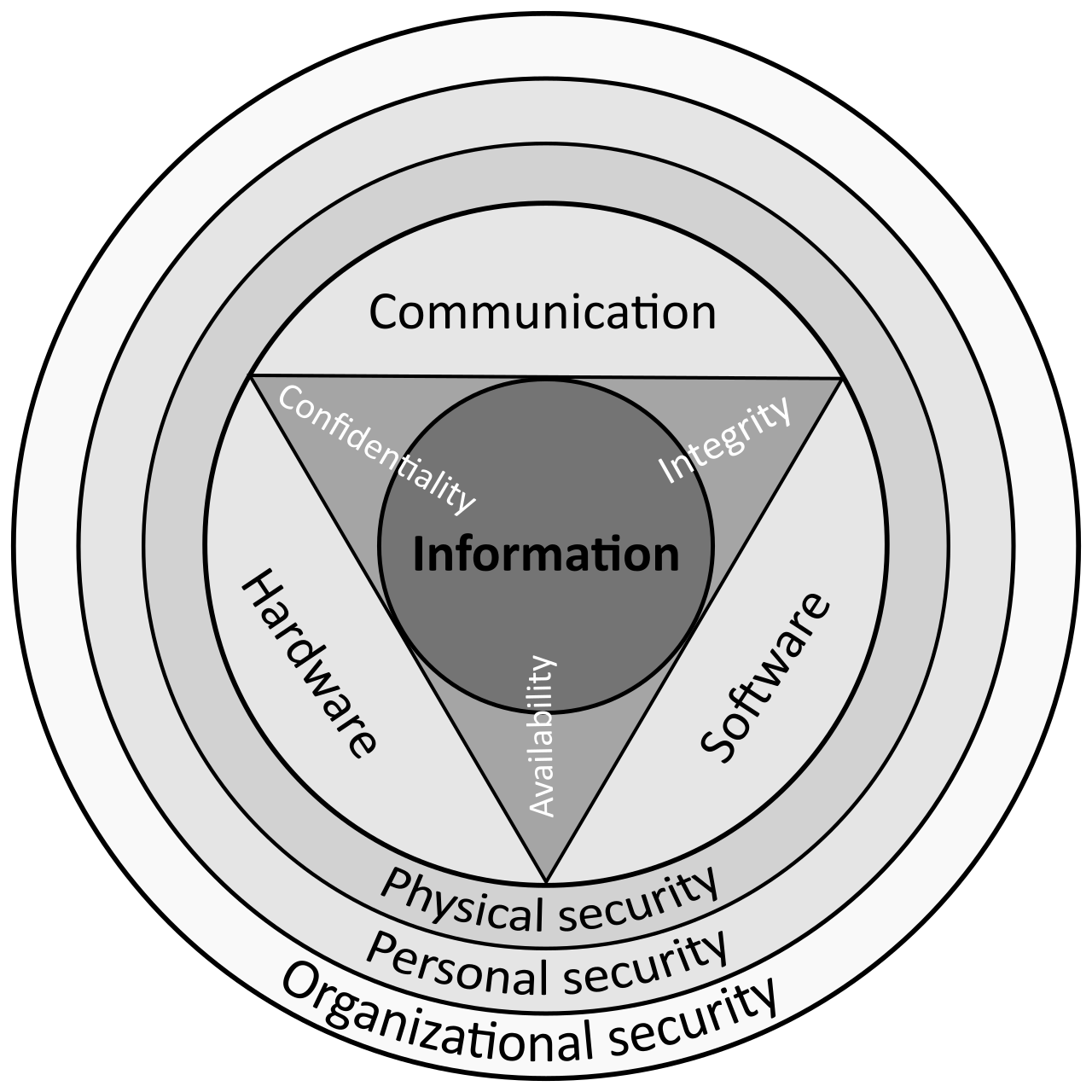
- The Security Perspective: The Security perspective of the AWS Cloud Adoption Framework focuses on organizational technical capabilities. It maps out how to protect data and systems. The Security perspective of the AWS Cloud Adoption Framework helps organizations achieve confidentiality, integrity, and availability of data—the core triad of information security.
- The Operations Perspective: The Operations perspective of the AWS Cloud Adoption Framework focuses on organizational technical capabilities. Once the systems are running, the Operations perspective of the AWS Cloud Adoption Framework ensures that cloud services are delivered at a level agreed upon with business stakeholders, tracking metrics like uptime and reliability.
Once the AWS CAF perspectives have aligned the organization and determined cloud readiness, the actual movement of workloads must begin. Moving software is not a one-size-fits-all process.
AWS defines seven common strategies for moving applications to the cloud. These are collectively known as the 7 Rs.
The seven AWS cloud migration strategies are Rehost, Replatform, Refactor, Repurchase, Relocate, Retain, and Retire. Understanding which "R" to apply requires evaluating the business value, technical complexity, and timeline for each specific application.
| Strategy | Nickname | Definition & Execution |
|---|---|---|
| Rehost | Lift and Shift | The Rehost migration strategy is commonly referred to as lift and shift. The Rehost migration strategy involves moving applications to the AWS Cloud without modifying the underlying application code. You are simply changing the physical hardware the software runs on. |
| Replatform | Lift, Tinker, and Shift | The Replatform migration strategy is commonly referred to as lift, tinker, and shift. The Replatform migration strategy involves making limited cloud optimizations to an application during migration. Importantly, the Replatform migration strategy does not require changing the core architecture of an application. (e.g., migrating an old database onto a managed AWS database service). |
| Refactor | Re-architect | The Refactor migration strategy is also known as the Re-architect strategy. The Refactor migration strategy involves completely rewriting an application to utilize cloud-native features. This is time-consuming, so the Refactor migration strategy is driven by a strong business need to add new application features, a strong business need to significantly improve application scalability, or a strong business need to optimize application performance. |
| Repurchase | Drop and Shop | The Repurchase migration strategy is commonly referred to as drop and shop. The Repurchase migration strategy involves abandoning a traditional software license in favor of a Software-as-a-Service model. The Repurchase migration strategy is often implemented by moving from self-hosted software to a cloud-based service like a managed CRM. |
| Relocate | N/A | The Relocate migration strategy involves moving hypervisor-level virtual machines (like VMware) from an on-premises environment directly to the AWS Cloud. Because you are shifting the entire virtualized environment intact, the Relocate migration strategy does not require modifying the application or its operations during the migration process. |
| Retain | N/A | The Retain migration strategy involves keeping an application in its original on-premises environment. An organization should use the Retain migration strategy if an application is not yet ready to migrate to the cloud, or if there is no business justification to migrate a specific application. |
| Retire | N/A | The Retire migration strategy involves decommissioning servers that are no longer needed. Consequently, the Retire migration strategy is used to turn off legacy applications that do not provide ongoing business value. |
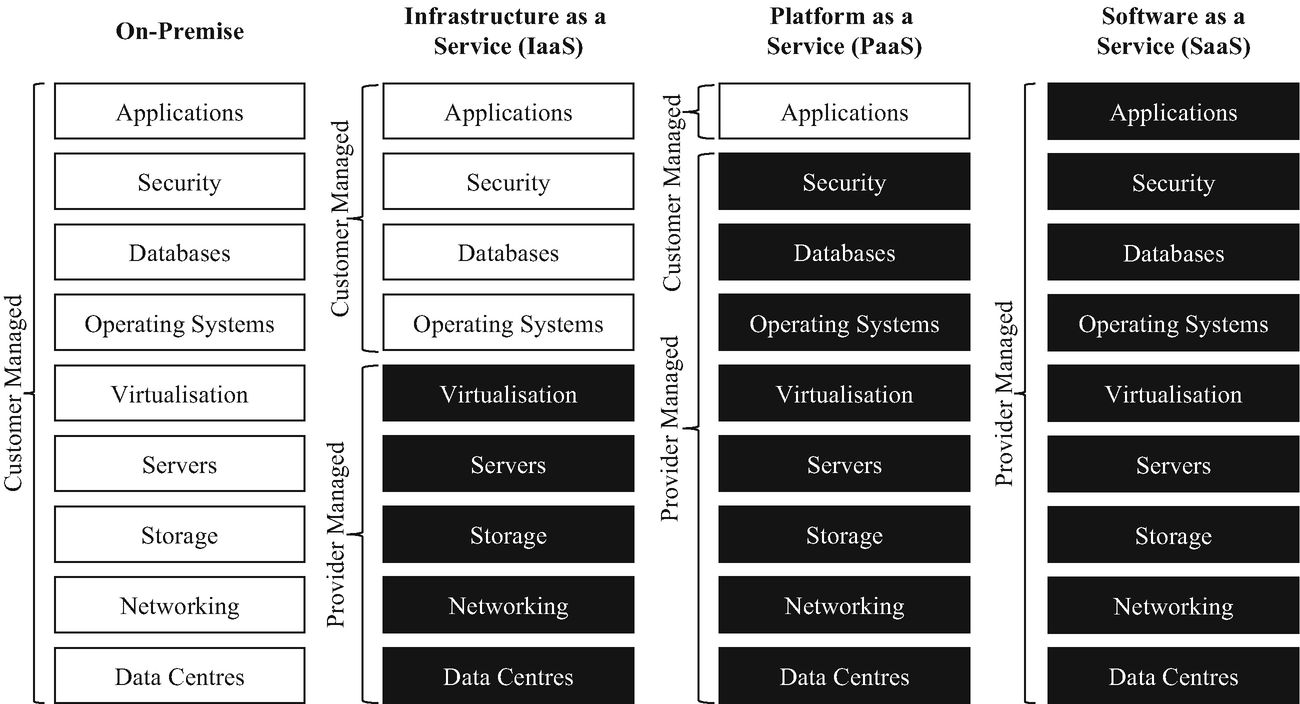
Knowing your migration strategy is only half the battle. Moving the actual data presents severe logistical constraints based on the laws of physics—specifically, internet bandwidth and the necessity for continuous business operations.
Physical Transfer: AWS Snowball
If an organization possesses massive troves of localized data—say, several petabytes of uncompressed video archives—attempting to transfer this over a standard commercial internet connection could take years.
When organizations face this bottleneck, they utilize AWS Snowball. Organizations use AWS Snowball for cloud migration when available internet bandwidth is insufficient for transferring large volumes of data. AWS Snowball provides a physical device migration strategy to transfer petabyte-scale data into the AWS Cloud. AWS physically ships a rugged, highly secure storage device to your data center. You load the data locally at high speeds, and physically ship the device back to AWS to be ingested directly into their data centers.
Live Synchronization: AWS Database Migration Service
Moving a static file archive via a truck is one thing, but how does an organization move a live database that processes thousands of customer financial transactions a minute? If you simply pause the database to copy it, the business grinds to a halt.
To solve this, organizations use Database replication. Database replication is a migration strategy used to keep a target cloud database synchronized with a source on-premises database. This mechanism ensures that consistent data is available in the cloud with minimal downtime during a live migration.
AWS automates this process through the AWS Database Migration Service (AWS DMS). AWS Database Migration Service provides database replication capabilities to securely migrate databases to the AWS Cloud. As the data securely copies over the network, AWS DMS meticulously tracks any new transactions occurring on the old server and immediately replicates them to the new cloud server. Because of this continuous, synchronized replication, AWS Database Migration Service allows a source database to remain fully operational during the entire cloud migration process. Only when the cloud database is a perfect, real-time mirror of the on-premises database does the organization briefly reroute their application traffic, achieving a seamless transition.