Value Proposition of the AWS Cloud
Not sure you’re ready?
Take the ~3-minute readiness diagnostic and see where you stand.
In the late nineteenth century, a factory owner wanting to electrify their production line had to build and manage a private power plant on the premises. They bought generators, hired mechanics, and guessed exactly how much electricity the factory might need during peak operating hours. A century later, enterprise computing evolved in the exact same manner. Before the advent of modern cloud computing, an organization wanting to build software had to build and manage a private data center. They purchased physical servers, hired administrators to maintain them, and guessed how much computing power they might need on their busiest day of the year.

The AWS Cloud represents the same fundamental shift as the electrical grid: moving from private, cumbersome generation to a utility model where organizations simply plug in and consume exactly what they need. To understand why this shift completely restructures how modern businesses operate—whether you are a financial analyst tracking budgets or a project manager launching a new application—we must examine the core mechanics of cloud value.
To codify this paradigm shift, AWS formally defines six core advantages of cloud computing. These principles form the foundational value proposition of the cloud, explaining not just what the cloud does, but why it makes businesses significantly more competitive.
1. Trade Capital Expense for Variable Expense
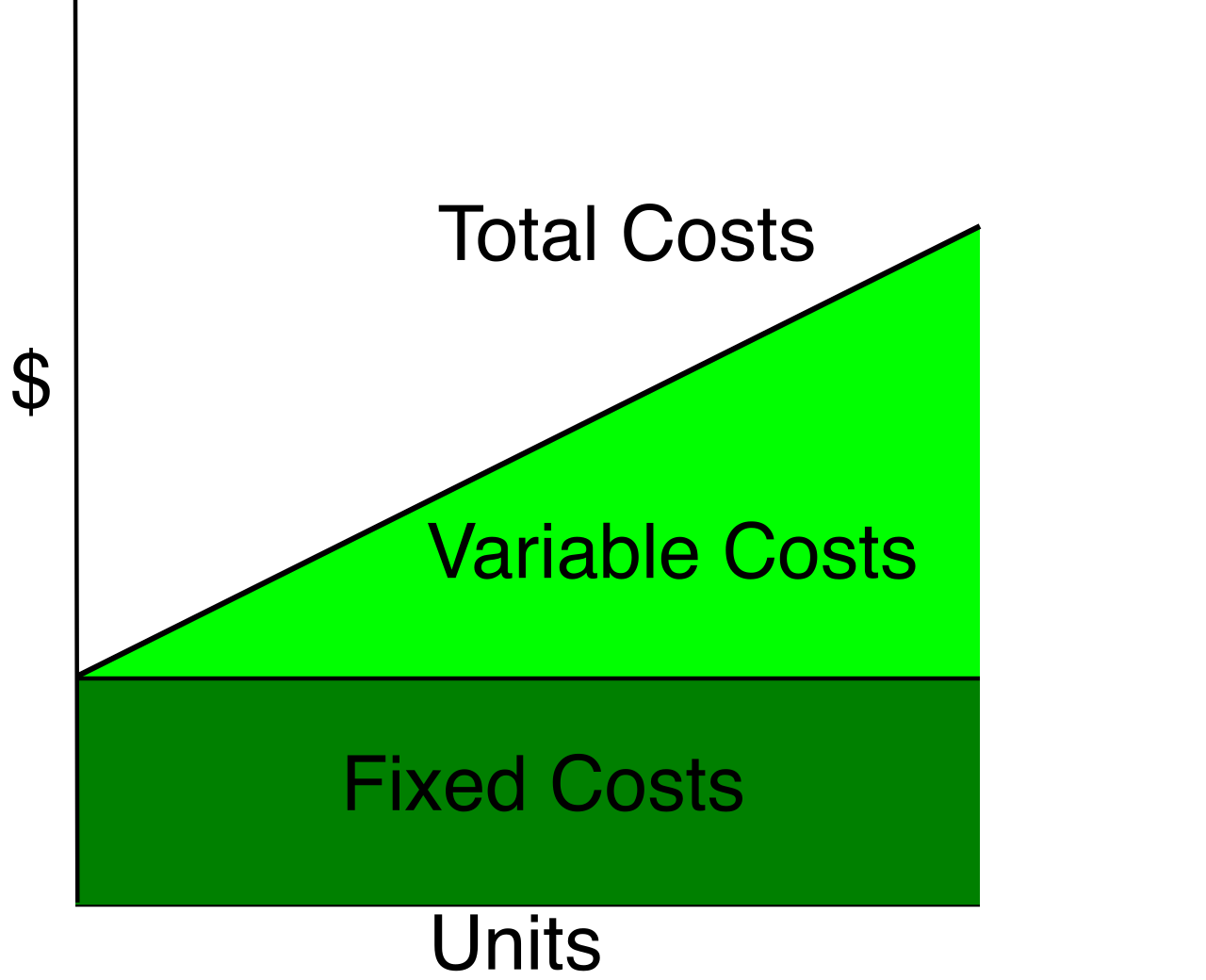
In traditional IT, a business must forecast its computing needs years in advance and purchase physical hardware before writing a single line of code. Capital expenses are upfront investments in physical infrastructure like servers and data centers. (The term capital expense is commonly abbreviated as CapEx in cloud financial discussions.) Buying hardware requires massive sunk costs—often hundreds of thousands of dollars—which depreciate over time.
The first advantage of cloud computing is the ability to trade capital expenses for variable expenses. Variable expenses in cloud computing mean paying only for the computing resources an organization actually consumes. (The term operating expense is commonly abbreviated as OpEx in cloud financial discussions.)
Instead of routing a $250,000 server purchase through weeks of procurement approvals, an organization simply rents the compute power it needs for the hours it needs it. If an application requires heavy processing for only three hours a day, the company stops paying the moment the processing is finished.
2. Benefit from Massive Economies of Scale
If you attempt to negotiate a bulk discount on physical servers for a mid-sized company, you possess a finite amount of purchasing power. AWS, however, purchases hardware at a scale unparalleled in almost any other industry.
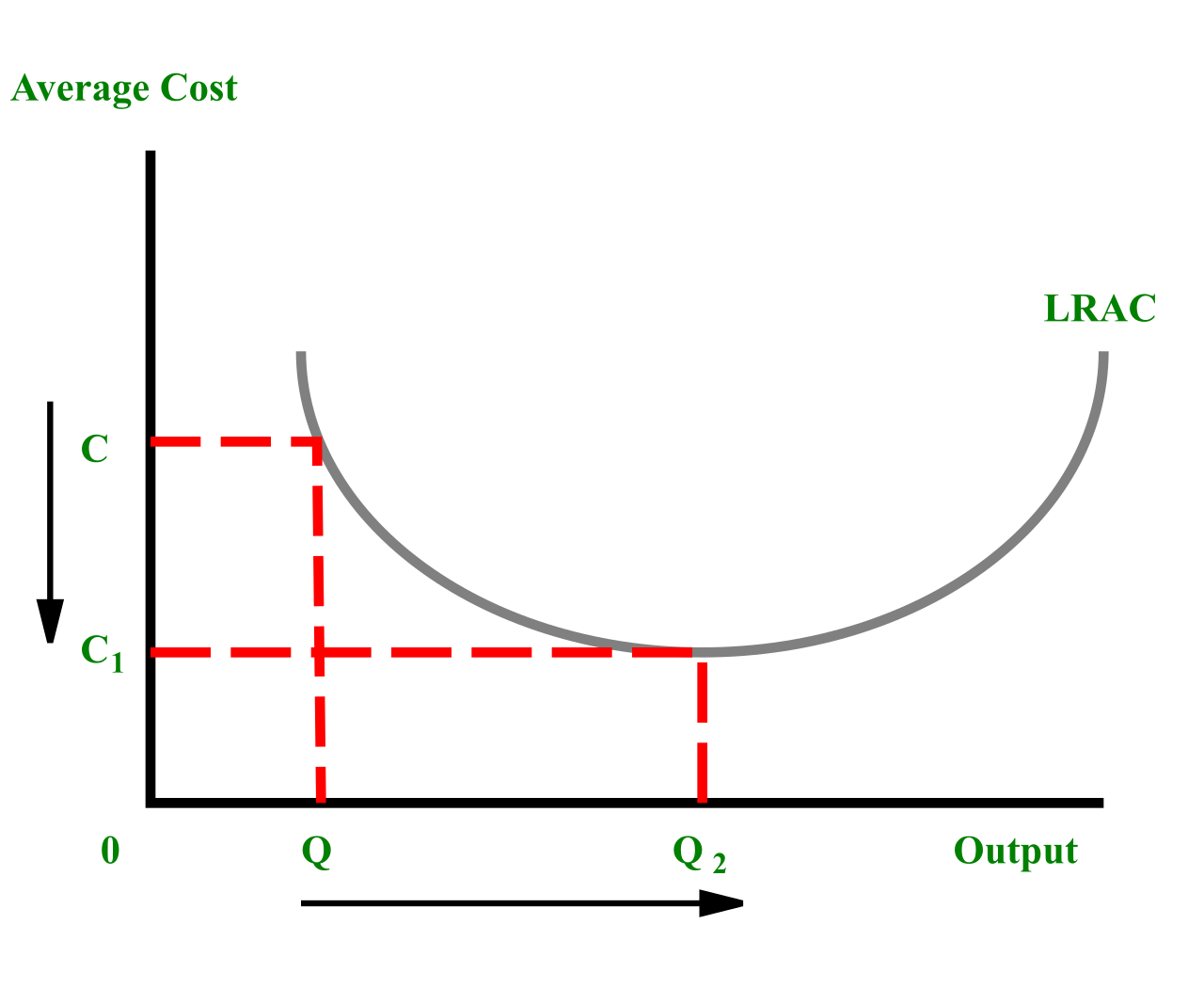
The second advantage of cloud computing is the ability to benefit from massive economies of scale. AWS aggregates usage from hundreds of thousands of customers to achieve massive economies of scale. Because AWS buys hardware, power, and bandwidth in staggering quantities, their cost per unit of compute is drastically lower than what any single enterprise could achieve on its own.
Crucially, these economies of scale in AWS translate into lower pay-as-you-go prices for customers. As AWS has grown, it has historically passed these cost savings directly back to the customer through continuous price reductions. You inherit the purchasing power of the entire AWS customer base.
3. Stop Guessing Capacity
When building a traditional data center, architects face a mathematical dilemma: they must guess how much capacity they will need. Both overestimating and underestimating carry severe business consequences.
Guessing capacity in traditional data centers often leads to purchasing expensive resources that sit idle. If you buy enough servers to handle the traffic of Black Friday, those servers will sit largely dormant for the other 364 days of the year, consuming power and space while generating zero value. Conversely, underestimating capacity in traditional data centers can result in performance issues during traffic spikes. If a product launch goes viral and the servers cannot handle the load, the application crashes, leading to lost revenue and reputational damage.
The third advantage of cloud computing is the ability to stop guessing infrastructure capacity. AWS allows organizations to access computing capacity dynamically based on real-time demand. You launch with what you need today, scale outward when traffic spikes, and scale back inward when traffic subsides. The guessing game is eliminated.
4. Increase Speed and Agility
In a traditional environment, when a developer comes up with an innovative idea, they cannot simply build it. They must request hardware, wait for procurement, wait for shipping, and wait for IT to install and configure the server. AWS reduces the time required to provision new computing resources from weeks to mere minutes.
The fourth advantage of cloud computing is the ability to increase speed and agility. Agility in cloud computing refers to the speed at which IT resources can be provisioned and made available to developers.
Why this matters for non-technical roles: When you reduce the cost and time of trying something new, you fundamentally change the culture of a business. Increased agility in the cloud drastically lowers the cost and time required for organizational experimentation. If an experiment fails, the project manager shuts down the servers, costing the company perhaps $5.00 instead of $50,000. Innovation flourishes when the penalty for failure approaches zero.
5. Stop Spending Money Running and Maintaining Data Centers
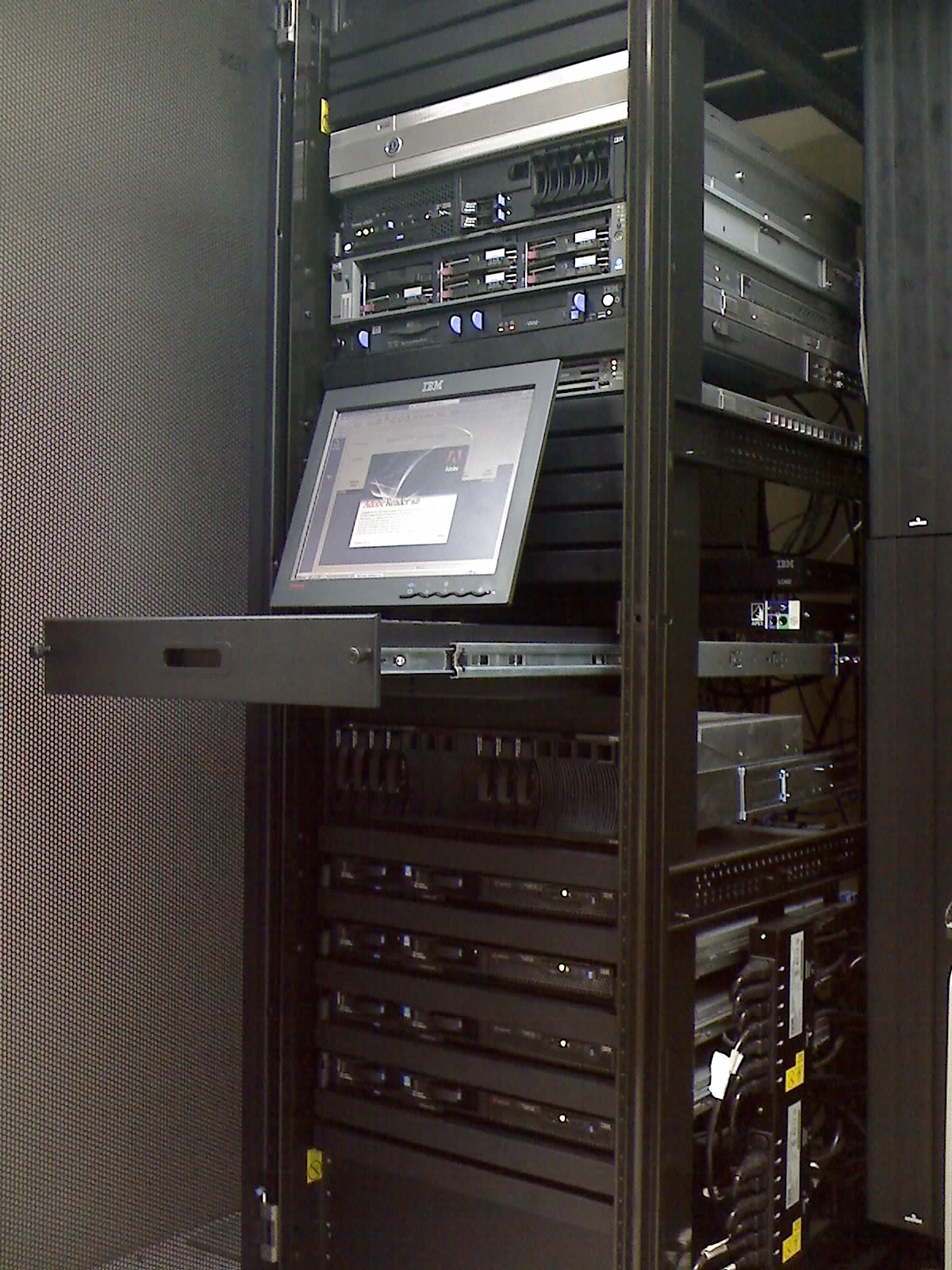
Data centers are highly complex physical environments requiring rigorous climate control, physical security, complex power routing, and constant hardware maintenance.
The fifth advantage of cloud computing is the ability to stop spending money running and maintaining data centers. AWS handles the undifferentiated heavy lifting of racking, stacking, and powering physical servers.
"Undifferentiated heavy lifting" refers to the necessary, arduous tasks that do not uniquely differentiate a company from its competitors. If you build a food delivery application, your customers care about the speed of delivery and the user interface of your mobile app. They do not care how cleanly you organize cables in a server rack. Offloading infrastructure maintenance to AWS allows organizations to focus entirely on application development and customers. You redirect human capital away from managing hardware and toward writing code that generates revenue.
6. Go Global in Minutes
Historically, if a US-based company wanted to provide a fast application experience to users in Tokyo, they had to lease physical real estate in Japan, negotiate local telecom contracts, and fly engineers across the world to install hardware.
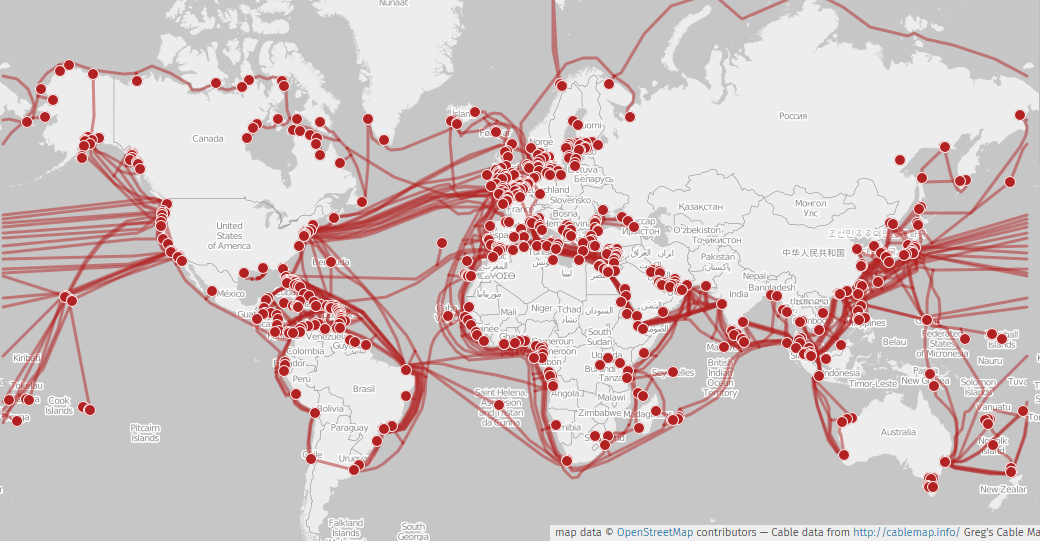
The sixth advantage of cloud computing is the ability to go global in minutes. AWS enables organizations to deploy applications in multiple geographic regions around the world with a few clicks.
The physical laws of the universe dictate that data cannot travel faster than the speed of light. If a user in Australia requests data from a server in New York, the data must physically cross undersea cables, resulting in a delay. Global deployment of applications in AWS places workloads closer to international end-users.
By intentionally placing your servers geographically near your customers, you solve this physical constraint. Placing workloads closer to end-users globally reduces network latency. Latency is the time delay between a user's request and the system's response. Consequently, reducing network latency significantly improves the overall experience for end-users, transforming a sluggish, unresponsive application into a seamless tool.
Beyond the six core advantages, the value of the AWS Cloud relies heavily on two architectural concepts: High Availability and Elasticity. These terms are frequently confused, but they describe entirely different mechanisms of cloud resilience and efficiency.
High Availability: Designing for Physical Failure
Physical hardware fails. Hard drives corrupt, power supplies short out, and network cables sever.
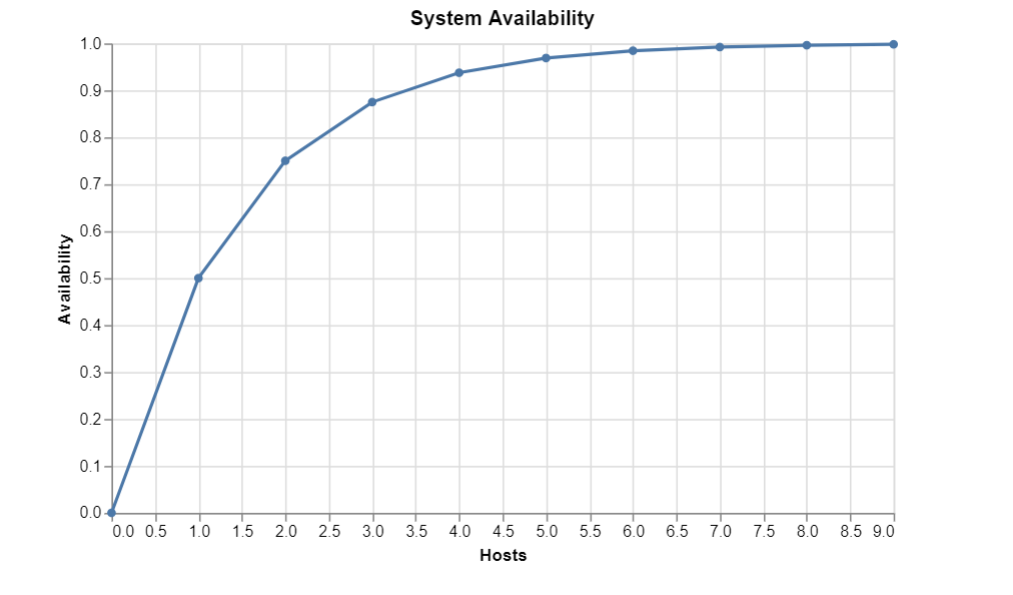
High availability is the ability of a system to remain operational and accessible without interruption. Rather than trying to build a single indestructible server—which is mathematically impossible—cloud architecture assumes failure is inevitable and builds systems that survive it. A highly available system in the cloud is specifically designed to withstand the failure of individual physical components.
How does AWS achieve this physically? High availability in AWS is achieved by deploying applications across multiple isolated Availability Zones. An Availability Zone (AZ) is one or more discrete data centers with redundant power, networking, and connectivity. If lightning strikes a data center in one Availability Zone, destroying a server, a properly designed highly available application automatically routes traffic to a parallel server in a different Availability Zone miles away. The end-user never notices the failure.
Elasticity: The Physics of Cloud Scaling
While High Availability protects against hardware failure, Elasticity protects against demand fluctuation.
Elasticity is the ability of a cloud system to automatically scale computing resources outwards and inwards. Imagine a rubber band that stretches when pulled and violently snaps back to its original size when released.
Cloud elasticity ensures that an application has exactly the required computing capacity to handle current user demand. If a retail website suddenly receives an influx of shoppers due to a television commercial, elasticity allows the system to automatically launch ten new servers to handle the load. Crucially, when the commercial ends and the shoppers leave, the system automatically terminates those ten servers.
Cloud elasticity prevents organizations from paying for unused infrastructure when application demand decreases. It acts as an automated financial governor, directly tying your variable OpEx costs to the real-time demands of your end-users.

| Concept | The Traditional Model | The AWS Cloud Model |
|---|---|---|
| Financial Structure | High upfront CapEx (buying physical servers). | Pay-as-you-go OpEx (variable expense). |
| Capacity Planning | Guessing demand, leading to idle waste or crashes. | Elasticity automatically scales capacity outwards and inwards based on demand. |
| Speed to Market | Weeks or months to procure and install hardware. | Provisioning compute in minutes, driving organizational agility and experimentation. |
| Global Reach | Expensive, localized data center build-outs. | Global deployment in minutes, placing workloads close to users to reduce latency. |
| Reliability | Single points of failure in private data centers. | High Availability via multiple isolated Availability Zones withstands component failure. |
By mastering these mechanics—from trading CapEx for variable expenses, to leveraging massive economies of scale and global infrastructure—you possess the exact vocabulary needed to articulate why the cloud is the default engine of modern business.