AWS Well-Architected Framework Pillars
Not sure you’re ready?
Take the ~3-minute readiness diagnostic and see where you stand.
Imagine constructing a sixty-story skyscraper by simply ordering concrete and steel, hoping the structural engineers, electricians, and interior designers will figure out how they fit together on the fly. The result would be a chaotic, expensive, and fragile structure. In cloud computing, building digital infrastructure without a rigorous blueprint yields the exact same outcome. The AWS Well-Architected Framework provides a consistent approach for customers to evaluate cloud architectures. It acts as a comprehensive set of architectural best practices, guiding teams to build systems that are secure, resilient, efficient, economically sound, and environmentally responsible.
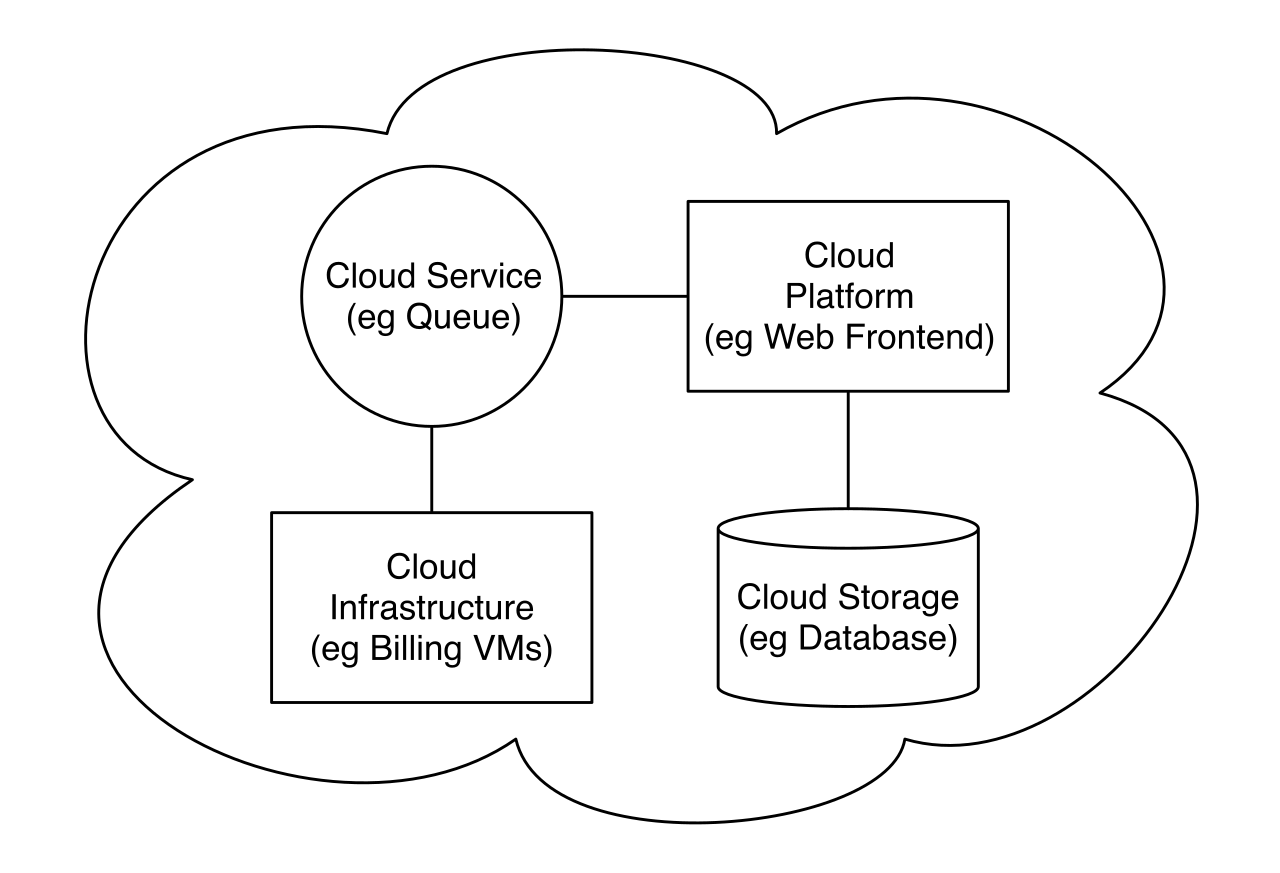
The AWS Well-Architected Framework consists of exactly six pillars. These pillars are not mere suggestions; they are the foundational laws of cloud physics. Whether you are a project manager assessing delivery timelines, a finance director forecasting budgets, or a system architect provisioning servers, mastering these six pillars transforms the cloud from an unpredictable expense into a precise, strategic engine.
The AWS Well-Architected Framework is divided into exactly six pillars: Operational Excellence, Security, Reliability, Performance Efficiency, Cost Optimization, and Sustainability.
Each pillar asks a fundamental question about your architecture and provides specific design principles to guide your decisions.
1. Operational Excellence
The Operational Excellence pillar focuses on running and monitoring systems to deliver business value, and continuously improving processes and procedures. It is the factory floor of the cloud. If you do not have operational excellence, none of the other pillars matter because you cannot effectively deploy or manage your architecture.
The core philosophy here is that human intervention is slow, error-prone, and scales poorly. Therefore, we govern operations through design principles that prioritize automation and learning:
- Perform operations as code: Instead of relying on a human to click through a console to set up a server, write a script that defines the infrastructure. If the infrastructure is defined as code, it can be tracked, reviewed, and deployed automatically without human error.
- Make frequent, small, reversible changes: Do not wait six months to deploy a massive software update. Release tiny updates daily. If a small change breaks something, you can immediately reverse it without bringing down the entire business.
- Refine operations procedures frequently: As the workload evolves, the way you operate it must evolve. Review and update your procedures regularly.
- Anticipate failure: A core design principle of the Operational Excellence pillar is accepting that things will break. By running "game days" (simulated disaster scenarios), you test how your systems and teams respond when the inevitable happens.
- Learn from all operational failures: When a failure occurs, do not hide it. Dissect it. Share the post-mortem across the organization so the same mistake is never made twice.
2. Security
The Security pillar focuses on protecting information systems and assets. In a traditional data center, security often means a padlock on a physical door and a firewall at the network perimeter. In the cloud, security must exist everywhere.
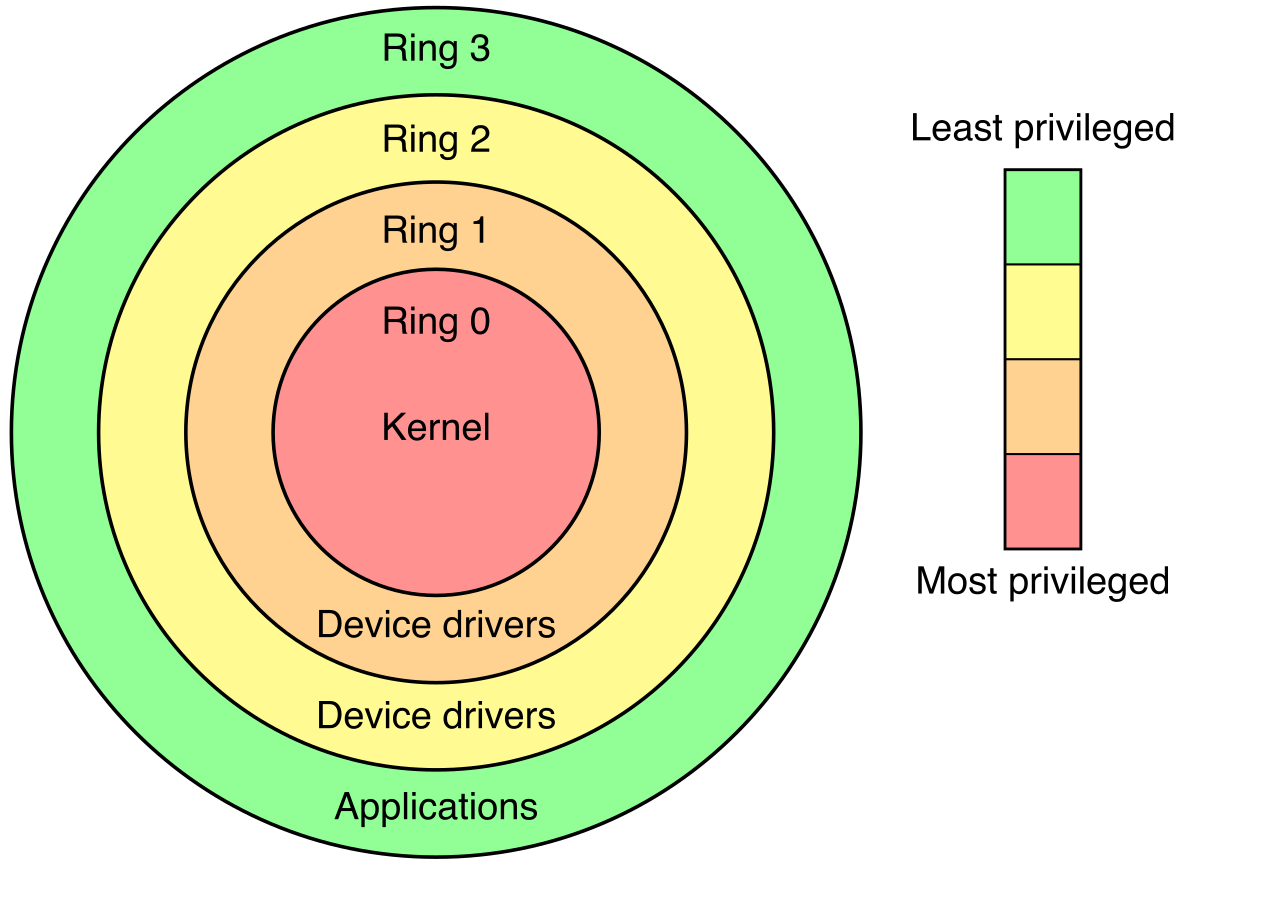
- Implement a strong identity foundation: Rely on the principle of least privilege. Grant users and systems only the exact permissions they need, when they need them, using strong authentication.
- Enable traceability: You must know exactly who did what, when, and from where. Logging and auditing all actions allows you to detect anomalies in real time.
- Apply security at all layers: Rather than just a single firewall at the edge of your network, place security controls on the network edge, the servers, the operating systems, and the application itself.
- Automate security best practices: Create software-based security mechanisms that automatically scale with your infrastructure. If a new server is deployed, it should automatically inherit all security configurations.
- Protect data in transit and at rest: Whether data is moving across the internet (in transit) or sitting on a hard drive (at rest), it must be encrypted.
- Keep human users away from direct access to data: Humans are the weakest link in security. By building automated tools to handle data processing, you remove the need for humans to directly access or modify sensitive databases.
- Prepare for security events: Assume a breach will occur. Have an incident management and investigation policy ready before an event happens, not after.
3. Reliability
The Reliability pillar focuses on ensuring a workload performs its intended function correctly and consistently. It emphasizes mitigating disruptions such as misconfigurations or transient network issues. If your system cannot stay online, it is functionally useless to your customers.
Reliability in the cloud differs from traditional IT because we assume individual components will fail. We do not try to build a single unbreakable server; instead, we build an architecture that survives the loss of its parts.
- Automatically recover from failure: Design systems that monitor themselves. If a server crashes, the system should instantly detect the failure and spin up a replacement without human intervention.
- Test recovery procedures: It is not enough to have a backup; you must prove the backup works. Continually test how your system handles and recovers from failure.
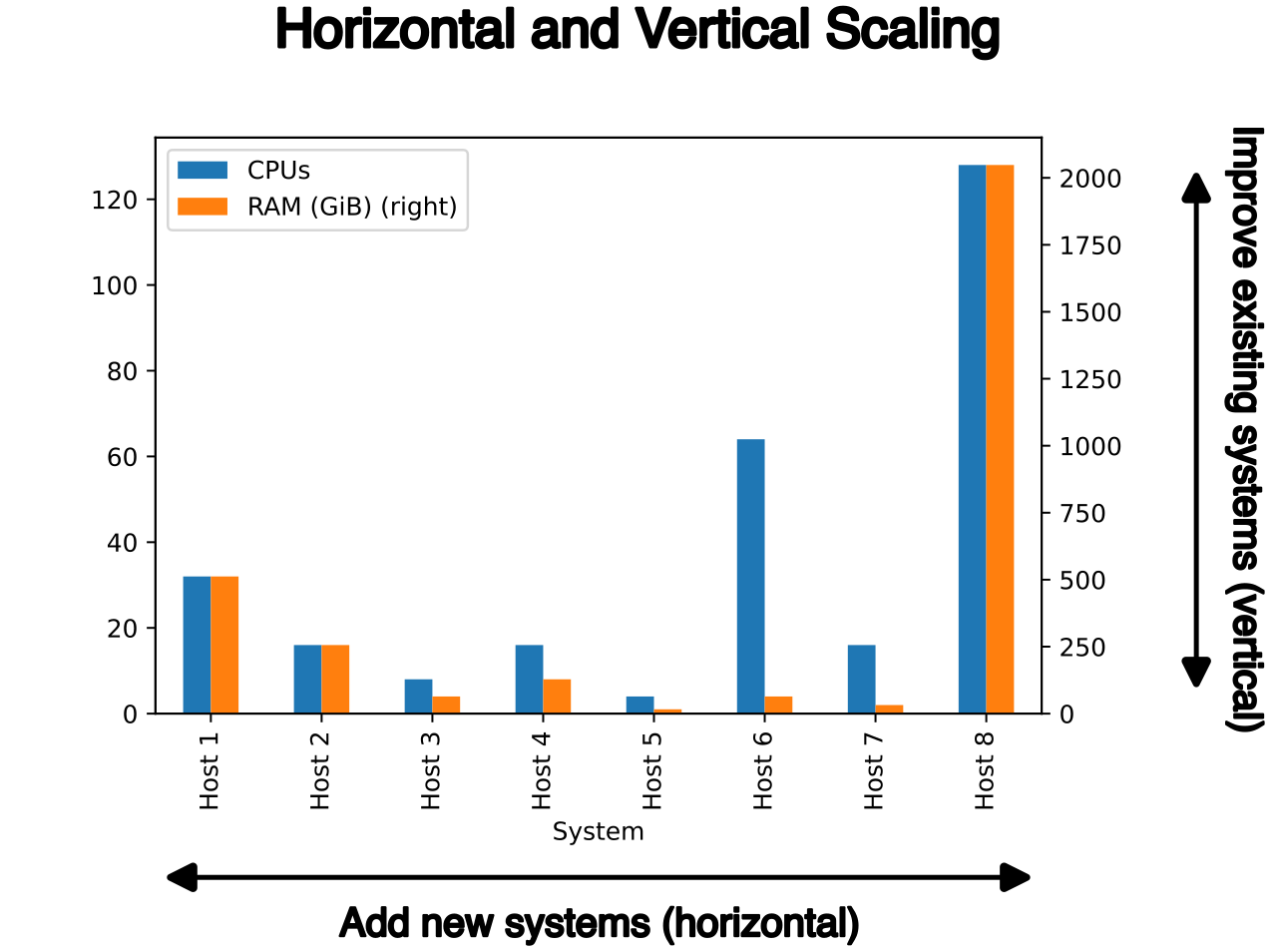
- Scale horizontally to increase aggregate workload availability: Rather than using one massive, expensive server (vertical scaling), use many smaller servers (horizontal scaling). If one of ten servers fails, you lose only 10% of your capacity. This dramatically increases aggregate workload availability.
- Stop guessing capacity: In the past, companies guessed how much server capacity they would need for a busy day like Black Friday. If they guessed too low, the website crashed. If they guessed too high, they wasted money. In the cloud, we design systems that automatically expand and contract based on real-time demand.
- Manage change in automation: Changes to your infrastructure should be made using automation. This prevents human error from taking down reliable systems.
4. Performance Efficiency
The Performance Efficiency pillar focuses on using computing resources effectively to meet system requirements. Crucially, it also emphasizes maintaining resource efficiency as demand changes and technologies evolve.
This pillar is about using the right tool for the job. You would not use a sledgehammer to drive a thumbtack, nor a microscope to read a billboard.
- Democratize advanced technologies: Do not try to build complex technologies (like machine learning, speech recognition, or massive data warehouses) from scratch. Consume them as managed services from AWS. This allows your team to utilize advanced capabilities without needing specialized Ph.D. knowledge.
- Go global in minutes: Deploy your application in multiple AWS Regions around the world simultaneously. This places your systems closer to your customers, reducing latency (delay) and radically improving their experience.
- Use serverless architectures: Serverless technologies remove the need to manage physical servers entirely. You upload your code, and the cloud provider handles the execution. This removes an enormous operational burden and often executes tasks much faster.
- Experiment more often: Because you can spin up cloud resources in seconds and shut them down just as fast, the cost of trying new ideas drops to nearly zero. You can perform comparative testing of different architectures continuously.
- Consider mechanical sympathy: This concept borrows from racing car drivers who understand how a car's engine works to get the best performance out of it. In the cloud, it means understanding how cloud services operate under the hood so you select the one that aligns best with your data and processing needs.
5. Cost Optimization
The Cost Optimization pillar focuses on avoiding unnecessary costs in cloud workloads. For finance, project management, and sales teams, this is often the most visible pillar. Cloud resources are easy to provision, which means spending can spiral out of control without a rigorous framework.
- Implement Cloud Financial Management: Treat cloud spend as a strategic discipline. Dedicate time and resources to building capability in your organization to track, manage, and optimize cloud expenditures.
- Adopt a consumption model: Stop paying for servers that sit idle overnight or on weekends. Pay only for the computing resources you consume, and scale them down when you do not need them.
- Measure overall efficiency: Measure the business output of your workload against the costs required to deliver it. This allows you to understand the true return on investment of your cloud architecture.
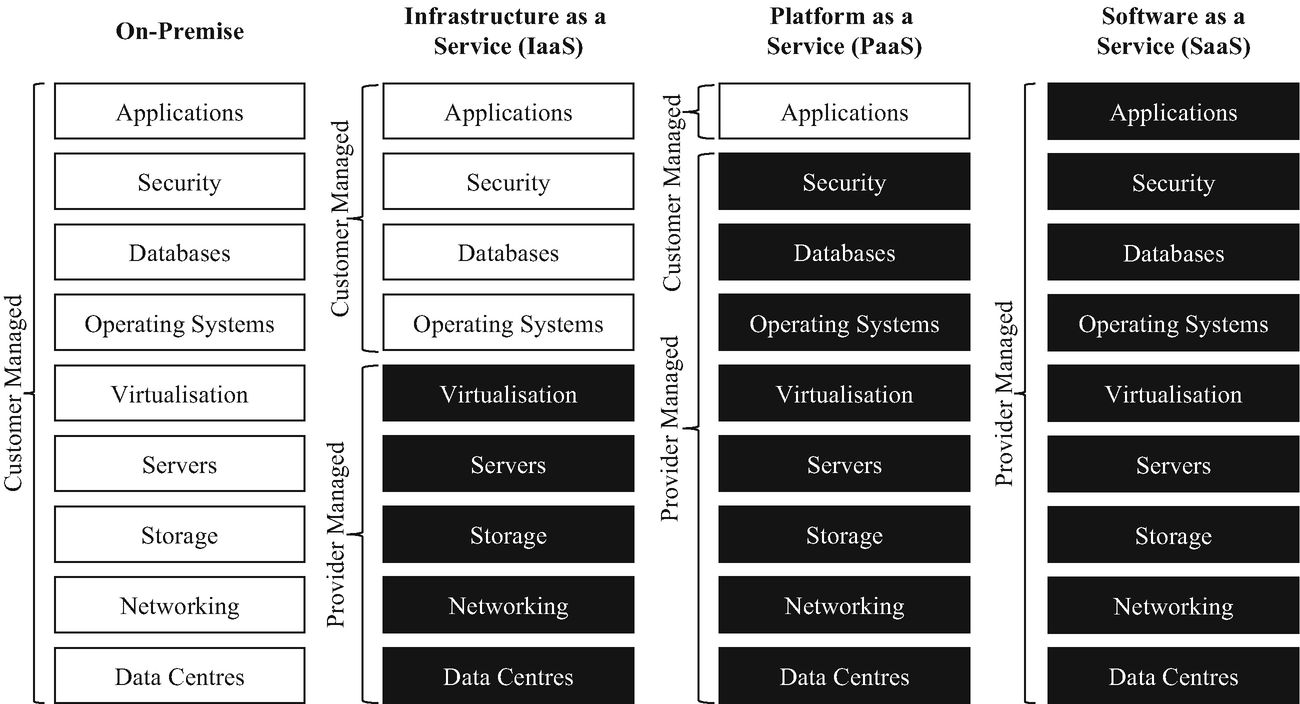
- Stop spending money on undifferentiated heavy lifting: "Undifferentiated heavy lifting" refers to the IT tasks that must be done but provide zero competitive advantage—like racking servers, plugging in power cables, or installing operating system patches. Let AWS handle the physical infrastructure so your engineers can focus on your actual product.
- Analyze and attribute expenditure: Ensure every single cloud cost is tagged and tracked back to the specific team, project, or product that generated it. When teams see their own bills, they naturally optimize their behavior.
6. Sustainability
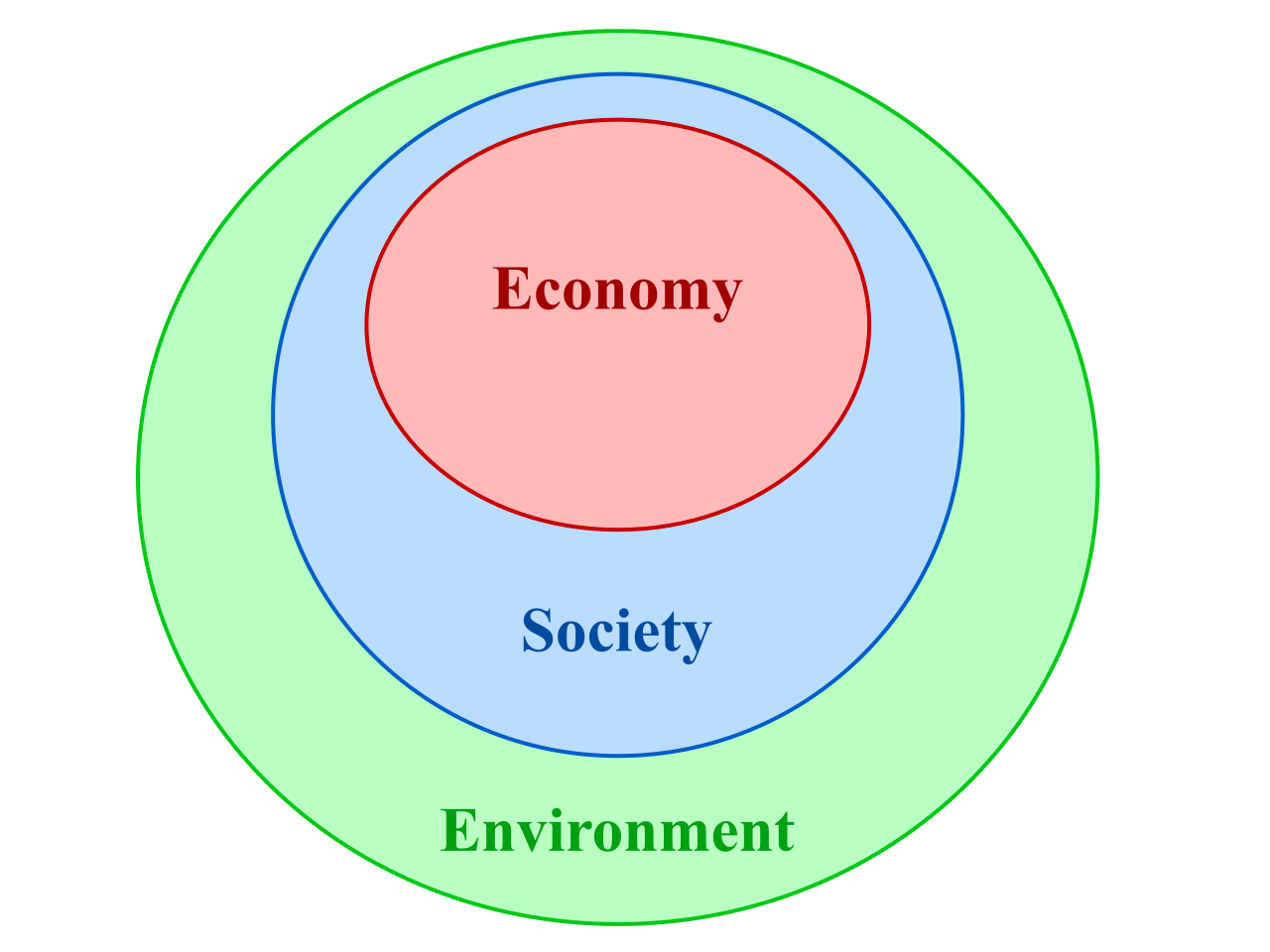
The newest addition to the framework, the Sustainability pillar, focuses on minimizing the environmental impacts of running cloud workloads. While AWS manages the sustainability of the cloud (the physical data centers, water usage, and renewable energy), the customer is responsible for sustainability in the cloud.
- Understand your environmental impact: Measure the carbon footprint of your cloud workloads and model how future changes will impact those emissions.
- Establish sustainability goals: Set specific targets for reducing your environmental footprint per unit of work, much like you set performance or cost optimization goals.
- Maximize resource utilization: Do not run servers at 10% capacity. Two servers running at 10% capacity use vastly more energy than one server running at 20%. Optimize workloads to fully utilize the hardware they run on.
- Anticipate and adopt new hardware and software offerings: AWS continually releases more efficient processors and cooling systems. Migrate to these newer technologies to accomplish the same work with less energy.
- Use managed services to reduce infrastructure footprint: By using shared, managed AWS services (like Amazon S3 for storage or Amazon RDS for databases), you share infrastructure with other customers, dramatically reducing the overall hardware footprint compared to running dedicated servers.
- Reduce the downstream impact of your cloud workloads: Consider the devices your customers use to access your services. If you write highly efficient application code, your users' mobile phones consume less battery power and require less frequent charging, thereby reducing the global environmental impact of your software.
Understanding the differences between the pillars is critical because they often require trade-offs. The table below illustrates how different roles perceive the value of each pillar, demonstrating why architecture requires a holistic approach.
| Pillar | Core Focus | Why it Matters (Role Perspective) |
|---|---|---|
| Operational Excellence | Delivery & Continuous Improvement | Project Managers: Ensures predictable deployment timelines and drastically fewer human errors. |
| Security | Protecting Information Assets | Compliance / Legal: Keeps the company out of the headlines by securing customer data and auditing access. |
| Reliability | Consistent Performance & Recovery | Sales: Customers cannot buy your product if the site is down. Horizontal scaling prevents outages. |
| Performance Efficiency | Using the Right Tools | IT/Engineering: Allows teams to utilize advanced tech instantly and deploy globally without latency. |
| Cost Optimization | Avoiding Unnecessary Expense | Finance: Shifts capital expenditure to variable expense, ensuring you only pay for what is used. |
| Sustainability | Minimizing Environmental Impact | Corporate Strategy: Aligns cloud operations with global ESG (Environmental, Social, and Governance) targets. |
The AWS Well-Architected Framework is not a theoretical exercise. It is a practical, rigorous methodology. When a system is unstable, it is usually because the Reliability and Operational Excellence design principles were ignored. When a cloud bill is unpredictably high, it is because Cost Optimization principles—like adopting a consumption model or analyzing expenditure—were neglected.
By consistently evaluating your cloud architecture against these six pillars, you elevate your infrastructure from a mere collection of servers into a durable, efficient, and highly optimized business asset.