Asset Discovery and Scanning Considerations
Not sure you’re ready?
Take the ~3-minute readiness diagnostic and see where you stand.
In cybersecurity, you cannot defend a network topology that you cannot accurately map and measure. Before an analyst can hunt for persistent threats or patch a zero-day vulnerability, they must possess absolute clarity regarding the environment's composition. IT Asset Management (ITAM) systems provide the foundational baseline inventory required to execute comprehensive vulnerability scanning. Without this baseline, security operations are reduced to guesswork. The industry standard for formalizing this process is NIST Special Publication 1800-5, which provides standardized IT Asset Management practices to ensure organizations maintain an authoritative, real-time ledger of their digital infrastructure.
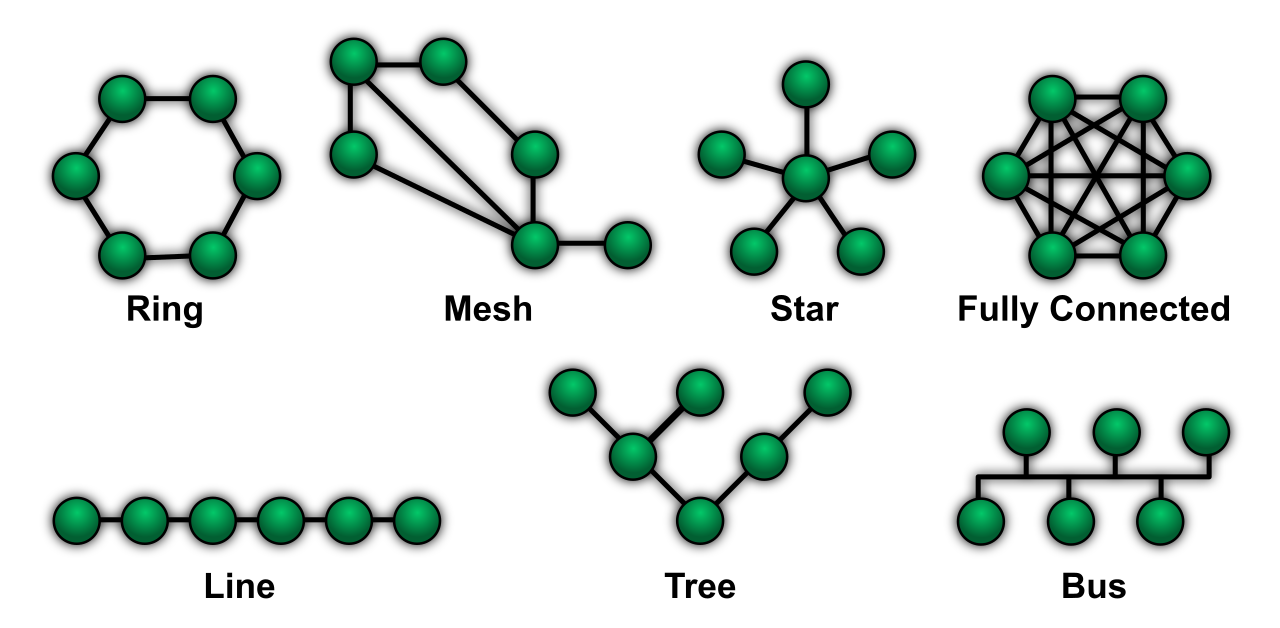
However, a static ledger is insufficient in a dynamic enterprise. Networks breathe. Mobile devices connect and disconnect, virtual machines spin up and down, and shadow IT silently takes root. To maintain parity with this changing landscape, Security Operations Center (SOC) analysts must continuously discover assets and aggressively—yet safely—probe them for vulnerabilities.
Asset discovery fundamentally asks a single question: What is connected to my network right now? To answer this, we rely on two overarching methodologies: active and passive discovery.
Active Asset Discovery
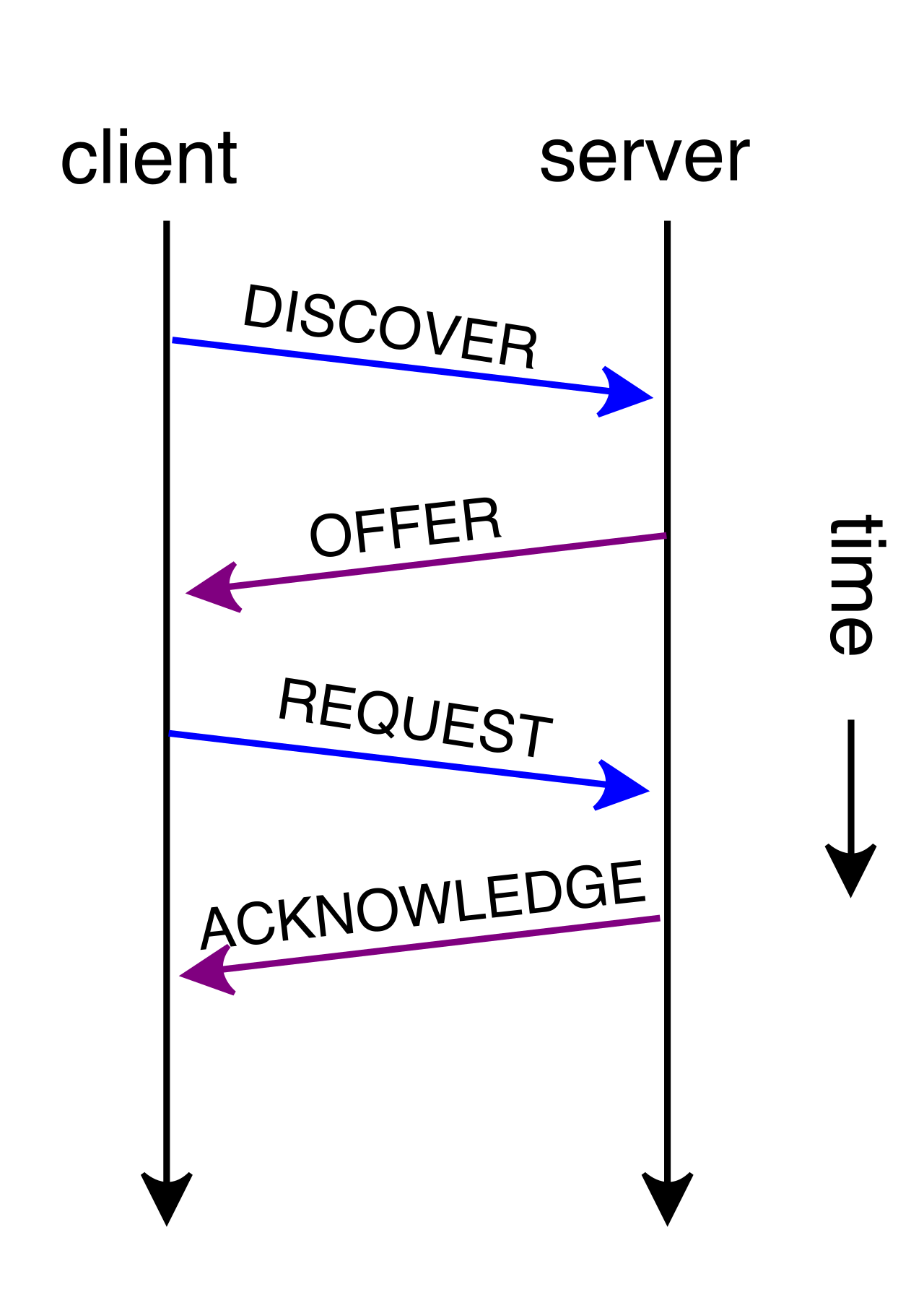
Think of active asset discovery like walking into a dark room and shouting, "Is anyone here?" It involves sending network packets directly to target hosts to identify live devices. Because you are introducing new packets into the environment, active asset discovery generates measurable network traffic.
When conducting active discovery, analysts typically employ specific sweep techniques:
- Ping Sweeps: An active asset discovery method utilizing ICMP Echo Request packets to locate active network hosts. If the host is alive and permits ICMP, it replies.
- Address Resolution Protocol (ARP) Sweeps: Because ICMP is often blocked by local firewalls, ARP sweeps identify active local subnet hosts by broadcasting layer 2 address requests. A device cannot easily hide its MAC address if it wishes to communicate on a local subnet.
- Map Scans: Going beyond simple presence, map scans trace the routing path packets take to build a topological map of network nodes, revealing the structural layout of subnets and gateways.
The SOC Reality: The gold standard utility for these active techniques is Nmap, which performs network mapping and asset discovery functions with high precision. When you need to quickly populate a list of live IP addresses without triggering every alarm in your environment, you use the Nmap
-snswitch. This executes a ping scan while intentionally disabling port scanning, keeping your footprint relatively light.
Passive Asset Discovery
If active discovery is shouting into a room, passive asset discovery is standing quietly in the corner and listening to people talk. This method monitors existing network traffic to identify devices without transmitting probing packets.
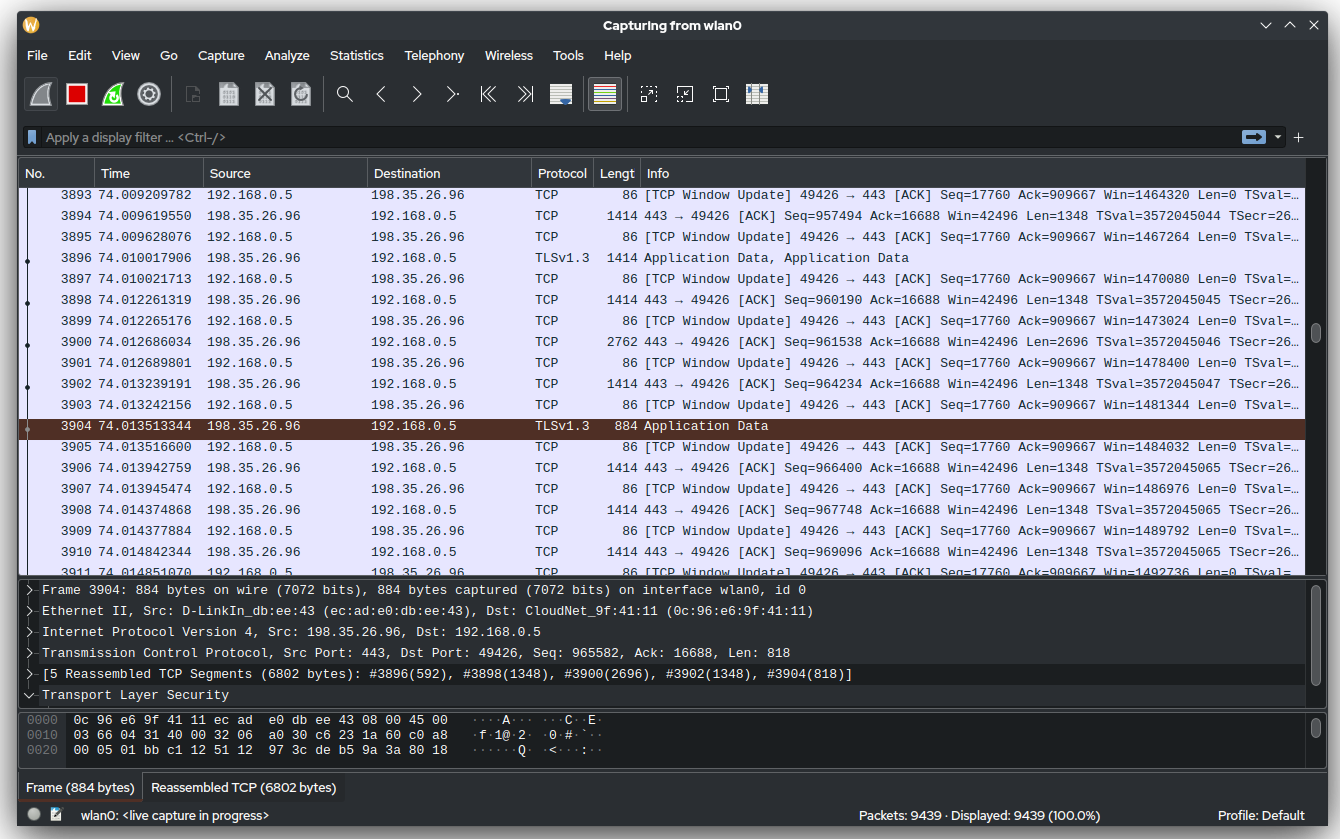
Passive asset discovery utilizes packet sniffers or network taps to collect data directly from the wire. Because it merely observes the ambient chatter of the network (such as DHCP requests or broadcast traffic), passive asset discovery does not negatively impact the performance of the target system.
Comparing Discovery Methods
| Feature | Active Discovery | Passive Discovery |
|---|---|---|
| Mechanism | Sends direct probing packets to targets. | Monitors ambient, existing network traffic. |
| Traffic Generation | Generates measurable network traffic. | Generates zero additional network traffic. |
| Performance Impact | Can cause network congestion or alert IDS. | Does not negatively impact the target system. |
| Primary Tools | Nmap, ARP/Ping sweeps. | Network taps, SPAN ports, packet sniffers. |
Knowing an IP address exists is only the first step. To understand your risk surface, you must identify the hardware and software operating at that address. Device fingerprinting analyzes network packet responses to determine a host's hardware type and operating system.
Operating systems are built by different engineers who interpret protocol standards (like TCP/IP) slightly differently. We can exploit these subtle, mathematical quirks to identify the exact system.
Operating System Fingerprinting
- Active Operating System Fingerprinting: This technique sends malformed packets to a target to analyze unique TCP/IP stack responses. For instance, if you send a TCP packet with flags that technically shouldn't be set together, a Windows machine might drop the packet, while a Linux machine might reply with a specific error code. The Nmap
-Oswitch enables this active operating system fingerprinting.
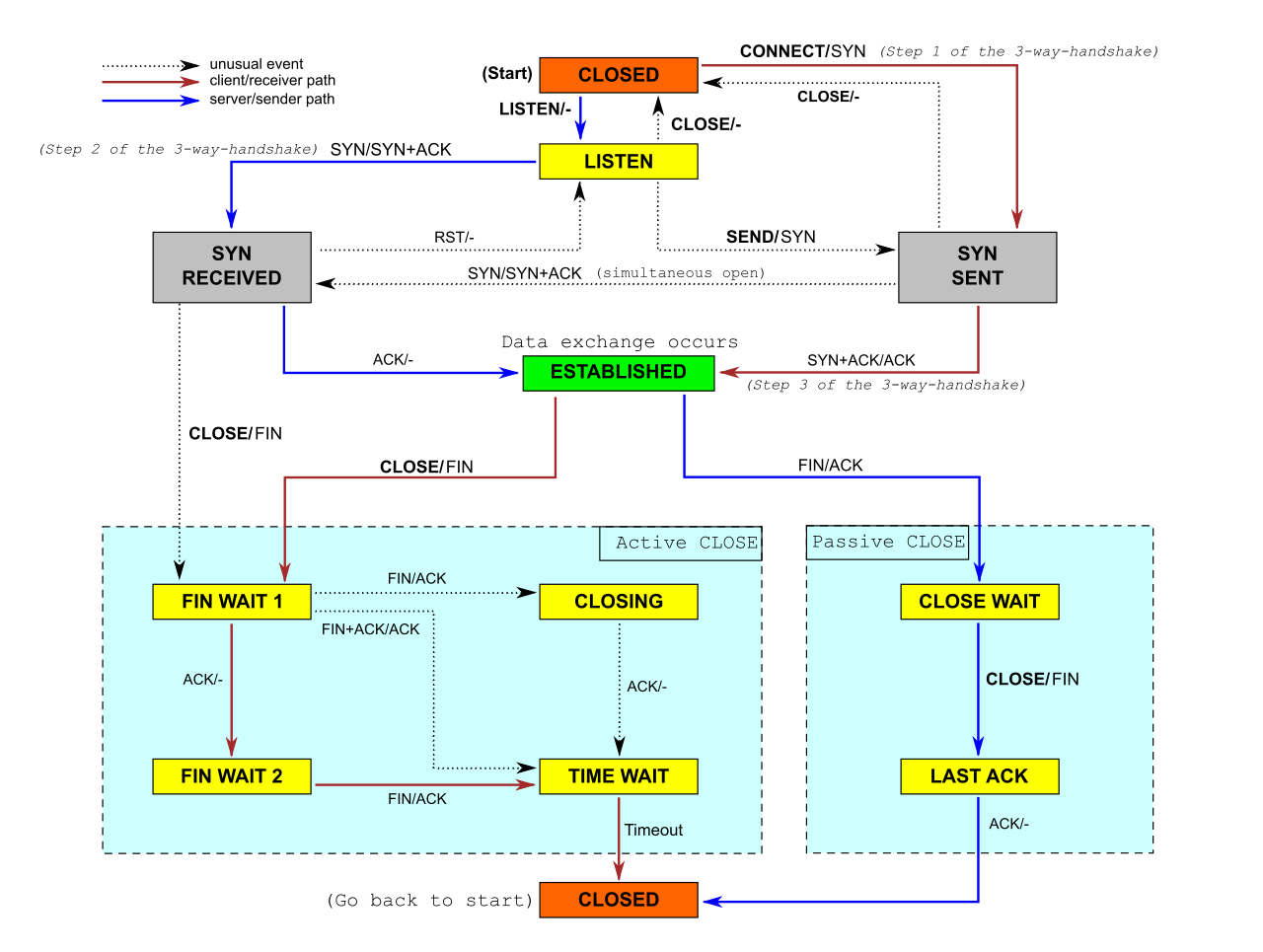
- Passive Operating System Fingerprinting: If you cannot send malformed packets, you can observe normal traffic. Passive operating system fingerprinting analyzes packet capture fields like Time to Live (TTL) and TCP window size to infer the host platform. (For example, a default TTL of 128 strongly suggests a Windows host, whereas 64 implies Linux).
Service Fingerprinting and Banner Grabbing
Once the OS is known, you must identify the listening applications. Service fingerprinting interacts with open network ports to identify the specific application and software version running on them.
- By using the Nmap
-sVswitch, you force Nmap to probe open network ports to determine service version information. - A simpler subset of this is banner grabbing, which captures the unauthenticated welcome screen or header text sent by a network service for identification purposes. If you connect to port 22 and the server immediately replies with
SSH-2.0-OpenSSH_8.2p1 Ubuntu-4ubuntu0.5, the service has just fingerprinted itself for you.
With your assets mapped and fingerprinted, the next operational phase is vulnerability scanning. The perspective from which you scan heavily dictates the accuracy of your results and the operational tax placed on your network.
Unauthenticated vs. Authenticated Scans
- Non-credentialed vulnerability scans: These assess a target system strictly from the perspective of an unauthenticated external attacker. Because the scanner is locked out of the internal file system, it must guess vulnerabilities based purely on service banners and network responses. Consequently, non-credentialed vulnerability scans generate a significantly higher volume of false-positive vulnerability reports.
- Credentialed vulnerability scans: These utilize administrative account credentials to authenticate directly to target systems. Credentialed scans use management protocols like Secure Shell (SSH) or Windows Management Instrumentation (WMI) to access internal system files, registries, and configuration directories. By looking at the actual files on the disk, credentialed vulnerability scans provide an accurate inventory of locally installed software packages.
The Agent-Based Revolution
Traditional active scanning requires the scanner to reach out across the network to the endpoint. This creates two problems: bandwidth consumption and transient devices (like laptops that leave the office).
Agent-based vulnerability scanning utilizes a locally installed software service on the endpoint to assess system configurations from the inside out.
- Because the agent reports back its findings asynchronously, agent-based vulnerability scanning eliminates the massive network bandwidth consumption associated with active network scanning.
- Furthermore, agent-based scanning effectively assesses transient endpoints that frequently disconnect from the corporate network; the agent simply holds onto the scan data and transmits it to the central server the next time the device connects to the internet.
Vulnerability scanners are loud, aggressive pieces of software. If wielded carelessly, they act less like security tools and more like denial-of-service weapons. As a SOC analyst or security engineer, your scanning architecture must respect the physical and operational realities of the environment.
Managing Target Sensitivity
Not all hardware handles scanning gracefully.
- Legacy Systems: Scanning legacy computer systems carries a high risk of causing the target device to crash. Older network stacks simply cannot process thousands of rapid, simultaneous TCP connection requests.
- Industrial Control Systems (ICS): Environments like manufacturing floors, power grids, or water treatment plants utilize delicate Operational Technology (OT). Industrial Control Systems require specialized scanning configurations to prevent critical operational disruptions. A standard aggressive Nmap scan against a Programmable Logic Controller (PLC) can physically halt an assembly line.

Operational Warning: To mitigate these risks, vulnerability scan sensitivity levels must be tuned. These levels dictate the aggressiveness and volume of the network probing activities. High-sensitivity vulnerability network scans frequently trigger alerts in Intrusion Detection Systems (IDS), flooding your own SOC with false-positive security incidents.
Scheduling and Bandwidth
Because vulnerability scanners pump massive amounts of traffic across the wire, vulnerability scanning schedules must explicitly account for the operational impact on network bandwidth. Organizations schedule vulnerability scans during off-peak business hours to minimize network performance degradation. Running a full-subnet vulnerability sweep at 10:00 AM on a Monday is a fast track to disrupting business operations.
How often should you scan? The answer lies at the intersection of regulatory mandates and modern threat intelligence.
Point-in-time scanning is rapidly becoming obsolete. Continuous vulnerability scanning provides real-time visibility into the security posture of dynamic network assets, alerting you the moment a new vulnerability drops or an unauthorized configuration change occurs.
The Compliance Floor
While continuous scanning is the operational ideal, regulatory compliance frameworks explicitly mandate minimum frequencies for performing vulnerability scans. For instance, the Payment Card Industry Data Security Standard (PCI DSS) mandates the execution of external vulnerability scans on a quarterly basis. Remember that compliance is just a baseline; passing a quarterly scan does not mean your network is secure for the next 89 days.
Triage and Action: The CISA KEV
When a comprehensive scan completes, an analyst is often staring at a report detailing tens of thousands of vulnerabilities. Where do you begin?
You begin with reality. The Cybersecurity and Infrastructure Security Agency (CISA) maintains the Known Exploited Vulnerabilities (KEV) catalog. This is a curated list of CVEs that are not just theoretical, but are actively being weaponized by threat actors in the wild right now. Therefore, Security Operations Center analysts prioritize patching vulnerabilities documented in the Known Exploited Vulnerabilities catalog.
By mastering the transition from silent passive discovery to targeted agent-based scanning, and ultimately prioritizing remediation based on active threat intelligence, you transform overwhelming network noise into calculated, defensible security architecture.