Vulnerability Scanning Methods
Not sure you’re ready?
Take the ~3-minute readiness diagnostic and see where you stand.
Imagine defending a sprawling medieval fortress. You cannot simply stand on the outermost wall looking inward and assume the keep is secure, nor can you lock the gates and assume no adversary has already tunneled beneath them. Evaluating a network’s defensive posture requires observing the environment from multiple distinct vantage points, using varying degrees of access and visibility. In the modern Security Operations Center (SOC), a single vulnerability scan is merely a single perspective. To build an accurate threat model, an analyst must synthesize data gathered from outside the perimeter, from deep within trusted enclaves, with administrative keys to the infrastructure, and in complete silence. This layered approach to vulnerability scanning is what separates theoretical risk assessment from actionable, operational intelligence.

To understand an environment's true attack surface, you must look at it from both the perspective of an outsider looking in, and an insider looking around. The physical and logical placement of the scanner dictates entirely what it can discover.
External Scanning: The Perimeter View
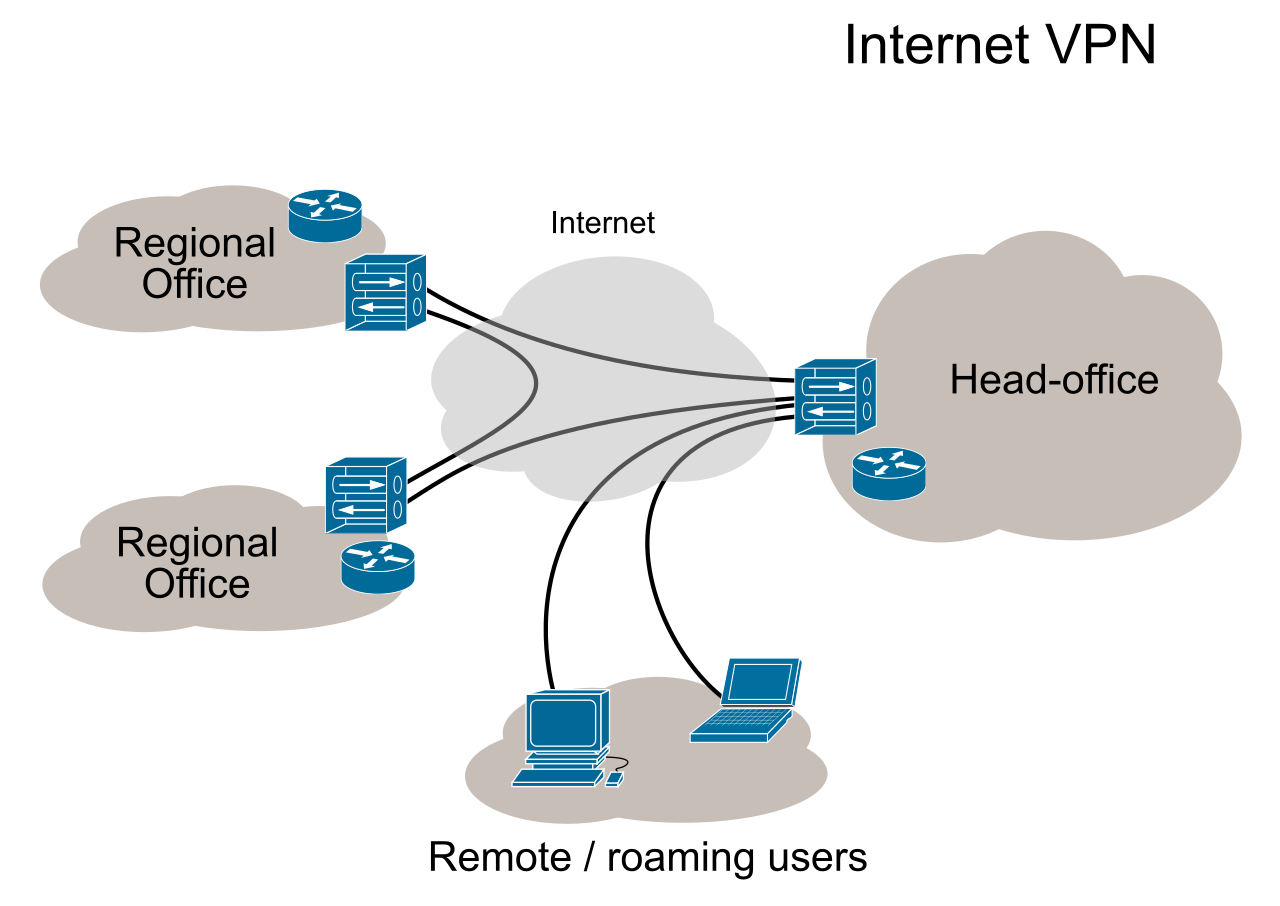
External vulnerability scanning originates from outside the corporate network perimeter. Imagine standing on the public internet, staring at the exact same digital facade that a threat actor in a foreign country sees. This method explicitly identifies infrastructure vulnerabilities accessible directly via the public internet.
When you deploy an external scan, you are mimicking the initial reconnaissance phase of a cyberattack. The scanner targets public-facing assets like web application servers and virtual private network (VPN) endpoints. These are your most exposed assets—the digital storefronts and employee gateways that must remain connected to the chaotic, untrusted internet to function. If an external scan discovers a critical vulnerability, it requires immediate triage by the SOC, because the exploitation vector is a straight line from the attacker to the asset.
Internal Scanning: The Assumed Breach
But what happens when the outer wall falls? Phishing emails, compromised credentials, or malicious USB drives bypass the perimeter every day.
Internal vulnerability scanning originates from within a corporate network perimeter. To achieve this vantage point, internal vulnerability scanners are typically deployed on trusted subnets behind the enterprise perimeter firewall.
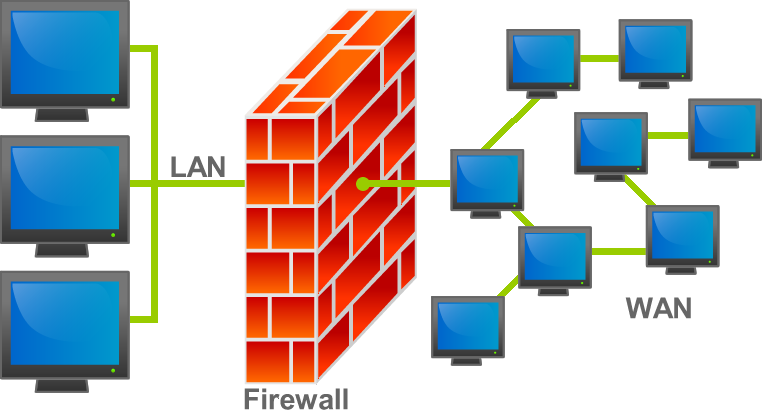
By scanning from the inside, internal vulnerability scanning evaluates organizational security posture against external attackers who have successfully bypassed perimeter defenses. Furthermore, it serves another critical function: it evaluates organizational security posture against insider threats. A rogue employee or a compromised internal workstation operates with trusted network access. The internal scan allows a SOC analyst to see exactly what vulnerabilities this internal actor could exploit to move laterally, escalate privileges, or exfiltrate data.
Positioning the scanner (internal vs. external) is only half the battle. We must also determine how much authority the scanner has when it interacts with a target.
Non-Credentialed Scanning: The Black Box Approach
Non-credentialed vulnerability scanning interrogates target systems without providing authentication credentials. The scanner acts as an uninvited guest. It mimics the limited network visibility of an unauthenticated external attacker.
Because the scanner does not have the keys to log into the machine, it must rely on external observation. It relies on open port enumeration to identify remotely accessible listening services. Once it finds an open port, it relies on network banner grabbing to estimate running service versions.
The Limitation of Guesswork: If an SSH server responds to a banner grab with "OpenSSH 7.2", the non-credentialed scanner assumes the server is vulnerable to every exploit associated with version 7.2. However, enterprise Linux distributions often backport security patches without changing the banner version. Because non-credentialed vulnerability scanning cannot inspect local host configurations or internal file systems, it does not know about the backported patch. Consequently, non-credentialed vulnerability scanning produces a higher rate of false positive vulnerability reports than authenticated scanning.
Credentialed Scanning: The White Box Truth
To eliminate the guesswork, we must grant the scanner access. Credentialed vulnerability scanning utilizes authorized user accounts to authenticate directly into target systems.
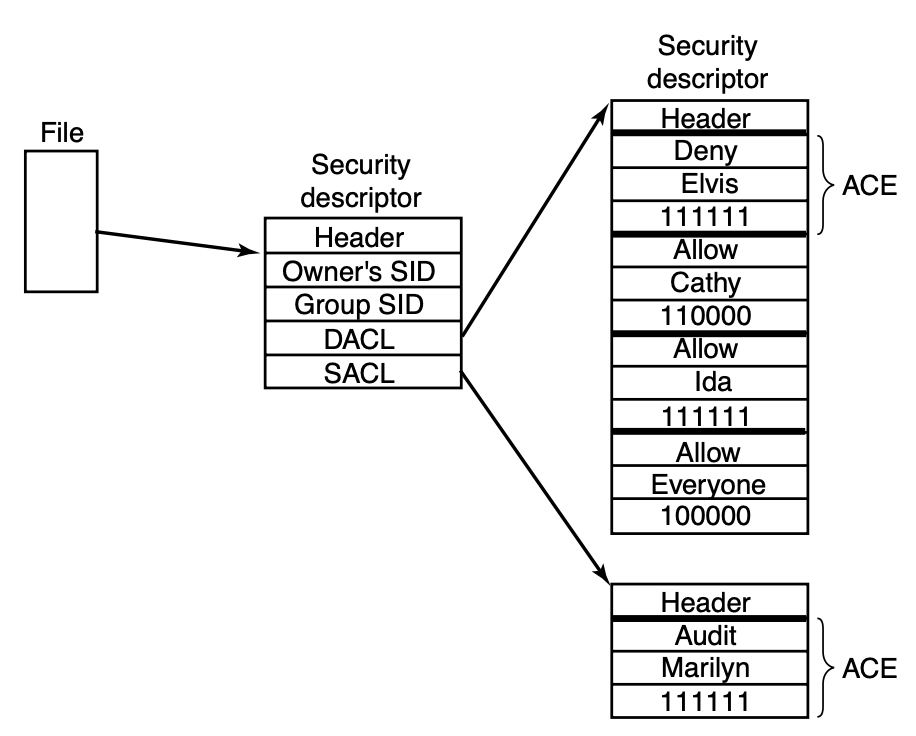
By logging in via SSH, WMI, or SMB, the scanner transforms from a blind observer into an omniscient auditor. Because it has administrative rights, credentialed vulnerability scanning reads host system registries to accurately determine installed software versions. Instead of trusting a network banner, it verifies the absolute truth. It evaluates local file systems to identify insecure file permissions, discovering misconfigurations that an unauthenticated scan could never see.
Furthermore, credentialed vulnerability scanning accurately verifies the presence of applied operating system security patches. It can definitively state whether a specific Microsoft KB article or Linux kernel update has been installed. Because it inspects the file system itself, credentialed vulnerability scanning successfully detects outdated client-side software applications like web browsers, which rarely listen on network ports and thus remain invisible to non-credentialed scans.
Ultimately, because it relies on cryptographic truth and local file inspection rather than network assumptions, credentialed vulnerability scanning produces fewer false positive results than unauthenticated scanning methods.
However, this immense power comes with an architectural risk. To authenticate across the enterprise, credentialed vulnerability scanning requires secure storage of administrative service accounts within the vulnerability management tool. If a threat actor compromises your vulnerability scanner, they instantly gain administrative credentials to your entire infrastructure.
| Feature | Non-Credentialed Scanning | Credentialed Scanning |
|---|---|---|
| Authentication | None provided | Uses authorized user accounts |
| Visibility | Open ports, network banners | Host registries, file systems, local configurations |
| Accuracy | High false-positive rate (relies on estimation) | Low false-positive rate (verifies exact patch levels) |
| Client-Side Detection | Fails to detect offline or client-side software | Successfully detects outdated browsers and local apps |
Finally, we must consider the physics of how the scanner interacts with the network itself. Does it aggressively interrogate the environment, or does it sit quietly and observe?
Active Scanning: The Interrogator
Active vulnerability scanning transmits crafted network packets directly to target hosts. It pokes the system to see how it jumps, and analyzes the direct responses from target hosts to determine security vulnerability status.
This is a loud, aggressive process. Because it is actively mapping ports, sending malformed packets, and testing payloads across thousands of IPs, active vulnerability scanning generates significant network traffic volume. Due to this density of probing, active vulnerability scanning consumes significantly more network bandwidth than passive vulnerability scanning.
For the SOC analyst, active scanning creates a distinct operational challenge: active vulnerability scanning routinely triggers security alerts within network intrusion detection systems (NIDS). Your SOC dashboards will light up with "Port Scan Detected" or "Suspicious Payload" alerts. Analysts must filter out the scanner's IP addresses to avoid alert fatigue.
Furthermore, active scanning is not physically safe for all environments. In industrial control systems (ICS) or medical networks, active vulnerability scanning carries a risk of disrupting the availability of fragile legacy computer systems. A delicate legacy server might crash simply because it receives an unexpected TCP sequence from an active scanner.

Passive Scanning: The Silent Observer
If active scanning is an interrogation, passive scanning is wiretapping.
Passive vulnerability scanning monitors ongoing network traffic without transmitting any targeted packets to network endpoints. It does not ping. It does not map ports. Because it does not interact directly with targets, passive vulnerability scanning operates invisibly without triggering network intrusion detection systems.
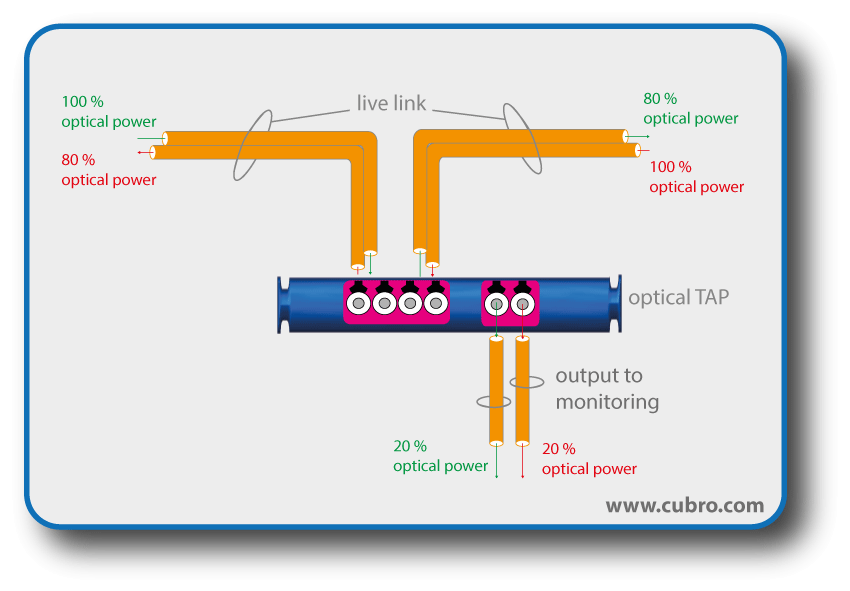
To achieve this visibility, passive vulnerability scanning requires deployment at strategic network chokepoints using span ports or network taps. By sitting at the core switch or firewall, the passive scanner watches the data flow by. It identifies vulnerable application protocols by analyzing packet payloads in transit. If a server communicates using outdated SSLv3 or sends cleartext FTP credentials, the passive scanner captures the payload, analyzes the vulnerability, and logs it.
The Blind Spot of Silence: Passive scanning is incredibly safe for fragile legacy systems, but it possesses a fundamental flaw. Passive vulnerability scanning fails to detect software vulnerabilities on network endpoints that are not actively transmitting data. If a machine with a critical vulnerability sits quietly on the network and never initiates a vulnerable protocol during the observation period, the passive scanner remains completely blind to its existence.
| Characteristic | Active Scanning | Passive Scanning |
|---|---|---|
| Network Interaction | Transmits crafted packets to targets | Monitors ongoing traffic (no transmissions) |
| Bandwidth Usage | Consumes significantly more bandwidth | Minimal/None (out-of-band monitoring) |
| SOC Impact | Routinely triggers NIDS security alerts | Operates invisibly |
| Operational Risk | Risk of disrupting fragile legacy systems | Safe for delicate ICS/SCADA environments |
| Detection Requirement | Requires IP reachability | Requires deployment at span ports/network taps |
In the real world of incident response and security monitoring, none of these methods exist in a vacuum. A mature vulnerability management program requires a symphony of these techniques:
- External, Non-Credentialed Active Scans to maintain a persistent view of the public attack surface, catching exposed RDP ports or unpatched VPN gateways before ransomware operators do.
- Internal, Credentialed Active Scans run on scheduled cadences against modern IT infrastructure to accurately verify patch management, read host registries, and detect outdated client-side software with minimal false positives.
- Internal Passive Scans deployed via span ports in highly sensitive OT/ICS networks, quietly analyzing packet payloads in transit to monitor fragile legacy systems without risking operational disruption.
By mastering the mechanical differences—knowing precisely how and where a scanner gathers its data—a cybersecurity analyst can stop chasing false positives, contextualize NIDS alerts, and accurately measure the actual risk facing their organization.