Incident Communications and Metrics
Not sure you’re ready?
Take the ~3-minute readiness diagnostic and see where you stand.
Imagine a microscopic fire starting inside the walls of a massive, heavily populated high-rise. The building's structural integrity represents your corporate network; the fire is a determined threat actor. As a firefighter—or in your case, a Security Operations Center (SOC) analyst—your first instinct is simply to break down the walls and spray water. But if you take an axe to the drywall without coordinating with the structural engineers, the building management, and the journalists watching outside, you might extinguish the fire only to cause the building to collapse under the weight of panic, legal liability, and regulatory fines.
In cybersecurity, technical remediation is only half the battle. The other half is a rigorously orchestrated dance of communication and measurement. A successfully contained breach can easily become a catastrophic business failure if the incident is miscommunicated to the public, hidden from regulators, or mishandled as forensic evidence.
This guide examines the strict protocols that govern how we communicate during a cyber crisis, and the empirical metrics we use to measure a SOC's fundamental capability to fight the fires.
During a critical incident, chaos is your primary enemy. To maintain order, organizations rely on incident communication plans. These formalized documents act as the absolute source of truth, specifically defining the authorized personnel responsible for sharing incident details with both internal and external stakeholders.
As an incident responder, your natural inclination might be to crowdsource solutions by asking colleagues in other departments for help. You must resist this urge. Incident responders must restrict incident information sharing strictly to personnel with a verified need-to-know. Loose lips do not just sink ships; they tip off threat actors that you are onto them, prompting them to destroy logs, deploy ransomware prematurely, or establish deeper backdoors.

The "Severed Nerve" Protocol: Out-of-Band Communication
What happens when the adversary controls your vocal cords? In a severe breach, threat actors routinely monitor internal email servers and corporate Slack or Teams channels to watch the security team's every move. When a cyber incident compromises the primary corporate communication network, security teams must immediately pivot to out-of-band communication methods.
Out-of-Band Communication: Alternate, completely independent channels that do not rely on the compromised corporate infrastructure.
These out-of-band communication methods include personal cellular devices, separate messaging applications (like Signal or a dedicated, isolated tenant of a chat app), and offline phone trees. Maintaining physical printouts of these phone trees is critical—when the Active Directory falls, your digital directory of phone numbers falls with it.
The SOC is a technical engine, but it operates within a complex legal and public ecosystem. You will frequently interact with three critical non-technical pillars.
1. Legal Counsel
During an incident, the legal team is not there to tell you how to isolate a firewall; they are there to protect the organization's existence. Legal counsel advises the incident response team on the organization's legal liability during a cyber security incident. Furthermore, the legal department dictates the specific compliance requirements for data breach notification timelines. You do not decide when to disclose a breach; Legal does.
2. Public Relations (PR)
When a breach becomes noticeable, journalists and clients will demand answers. Public Relations teams are exclusively responsible for drafting and releasing public statements regarding a cyber incident.
If an exhausted SOC analyst vents on social media or answers a reporter's email, the consequences are disastrous. Premature disclosure of an ongoing cyber incident by technical staff can result in massive reputational damage and severe legal liability, particularly if the provided information is inaccurate or contradicts later official statements.
Your duty to PR is translation. Technical incident responders must provide Public Relations teams with accurate, jargon-free technical summaries of the security incident. PR cannot explain the scope of a breach if you hand them a dense packet of raw packet captures and hexadecimal memory dumps.
3. Regulators and Compliance Timelines
Modern organizations operate under strict governmental oversight. Regulatory communications must be incredibly precise. When reporting to regulators, communications must include:
- The scope of the data breach.
- The exact types of compromised data (e.g., PII, PHI, financial records).
- The remediation steps taken to secure the environment.
Timelines for these notifications are unforgiving:
| Regulatory Body / Framework | Geography / Scope | Notification Requirement |
|---|---|---|
| GDPR (General Data Protection Regulation) | European Union | Mandates a 72-hour breach notification window for severe data breaches. |
| SEC (Securities and Exchange Commission) | United States (Public Companies) | Requires public companies to disclose material cybersecurity incidents within four business days. |
Eventually, external entities must be brought into the fold. However, introducing law enforcement creates an immediate conflict of interest with your IT operations team.
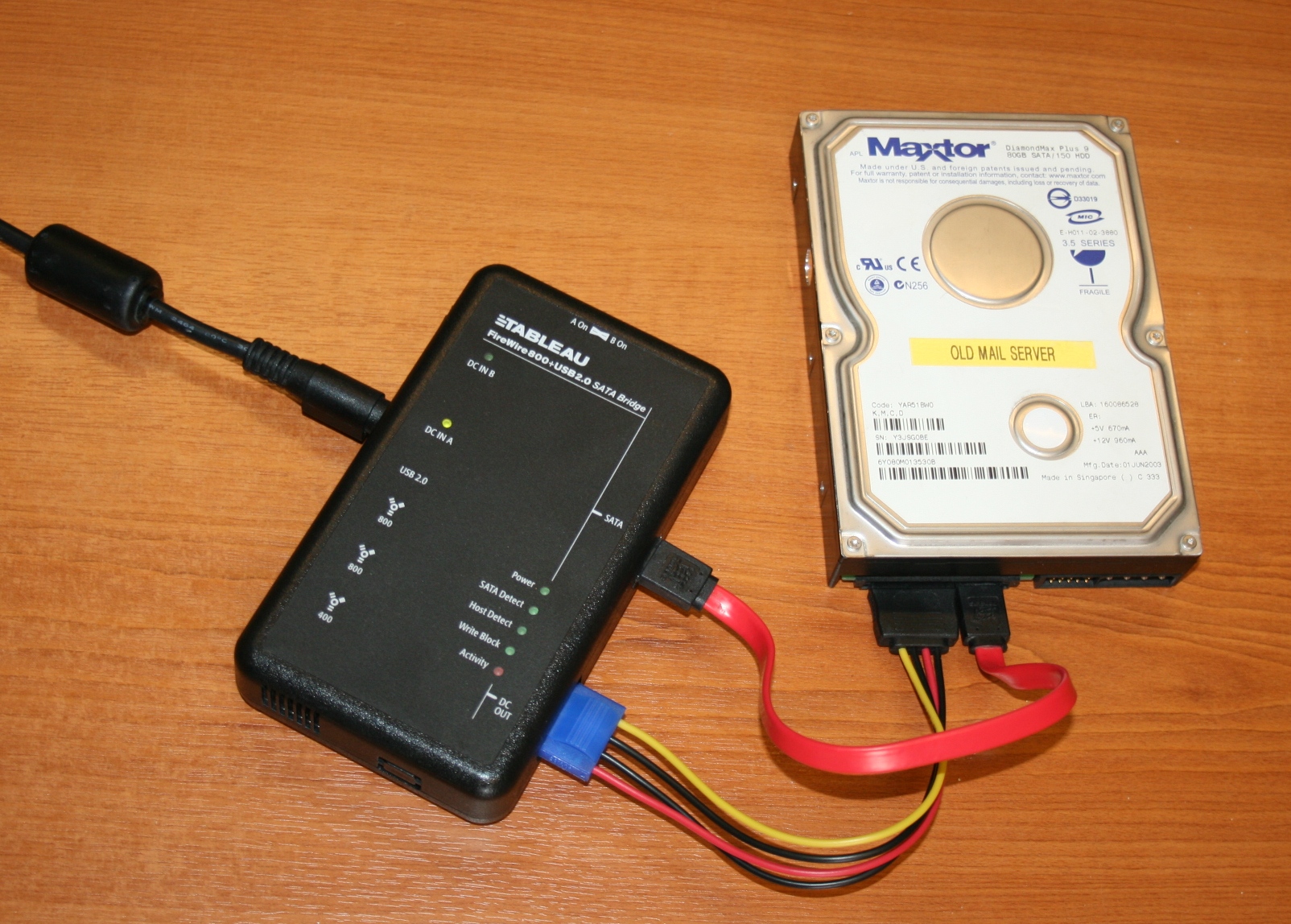
The business wants systems back online immediately. However, law enforcement involvement in an incident response process can delay system recovery efforts due to strict evidence preservation requirements. If you wipe and reinstall a compromised server, you have destroyed the crime scene. Organizations must maintain a strict chain of custody for digital evidence before handing that digital evidence over to law enforcement agencies. This means documenting exactly who collected the hard drive, how it was stored, and who had access to it at every moment.
In the United States, your primary federal partners are:
- Federal Bureau of Investigation (FBI): Investigates cyber intrusions and actively pursues cyber threat actors both domestically and abroad.
- Cybersecurity and Infrastructure Security Agency (CISA): Focuses on defense. CISA provides incident response assistance and facilitates critical threat intelligence sharing for US organizations.
Sharing Intelligence: ISACs and the TLP
You are not fighting alone. Organizations frequently collaborate via Information Sharing and Analysis Centers (ISACs), which facilitate the sharing of threat intelligence among organizations within the same critical infrastructure sector (e.g., FS-ISAC for financial services, H-ISAC for healthcare).
But how do you share intelligence without leaking highly classified internal vulnerabilities? We use the Traffic Light Protocol (TLP). The TLP uses universally understood color codes to indicate the permitted sharing boundaries for sensitive security information.
The Traffic Light Protocol (TLP)
- 🔴 TLP:RED - Information cannot be shared with anyone outside the specific exchange, meeting, or conversation. (Strictly limited to those present).
- 🟡 TLP:AMBER - Information can only be shared with members of the recipient's organization on a strict need-to-know basis.
- 🟢 TLP:GREEN - Information can be shared widely within a particular community or sector (like an entire ISAC).
- ⚪ TLP:CLEAR - Information carries no restrictions and can be shared freely with the general public.
If you cannot measure it, you cannot improve it. Incident response metrics provide quantifiable data to evaluate the efficiency and effectiveness of a Security Operations Center. We measure time, and we measure accuracy.
The Physics of Time in the SOC
The most dangerous metric in cybersecurity is dwell time. Dwell time is the total duration a threat actor maintains undetected access within a target network. The longer the dwell time, the deeper the adversary burrows, establishing persistence and quietly exfiltrating data. Every other time-based metric is designed to minimize this window.
1. Mean Time to Detect (MTTD)
MTTD measures the average amount of time it takes an organization to discover a security breach. It is the raw measurement of your visibility.
- Why it matters: A lower Mean Time to Detect (MTTD) directly reduces the potential impact and data loss associated with a cyber incident.
- How to improve it: Waiting for alarms to ring is not enough. Proactive threat hunting operations—where analysts assume the network is already breached and actively search for hidden anomalies—are a primary method for reducing an organization's MTTD.
2. Mean Time to Acknowledge (MTTA)
Once an alert fires, the clock resets. MTTA measures the average time between a security alert triggering and a security analyst actually beginning to investigate that specific alert.
- Why it matters: It measures human responsiveness. A high Mean Time to Acknowledge (MTTA) often indicates severe organizational distress—typically an understaffed Security Operations Center or an overwhelming volume of false positive security alerts.
3. Mean Time to Respond (MTTR)
Note: In the industry, "MTTR" frequently collides. CompTIA emphasizes understanding the context between Respond and Recover. Mean Time to Respond (MTTR) measures the average time it takes to neutralize a threat after the threat has been identified. This is the containment phase—isolating hosts, disabling compromised accounts, and blocking malicious IPs.
- How to improve it: Human hands are too slow to type out firewall block rules during a ransomware outbreak. Security Orchestration, Automation, and Response (SOAR) platforms aggressively reduce Mean Time to Respond (MTTR) by automating these initial containment actions at machine speed.
4. Mean Time to Recover (MTTR)
Once the threat is neutralized, the business must survive. Mean Time to Recover (MTTR) measures the average time required to restore affected systems to full operational status after a security incident.
- The fine print: This is not just clicking "reboot." Mean Time to Recover calculations must realistically include the time required to restore data from backups and heavily verify system integrity to ensure the adversary hasn't left a backdoor in the restored image.
The Physics of Accuracy: False Positives and Negatives
Time metrics are heavily skewed by the quality of the alerts your tools generate. Think of this as the signal-to-noise ratio of your SOC.
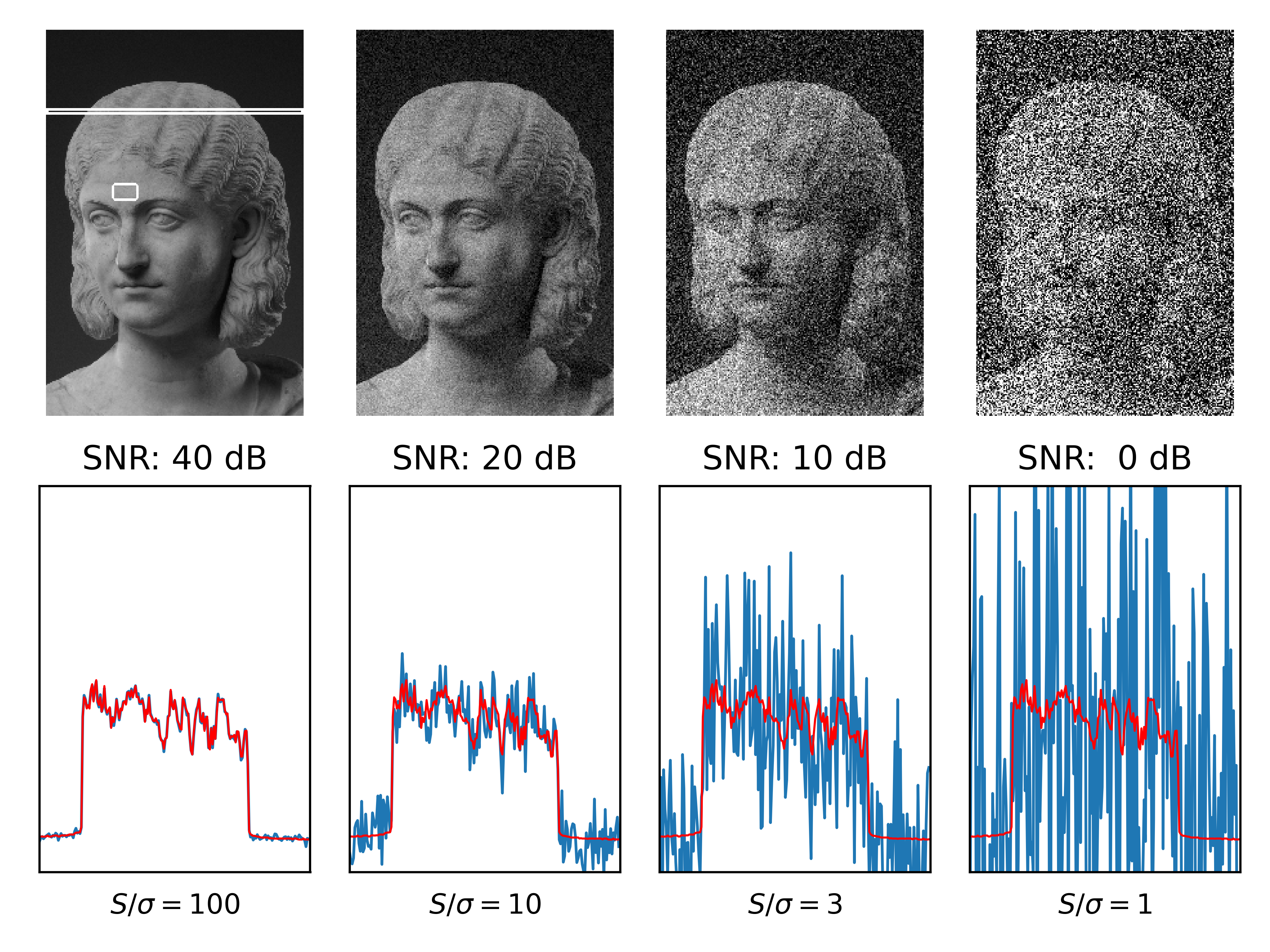
- The False Positive Rate: This represents the percentage of security alerts that incorrectly identify benign, normal activity as malicious (e.g., an alert firing because a CEO logged in from a new hotel while traveling).
- The Danger: A high false positive rate contributes directly to alert fatigue among Security Operations Center analysts. When 99 out of 100 alerts are fake, the human brain is conditioned to ignore the 100th alert—which is exactly when the real breach occurs.
- The False Negative Rate: This is the silent killer. It represents the percentage of actual malicious events that entirely fail to trigger a security alert in the monitoring systems. A high false negative rate guarantees an infinite dwell time, as the SOC is completely blind to the adversary operating within the environment.
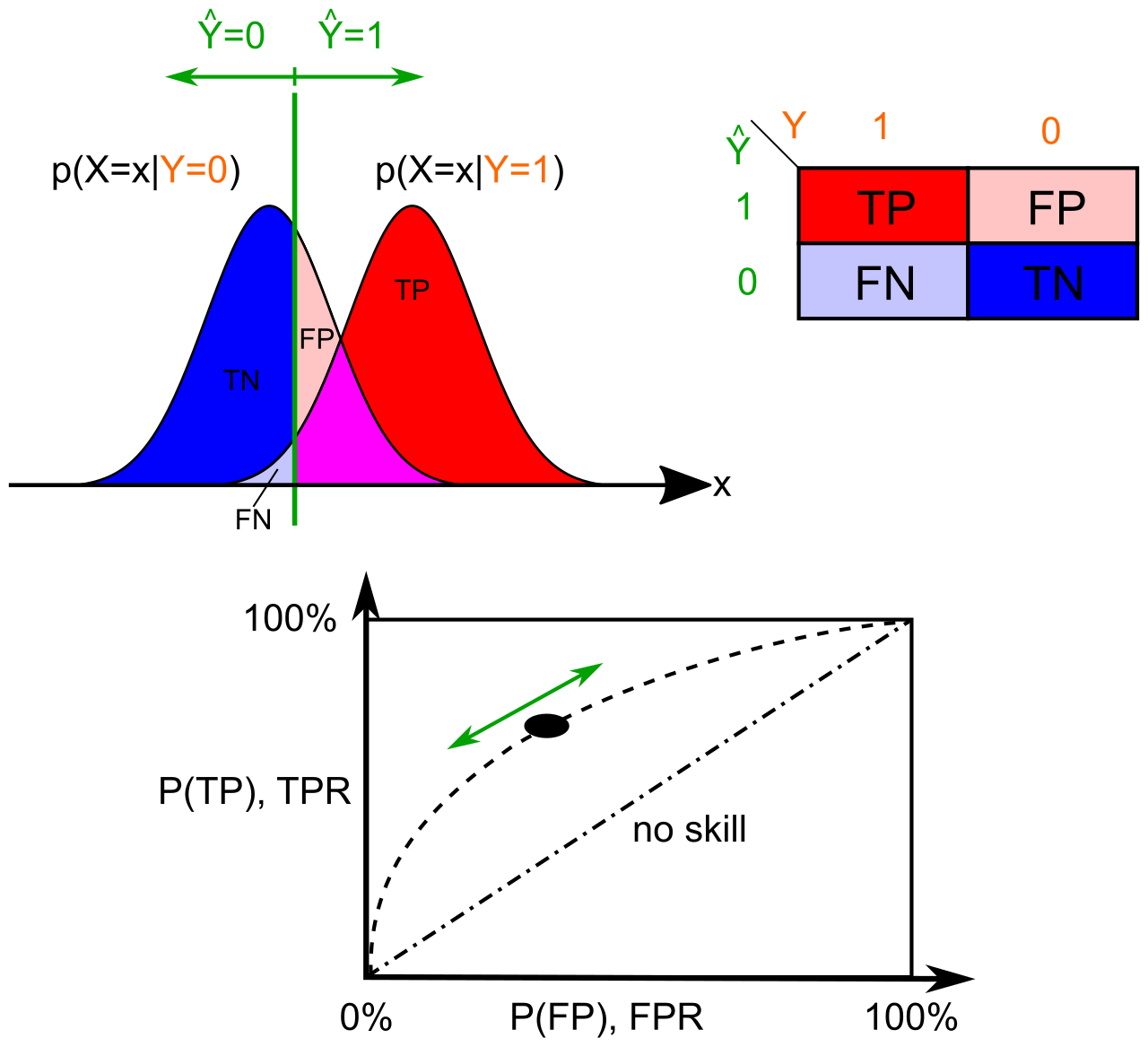
Mastering these metrics—balancing the sensitivity of your tools to minimize false negatives without drowning your analysts in false positives—is the hallmark of an elite Security Operations Center. It is how you ensure that when the fire starts, your team detects the smoke instantly, isolates the room automatically, and communicates the damage flawlessly.