Incident Reporting and Escalation
Not sure you’re ready?
Take the ~3-minute readiness diagnostic and see where you stand.
Every second, a modern enterprise network generates millions of microscopic data points. A firewall drops a malformed packet; a user logs into a database; a service account attempts to access an administrative share. In our field, we define an event as any observable occurrence in a system or network. It is simply a statement of fact, neither inherently good nor bad.
However, if that event carries a negative consequence—such as a server crashing from memory exhaustion or a malware executable detonating—it becomes an adverse event. But when an adverse event crosses a specific threshold, transitioning from a mere system failure into a deliberate attack or policy breach, it transforms into a computer security incident. By definition, a computer security incident is a violation of computer security policies or acceptable use policies.
Understanding how to identify, declare, escalate, and document these incidents is the fundamental dividing line between a chaotic, panicked IT department and a mature Security Operations Center (SOC).
The SOC acts as the central nervous system of an organization’s security apparatus, filtering the noise of daily operations to find the actual threats. Tier 1 Security Operations Center analysts perform initial triage to determine if an alert warrants formal incident declaration.
Incident declaration is the formal process of classifying an observed adverse event as a security incident. This is not a casual labeling exercise. It is a critical operational trigger. Incident declaration triggers the formal incident response plan, shifting the organization’s posture from passive monitoring to active crisis management.
Once triggered, response teams do not improvise; they rely on established doctrines. In the United States, NIST Special Publication 800-61 Revision 2 is the standard United States government guide for computer security incident handling, providing the architectural framework for how we contain, eradicate, and recover from an attack.
Before committing resources, we must measure the scope of the crisis. Incident severity classification determines the priority level of the incident response effort. We do not measure severity purely by technical complexity. Instead, incident severity is typically calculated based on the technical information impact and the overall business impact. A highly sophisticated zero-day exploit hitting an isolated, air-gapped test server has high technical impact but zero business impact. A simple credential stuffing attack that compromises the main payment processing gateway has massive business impact. We prioritize the latter.
Once an incident is declared and its severity classified, the problem must be routed to the people capable of solving it. Escalation is the process of transferring incident handling responsibility to a higher tier or specialized team. This takes two distinct forms:
- Functional Escalation: This involves moving the problem sideways or deeper into the technical trenches. Functional escalation involves transferring a security incident to personnel with more advanced technical skills. If a Tier 1 analyst spots anomalous PowerShell execution, they functionally escalate the alert to a Tier 3 threat hunter or a reverse engineer.
- Hierarchical Escalation: This involves moving the problem upward to leadership. Hierarchical escalation involves notifying management or executive leadership about a security incident. You do not initiate hierarchical escalation because a piece of malware is difficult to analyze; you do it because the malware threatens the organization’s survival. Therefore, hierarchical escalation is required when a security incident impacts critical business operations.
The Stakeholder Ecosystem
A major security incident is rarely just an IT problem. It is a business crisis requiring a coalition of different departments, each needing specific data to perform their roles:
- Technical stakeholders require granular data such as IP addresses and hash values for incident remediation. They need the exact signatures of the malware to update firewalls and endpoint detection tools.
- Management stakeholders require information regarding the financial impact of a security incident to make informed business decisions. They need to know if operations will be down for two hours or two weeks.
- Human resources must be involved in an incident response if an internal employee is suspected of malicious activity. They guide the lawful termination or suspension of the insider threat.
- Legal counsel must be involved in an incident response to guide regulatory compliance and assess potential litigation. They determine if a data exposure constitutes a legally actionable breach.
- Public relations teams manage external communication with the media during a high-profile security incident. They prevent uncoordinated leaks from damaging the company's market reputation.
- Finally, law enforcement should be contacted if a security incident involves a clear violation of federal or state law, such as international wire fraud or state-sponsored espionage.
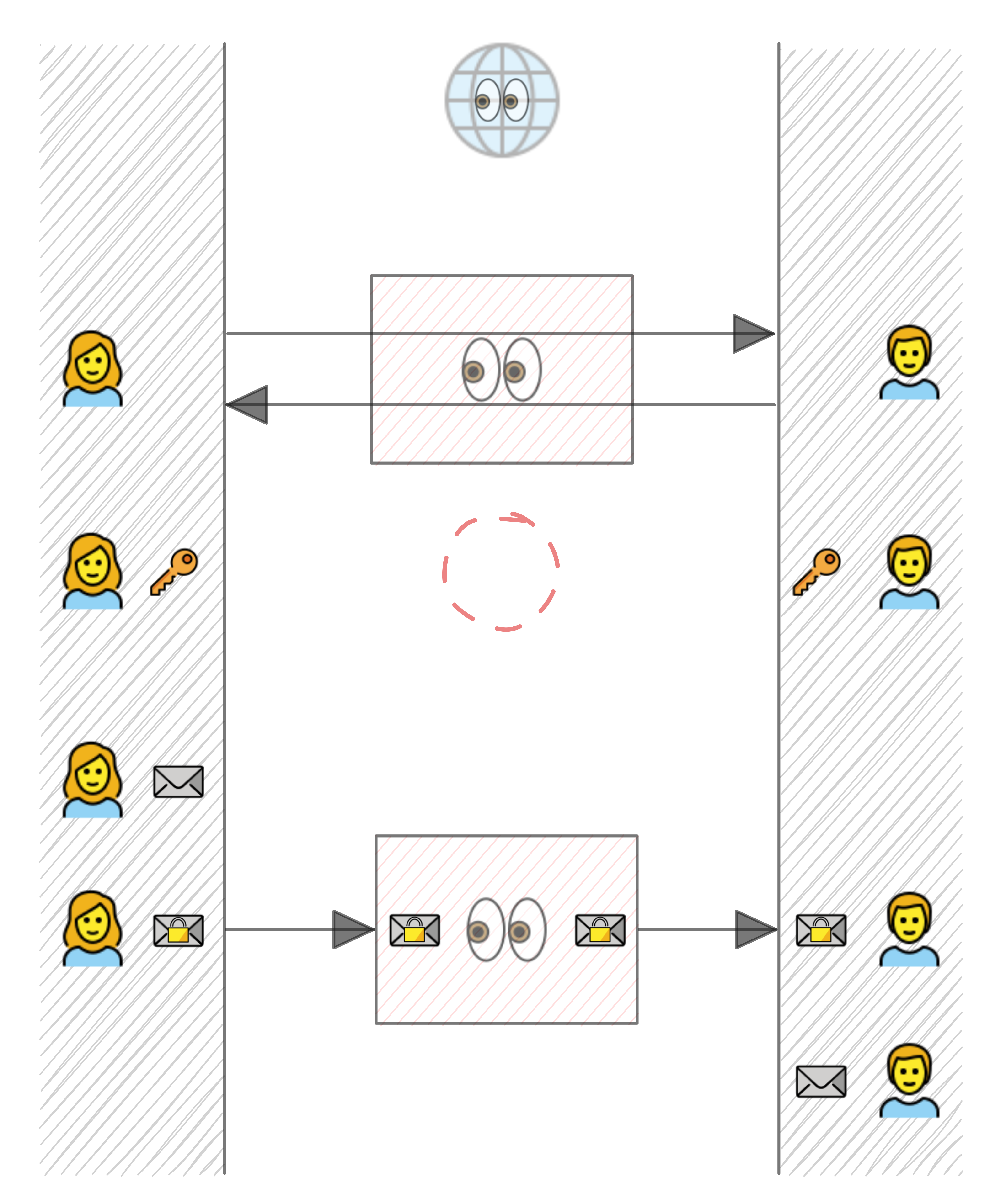
When an adversary has breached your network, you can no longer trust your internal infrastructure. If a threat actor compromises your Active Directory, they likely have access to your internal email servers and chat applications.
To prevent alerting the adversary to your defensive maneuvers, incident responders must use out-of-band communication to prevent adversaries from intercepting response plans. An out-of-band communication method is a separate communication channel used when the primary network is compromised. Today, secure messaging applications with end-to-end encryption are frequently used for out-of-band incident communication. However, you cannot provision and distribute secure channels in the middle of a firefight. Out-of-band communication systems must be established and tested before a security incident occurs.
Regardless of whether communication is in-band or out-of-band, the dissemination of information must be highly structured. A communication plan defines the specific channels to be used for different incident severity levels. Within this plan, a call tree is a hierarchical communication model used to systematically notify incident response team members. The SOC manager calls two team leads, who each call three analysts, ensuring rapid notification without creating a communication bottleneck.
Furthermore, when utilizing these call trees, paranoia is a virtue. Attackers frequently use social engineering during an active incident to gather intelligence about the response effort. Consequently, incident response team members must verify the identity of individuals before discussing sensitive incident details over the phone.
During an incident, responders collect massive amounts of data: memory dumps, disk images, and network traffic captures. For this data to be useful—especially if legal action is pursued—it must be rigorously documented.
An incident timeline provides a chronological sequence of events related to a security incident. Because modern enterprises are distributed across the globe, a log entry originating from a server in Tokyo cannot be directly compared to a log entry from a firewall in New York without mathematical translation. To solve this, incident timelines must use a standardized time zone to ensure chronological accuracy across distributed systems. By universal agreement in our industry, Coordinated Universal Time (UTC) is the standard time zone used in cybersecurity incident timelines.

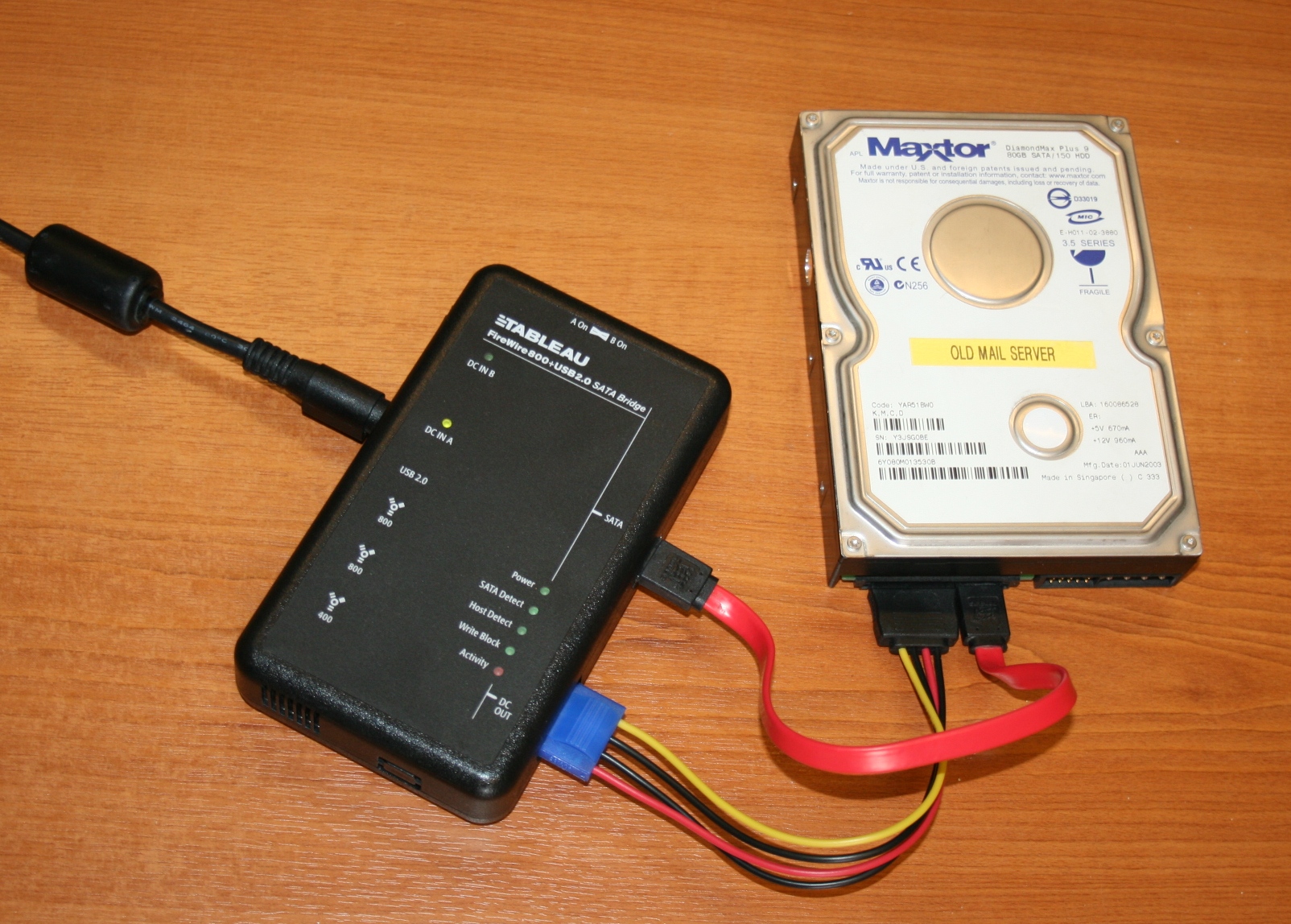
Physical and digital evidence tracking is equally critical. The chain of custody documents the chronological history of digital evidence handling, recording exactly who collected the data, where it was stored, and who had access to it. Proper chain of custody maintenance is required for digital evidence to be admissible in a court of law. If a defense attorney can prove a hard drive was left unsecured on an analyst's desk for three hours, the integrity of the evidence is legally destroyed.
When data is compromised, organizations are subject to strict, legally binding countdowns. Regulatory reporting requirements dictate the timeframe for notifying affected individuals of a data breach. These are not mere suggestions; failure to comply results in devastating financial penalties.
In the United States, the Cybersecurity and Infrastructure Security Agency (CISA) provides a central incident reporting point for federal agencies and critical infrastructure entities. Recent legislation has drastically tightened the reporting windows for these sectors. The Cyber Incident Reporting for Critical Infrastructure Act of 2022 mandates reporting of covered cyber incidents to the Cybersecurity and Infrastructure Security Agency. Specifically, the Act mandates reporting of covered cyber incidents within 72 hours, and even more aggressively, it mandates reporting of ransomware payments within 24 hours.

Beyond federal infrastructure, external breach notification requirements vary significantly based on regional data privacy laws.
- In Europe, the General Data Protection Regulation (GDPR) mandates data breach notification to supervisory authorities within 72 hours of awareness.
- In the US healthcare sector, the Health Insurance Portability and Accountability Act (HIPAA) mandates breach notification to the Secretary of Health and Human Services within 60 days for breaches affecting 500 or more individuals.
When the fire is out, the ultimate deliverable of the SOC is the paperwork. A comprehensive incident response report documents the entire lifecycle of a security incident, serving as both a technical autopsy and a business record. It is divided into two distinct audiences.
The Executive Summary
The front matter of the report is designed strictly for leadership. An executive summary provides a high-level overview of an incident for non-technical stakeholders. The primary purpose of this section is business translation. An executive summary must clearly outline the business impact of the security incident—such as a $2.4 million loss in processing capability or a 14-hour fulfillment delay.
Because of its audience, an executive summary should omit granular technical details like specific memory addresses or firewall rules. A CEO does not need to know the hex offset of a buffer overflow; they need to know if the customer database was stolen.
The Technical Documentation
The body of the report is for the engineers and security architects. An incident response report must include the specific Indicators of Compromise (IoCs) associated with the attack, such as malicious domains or file hashes.
It also must describe the Tactics, Techniques, and Procedures (TTPs) used by the adversary. To ensure the global cybersecurity community speaks a common language, the MITRE ATT&CK framework provides a standardized vocabulary for documenting adversary Tactics, Techniques, and Procedures in incident reports. Instead of vaguely stating "the attacker moved through the network," we document that they used T1059.001 - Command and Scripting Interpreter: PowerShell.
Finally, the report must detail the defensive actions taken. Incident containment strategies implemented during the response must be documented in the final incident response report, explaining how the blast radius was limited (e.g., isolating specific VLANs). Following this, incident eradication steps taken during the response must be documented in the final incident response report, outlining how the threat was permanently neutralized (e.g., rebuilding compromised servers from known-good gold images and rotating all enterprise credentials).
An organization that merely survives a breach without learning from it is destined to repeat it. According to the NIST framework, the final and most crucial phase is Post-Incident Activity.
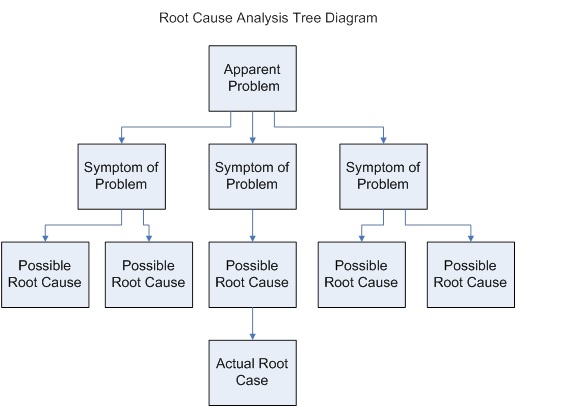
This phase begins with a deep forensic investigation. A root cause analysis identifies the underlying vulnerability or process failure that allowed a security incident to occur. Perhaps the root cause wasn't just a missing software patch, but a broken automated patch management process that allowed the vulnerability to persist in the wild for 90 days.
Once the root cause is understood, the team generates a final deliverable. The lessons learned report identifies improvements for future incident response efforts. This might include recommendations for purchasing new endpoint detection software, rewriting the communication plan, or increasing security awareness training.
Time is the enemy of memory. Therefore, the lessons learned report must be completed during the post-incident activity phase, typically within two weeks of the incident's resolution, while the challenges, friction points, and failures of the response effort are still fresh in the minds of the responders.
Ultimately, incident response is not just about putting out fires. It is about understanding exactly how the fire started, how it spread, and engineering the environment so that the same spark can never threaten the organization again.