Secure Coding and Development
Not sure you’re ready?
Take the ~3-minute readiness diagnostic and see where you stand.
In the security operations center, an analyst is effectively investigating the aftermath of architectural failures. When an alert fires for a successful SQL injection or a cross-site scripting payload, the fundamental failure did not occur at the moment of execution; it occurred months or years earlier, written into the very fabric of the application during its creation. To transition from merely chasing symptoms to actively curing the disease, security professionals must look upstream to the assembly line itself. The architecture of modern software requires that security is not a perimeter fence built after a structure is finished, but rather the very rebar poured into the concrete foundation.
To understand how software vulnerabilities are born—and how to stop them—we must examine the manufacturing process. The traditional software development life cycle consists of distinct phases including planning, design, development, testing, deployment, and maintenance. Historically, security was an afterthought, awkwardly bolted on during the testing or deployment phases. By the time a penetration tester or a security analyst found a flaw, fixing it was prohibitively expensive and time-consuming.
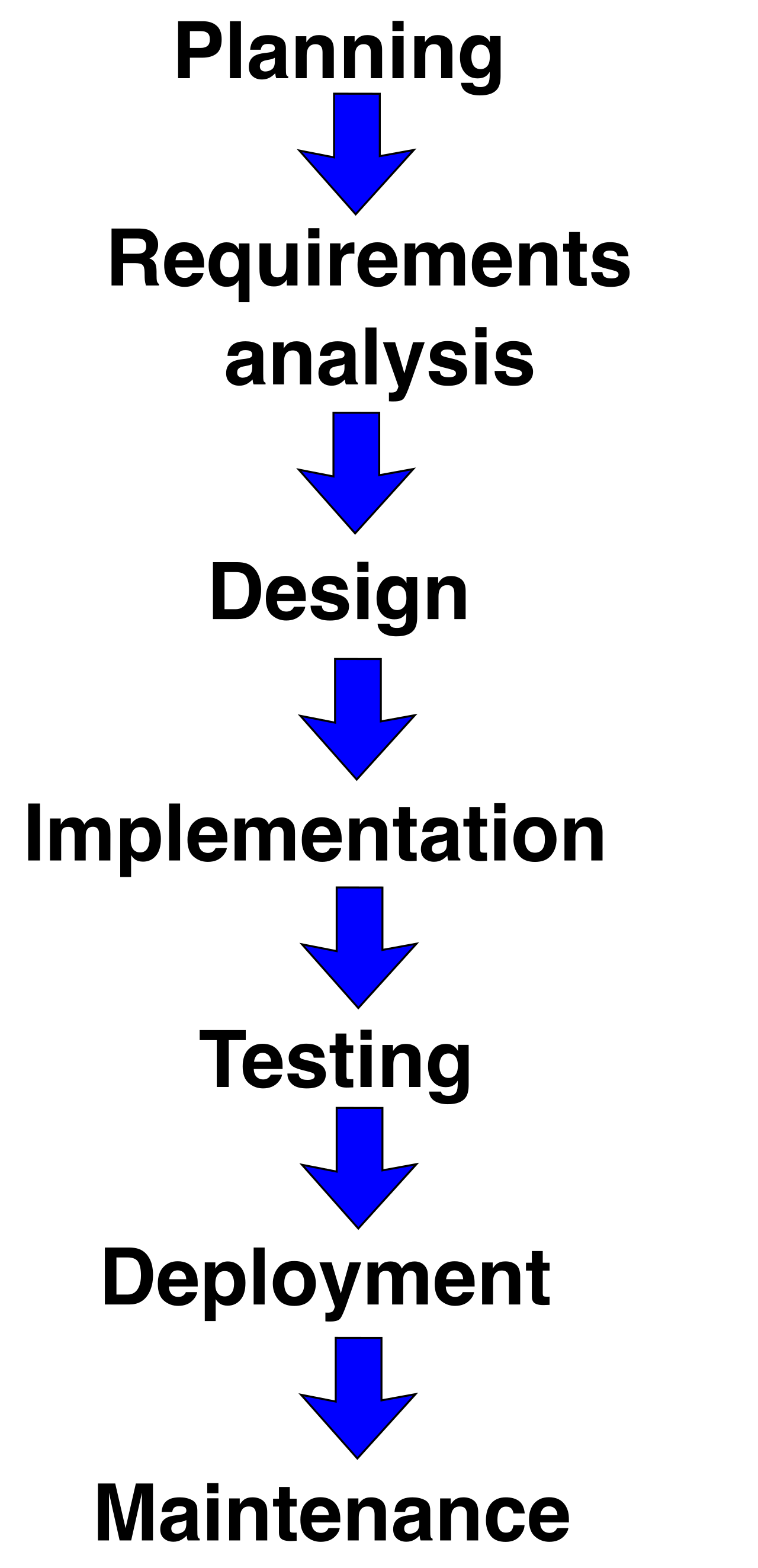
We solve this physical and economic problem by changing the paradigm. The secure software development life cycle incorporates security assessments and threat modeling into every phase of software creation. Instead of waiting until the end of the line, we use a concept known as "shifting left." If you imagine the development timeline moving from left to right, shift-left security introduces automated security testing and secure coding practices as early as possible in the software development life cycle.
To standardize this structural integrity, the federal government provided a blueprint. NIST Special Publication 800-218 defines the Secure Software Development Framework (SSDF). This framework is not a checklist, but a set of foundational behaviors built on four core practices:
- The Secure Software Development Framework includes a core practice of preparing the organization with secure development policies. (You cannot build securely without organizational mandates and training).
- The Secure Software Development Framework includes a core practice of protecting software components from tampering. (Securing the supply chain and code repositories).
- The Secure Software Development Framework includes a core practice of producing well-secured software with minimal security vulnerabilities. (The actual writing of robust code).
- The Secure Software Development Framework includes a core practice of responding to identified vulnerabilities in software releases. (The feedback loop where SOC analysts and incident responders feed data back to developers).
Before a single line of code is written, we must understand how an adversary might attempt to break our system. This is the intellectual heart of secure design. Threat modeling systematically identifies structural vulnerabilities during the software design phase. By analyzing data flows and trust boundaries, threat modeling establishes critical security requirements before any application code is written.
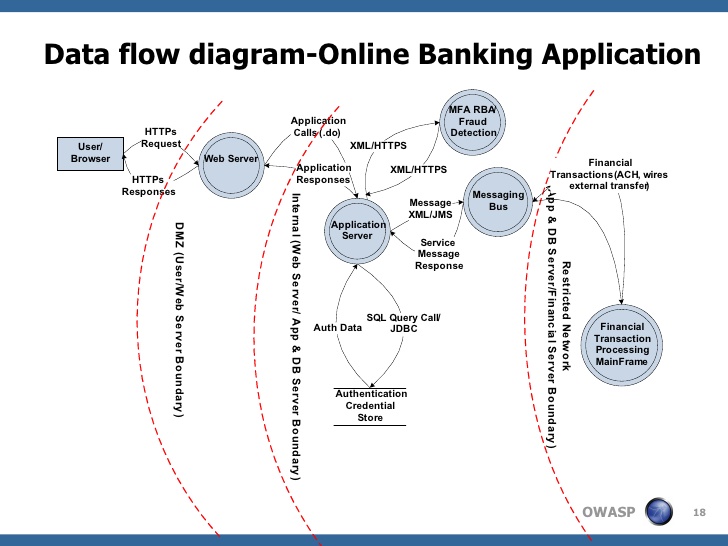
For a threat intelligence analyst, threat modeling is highly intuitive—it is the translation of adversarial tactics into engineering constraints. Several frameworks exist to structure this thinking:
STRIDE
Microsoft developed the STRIDE threat modeling framework. It is widely used because it elegantly maps specific adversarial actions to the fundamental security properties they violate. The STRIDE acronym represents Spoofing, Tampering, Repudiation, Information Disclosure, Denial of Service, and Elevation of Privilege.
| STRIDE Threat | Adversary's Goal | The Fundamental Security Property Violated |
|---|---|---|
| Spoofing | Pretending to be someone else. | The Spoofing threat in the STRIDE model violates the fundamental security property of authenticity. |
| Tampering | Modifying data in transit or at rest. | The Tampering threat in the STRIDE model violates the fundamental security property of integrity. |
| Repudiation | Claiming they didn't perform an action. | The Repudiation threat in the STRIDE model violates the fundamental security property of non-repudiation. |
| Information Disclosure | Accessing unauthorized data. | The Information Disclosure threat in the STRIDE model violates the fundamental security property of confidentiality. |
| Denial of Service | Crashing or exhausting the system. | The Denial of Service threat in the STRIDE model violates the fundamental security property of availability. |
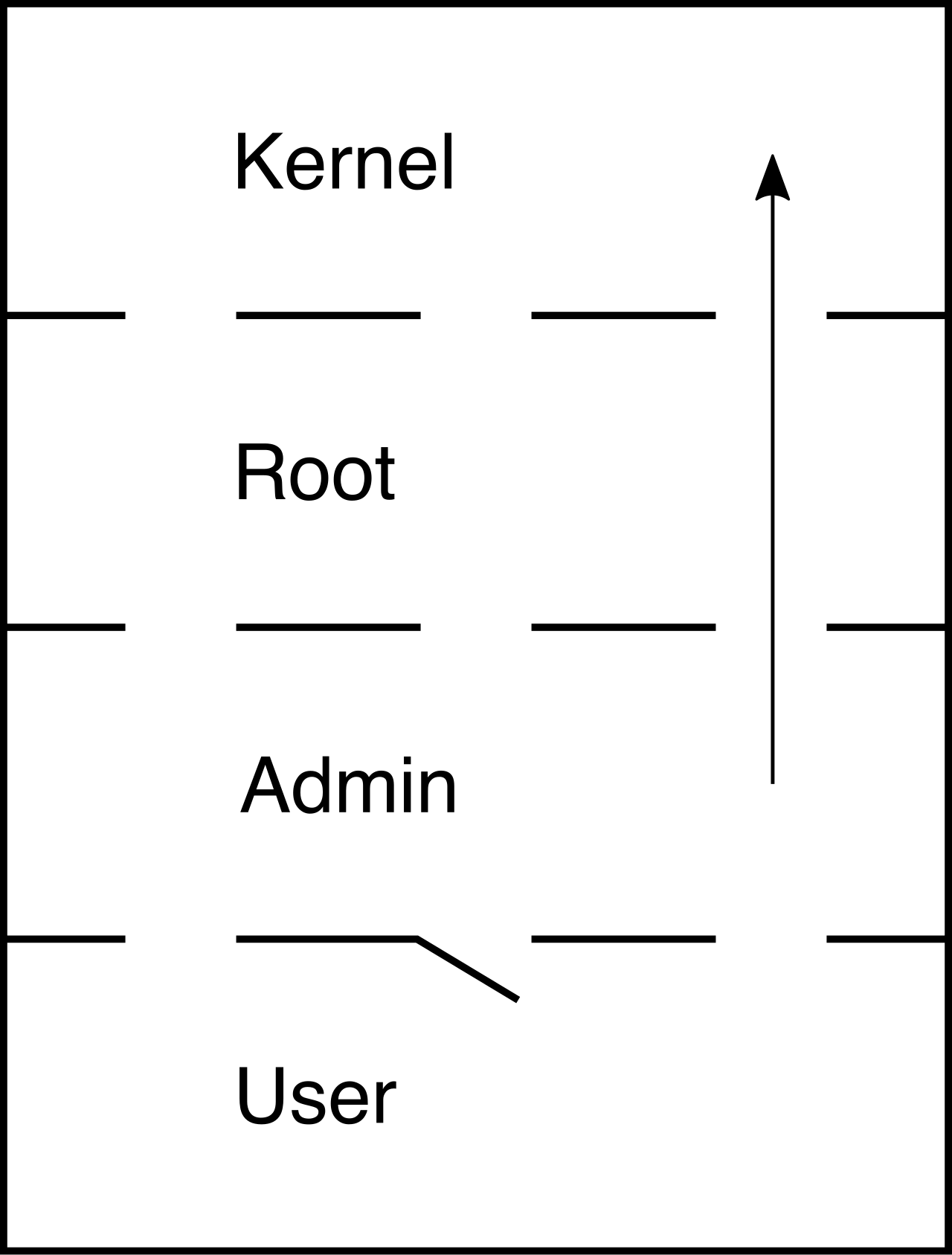
| Elevation of Privilege | Gaining administrative rights. | The Elevation of Privilege threat in the STRIDE model violates the fundamental security property of authorization. |
PASTA and DREAD
While STRIDE is highly technical, other frameworks bridge the gap to business risk. The PASTA acronym stands for the Process for Attack Simulation and Threat Analysis. What makes PASTA unique is its worldview: The PASTA threat modeling methodology adopts an attacker-centric perspective to align technical requirements with business objectives. It forces developers to ask, "What is the attacker's motive, and how does that impact our bottom line?"
Once threats are identified, we must prioritize them. The DREAD threat modeling framework evaluates risks based on Damage, Reproducibility, Exploitability, Affected Users, and Discoverability. By scoring a vulnerability across these five vectors, security teams can scientifically determine which flaw to fix first.
If threat modeling dictates the architecture, secure coding dictates the craftsmanship. A SOC analyst spends an enormous amount of time triaging injection attacks and application crashes. These occur because developers fail to handle memory or user input correctly.
Taming User Input
Never trust the user. It is a fundamental law of computing physics.
Input validation verifies that user-supplied data meets expected length and format constraints before processing occurs.
Because it neutralizes malicious payloads before they ever reach the application logic, input validation serves as the primary defense mechanism against software injection attacks.
There are two distinct philosophies for validating input:
- Allow-listing input validation exclusively permits known good characters to pass through to the application. (e.g., If a field asks for an age, only allow the digits 0-9).
- Deny-listing input validation attempts to block known malicious characters from entering an application. (e.g., Blocking
<script>or' OR 1=1).
The mathematical reality is that attackers are infinitely creative. You cannot predict every bad character. Therefore, allow-listing provides stronger security assurances than deny-listing for application input validation.
Output Encoding and Parameterized Queries
When data inevitably moves through an application, context determines safety. What is harmless text in a database might execute as a malicious script in a web browser.
To prevent this, we use output encoding. Output encoding converts potentially malicious characters into safe alternative representations before displaying data in a web browser. For instance, it converts a < symbol into < so the browser renders the symbol visually rather than interpreting it as the start of an HTML tag. Consequently, output encoding acts as the primary defense against Cross-Site Scripting (XSS) attacks.
For databases, the defense mechanism changes. SQL injections occur because the database engine cannot distinguish between the query structure and the user's data. Parameterized queries separate SQL executable code strings from user-supplied data inputs. By pre-compiling the SQL statement and plugging the user's input in afterward, parameterized queries prevent SQL injection by treating user input strictly as literal values rather than executable database commands.
Memory and Error Handling
Beyond injection, applications must gracefully handle their own operational physics.
- Software memory management requires strict bounds checking to prevent buffer overflow vulnerabilities. If an application reserves 10 bytes of memory for a variable, it must check that an attacker isn't trying to force 50 bytes into that space, which would overwrite adjacent memory and potentially execute malicious shellcode.
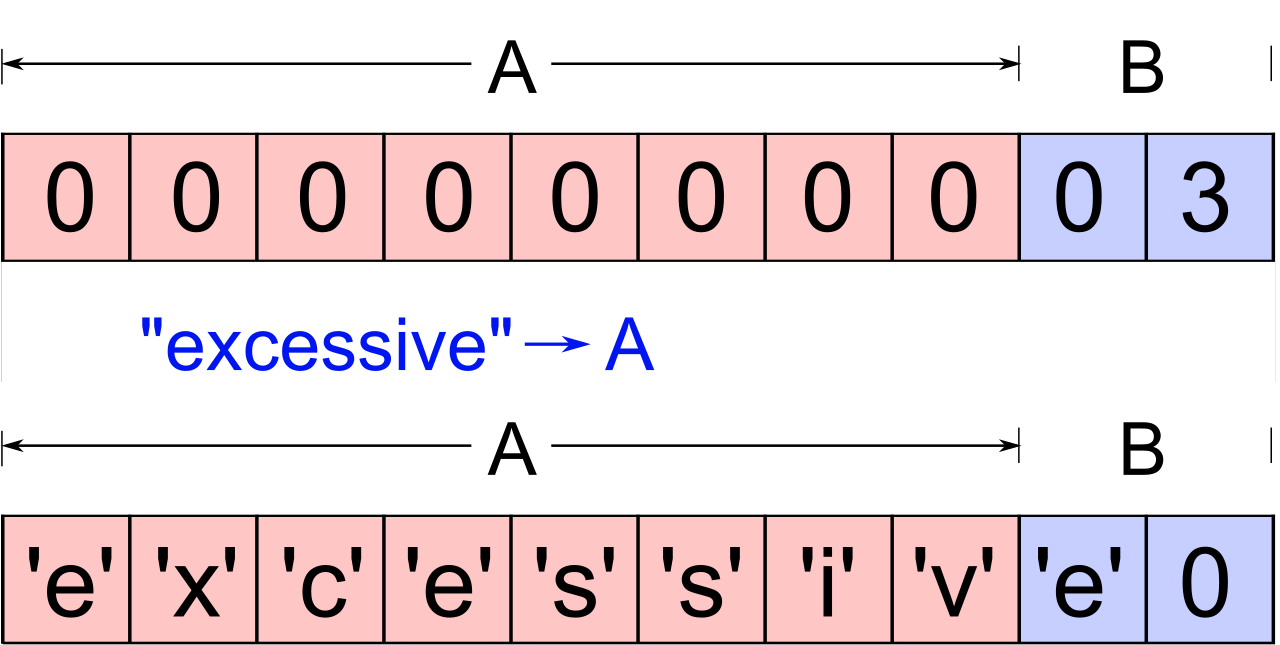
- Secure error handling prevents the display of stack traces or sensitive system architecture information to end users. When an app crashes, spewing a verbose SQL error gives the adversary the exact database version and schema they need to craft a precise exploit.
- Instead, generic error messages should be presented to end users to avoid information disclosure vulnerabilities.
- However, we still need the data to fix the crash. Thus, secure error handling requires logging detailed error messages securely on the server side for debugging purposes. The SOC analyst gets the granular logs; the user just gets "An error occurred."
To ensure the secure SDLC is functioning, we rigorously test the code. These testing methodologies correspond directly to the automated alerts you see populating your SIEM.
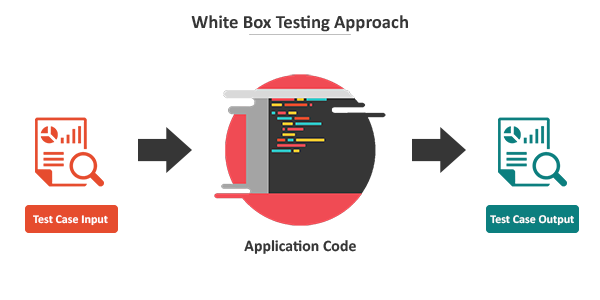
- Static Application Security Testing (SAST) analyzes application source code or binaries without executing the program. Because the tool has full visibility into the source code, Static Application Security Testing functions as a white-box testing approach within the software development life cycle.
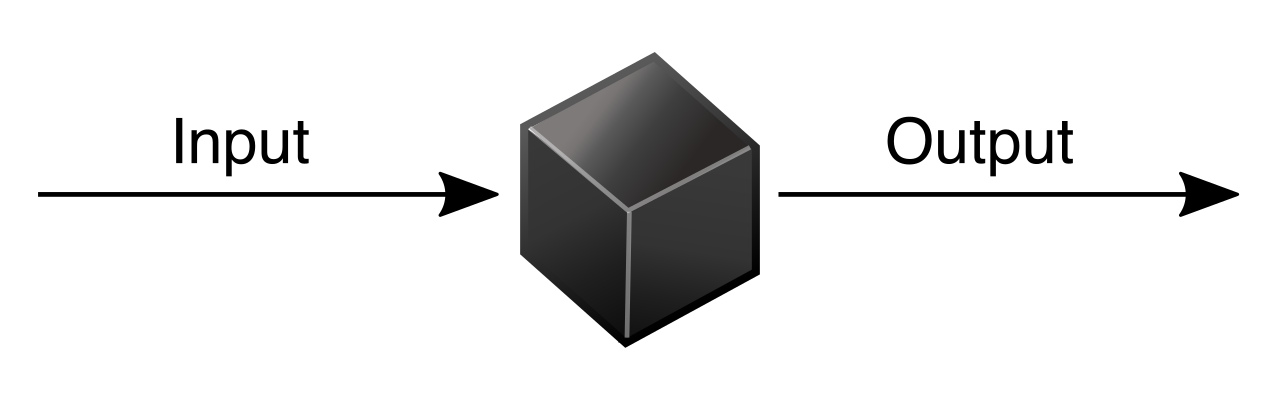
- Dynamic Application Security Testing (DAST) evaluates a running application for exploitable vulnerabilities from an external perspective. It throws payloads at a live web interface to see what breaks, meaning Dynamic Application Security Testing functions as a black-box testing approach within the software development life cycle.
- Interactive Application Security Testing (IAST) monitors application execution from within the application utilizing specialized instrumentation. It combines aspects of SAST and DAST, watching the internal data flow while the application is running.
- Modern software is rarely built from scratch; it is assembled from existing parts. Software Composition Analysis (SCA) identifies known vulnerabilities within open-source components and third-party libraries. If your developers import an old, vulnerable version of Apache Log4j, SCA is the tool designed to flag it.
Today, software is deployed at dizzying speeds. The traditional barrier between developers who build software and IT operations who deploy it has collapsed. Security must keep pace.
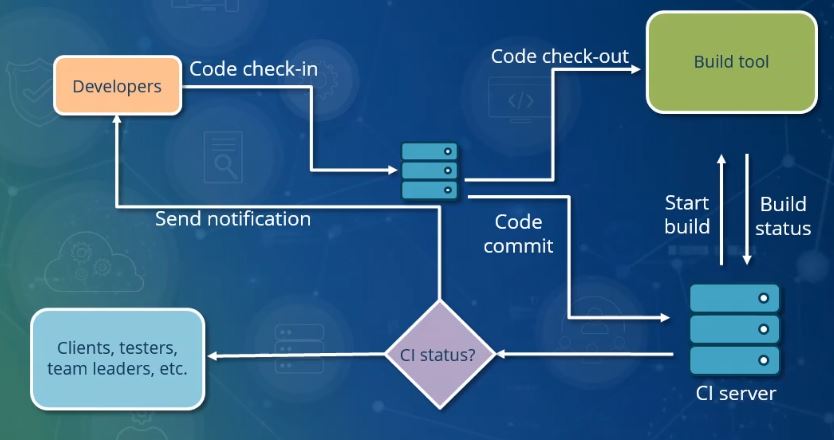
DevSecOps integrates security automation tools natively into the continuous integration and continuous deployment (CI/CD) pipeline. SAST, DAST, and SCA are no longer manual processes; they run automatically every time a developer commits code. If a vulnerability is found, the build fails automatically.
Finally, we apply software principles to the very servers and networks we manage. Infrastructure as Code (IaC) provisions computing environments through machine-readable definition files rather than manual hardware configuration. By defining a cloud environment in a text file (like a Terraform script), we eliminate human configuration drift. More importantly for security professionals, Infrastructure as Code enables automated security scanning of infrastructure configurations before any resources are deployed. We can now find an open S3 bucket or an overly permissive firewall rule while it is still just lines of text, killing the vulnerability long before the infrastructure even exists.