Vulnerability Management Policies and Attack Surface
Not sure you’re ready?
Take the ~3-minute readiness diagnostic and see where you stand.
Defending a sprawling, continuously expanding digital enterprise requires more than just deploying sensors and reacting to alerts. Without a definitive architecture of rules and a deeply accurate map of the territory, a Security Operations Center (SOC) analyst is merely swatting at localized fires while the perimeter quietly expands out of control. Effective cybersecurity is fundamentally an exercise in physics and economics: aligning the mechanics of defense with the realities of business, reducing the sheer number of entry points an adversary can probe, and accelerating the speed at which defenders close those gaps.
Before a SOC analyst can patch a server or isolate a compromised endpoint, there must be a framework that defines why the action is taken and who is responsible. This is the domain of governance. In practical terms, governance aligns IT security strategies with overall business objectives. It ensures that the security team is protecting what matters most to the organization's survival, rather than endlessly chasing low-level alerts on isolated test networks.
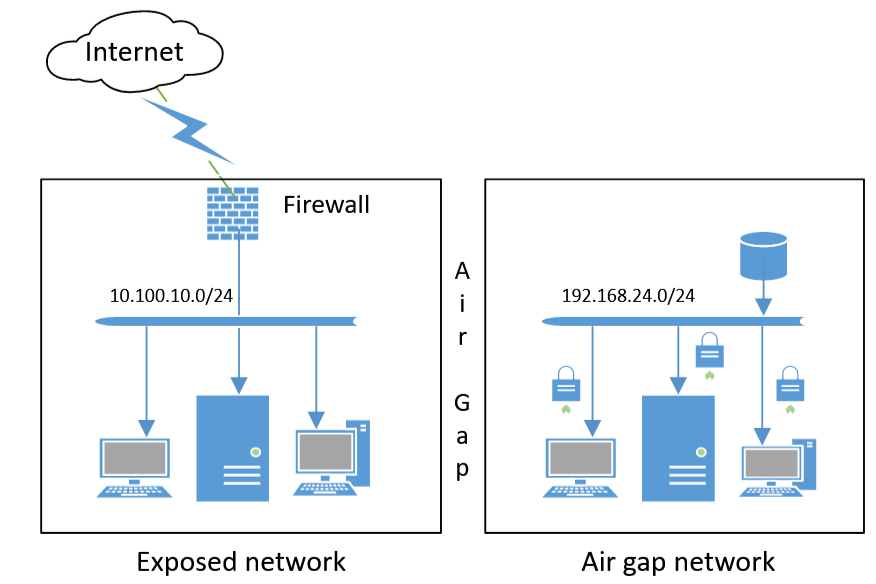
The primary mechanism for translating this governance into action is the vulnerability management policy. You can think of this document as the constitution of your security operations. To be effective, a vulnerability management policy defines the scope of vulnerability scanning—telling the team exactly which networks, systems, and assets fall under their purview. Furthermore, a vulnerability management policy dictates the required frequency of vulnerability scanning, ensuring that high-risk environments are checked continuously while air-gapped or legacy systems might be scanned on a more deliberate schedule.
Time is the enemy in incident response. Therefore, a vulnerability management policy specifies acceptable timeframes for vulnerability remediation, drawing a hard line on how long a critical CVE can remain unpatched before it becomes a failure of policy. To prevent finger-pointing between IT operations and security, a vulnerability management policy assigns specific roles for vulnerability remediation tasks and assigns specific responsibilities for vulnerability remediation tasks. Everyone must know exactly who is responsible for applying the patch versus who is responsible for verifying it.
Dealing with the Unpatchable
In the real world, you cannot patch everything immediately. Sometimes, applying a patch will break a legacy application that generates millions in revenue. When this happens, security teams must rely on alternative strategies.

If a system cannot be patched, a compensating control provides an alternative mitigation when a primary control cannot be implemented. For example, if a vulnerable database cannot be taken offline for an update, you might place a strict Web Application Firewall (WAF) rule in front of it as a compensating control.
When patches are delayed, exceptions to a vulnerability management policy require formal management approval. This ensures that the risk is officially accepted by the business leadership, not just the technical team. These exceptions cannot be permanent black holes; vulnerability policy exceptions require a explicitly defined expiration date and require periodic review by security management to ensure the risk posture hasn't worsened.
Ultimately, business leaders may choose to simply absorb the risk. Risk acceptance occurs when the cost of remediation exceeds the potential business impact of a vulnerability. If fixing a $5,000 vulnerability requires a $50,000 system overhaul, the business will likely accept the risk. Consequently, a vulnerability management policy outlines the formal process for documenting risk acceptance so there is a clear paper trail during an audit or post-incident review.
To enforce policies, security teams use a hierarchy of metrics. These terms are often confused, but they have precise, distinct meanings in operations.
Service Level Agreement (SLA): A Service Level Agreement (SLA) is a formal contract dictating expected service performance metrics. SLAs are typically external—agreements between a business and its customers, or a business and its vendors. Crucially, a Service Level Agreement (SLA) outlines the penalties for failing to meet performance metrics, such as financial refunds or contract termination.
Service Level Objective (SLO): Internally, teams use SLOs. A Service Level Objective (SLO) is a specific target measurement for IT service performance. Unlike an SLA, which involves lawyers and penalties, Service Level Objectives (SLOs) serve as internal benchmarks for the security operations team. For example, vulnerability remediation SLOs define the maximum allowable time to patch a specific vulnerability severity level (e.g., "All critical CVEs must be patched within 48 hours").
Service Level Indicator (SLI): To know if you are hitting your objective, you need a gauge. A Service Level Indicator (SLI) is the actual observed measurement of a specific service metric. If your SLO is a 48-hour patch time, your SLI is the exact calculation showing your team currently averages 36 hours. Service Level Indicators (SLIs) are used to determine compliance with Service Level Objectives (SLOs).
One of the most vital SLIs for a SOC analyst is the MTTR. Mean Time to Remediate (MTTR) measures the average time taken to resolve a detected vulnerability. This metric is directly tied to your defense mechanics: reducing the Mean Time to Remediate (MTTR) directly decreases the window of opportunity for attackers. The faster you close the gap, the less time an adversary has to pivot and escalate privileges.
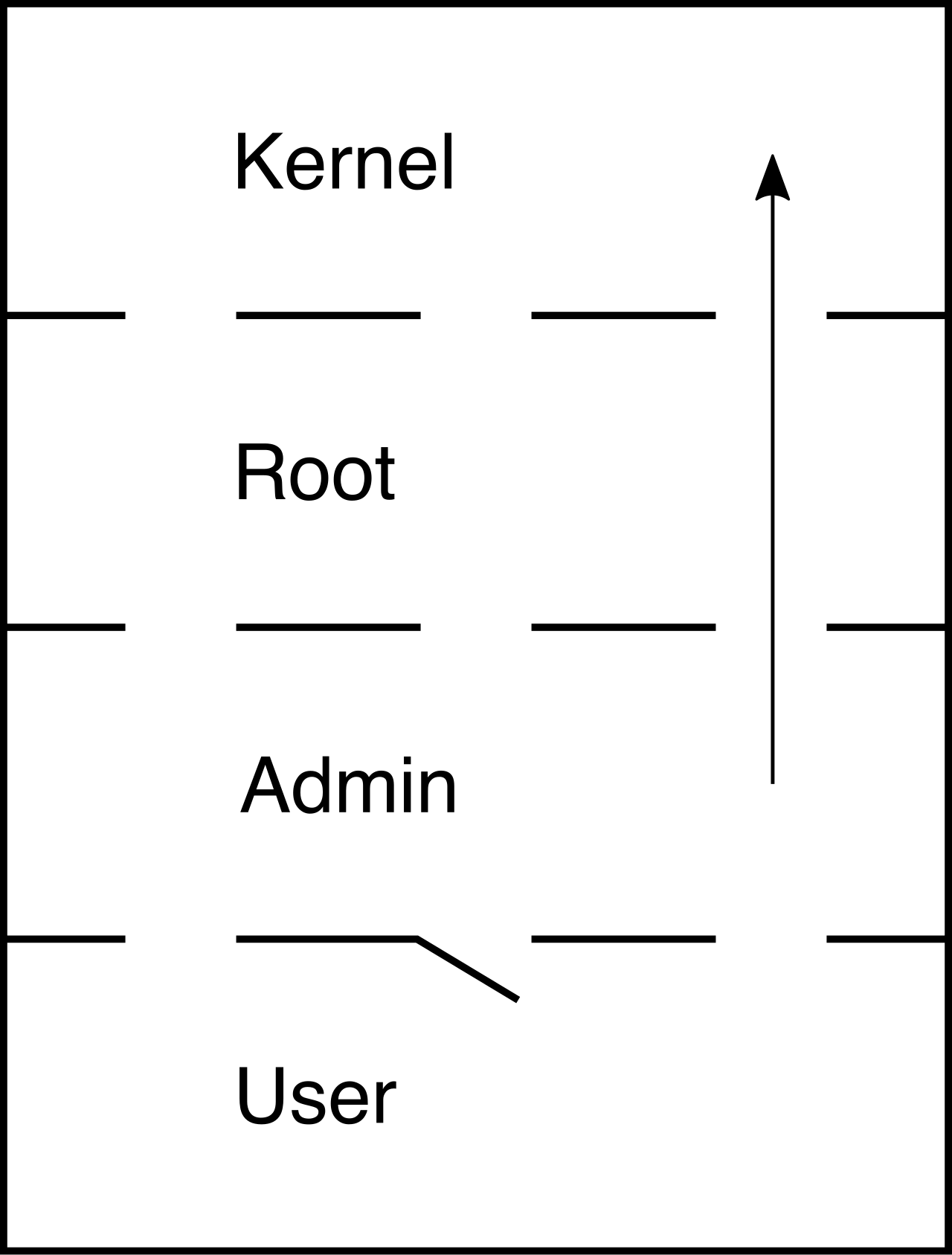
You cannot protect what you do not know exists. The attack surface comprises all points where an unauthorized user can attempt to enter an environment. We generally divide this into three distinct domains:
- Digital: A digital attack surface includes internet-facing assets like web servers and cloud workloads.
- Physical: A physical attack surface includes tangible assets like data centers and endpoint devices.
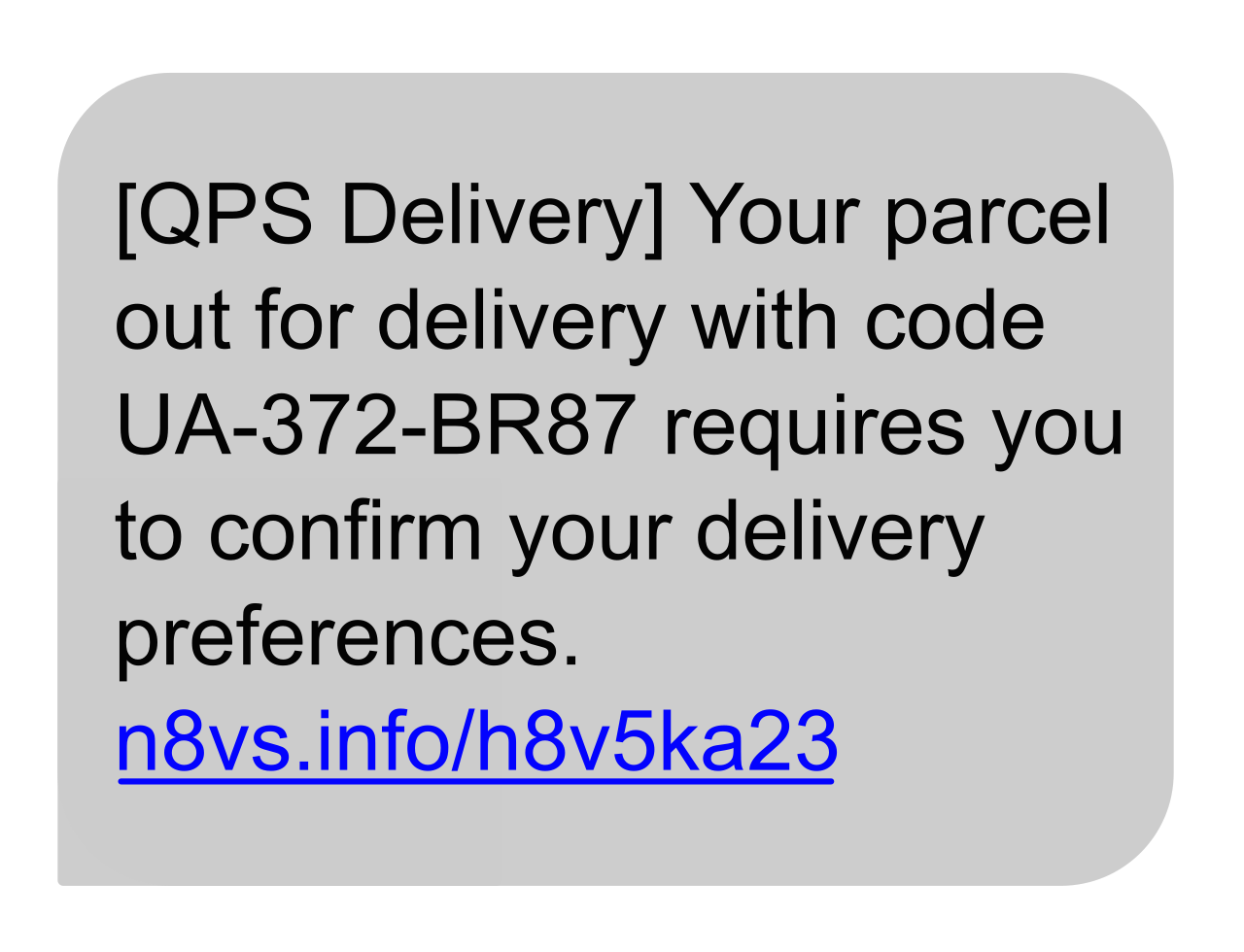
- Human: Security is not solely a technology problem. A human attack surface encompasses employees susceptible to social engineering attacks.
The Shadow Elements
The most dangerous parts of the attack surface are the ones that are undocumented.
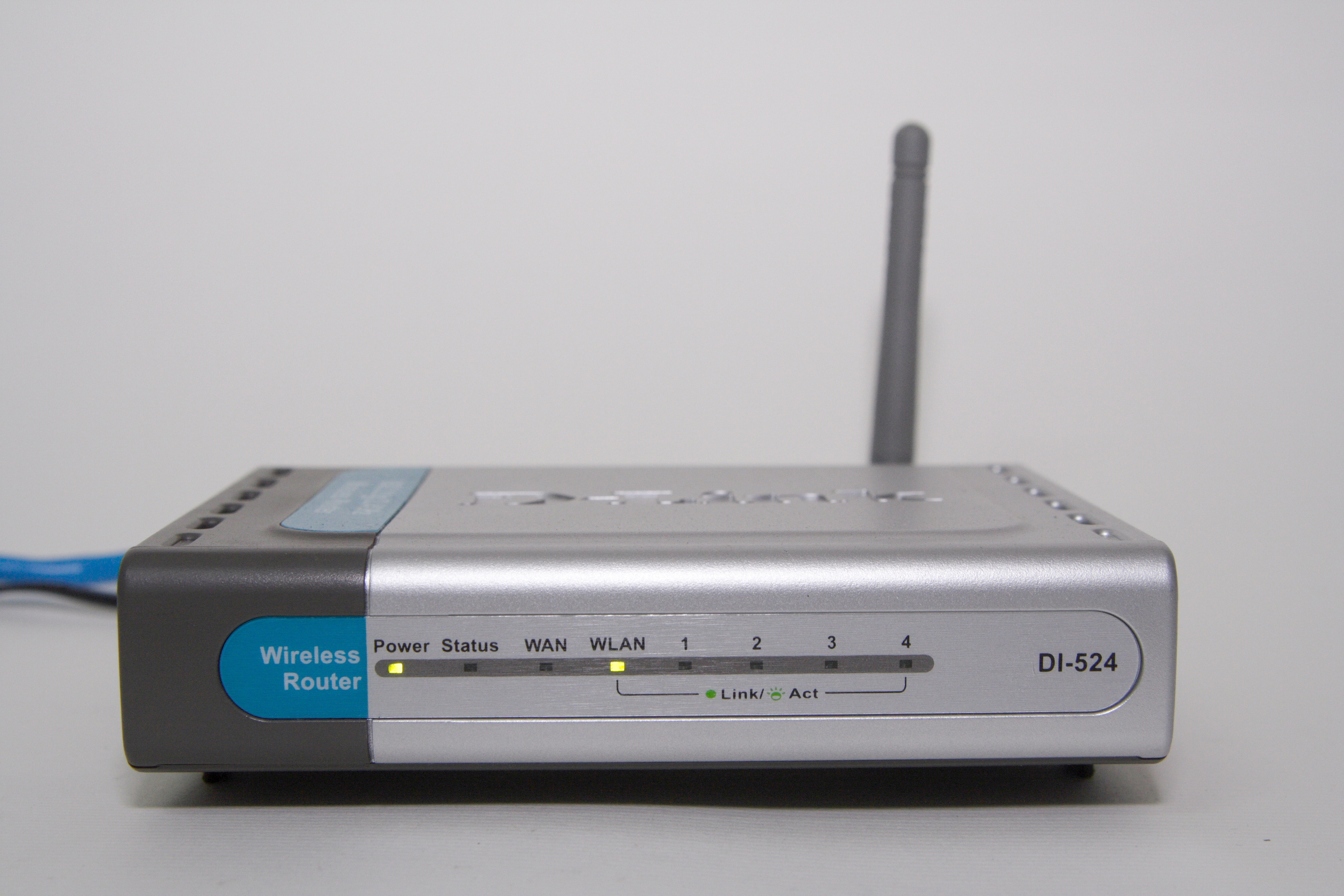
Shadow IT includes unmanaged hardware used without explicit IT department approval, such as a rogue Wi-Fi router plugged into a corporate network. Furthermore, Shadow IT includes unmanaged software used without explicit IT department approval, like a team using consumer-grade cloud storage to share sensitive data. Because security tools are blind to these assets, Shadow IT significantly expands an organization's undocumented attack surface.
Beyond your own employees, you must consider the interconnected nature of modern business. A comprehensive vulnerability management program accounts for the supply chain attack surface. A breach at your payroll provider is essentially a breach of your own data. To manage this, third-party risk management assesses vulnerabilities introduced by external vendors.

To reclaim control of the environment, organizations implement Attack Surface Management. Attack Surface Management (ASM) requires continuous discovery of organizational assets and requires continuous monitoring of organizational assets. The key word here is continuous. A static spreadsheet from last year is useless when cloud instances can spin up and down in minutes.
The absolute bedrock of ASM is visibility. An accurate asset inventory is the foundational requirement for effective attack surface management. The industry recognizes this universally: CIS Control 1 mandates the active inventory management of all enterprise hardware assets, and similarly, CIS Control 2 mandates the active inventory management of all enterprise software assets.
Once you have an inventory, you must contextualize it. Asset classification categorizes systems based on system criticality to business operations. Knowing whether a server processes credit cards or hosts cafeteria menus is vital because asset classification dictates the priority level for vulnerability remediation efforts.
The Tools of Discovery
How do we actually find these assets? SOC analysts rely on a combination of discovery techniques and specialized platforms:
- Internal Discovery:
- Automated asset discovery tools actively scan networks to identify connected IP devices. They send packets and analyze the responses.
- Alternatively, passive asset discovery tools analyze network traffic to identify devices without direct interaction, allowing you to spot fragile IoT devices or legacy systems that might crash if actively scanned.
- External and Aggregated Discovery:
- External Attack Surface Management (EASM) identifies an organization's public-facing digital assets. It mimics an attacker performing external reconnaissance to find exposed development servers or orphaned subdomains.
- Cyber Asset Attack Surface Management (CAASM) tools aggregate asset data from multiple IT sources (like Active Directory, vulnerability scanners, and endpoint detection tools). By connecting via APIs, CAASM tools provide a consolidated view of an organization's internal attack surface.
- Cloud and Deep Web Discovery:
- In the cloud, misconfigurations are deadly. Cloud Security Posture Management (CSPM) tools discover misconfigured assets in cloud environments, such as overly permissive S3 buckets or open security groups.
- Finally, visibility extends into the adversary's domain. Digital Risk Protection (DRP) services monitor the deep web for leaked corporate credentials, and simultaneously, Digital Risk Protection (DRP) services monitor the dark web for leaked corporate credentials, providing early warning if an employee's password has been compromised in a third-party breach.
Discovery is only the first half of the equation; the second is reduction. Attack surface reduction minimizes the total number of exploitable entry points in an environment. Think of this as systematically locking doors, boarding up unused windows, and restricting access to the inner vaults.
Hardening the Endpoints
The most immediate gains in reduction come from baseline configurations. System hardening applies secure configurations to baseline operating systems. This includes tactical steps like:
- Disabling unnecessary operating system services directly reduces a system's attack surface. If a server doesn't need to run a Print Spooler service, turn it off.
- Uninstalling unused software applications directly reduces a system's attack surface. Every installed application is a potential vulnerability.
- Closing unused network ports limits the available entry points for network-based attacks.
- Removing default credentials from hardware devices mitigates unauthorized access risks. Default admin/admin logins are low-hanging fruit for automated botnets.
- Application allowlisting permits only explicitly approved software to execute on an endpoint. Rather than trying to block known malware (blocklisting), you simply deny execution to everything that isn't pre-authorized.
Network and Identity Containment
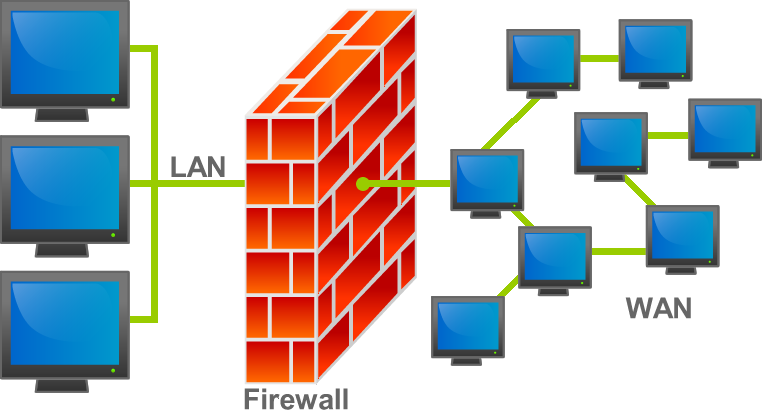
If an attacker breaches a workstation, you must ensure they cannot effortlessly pivot to the domain controller. Network segmentation isolates critical assets from less secure network segments. By building firewalled zones, network segmentation restricts lateral movement by attackers within an environment.
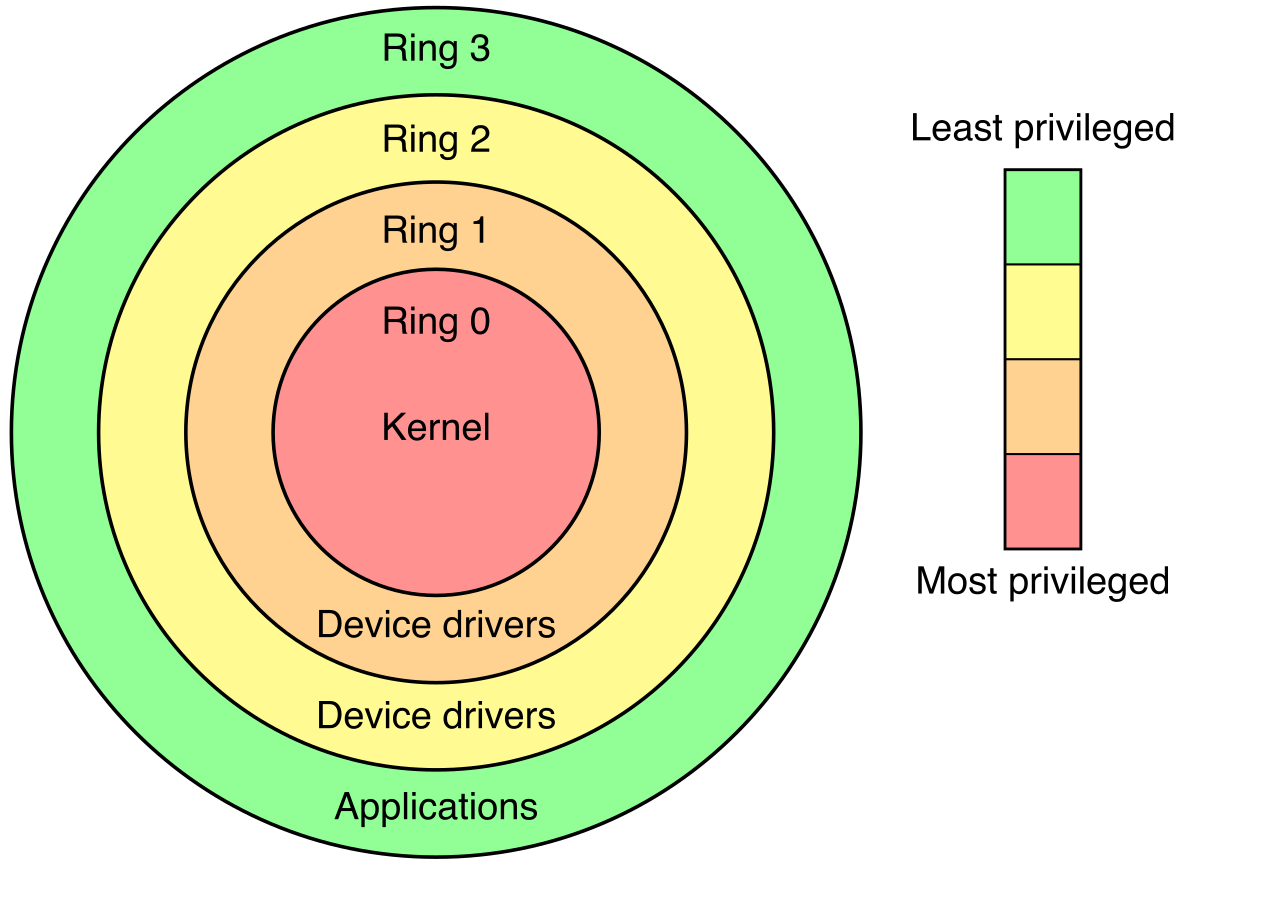
In parallel, you must restrict what users can do. Implementing the principle of least privilege reduces the potential impact of compromised user accounts. If a marketing intern's account is phished, that account should not possess administrative rights to modify active directory configurations.
The Ultimate Reduction: Zero Trust
Historically, if a device was plugged into the corporate network, it was trusted. This perimeter-based model is obsolete. Zero Trust architecture assumes no implicit trust granted to assets based solely on network location. Instead, every user, device, and application must continuously mutually authenticate and validate their authorization to access resources. Because it fundamentally alters how trust is provisioned, implementing Zero Trust principles fundamentally reduces an organization's internal attack surface, ensuring that even if an attacker bypasses the external perimeter, they find themselves in an environment where every subsequent movement requires cryptographic proof of legitimacy.