Application and OS Vulnerabilities
Not sure you’re ready?
Take the ~3-minute readiness diagnostic and see where you stand.
Imagine a high-speed manufacturing robot programmed to assemble automotive engines. It does exactly what it is told, down to the micrometer, billions of times a second. But it possesses absolutely zero common sense. If a factory worker mistakenly hands the robot a steel bolt that is ten times too large, the robot will not pause to consider the absurdity of the situation. It will use its immense hydraulic force to drive that oversized bolt into the engine block, inevitably shattering the entire assembly.
This is precisely how computers operate, and it is the fundamental reality you must manage as an IT professional. Operating systems and applications are immensely powerful, yet entirely literal. When we study cybersecurity vulnerabilities, we are not studying "broken" systems; we are studying systems that are obeying flawed instructions perfectly. The vulnerabilities we will explore—from memory corruption to web application injections—represent the exact moments where the rigid, literal nature of computing collides with the chaotic, malicious ingenuity of human attackers.
To understand how an attacker can hijack a server you manage, you must first understand how software stores data in memory. Applications allocate specific chunks of memory—called buffers—to hold variables, user inputs, and operational instructions.
Buffer Overflows and Integer Overflows
A buffer overflow occurs when a program writes more data to a memory block than the memory block is allocated to hold. Imagine pouring a gallon of water into a pint glass. The water does not simply vanish; it spills over the sides onto whatever sits next to the glass. In a computer, writing data past the allocated bounds of a buffer can overwrite adjacent memory locations.
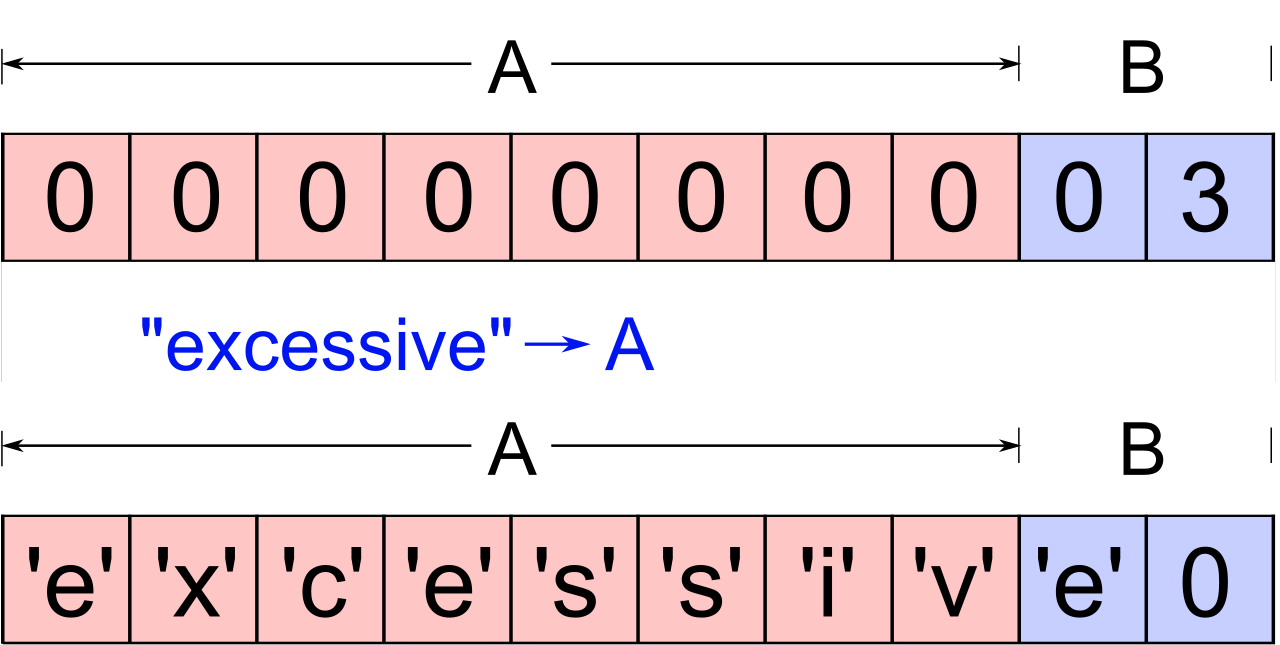
Why does this matter to you as a security professional? Because adjacent memory often contains the very instructions the CPU is about to process. Overwriting adjacent memory via a buffer overflow can alter the execution flow of a program. Attackers exploit buffer overflows to execute arbitrary malicious code on a target system. Even if the attacker's code does not perfectly execute, the memory corruption resulting from buffer overflows can cause system crashes and denial of service (DoS), rendering your infrastructure unavailable.
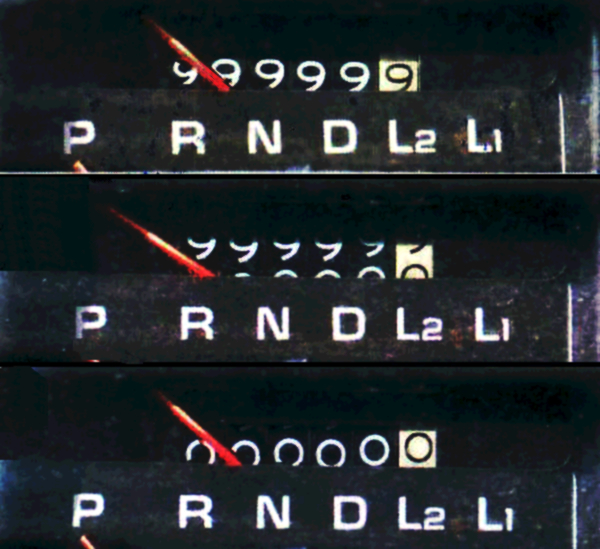
Sometimes, a buffer overflow is triggered indirectly through mathematics. An integer overflow occurs when an arithmetic operation produces a value larger than the maximum representable value of the data type. Think of a car odometer rolling past 999,999 back to 000,000. If an application calculates a memory allocation size and triggers an integer overflow, it might allocate a tiny buffer for a massive amount of data. Consequently, integer overflows can lead to memory corruption and subsequent buffer overflow vulnerabilities.
Null Pointer Dereferences
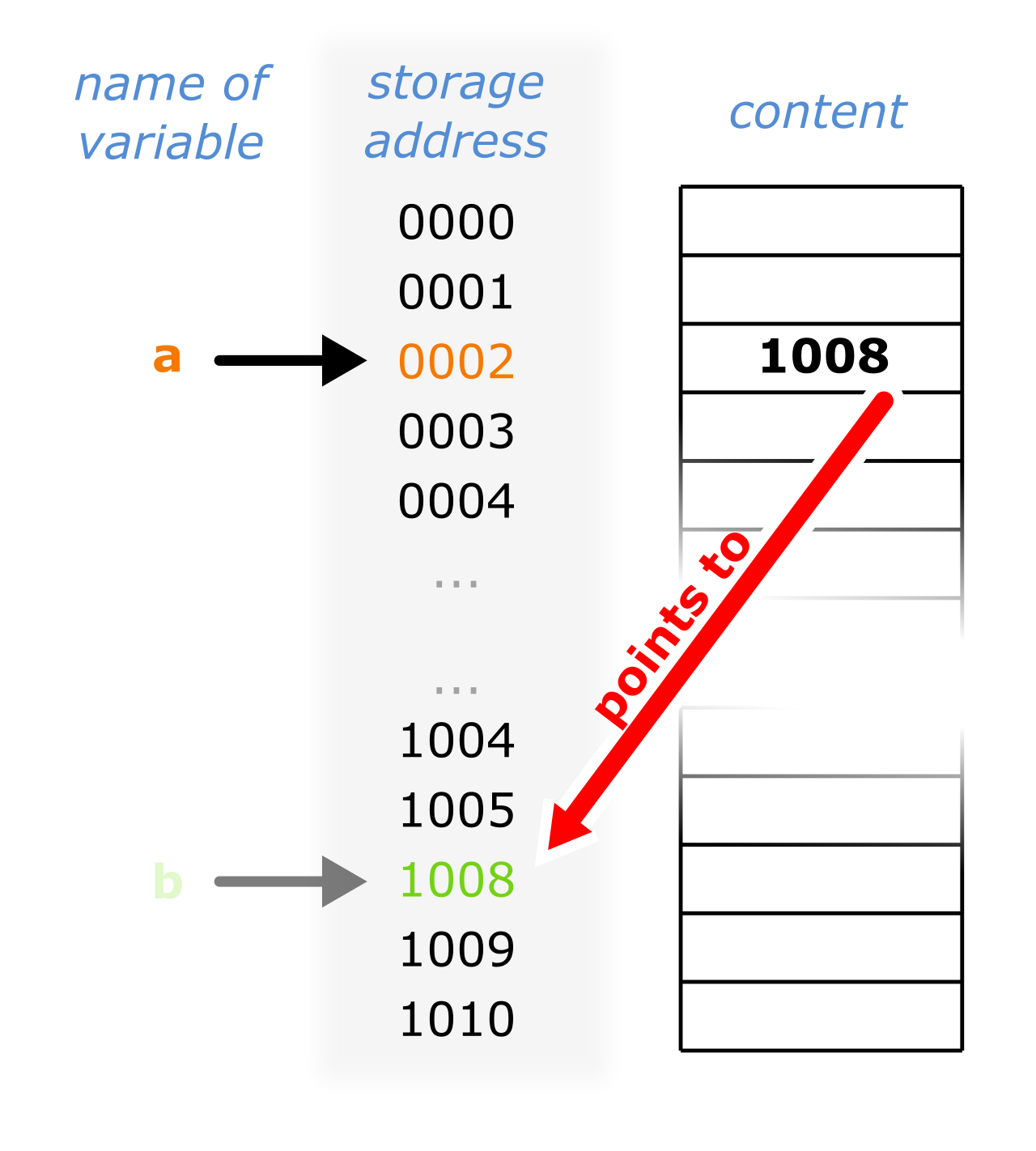
Memory is accessed via "pointers"—variables that point to specific memory addresses. A null pointer dereference occurs when an application attempts to access memory through a pointer that has a null value (a value of zero, meaning it points to nothing). When the CPU tries to read or write to "nowhere," it panics. Null pointer dereferences typically cause the application to crash, creating a reliable vector for Denial of Service attacks.
When an operating system runs an application, it creates an isolated process. Security depends on that isolation. However, attackers have developed sophisticated ways to subvert active processes without leaving traces on the hard drive.
Memory Injection
Memory injection involves inserting malicious code into the memory space of a running process. Because the malicious payload lives solely in RAM rather than as a file on the hard drive, attackers use memory injection techniques to evade file-based antivirus detection.
Once injected, the malware adopts the identity of the host process. Memory injection allows malicious code to execute with the security privileges of the compromised process. A common manifestation of this is Dynamic Link Library (DLL) injection, a technique where a malicious DLL is forced to load into the address space of a target process, subtly hijacking its functions.
Race Conditions and TOCTOU
Systems process millions of tasks a second, and timing is everything. A race condition occurs when the behavior of a system depends on the uncontrolled sequence or timing of events. Attackers exploit race conditions to escalate privileges or access unauthorized files by slipping malicious actions into microsecond-long gaps in system operations.
Time-of-check to time-of-use (TOCTOU) is a specific, highly prevalent type of race condition vulnerability.
A TOCTOU vulnerability happens when a system verifies an access condition prior to executing an action. Imagine a bouncer checking your ID at the front door of a club, after which you walk down a long hallway to the bar. If you hand your 21+ wristband to an underage friend in that hallway, you have exploited the gap between the check and the use. In a TOCTOU exploit, an attacker alters the validated condition between the validation step and the execution step.
The Operating System (OS) is the ground truth of a computer. If the OS is compromised, every application running on top of it is instantly compromised.
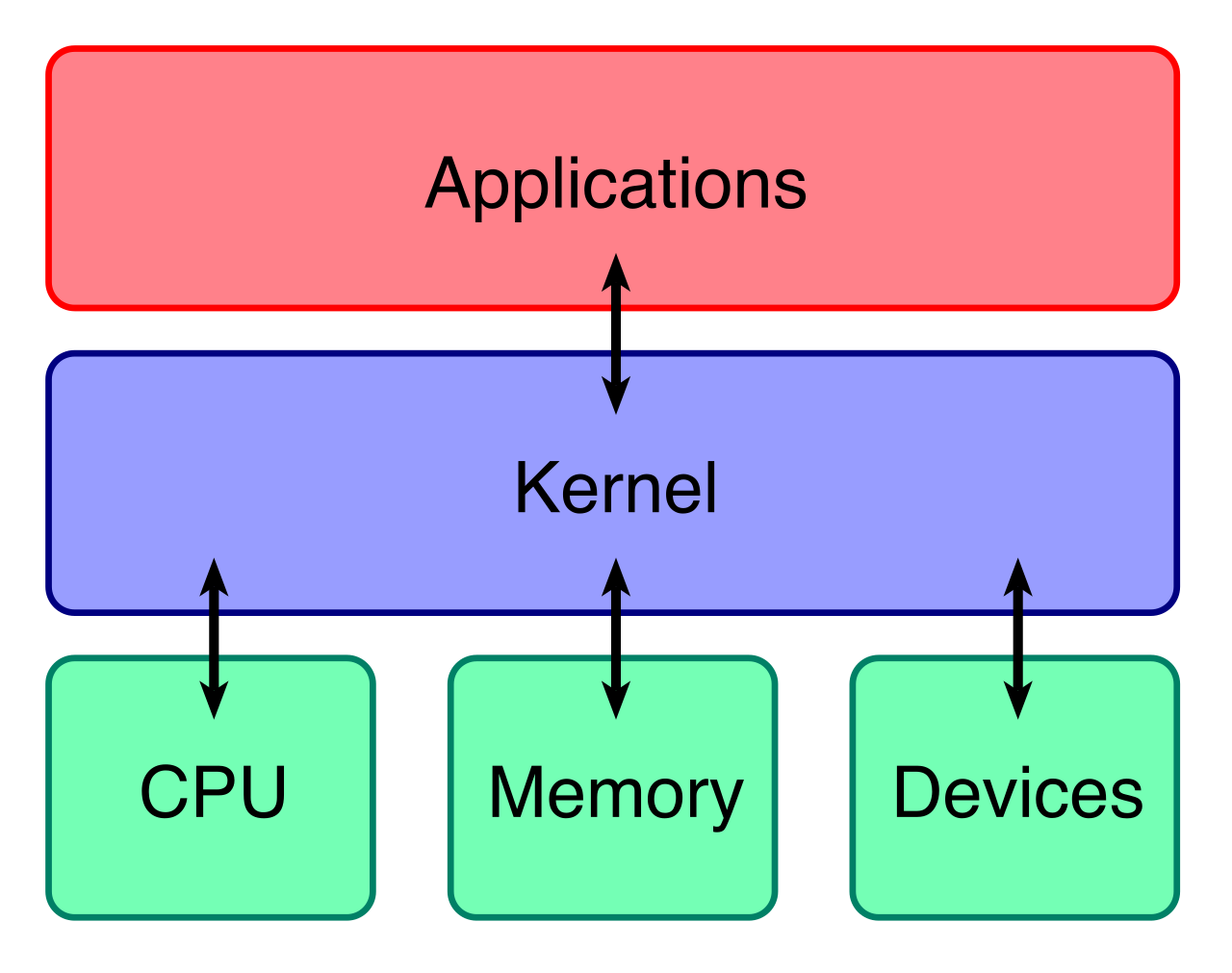
At the core of the OS is the kernel. Operating system kernel vulnerabilities are highly critical because the kernel has unrestricted access to all system hardware. This is why patch management is a cornerstone of your daily IT operations: unpatched operating systems expose systems to exploitation via publicly known vulnerabilities.
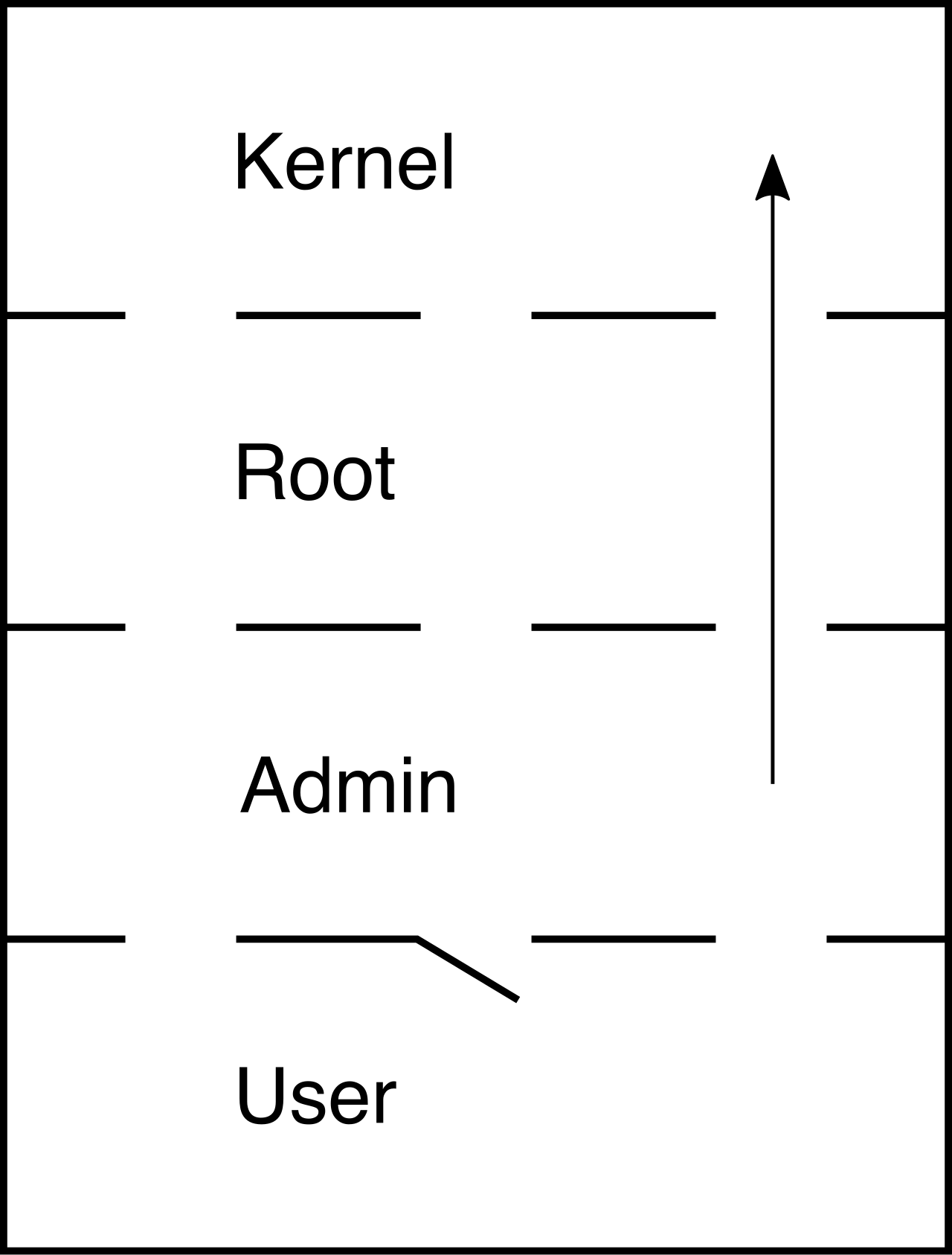
Even a fully patched OS can be ruined by bad settings. Misconfigured operating system permissions can allow unauthorized users to modify sensitive system configuration files. When attackers exploit these misconfigurations, their goal is usually privilege escalation—which involves an attacker gaining higher-level access rights than initially authorized.
- Vertical privilege escalation occurs when a lower-privileged user (like a guest) gains access to functions reserved for administrators.
- Horizontal privilege escalation occurs when a user accesses the data of another user possessing the same privilege level (e.g., User A accessing User B's private inbox).
Pass-the-Hash
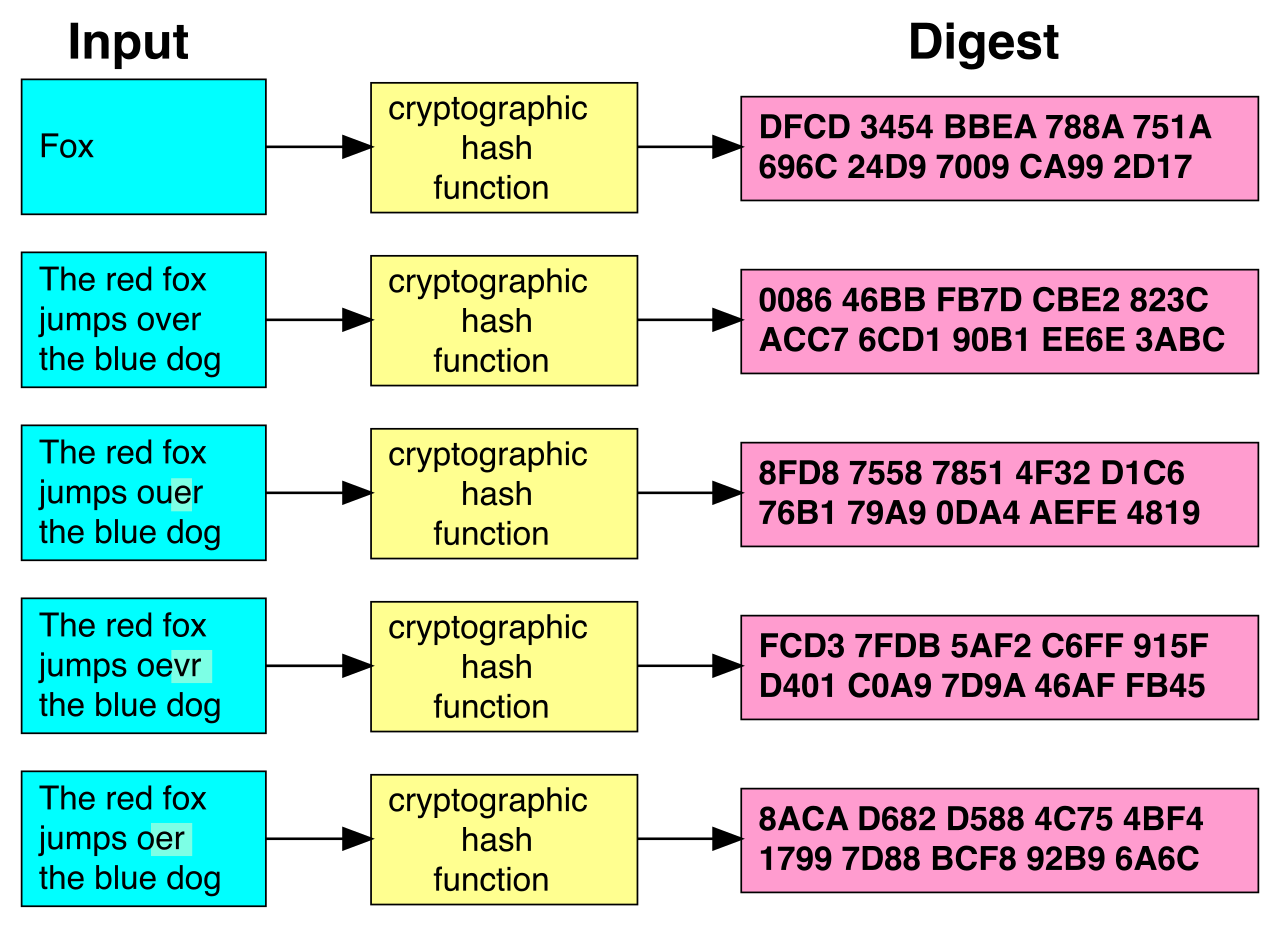
Authentication systems rarely store passwords in plaintext; they store cryptographic hashes. Pass-the-hash is an authentication attack where an attacker extracts a stored password hash and uses the hash to authenticate directly to a service. Like presenting a valet ticket to get a car, the system only checks if you have the ticket. Therefore, pass-the-hash attacks bypass the need for an attacker to know the plaintext password.
As an IT professional, you will spend massive amounts of time securing web servers. Web applications are inherently exposed; they exist to accept input from strangers on the internet.
SQL Injection (SQLi)
Databases are the engines of the modern web. SQL injection (SQLi) occurs when an application improperly sanitizes user input before sending the input to a database. Instead of supplying a name or an email, the attacker supplies SQL commands.
Attackers use SQL injection to alter the logic of database queries. A successful SQL injection attack allows unauthorized viewing of database contents, ripping away the confidentiality of millions of users. Furthermore, SQL injection vulnerabilities allow attackers to modify or delete database records entirely.
Defense: You defend against SQLi using parameterized queries, which prevent SQL injection by treating user input strictly as data rather than executable code. If an attacker inputs DROP TABLE Users, the parameterized query ensures the database simply logs a user whose literal name is "DROP TABLE Users" rather than executing the destructive command.
Cross-Site Scripting (XSS)
While SQLi attacks the database, XSS attacks the user. Cross-Site Scripting (XSS) occurs when an application includes untrusted data in a web page without proper validation or escaping. XSS attacks execute malicious client-side scripts within the web browser of the victim. Because the script runs in the user's browser, attackers use XSS to steal session cookies and hijack user sessions.
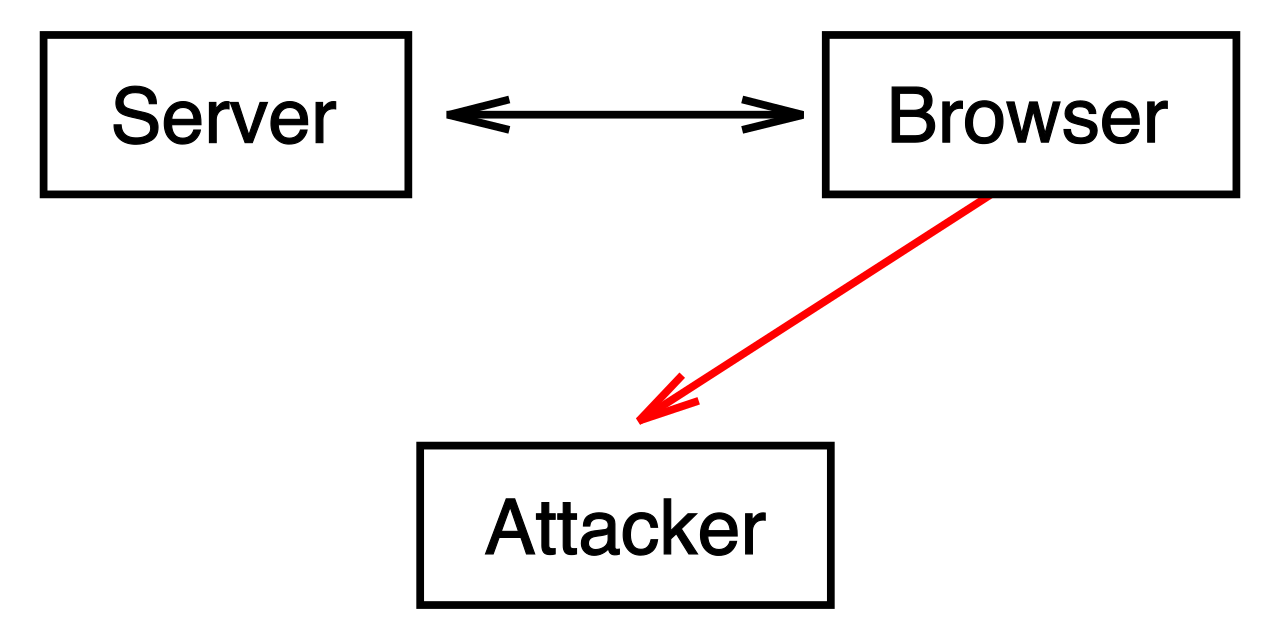
There are three primary variants of XSS:
- Reflected XSS: Involves the immediate echoing of malicious input back to the browser within the web application response (often via a manipulated URL link).
- Stored XSS: Occurs when a malicious script is permanently saved on the target web server (such as in a forum post or comment section), executing automatically whenever any user views the infected page.
- Document Object Model (DOM) based XSS: Occurs when the vulnerability exists entirely within the client-side code, manipulating the DOM environment in the user's browser without the payload ever reaching the server.
Defense: Output encoding is a primary defensive measure against Cross-Site Scripting (XSS) attacks. Output encoding converts untrusted input into a safe form to prevent browsers from executing the input as code (e.g., converting <script> into <script>).
Forgery Attacks: CSRF vs. SSRF
Understanding the direction of trust is critical for differentiating forgery attacks:
| Attack Type | Mechanism | Exploit Target |
|---|---|---|
| Cross-Site Request Forgery (CSRF) | Forces a logged-in user to send a forged HTTP request to a vulnerable web application. | CSRF attacks exploit the trust a web application has in the authenticated browser of a user. |
| Server-Side Request Forgery (SSRF) | Occurs when a web application fetches a remote resource based on attacker-supplied URLs. | SSRF vulnerabilities allow an attacker to interact with internal network resources normally protected by a firewall. |
In short: CSRF uses the user's browser as a weapon against the server. SSRF uses the public-facing server as a weapon against its own internal network.
Directory Traversal
Web servers are designed to serve files from a specific root directory. Directory traversal vulnerabilities allow an attacker to read arbitrary files on the server running an application (such as /etc/passwd on Linux). Directory traversal attacks commonly use dot-dot-slash sequences (../) to navigate outside the intended web document root directory.
Beyond specific code flaws, systemic architectural and design flaws plague applications. The Open Worldwide Application Security Project (OWASP) categorizes several pervasive issues:
- Broken Access Control: An OWASP vulnerability category where users can act outside of intended permissions, bypassing security checks entirely.
- Cryptographic Failures: Occur when sensitive application data is transmitted or stored without proper encryption, allowing man-in-the-middle interception or data breaches.
- Security Misconfiguration: Occurs when security settings are poorly defined or left at default vulnerable values (such as leaving default admin passwords active).
- Software and Data Integrity Failures: Relate to application infrastructure that does not protect against code modification, such as failing to verify the digital signatures of software updates before applying them.
The Ultimate Baseline Defense: Input Validation
If there is a golden rule in application security, it is to never trust user input. Input validation checks whether provided data meets specific criteria before processing the data (e.g., ensuring a phone number field contains only integers and is exactly 10 digits long).
Implementing strict input validation on the server side mitigates many injection-based application vulnerabilities. It stops the oversized bolt before the robotic arm can ever grab it, ensuring the integrity, availability, and confidentiality of the systems you are trusted to protect.