Asset Management Lifecycle
Not sure you’re ready?
Take the ~3-minute readiness diagnostic and see where you stand.
An enterprise network is a sprawling, entropic physical system. Every router, laptop, database server, and software license represents an interaction point where data flows, mutates, and ultimately comes to rest. In physics, if you fail to track the state of a system's particles, you lose the ability to predict its behavior. In cybersecurity, if you fail to track your hardware and data, you lose the ability to defend it.
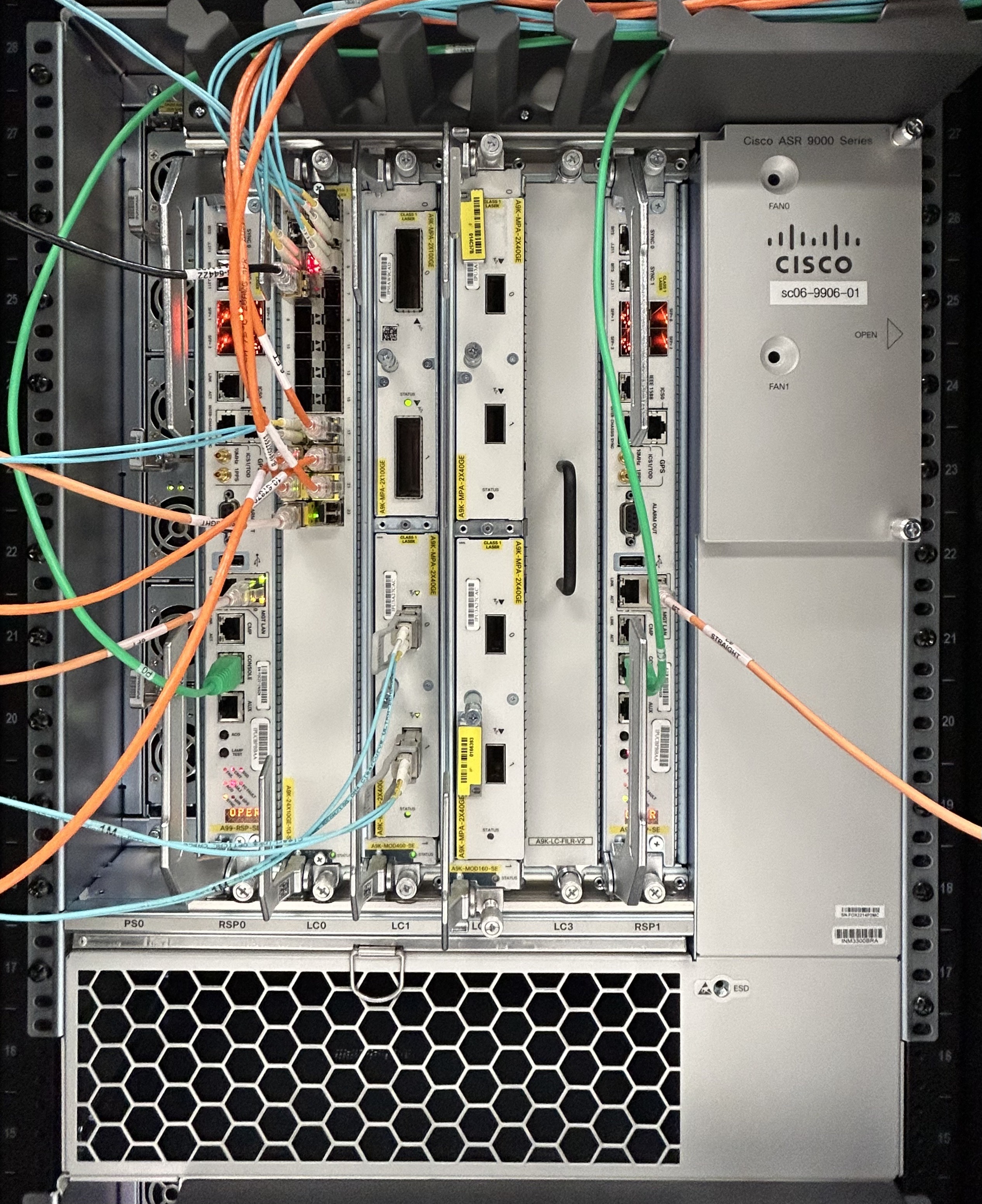
The asset management lifecycle encompasses the entire lifespan of hardware or software from initial procurement to final disposal. It is not merely a bureaucratic checklist; it is the fundamental mapping of a network's attack surface. To defend a system, you must first know exactly what constitutes the system, how those components interact, and how to safely extinguish them when their utility ends.
The foundational instrument of asset management is the Configuration Management Database (CMDB). A CMDB is a centralized repository storing technical and operational information about IT assets. But it is much more than a static spreadsheet. A properly configured Configuration Management Database maps the operational relationships and dependencies between different IT assets. If a primary database server fails, the CMDB tells you precisely which web applications and firewall rules are impacted.
To build and maintain this repository, organizations must discover what actually exists on their networks through continuous enumeration.
Active vs. Passive Enumeration
How do we detect an asset? We can either interrogate the network directly or listen to its natural ambient noise.
Active asset enumeration involves transmitting network probes to interact with and identify connected devices. It utilizes network scanning tools to discover the IP addresses, open ports, and operating systems of connected devices. While highly precise, active enumeration introduces traffic that can occasionally disrupt legacy systems or trigger intrusion detection systems.
Conversely, passive asset enumeration relies exclusively on monitoring network traffic to identify active devices. It observes the packets flowing through switches and routers to deduce what is communicating. Crucially, passive asset enumeration prevents network disruptions because the enumeration process does not transmit probe packets to target devices.
Physical and Logical Tracking
Discovering a device on the network is only half the battle; administrators must also locate it in physical space. This requires strict standardized hardware naming conventions. A robust naming convention helps administrators rapidly identify the physical location of an IT asset (e.g., NY-FL3-SRV01 for a server on the third floor in New York) while simultaneously helping administrators identify the specific operational function of an IT asset (e.g., whether it acts as a primary domain controller or a backup storage array).
Physical inventory relies on tangible identifiers:
- Asset tags are physical labels permanently attached to hardware to facilitate visual inventory tracking.
- Barcode scanners provide a manual method for identifying devices and updating physical asset inventory records.
- Radio Frequency Identification (RFID) tags elevate this process by allowing for the automated wireless tracking of physical hardware assets, passively broadcasting their presence as they move through a facility.

For the modern, decentralized workforce, Mobile Device Management (MDM) platforms provide automated asset tracking and inventory capabilities for smartphones and tablets.
A perfectly mapped CMDB is frequently undermined by unauthorized additions. Shadow IT refers to hardware or software deployed within an organization without the knowledge or approval of the IT department. When a marketing team independently purchases a cloud storage solution or an engineer plugs an unvetted wireless router into the corporate network, they create blind spots. You cannot patch, monitor, or defend an asset you do not know exists. Effective asset inventory processes help identify and mitigate the security risks associated with Shadow IT by contrasting authorized baseline configurations against real-time enumeration data.
Furthermore, monitoring assets is not strictly limited to hardware. Software asset management ensures organizational compliance with vendor licensing agreements, preventing costly legal audits and ensuring that all deployed software remains supported with critical security patches.
Eventually, hardware ages out and data becomes obsolete. Decommissioning is the final stage of the asset lifecycle where systems are securely removed from the production environment.
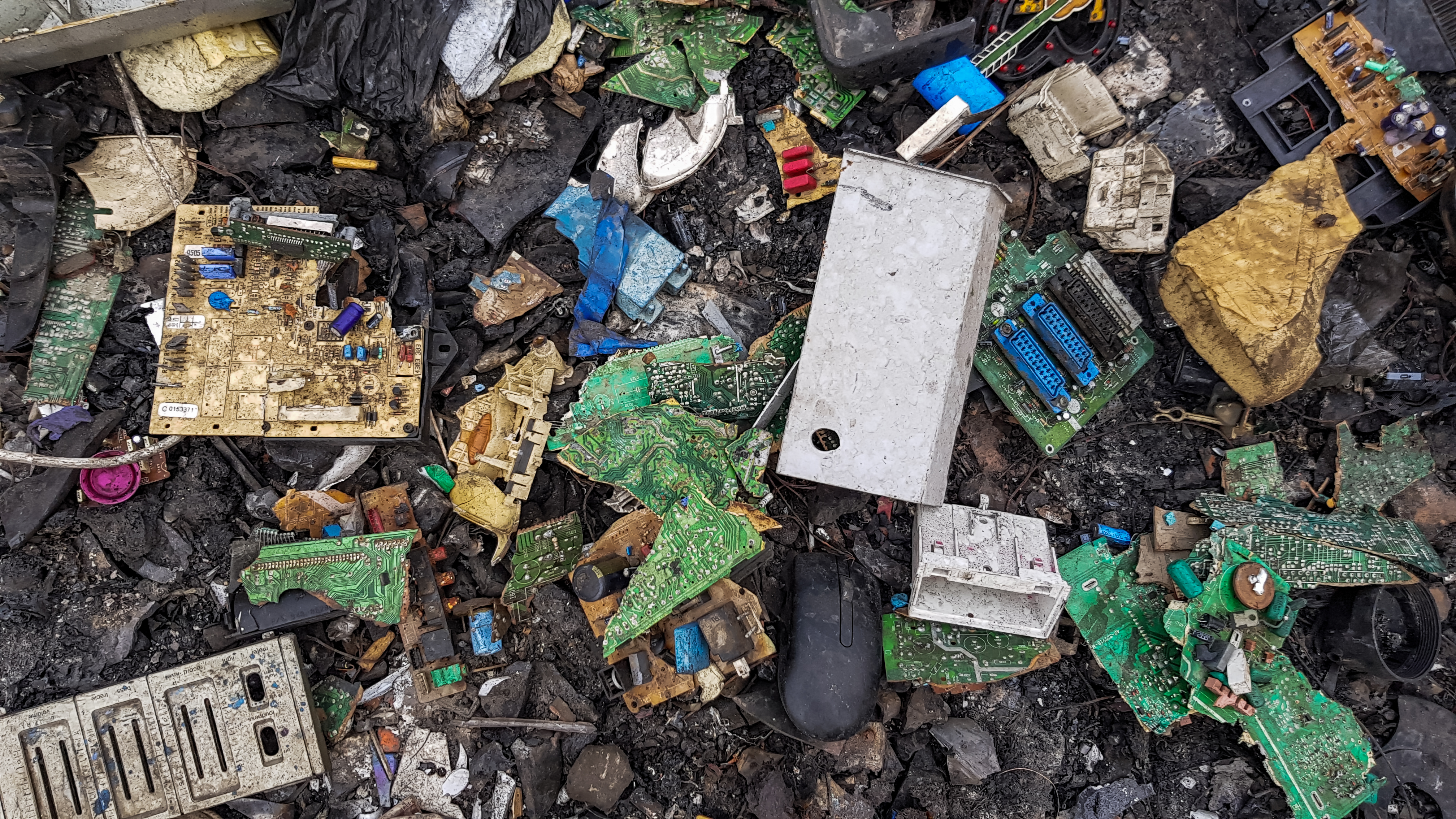
This phase is fraught with liability. Removing a server from a rack does not delete the data resting on its platters. Therefore, secure hardware decommissioning requires verifying the sanitization of all sensitive data before the hardware leaves organizational control. Furthermore, decommissioned IT hardware cannot simply be thrown into a landfill; Electronic waste (E-waste) regulations dictate the environmentally safe disposal procedures to prevent toxic metals from contaminating the environment.
Before disposing of the hardware, we must address the data it holds. Data retention policies define the exact duration that an organization must securely store specific types of information. These periods are not arbitrary; legal frameworks and regulatory compliance requirements often dictate the mandatory minimum data retention periods for an organization.
When data must be kept but is no longer actively needed, archiving moves older, infrequently accessed data to secondary storage systems to fulfill long-term data retention requirements.
The Liability of Hoarding Data If a regulation requires you to keep customer financial records for seven years, what happens on year eight? Many organizations simply leave the data sitting on a server. This is a critical error. Outdated data retained beyond the mandatory retention period unnecessarily increases organizational liability in the event of a data breach. If an adversary steals a database, every additional, unnecessary record within it compounds the financial damage—often costing organizations millions of dollars in fines and class-action settlements.
When it is time to destroy data, we turn to the gold standard of data destruction. NIST Special Publication 800-88 provides the United States government standard guidelines for media sanitization.
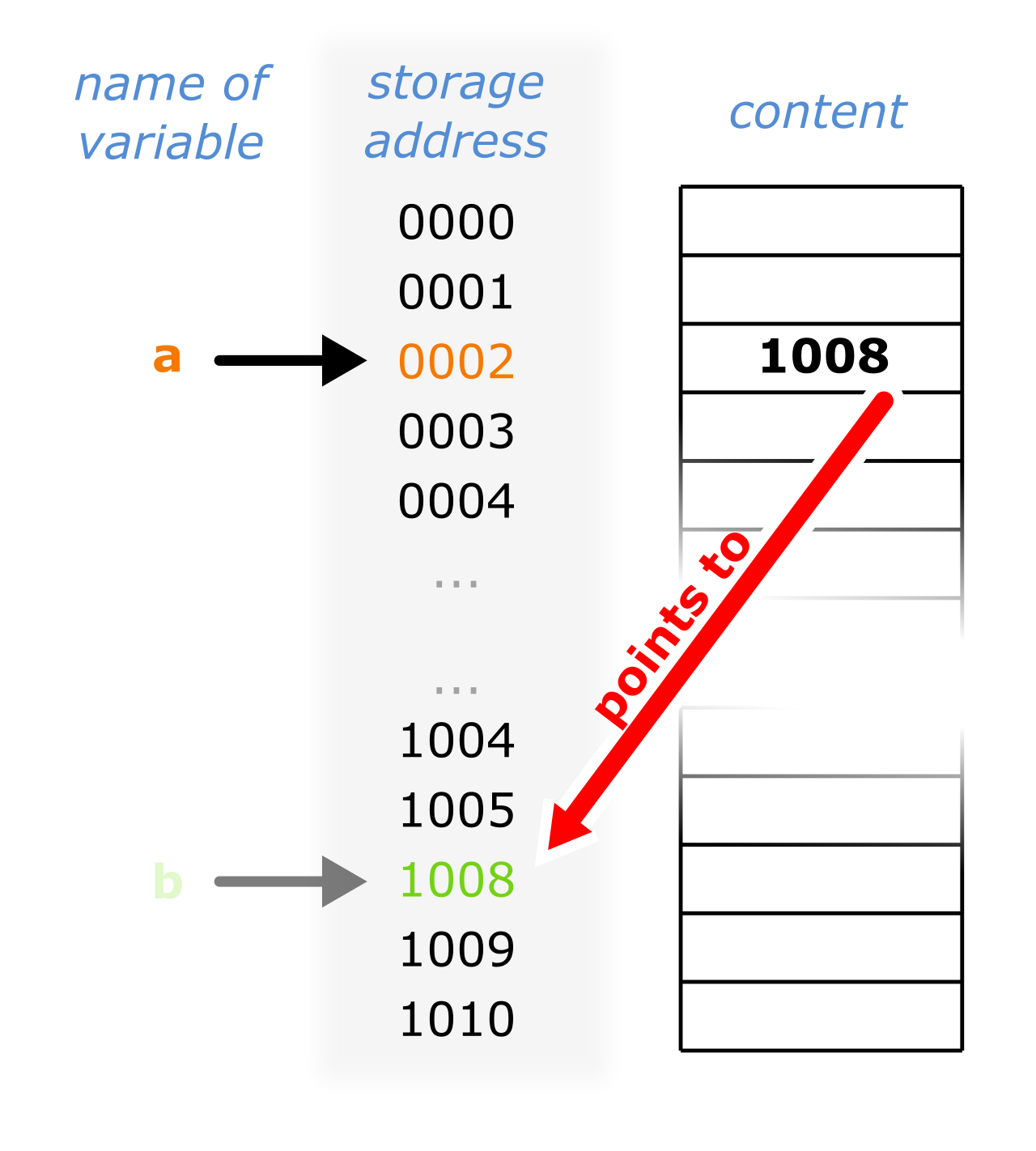
Media sanitization prevents unauthorized individuals from recovering sensitive data from discarded or reassigned storage devices. Simply pressing "delete" or emptying a recycle bin only removes the file system's pointer to the data; the raw binary remains completely intact on the physical disk.
The NIST 800-88 standard defines three distinct categories of media sanitization, scaling in severity based on the confidentiality of the data and the intended future use of the hardware: Clear, Purge, and Destroy.
1. Clear
The Clear sanitization method uses logical techniques to overwrite data in all user-addressable storage locations. Overwriting a hard drive with zeros is a common technique used in the Clear media sanitization method. This method effectively protects against simple non-invasive data recovery techniques.
Warning: Formatting is not Sanitization A standard operating system disk format does not securely sanitize data. A quick format merely resets the file allocation table, leaving previously stored data vulnerable to recovery using basic software tools. To truly "Clear" a drive, every sector must be explicitly overwritten.
2. Purge
When dealing with highly sensitive data, or when the hardware is leaving the organization, overwriting is insufficient. The Purge sanitization method renders data recovery infeasible even against advanced laboratory recovery equipment (such as magnetic force microscopy).
- Secure Erase: This is a set of commands built into the firmware of storage drives to execute data sanitization at the hardware level. Rather than relying on the operating system to send zeros, the drive's own internal controller flushes all stored voltage levels.
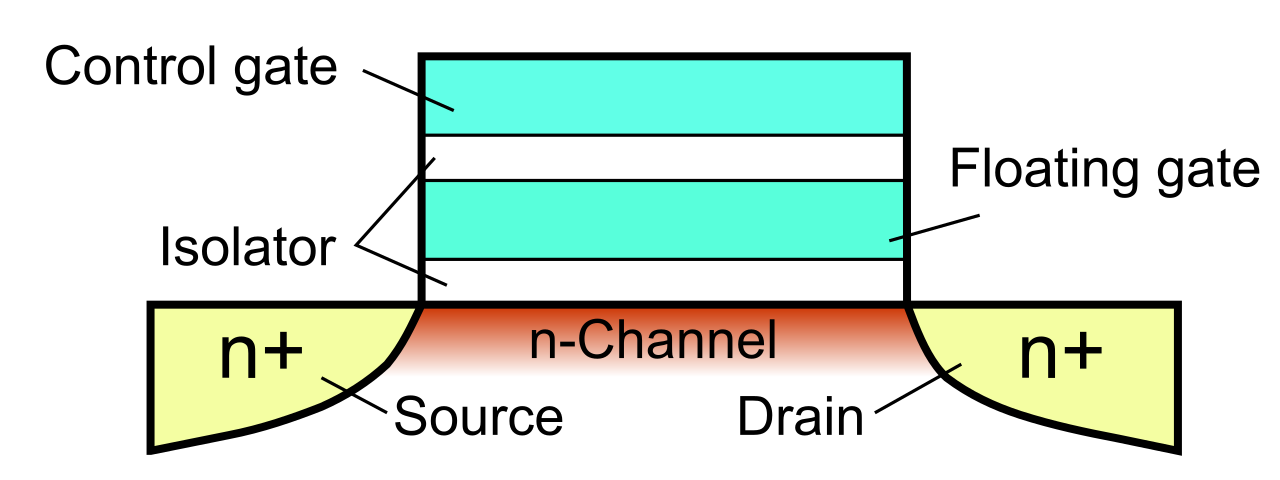
- Degaussing: This eliminates data on magnetic media by exposing the storage device to a very strong magnetic field. Degaussing is a Purge sanitization technique specifically designed for magnetic storage media like hard disk drives and magnetic tapes. By randomizing the magnetic domains, the data is instantly eradicated. However, degaussing is entirely ineffective for sanitizing solid-state drives (SSDs). This is a critical distinction governed by physics: solid-state drives (SSDs) use flash memory and do not store data magnetically; they trap electrons in floating-gate transistors.
- Cryptographic Erase: Also commonly referred to within the cybersecurity industry as crypto-shredding, cryptographic erase sanitizes data by permanently deleting the encryption key used to originally secure the storage media. Because modern AES encryption is mathematically unbreakable without the key, cryptographic erase renders the remaining encrypted data completely unreadable without the corresponding encryption key.
3. Destroy
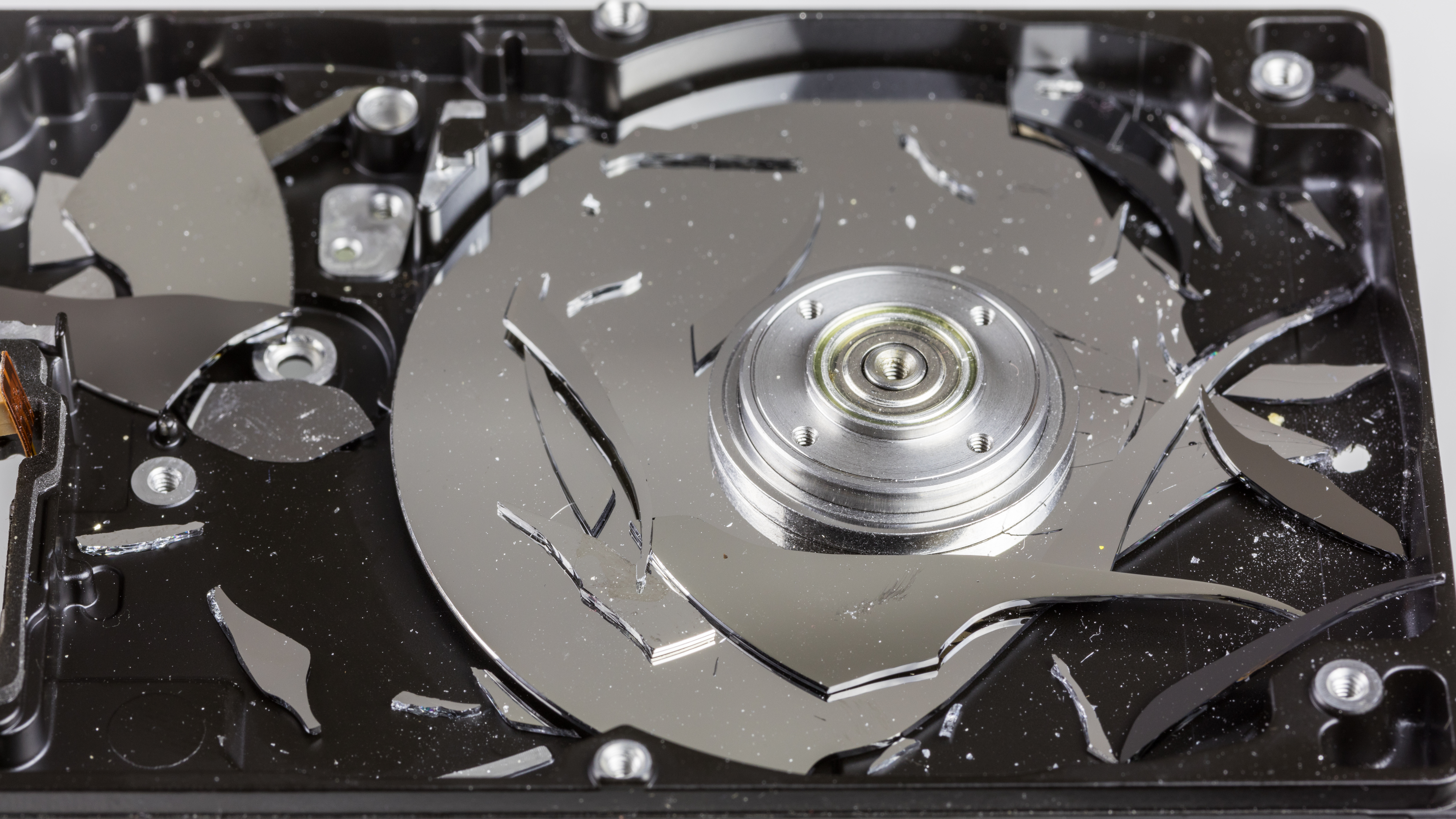
When media cannot be reliably purged, or the risk tolerance dictates absolute certainty, physical destruction is required. The Destroy sanitization method physically alters the storage media to permanently prevent future use of the device.
Physical hardware destruction methods include:
- Shredding: Feeding drives into industrial machinery that tears the metal into strips.
- Pulverizing: A pulverized hard drive is reduced to dust or very small particles to completely destroy the physical storage platters.
- Incineration: This destroys storage media by burning the physical electronic components at extremely high temperatures, melting the silicon and platters into slag.
- Drilling: For smaller-scale operations, drilling holes directly through a hard drive physically destroys the platters to prevent data recovery by shattering the precise glass or aluminum disks inside.
Whether clearing, purging, or destroying media, the lifecycle concludes with verification. A Certificate of Destruction is a formal legal document verifying that specific data or hardware has been securely destroyed. This certificate shields the organization from liability, proving to regulators and auditors that the data's lifecycle was actively managed through to its absolute physical end.