Vulnerability Identification Methods
Not sure you’re ready?
Take the ~3-minute readiness diagnostic and see where you stand.
When engineers evaluate the structural integrity of a suspension bridge, they do not merely stand at the shoreline and hope the steel holds under pressure. They meticulously inspect the mathematical blueprints for design flaws before construction begins; they log the origin of every bolt and cable supplied by third-party foundries; and ultimately, they drive fleets of heavily loaded trucks across the physical span to observe how the structure bends, flexes, and reacts to real-world stress. The discipline of identifying vulnerabilities in a digital enterprise operates on the exact same principles.

As a cybersecurity professional or systems administrator, your environment is a sprawling, interconnected architecture of operating systems, proprietary applications, third-party libraries, and network protocols. To defend this environment effectively, you cannot wait for an attacker to point out your weaknesses. You must systematically hunt for those flaws from the inside out and the outside in—analyzing source code at rest, observing applications in dynamic motion, ingesting global intelligence, and actively attacking your own systems before a genuine adversary does.
Software is the foundation of the modern enterprise. If you are deploying web servers, internal portals, or customer-facing applications, the code itself is your first perimeter. We evaluate this code using three distinct methodologies: looking at the blueprint, testing the running engine, and auditing the supply chain.
Static Application Security Testing (SAST)
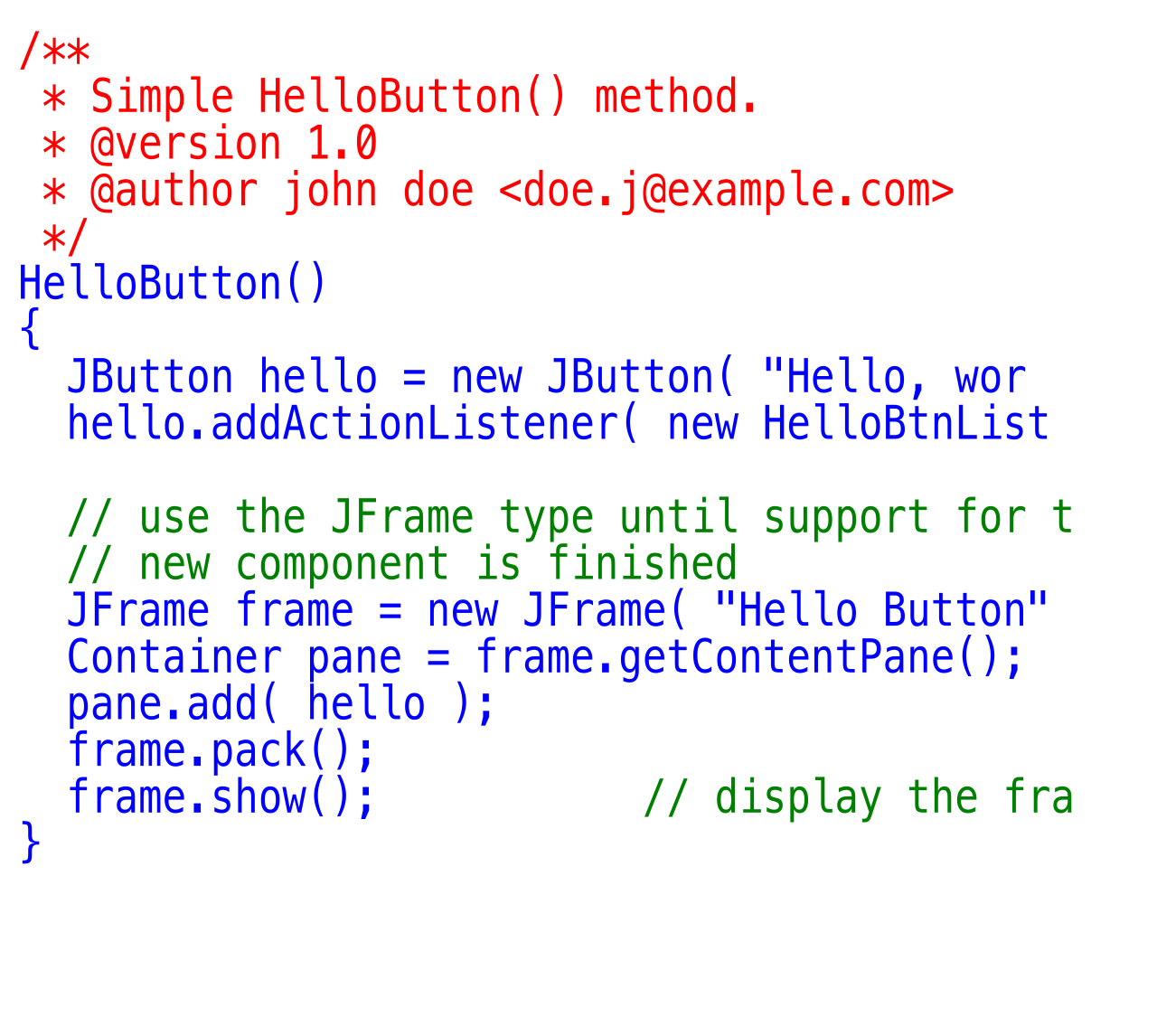
Imagine trying to find a structural flaw in a bank vault by reading its architectural schematics. This is the essence of Static Application Security Testing (SAST). SAST examines software code to identify vulnerabilities without executing the software.
Because SAST operates on resting files, static analysis requires access to the application source code or compiled binaries. This technique is heavily utilized during the early stages of the Software Development Life Cycle (SDLC). By parsing through lines of code, static analysis identifies coding flaws such as syntax errors and insecure functions during the software development phase. If a developer uses a deprecated cryptography library or leaves a hardcoded administrative password inside a script, SAST will flag it long before the software ever reaches a production server.
Dynamic Application Security Testing (DAST)
While SAST looks at the blueprint, Dynamic Application Security Testing (DAST) evaluates an application for vulnerabilities while the application is actively running.
Certain vulnerabilities only manifest when code is executed, memory is allocated, and user inputs are processed. For example, a blueprint might look perfect, but when the engine is turned on, it overheats. Because of its black-box nature, dynamic analysis does not require access to the application source code. Instead, it interacts with the web application from the outside, exactly as a user—or an attacker—would. Dynamic analysis identifies runtime vulnerabilities such as memory leaks and authentication bypass flaws that are entirely invisible to a static code review.
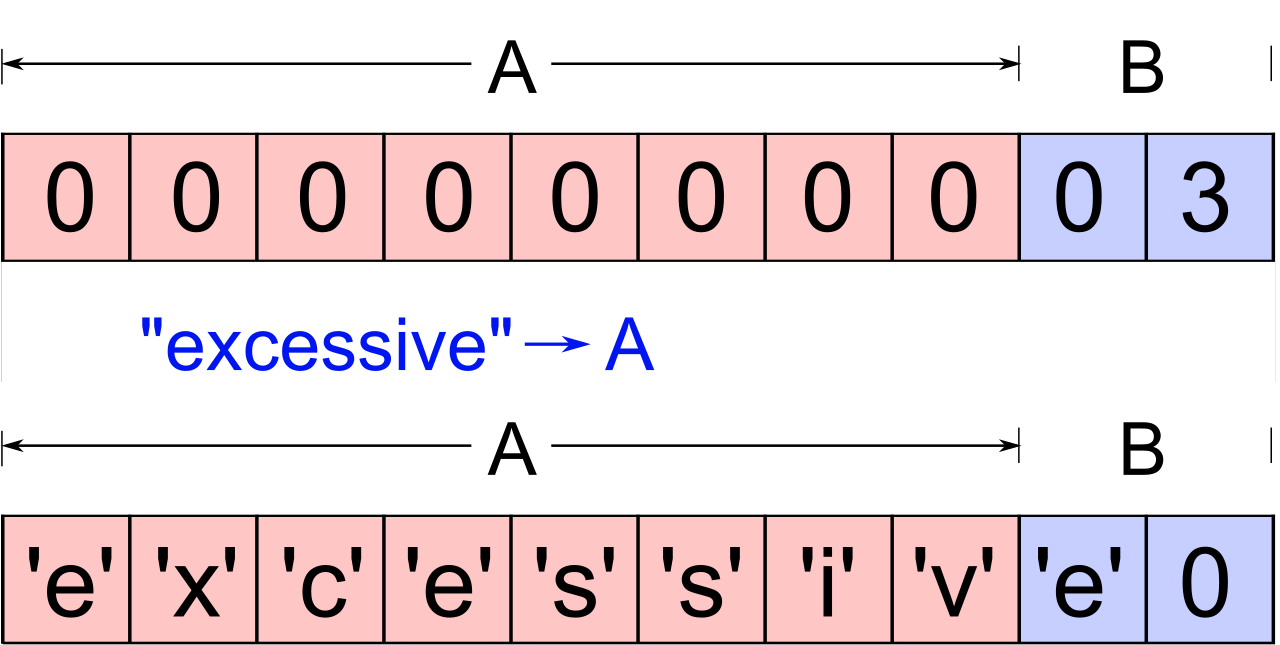
A fascinating and chaotic subset of dynamic analysis is fuzzing. Fuzzing is a dynamic analysis technique that inputs massive amounts of random data to induce application crashes. By intentionally throwing malformed packets, impossibly long strings of characters, and unpredictable inputs into an application's text fields, fuzzers force software into unexpected states, revealing buffer overflows and unhandled exceptions.
Package Monitoring and Software Composition Analysis (SCA)
Modern developers rarely write applications entirely from scratch. Instead, they snap together existing open-source modules like Lego bricks. While this makes development incredibly fast, it introduces immense supply-chain risk.
Package monitoring tracks third-party libraries and dependencies used within software applications. If your enterprise application relies on a logging framework developed by a random community on the internet, and a fatal flaw is discovered in that framework, your enterprise is suddenly vulnerable. Package monitoring tools compare software dependencies against databases of known vulnerabilities to identify risks.
To handle the sheer volume of code dependencies at an enterprise scale, we rely on automation. Software Composition Analysis (SCA) is a methodology that automates the process of package monitoring, providing administrators with a continuous ledger (often called a Software Bill of Materials) of every external component running in their environment.
| Feature | SAST (Static) | DAST (Dynamic) | SCA (Composition) |
|---|---|---|---|
| Execution State | Code is at rest | Code is actively running | Code is at rest |
| Source Code Needed? | Yes (or compiled binaries) | No | Yes (to view dependencies) |
| Primary Target | Syntax errors, insecure logic | Runtime errors, memory leaks | Third-party library vulnerabilities |
Discovering vulnerabilities inside your own code is only half the battle. You must also understand the active threats circulating the globe. As an administrator, you cannot afford to operate in a vacuum. You must leverage intelligence gathered from the wider world to preemptively fortify your networks.
Open-Source Intelligence (OSINT)
Open-Source Intelligence (OSINT) involves gathering threat information from publicly available sources. Hackers often inadvertently leak their strategies, or security researchers publicly document novel attack methods. OSINT sources include public code repositories, social media platforms, and government publications.
By monitoring GitHub repositories for accidentally leaked API keys, or watching security-focused social media feeds for chatter about a newly discovered zero-day, you transform public data into a defensive advantage.
Actionable Threat Feeds
For high-speed, automated defense, security teams rely on continuous data streams. Threat feeds deliver continuous streams of actionable data regarding active cyber threats and malicious IP addresses.
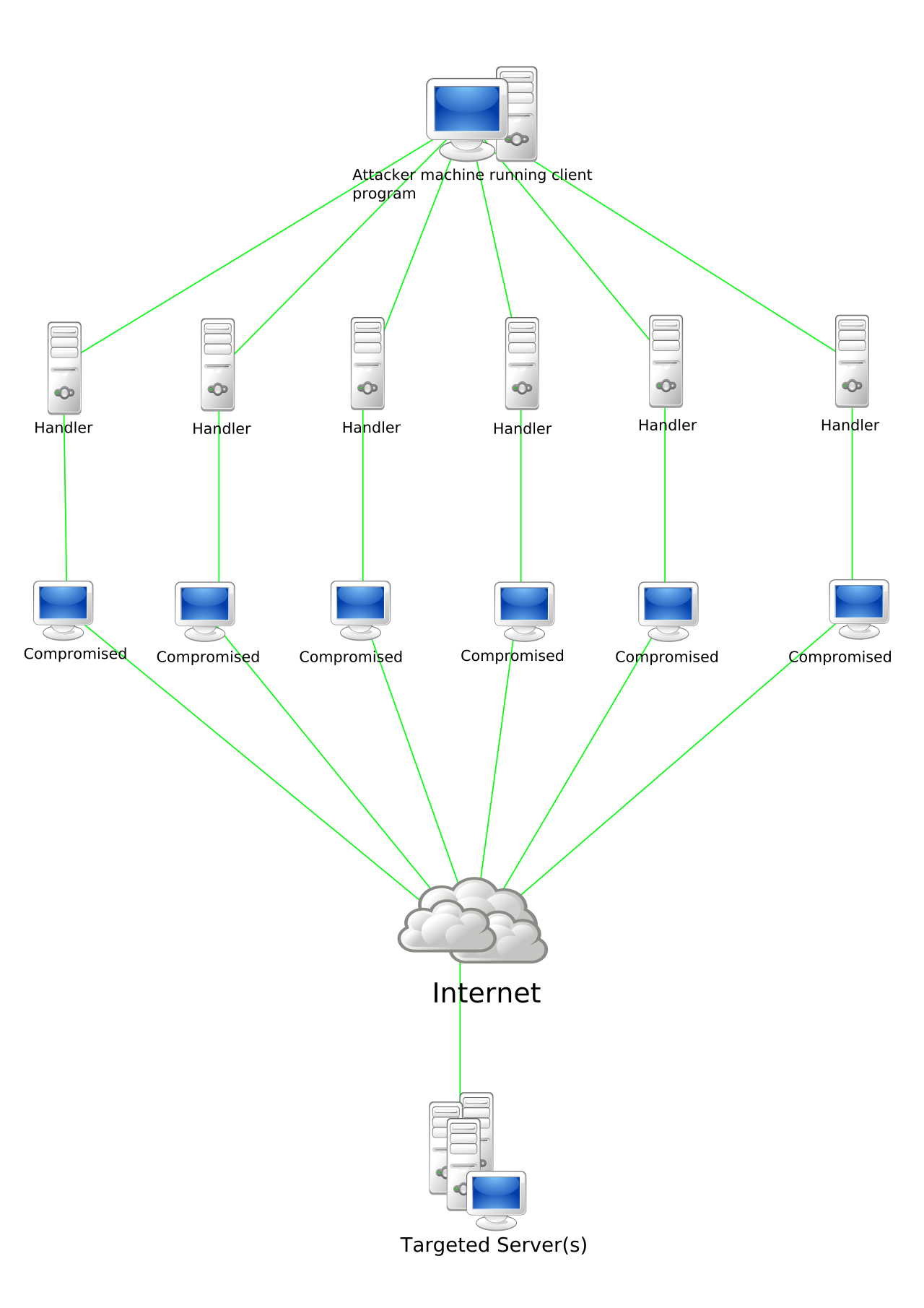
If a botnet begins attacking web servers in Eastern Europe, your firewall in North America should instantly know to block those IP addresses. But for your firewall to understand this intelligence, the data must speak a universal language. Automated threat feeds often use standardized formats like STIX and TAXII to share intelligence across different security tools.
- STIX (Structured Threat Information eXpression) is the standardized language used to describe cyber threat information.
- TAXII (Trusted Automated eXchange of Intelligence Information) is the transport mechanism used to deliver that STIX data over HTTPS.
Operational Prioritization: The CISA KEV Catalog Vulnerability scanners will often hand you thousands of flaws. How do you know what to patch first? The Cybersecurity and Infrastructure Security Agency (CISA) maintains a public catalog of Known Exploited Vulnerabilities (KEV).
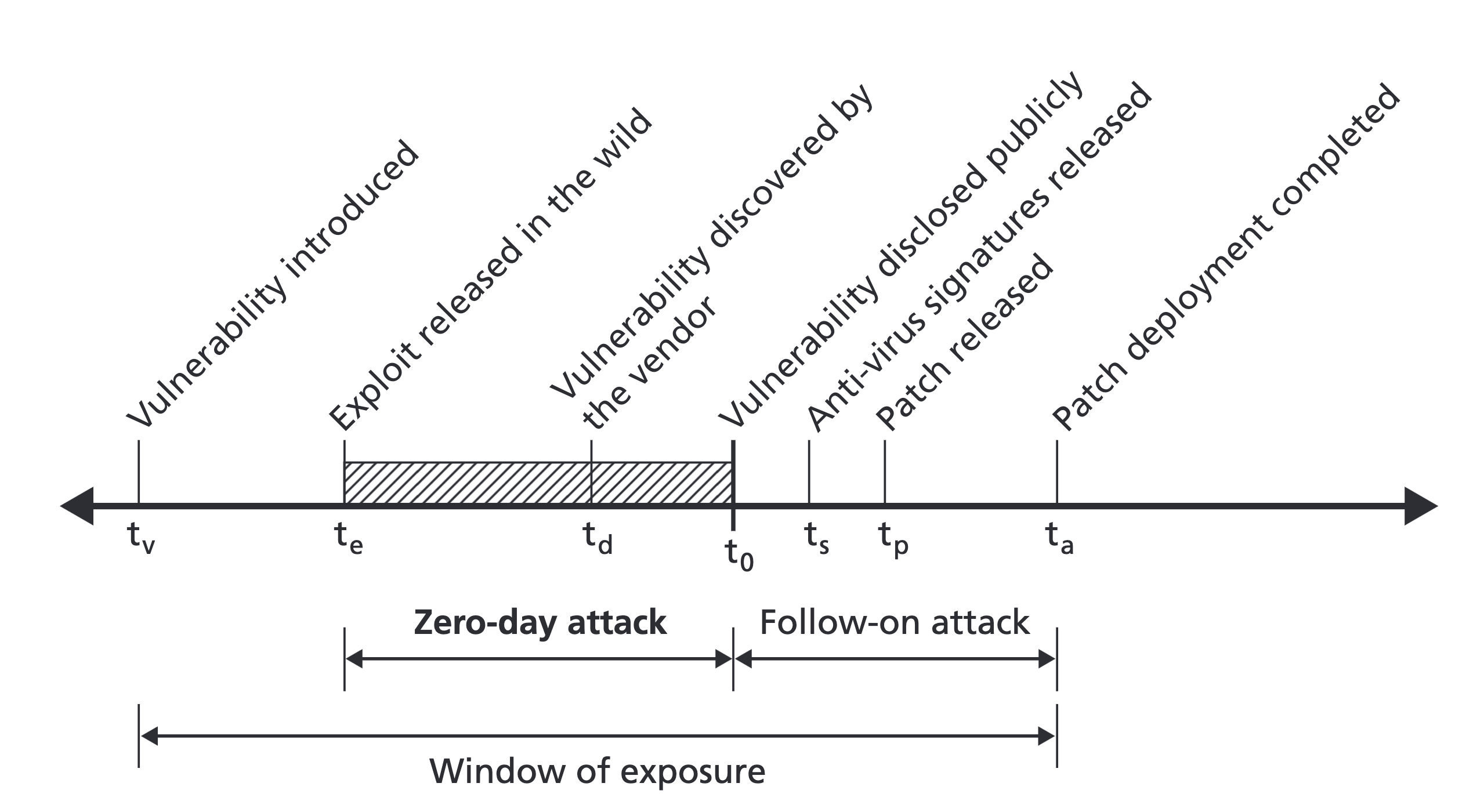
This is essentially the federal government's "Most Wanted" list for software flaws. Organizations use the CISA KEV catalog to prioritize patching for vulnerabilities actively exploited by threat actors. If a flaw makes it to the KEV catalog, it is no longer theoretical—adversaries are actively using it to breach networks right now.
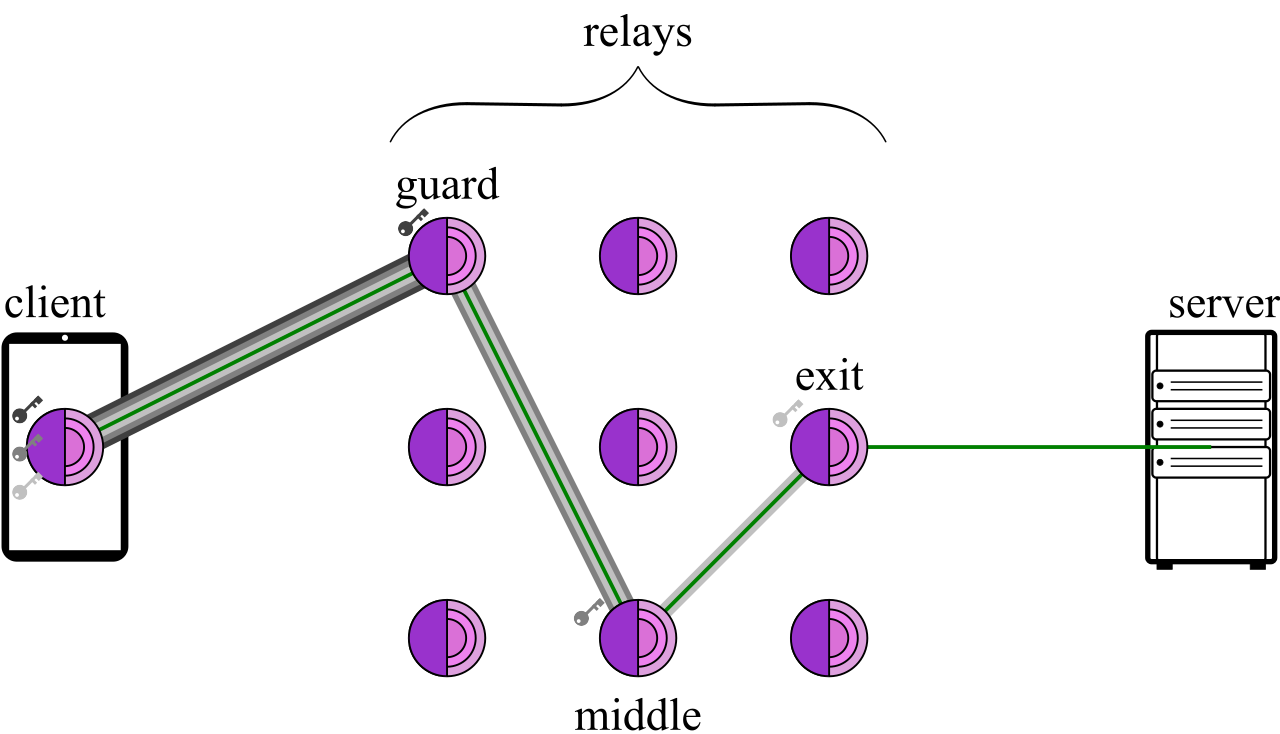
There is a layer of the internet that standard search engines cannot reach, and it is where adversaries conduct business. The dark web consists of encrypted networks requiring specific anonymizing software for access, such as the Tor browser.
In these underground marketplaces, threat actors buy and sell access to corporate networks. To stay ahead of these actors, enterprise security teams subscribe to specialized intelligence streams. Dark web threat feeds provide intelligence on stolen credentials and active exploit sales occurring in underground forums.
Imagine an employee reuses their corporate email password on a personal fitness app. If that fitness app is breached, the employee's credentials will eventually end up for sale on a dark web marketplace. Without dark web monitoring, your first indicator of compromise might be ransomware locking up your domain controller. However, dark web feeds help organizations identify compromised employee accounts before those accounts are used in a cyberattack, allowing administrators to force a password reset and neutralize the threat in its infancy.
Intelligence must be paired with continuous internal auditing. You must map your own network exactly as an attacker would.
Vulnerability scanning uses automated tools to identify misconfigurations and outdated software across network assets. These tools sweep through IP ranges, pinging servers, querying open ports, and checking software version numbers against a database of known flaws. However, the perspective from which you run these scans radically changes the results.
Non-Credentialed vs. Credentialed Scans
Non-credentialed vulnerability scans observe systems from the network perspective to identify externally visible flaws. Think of this like a security guard walking the perimeter of a building, jiggling door handles, and checking to see if any ground-floor windows are unlocked. The scanner has no usernames or passwords; it simply reports on what it can see from the outside.
To gain a deeper understanding of internal rot, you must provide the scanner with keys to the building. Credentialed vulnerability scans log into systems using valid accounts to provide a deep assessment of system vulnerabilities. Because the scanner authenticates to the operating system (e.g., via SSH or Windows Management Instrumentation), it can read the registry, verify internal file permissions, and check local patch levels that are completely invisible from the network exterior.
A vulnerability scan will tell you that a door is unlocked. But it will not tell you what a thief could accomplish once they walk through that door. To answer that, we must move from passive observation to active exploitation.
Penetration Testing
Penetration testing involves authorized simulated cyberattacks to evaluate the security of a computer system. During a penetration test (or "pen test"), highly skilled ethical hackers are hired to breach your network.
The distinction here is critical for any IT professional to understand: Penetration testing goes beyond vulnerability scanning by actively exploiting discovered vulnerabilities to determine potential impact. If a scanner finds an outdated web server, it simply logs a high-severity alert. If a penetration tester finds that same web server, they will launch an exploit, gain a remote shell, pivot into your internal network, and attempt to exfiltrate your customer database. Penetration testing proves exactly how deep a specific flaw allows an attacker to go.
Bug Bounty Programs
The limitation of a penetration test is that it is a point-in-time snapshot. It proves your security posture on a Tuesday in October, but what happens when a developer pushes new, flawed code on a Wednesday in November?
To solve this, modern organizations turn to the global community. Bug bounty programs offer financial rewards to independent security researchers who discover software vulnerabilities. Rather than paying a consulting firm for a two-week assessment, a company might offer $10,000 to anyone on the internet who can find a critical remote code execution flaw in their public application.
Bug bounty programs provide continuous crowdsourced vulnerability testing outside of scheduled penetration tests. The incentive structure ensures that thousands of diverse, highly skilled eyes are constantly hammering away at the application, looking for novel ways to break it.
Naturally, you cannot have thousands of hackers attacking your production databases without guardrails. To protect the enterprise, bug bounty programs establish rules of engagement defining the acceptable scope for security testing. These rules dictate which domains are fair game, which exploit methods (like Denial of Service) are strictly prohibited, and how researchers must safely report their findings without compromising user data.
Understanding vulnerabilities is not merely a checklist exercise; it is an integrated, continuous loop of discovery. By combining the microscopic precision of static and dynamic analysis with the global awareness of threat feeds and dark web intelligence, you build a robust map of potential threats. By validating that map through aggressive vulnerability scanning, penetration testing, and crowdsourced bug bounties, you force your network architecture to prove its resilience. In the world of cybersecurity, we do not guess if our systems are secure. We test them until they break, so we know exactly how to fortify them.