Data Concepts and Strategies
Not sure you’re ready?
Take the ~3-minute readiness diagnostic and see where you stand.
To a microprocessor, data is merely a fluctuating electrical voltage—a zero or a one. But to a cybersecurity professional, those identical electrical charges carry vastly different weights. A gigabyte of public weather data and a gigabyte of patient medical records occupy the exact same physical space on a solid-state drive, yet the latter commands strict legal mandates, attracts sophisticated adversaries, and dictates how you must architect your networks. When we design security controls, we are not protecting abstract bits; we are protecting human identities, corporate survival, and legal compliance.
To defend a system effectively, you must understand exactly what kind of information lives within your network, the physical state it is currently occupying, and the geographic soil upon which your servers reside.
You cannot protect what you do not understand. In an enterprise environment, data is classified based on its inherent value, its legal implications, and the damage its exposure would cause. We categorize this information into three primary pillars: Regulated Data, Intellectual Property, and Financial Data.
Regulated Data
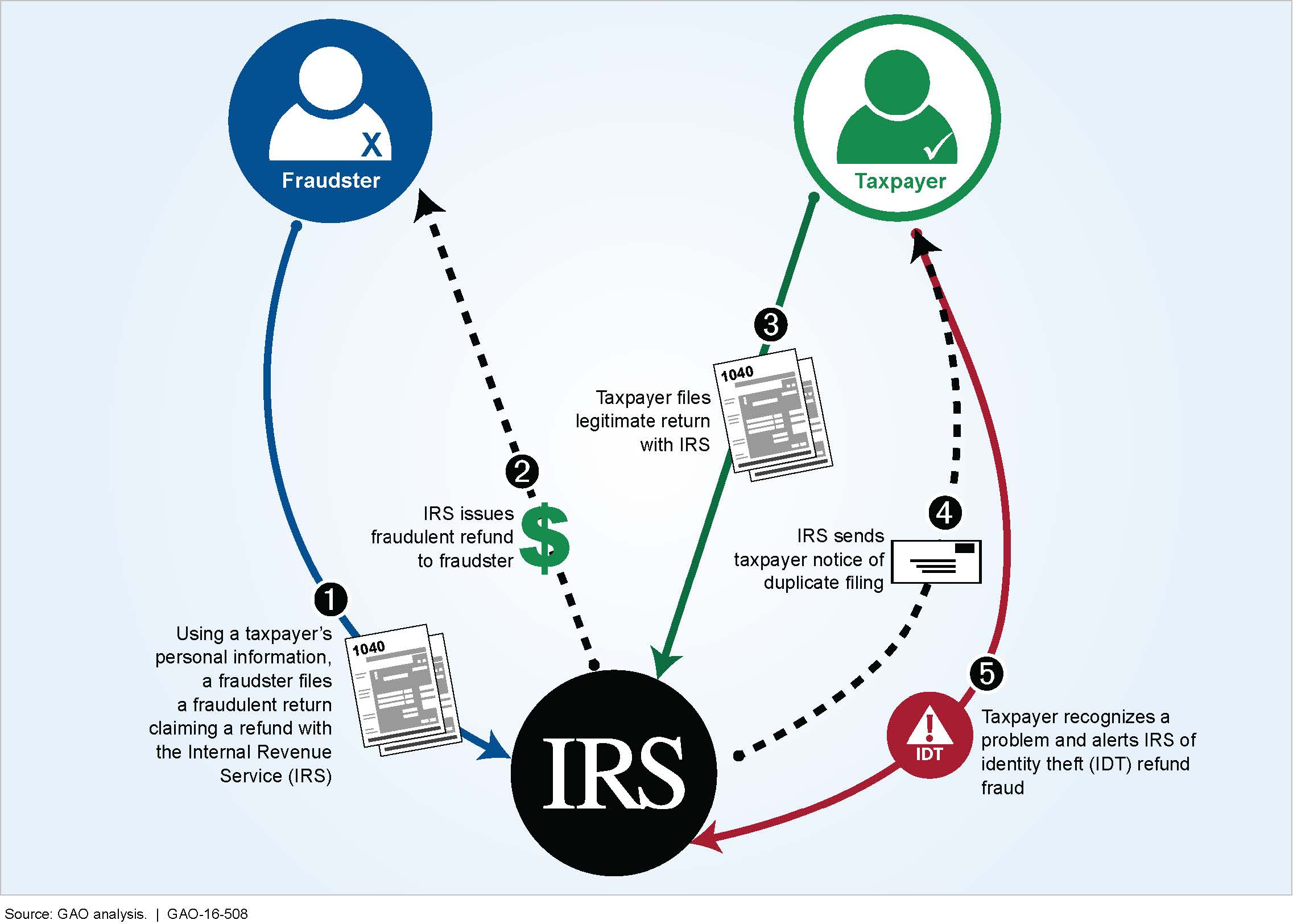
Regulated data must be handled according to specific legal mandates or strict industry frameworks. When you manage regulated data, you are no longer just making engineering decisions; you are making legal decisions. Failing to secure this data doesn't just result in downtime—it results in crippling fines, revoked licenses, and legal prosecution.
Within this category, you will regularly encounter four major frameworks:
- Personally Identifiable Information (PII): This is a type of regulated data that can uniquely identify a specific human individual. It includes social security numbers, biometric records, and driver's license numbers. If an adversary acquires this, they can impersonate a human being.
- Protected Health Information (PHI): Medical histories, laboratory results, and insurance claims fall under PHI. This is a type of regulated data governed by the Health Insurance Portability and Accountability Act (HIPAA). Because medical records are immutable (you cannot change your blood type or medical history the way you can cancel a credit card), PHI is highly prized on the black market.
- The Payment Card Industry Data Security Standard (PCI DSS): If your network touches credit cards, this framework applies. PCI DSS regulates the secure handling of credit card and financial transaction data. It mandates specific firewalls, encryption standards, and access controls for any system that processes, stores, or transmits cardholder data.
- The General Data Protection Regulation (GDPR): Geography matters. GDPR dictates strict privacy rules for data concerning citizens of the European Union. Crucially, GDPR protects the citizen, regardless of where the company processing the data is headquartered. If a server in Texas holds data on a user in Paris, that server must comply with GDPR.
Intellectual Property (IP)
While regulated data involves protecting individuals, intellectual property involves protecting the mind of the enterprise. Intellectual property encompasses unique creations of the mind protected by law from unauthorized commercial use. This is the secret sauce that makes a company profitable.
As an IT administrator, you must understand the different mechanisms by which IP is legally protected, as this informs your data loss prevention (DLP) strategies:
| IP Type | What it Protects | IT Reality Example |
|---|---|---|
| Patents | Patents protect physical inventions and new functional processes from unauthorized manufacturing or sale. | The proprietary schematic for a new microprocessor or a novel algorithmic process for compressing video. |
| Trademarks | Trademarks legally protect specific words, phrases, symbols, or designs that identify the original source of commercial goods. | The company logo, the specific brand name of your software suite, or a unique corporate slogan. |
| Copyrights | Copyrights legally protect original works of authorship like literature, music compositions, and software source code. | The actual lines of Python or C++ written by your development team. If a competitor steals your source code, it is a copyright violation. |
| Trade Secrets | Trade secrets are valuable proprietary business formulas or internal methods kept strictly confidential to maintain a competitive advantage. | Google's search algorithm, or the recipe for Coca-Cola. Unlike a patent (which is publicly published), trade secrets rely entirely on your ability to enforce strict access controls and confidentiality. |
Corporate Financial Data
The third pillar is the ledger of the organization. Corporate financial data includes organizational balance sheets, income statements, payroll records, and tax filings.
The security of this data is paramount because of the economic ripples it can cause. Unauthorized disclosure of pre-release corporate financial data can facilitate illegal insider trading activities. If a threat actor breaches your network and reads next quarter's earnings report before it is released to the public, they can manipulate the stock market for massive illegal profit.
Because the integrity of the financial markets depends on this information, the law steps in. The Sarbanes-Oxley Act (SOX) legally mandates specific handling and auditing procedures for corporate financial data in the United States. Under SOX, IT administrators must prove that financial records have not been tampered with and that access to financial databases is strictly logged and controlled.
Data is not static. To process information, a computer must read it from a drive, send it across a wire, and compute it in a processor. Think of data like water: it can be frozen as ice, flowing through a pipe, or actively reacting in a chemical beaker. In cybersecurity, we call these states: At Rest, In Transit, and In Use. Each state exposes the data to different vulnerabilities and requires entirely different cryptographic defenses.
1. Data at Rest (The Frozen State)
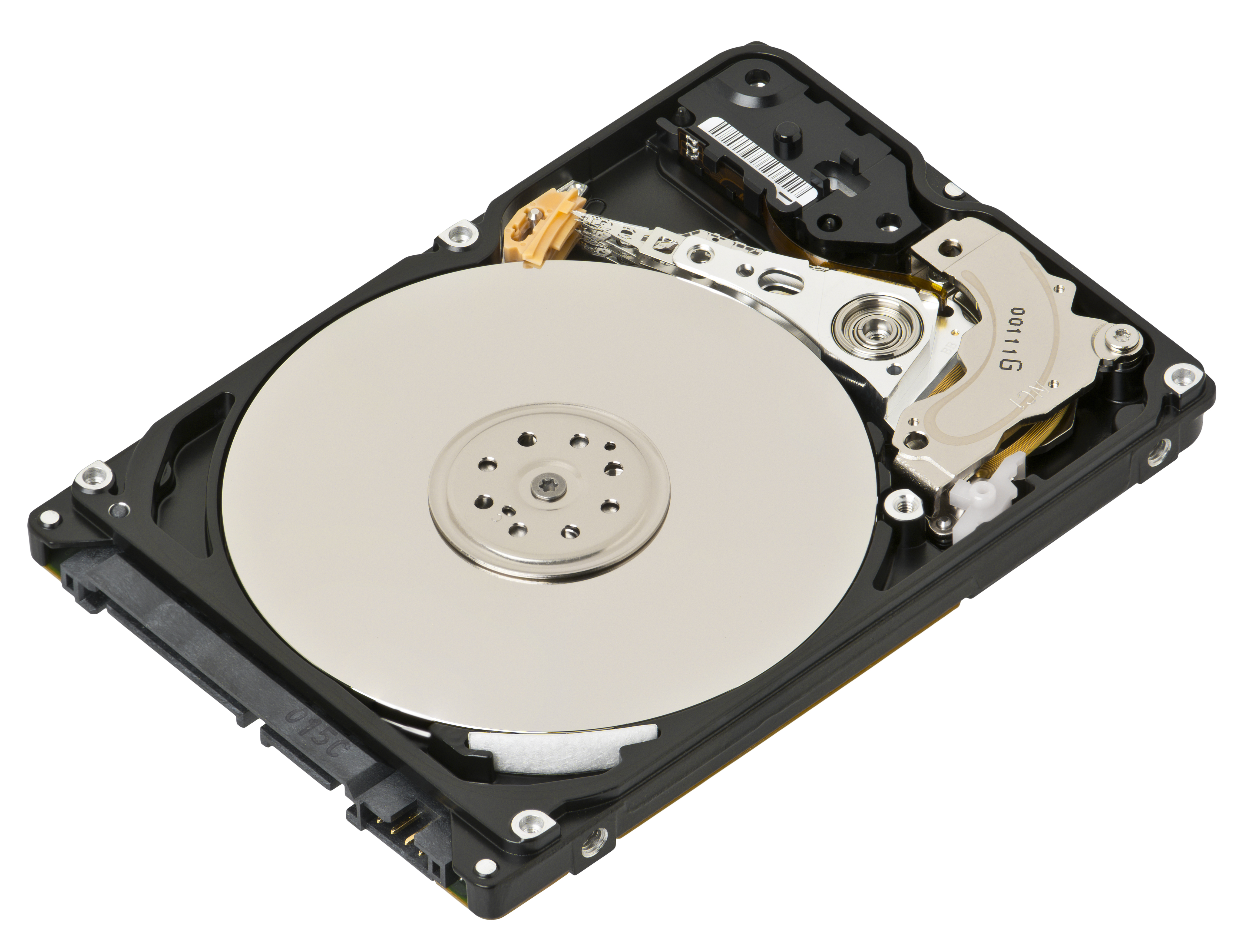
Data at rest refers to inactive digital information stored continuously in databases, hard drives, or archival backup media. This is data waiting to be used.
The primary threat to data at rest is physical compromise or unauthorized logical access. If an administrator leaves a backup tape on a subway, or a laptop is stolen from a coffee shop, the data is entirely exposed to whoever holds the physical hardware.
Defensive Strategy: Security professionals deploy full disk encryption (FDE) to protect data at rest against unauthorized access following physical theft. Even if an attacker physically removes the hard drive and plugs it into their own machine, the data remains mathematically scrambled without the cryptographic key.
2. Data in Transit (The Flowing State)
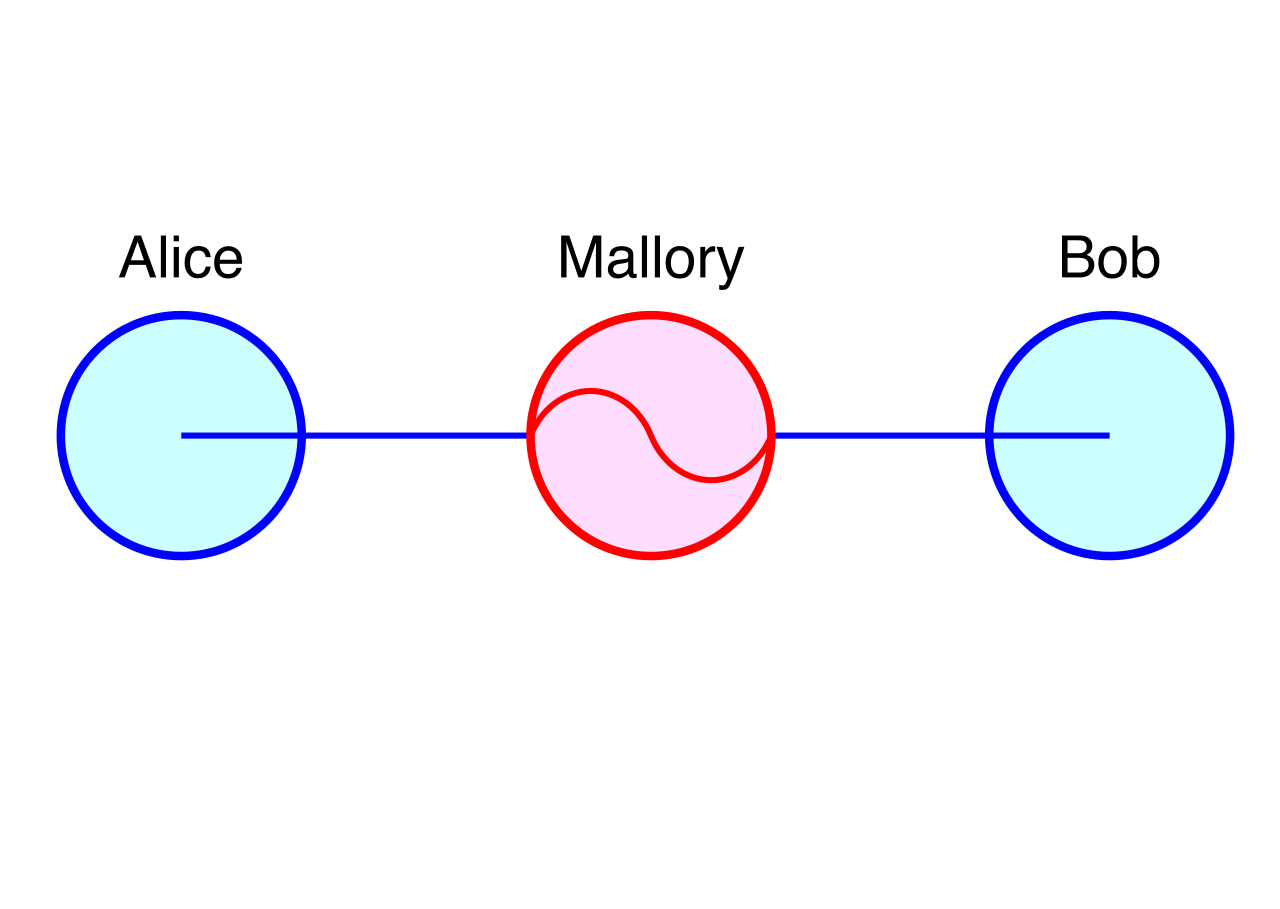
Data in transit refers to digital information actively moving across a network connection from one location to another. Whether it is crossing an Ethernet cable in your datacenter or traversing fiber-optic lines across the Atlantic, data in transit is vulnerable to interception, eavesdropping, and man-in-the-middle attacks.
Defensive Strategy: Network engineers configure Transport Layer Security (TLS) to provide strong cryptographic encryption for data in transit over computer networks. TLS establishes a secure, encrypted tunnel between the client and the server, ensuring that anyone sniffing the network traffic sees only meaningless ciphertext.
3. Data in Use (The Reactive State)
Data in use refers to digital information actively being processed or accessed within random access memory (RAM) or a central processing unit (CPU).
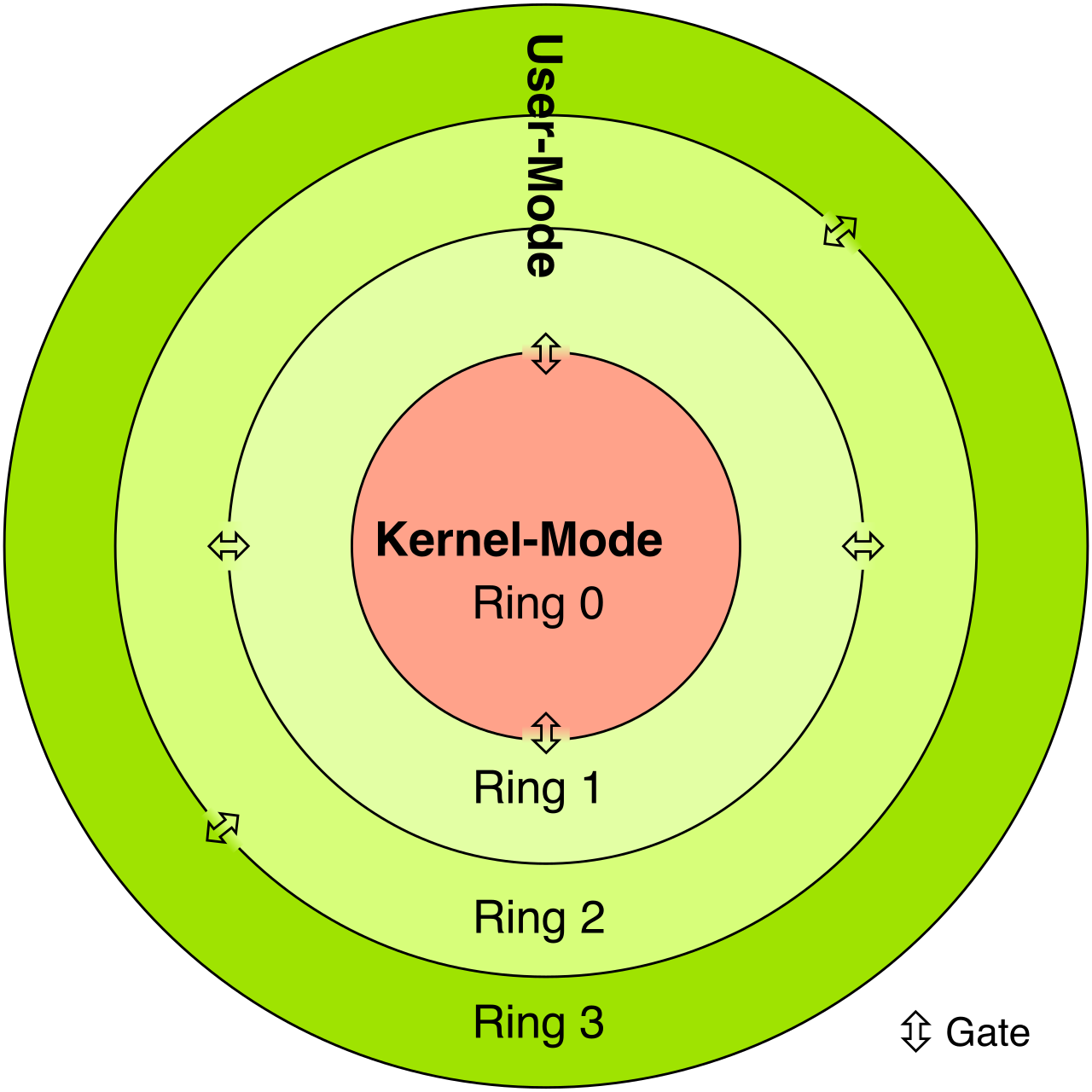
This is the most vulnerable state. To perform a calculation, search a database, or display a document, the computer must decrypt the data. If a machine is infected with malware, that malware can perform "memory scraping" to read the decrypted data directly out of the RAM while the CPU is working on it.
Defensive Strategy: Hardware-based secure enclaves protect data in use by strictly isolating application execution within encrypted memory regions. Modern CPU architectures physically carve out a trusted execution environment. Even if the operating system itself is compromised by a rootkit, the secure enclave ensures the malware cannot peer into the isolated memory where sensitive data in use is actively being processed.
We casually use the phrase "the cloud," which implies that data floats in an ethereal, borderless sky. As a security professional, you must discard this illusion. There is no cloud; there are only other people's computers, and those computers sit on sovereign soil.
Data sovereignty is the principle that digital information is fully subject to the legal jurisdiction of the country containing the physical storage hardware. If you provision a database on a server rack located in Frankfurt, Germany, those bits are governed by German law.
Cross-Border Privacy and Cloud Providers
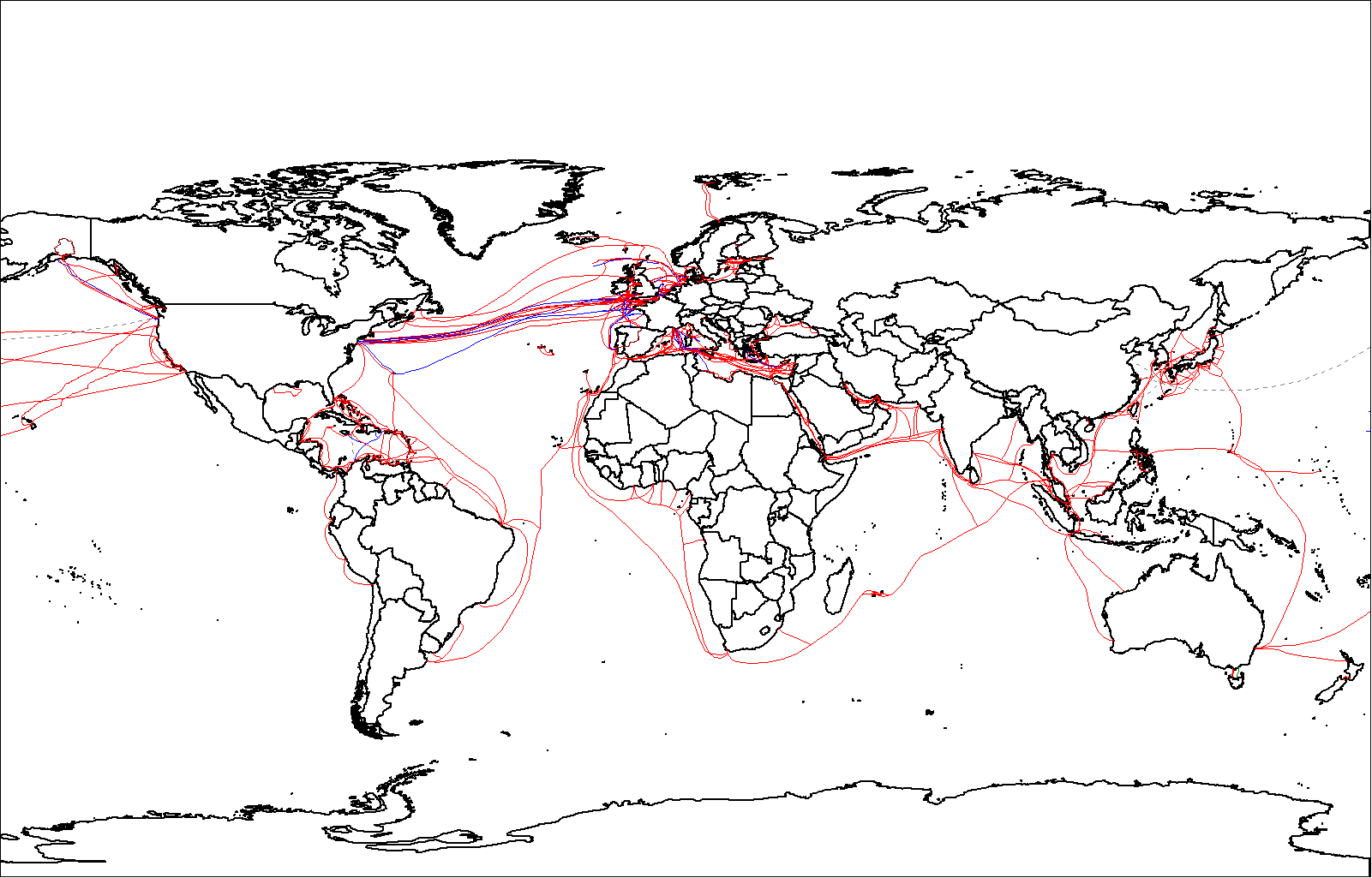
The internet routes traffic efficiently, often bouncing packets across international borders. However, moving digital information across national borders subjects the transmitted information to the specific privacy laws of the destination country.
If you are a US-based healthcare provider and you accidentally back up your PHI to a server located in a foreign country, you have just exported medical records to a jurisdiction that may not recognize HIPAA, fundamentally violating your legal compliance.
To solve this, cloud service providers offer strict region-specific storage boundaries to help organizations maintain legal compliance with local data sovereignty laws. When you spin up resources in AWS, Azure, or Google Cloud, you don't just ask for "storage"—you explicitly select a region, such as eu-central-1 (Frankfurt) or us-east-1 (Virginia). This allows administrators to architect networks that mathematically guarantee data never leaves the legally permitted geographic boundary.
Law Enforcement and Geographic Filtering
Sovereignty also dictates who can legally demand your data. Law enforcement requests for digital data access depend entirely on the physical geographic location of the physical storage servers.
If the FBI serves a subpoena for data stored entirely in a datacenter in Switzerland, the US government cannot simply walk in and take it. They must navigate international mutual legal assistance treaties (MLATs) and Swiss sovereignty laws. Conversely, if you store European citizen data on a server sitting in Chicago, US law enforcement may have the jurisdictional authority to access it, which puts your organization in direct conflict with European privacy regulators.
To strictly enforce these boundaries at the network edge, network administrators implement geographic filtering controls to block data transfers based on the physical location of the requesting external system. By utilizing geolocation databases mapped to IP addresses, a firewall can automatically drop any incoming connection originating from an embargoed nation, or block an internal employee from transmitting regulated data to a server located outside the company's legally approved regions.
Summary for the Security Professional
When you sit down to architect a network, you are designing a fortress for information. You must look at the data flowing through your switches and ask three questions:
- What is it? (Is it regulated PII, proprietary trade secrets, or SOX-audited financial data?)
- What state is it in? (Is it encrypted on a disk at rest, flowing securely via TLS in transit, or isolated in a secure enclave in use?)
- Where does it live? (Under whose legal jurisdiction does the physical hard drive sit?)
Mastering these concepts transforms you from someone who merely configures technology into someone who truly protects the enterprise.