Data Classifications and Security Methods
Not sure you’re ready?
Take the ~3-minute readiness diagnostic and see where you stand.
In a modern biochemistry laboratory, researchers do not secure distilled water with the same retinal scanners and heavy vault doors used to protect weaponizable pathogens. Applying maximum security to everything paralyzes the organization and exhausts its budget, while applying baseline security to highly volatile assets invites catastrophe. Information technology operates on the exact same premise. As an IT administrator or security engineer, your primary job is not simply to "lock everything down." Your job is to understand the precise nature of the information flowing through your infrastructure, measure the risk of its exposure, and apply mathematical and systemic controls calibrated exactly to that risk.
You cannot defend what you do not understand. Data classification is the process of categorizing information based on its sensitivity and the impact of its unauthorized disclosure. This process is the foundation of all cybersecurity architecture. By labeling data, you provide firewalls, operating systems, and human administrators with the instructions they need to treat a marketing flyer differently than an unencrypted database of patient health records.
How organizations name their classification tiers depends largely on the sector they operate within.
- Government data classification models typically use tiers such as Unclassified, Confidential, Secret, and Top Secret.
- In contrast, corporate data classification models typically use tiers such as Public, Internal, Confidential, and Restricted.
While the labels change, the fundamental logic remains universal. Let us look closely at how these tiers operate in a standard corporate environment:
Public Data
Public data is information intended for open distribution without any access restrictions. Think of press releases, job postings, or product manuals on a company website. Because the data is designed to be seen by the world, the unauthorized disclosure of public data causes no negative impact to an organization.
Sensitive Data
As we move inward, the stakes change. Sensitive data is information requiring protection against unauthorized access to prevent harm to individuals or an organization. This is a broad category, but in your daily operations, Personally Identifiable Information (PII) is a common categorization of sensitive data. If an attacker accesses names, home addresses, or phone numbers, the harm inflicted falls squarely on the human beings represented by that data.
Confidential Data
Confidential data is highly sensitive information restricted to authorized personnel within an organization. This encompasses trade secrets, merger strategies, and internal financial forecasts. Because of its nature, the unauthorized disclosure of confidential data causes significant financial or reputational damage to an organization.

Restricted Data
At the highest tier of corporate data models, we find information that must be protected at all costs. Restricted data requires the highest level of access control within an organization. It is not enough to simply be an employee to see this data; restricted data access is granted strictly based on the principle of least privilege and a direct need-to-know. An administrator managing the HR database server, for example, should have network access to the host machine but zero ability to query the restricted salary tables housed within it.
Critical Data
Beyond just the secrecy of data, we must also consider its availability. Critical data is information essential to the ongoing operational survival of an organization. Consider the real-time routing tables of a major logistics company or the transaction ledgers of a bank. The loss or corruption of critical data immediately halts primary business operations. If this data goes offline, the business effectively ceases to exist until it is restored.
Crucial Distinction: Data can be both Restricted and Critical simultaneously, but they measure different risks. "Restricted" focuses on the impact of unauthorized disclosure (confidentiality), while "Critical" focuses on the impact of loss or corruption (availability and integrity).
Once data is classified, security engineers must map how it behaves in the physical world. Data constantly shifts between three distinct states, and the methods you use to protect it must shift accordingly.
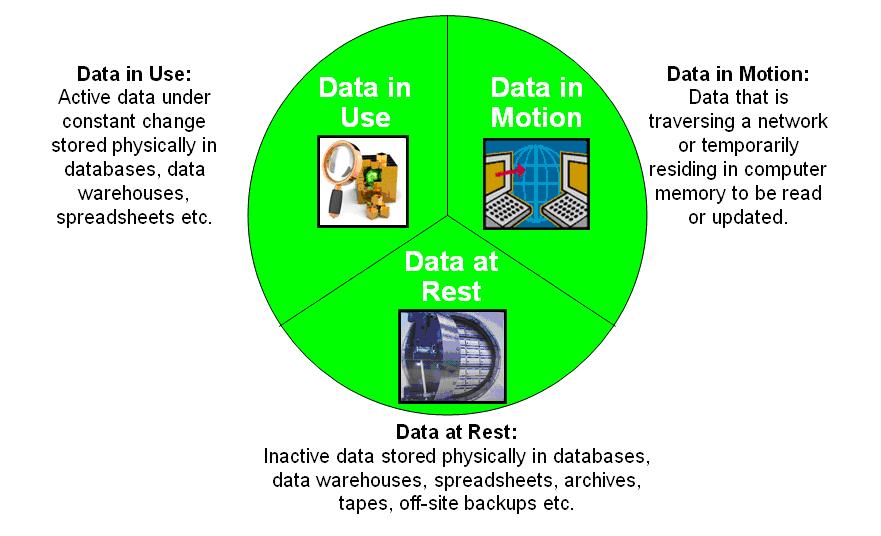
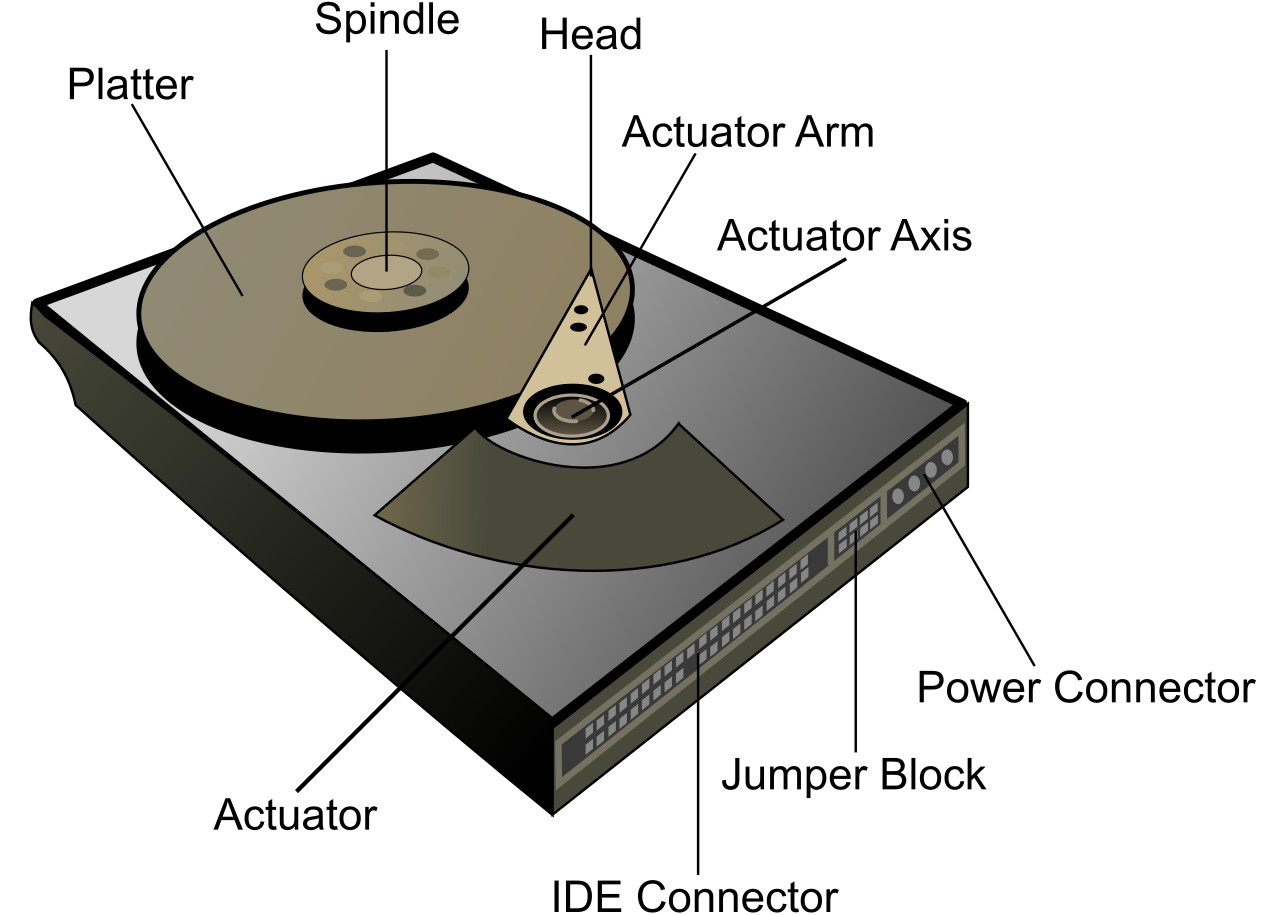
- Data at rest refers to inactive data stored physically in databases, file systems, or storage arrays. When a laptop is powered off in a backpack, the data on its hard drive is at rest. The primary threat here is physical theft. Therefore, Full Disk Encryption is a security method used to protect the entirety of data at rest on a storage volume. If a thief steals the laptop, they possess only an unreadable hard drive.
- Data in transit refers to information actively moving across a network from one location to another. When you log into a web portal, your credentials traverse copper wires, fiber optics, and wireless frequencies. To protect this journey, Transport Layer Security (TLS) is a cryptographic protocol used to encrypt data in transit.

- Data in use refers to information currently being processed or accessed by an application in computer memory. Even if data is encrypted on the disk and encrypted over the network, it must eventually be decrypted in the system's RAM so the CPU can process it. This makes data in use heavily targeted by memory-scraping malware and side-channel attacks.

If classification is the architectural blueprint of security, cryptography is the steel and concrete used to build the walls.
Encryption: The Art of Secrecy
Encryption transforms plaintext data into unreadable ciphertext using a cryptographic algorithm and a specific key. This is the ultimate fallback mechanism for confidentiality: encryption prevents unauthorized users from reading the contents of intercepted or stolen data. Even if your network defenses fail entirely and an attacker exfiltrates your database, strong encryption renders their prize mathematically useless.
There are two primary mechanisms for encryption:
- Symmetric encryption uses the same cryptographic key to both encrypt and decrypt data. It is incredibly fast and highly efficient for encrypting massive volumes of data at rest. However, if you and a remote server need to communicate safely, how do you safely share that single key across an untrusted network?
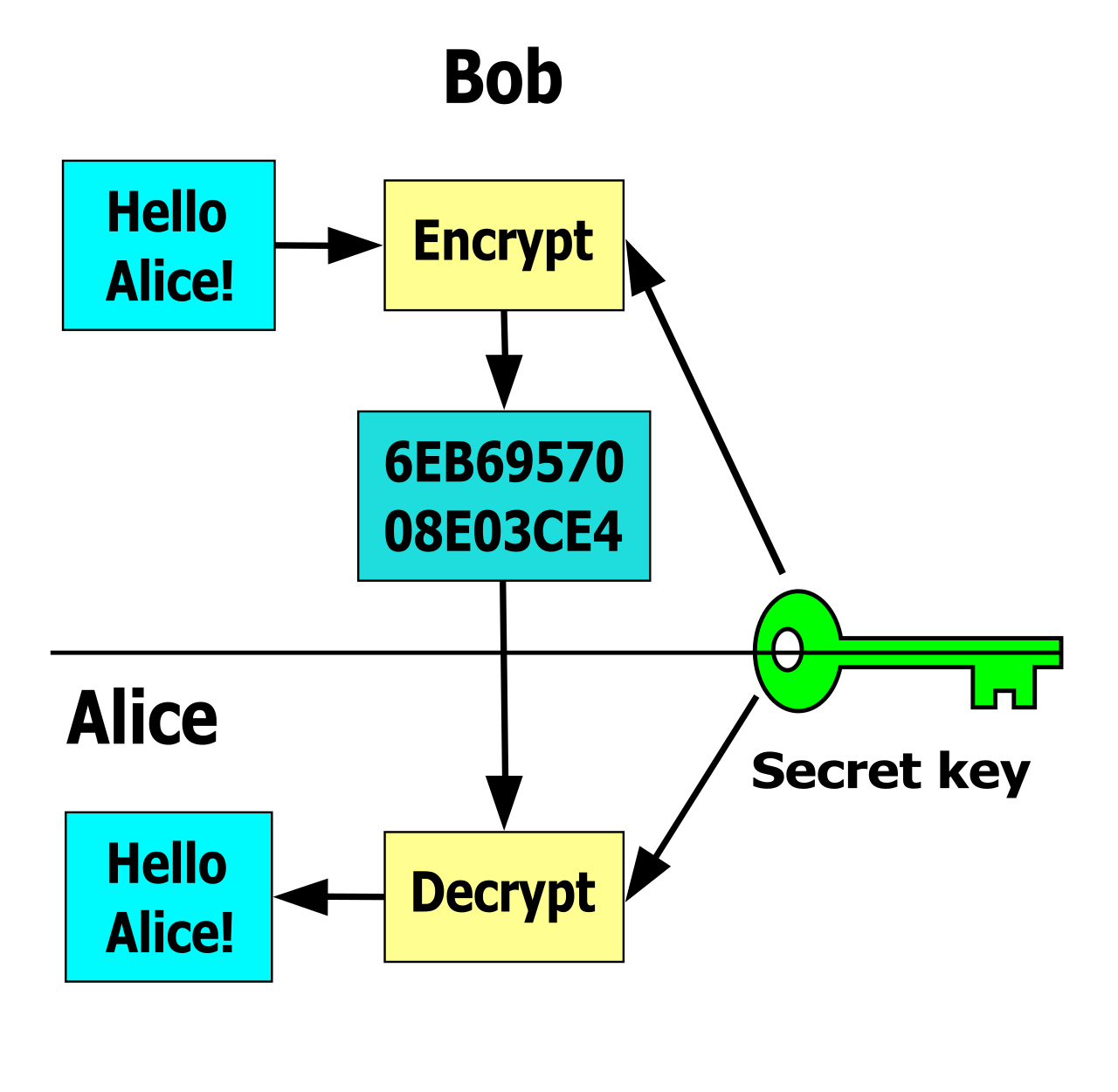
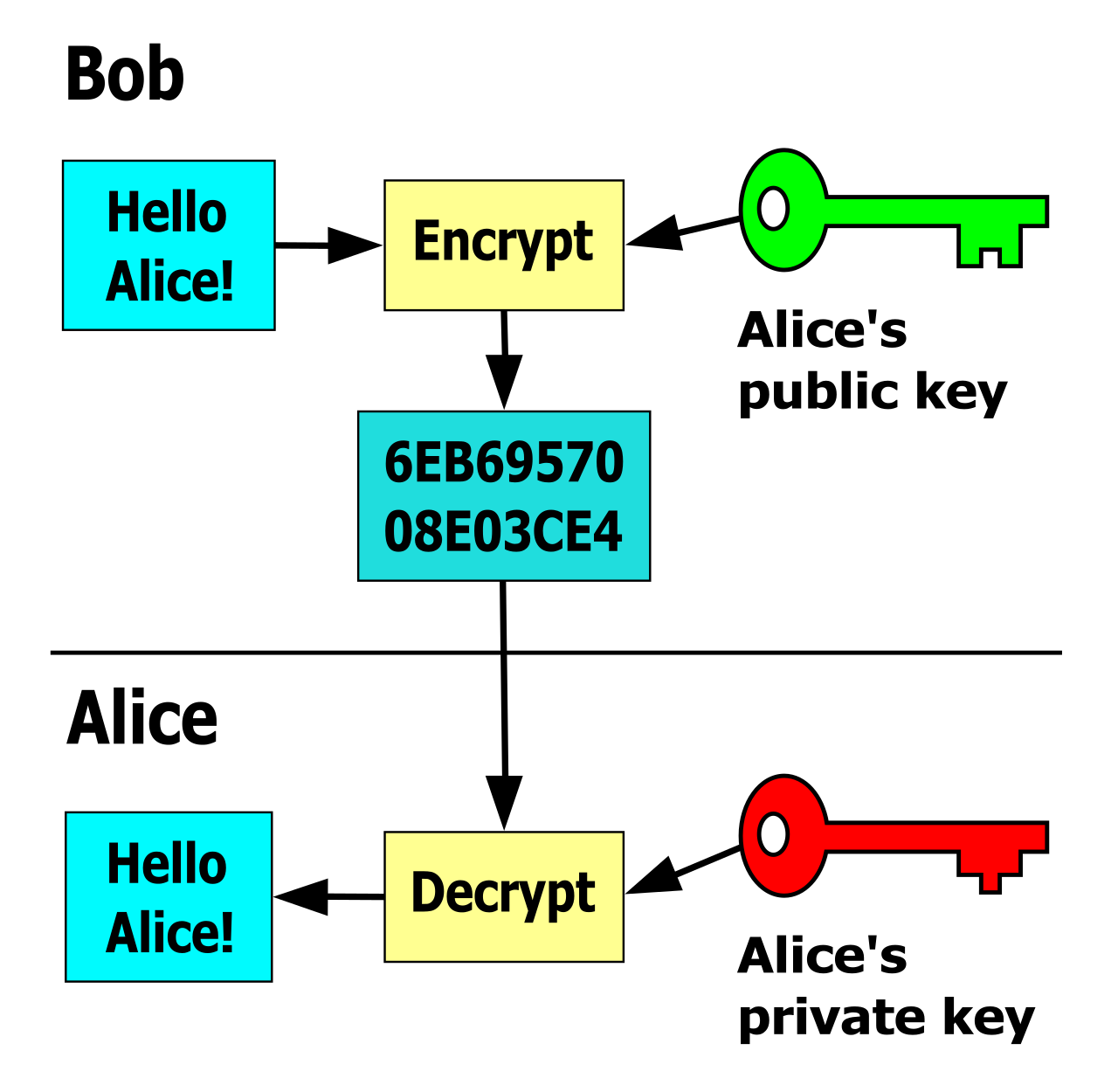
- To solve this, asymmetric encryption uses a public key for encryption and a mathematically linked private key for decryption. You can distribute your public key to the entire world. Anyone can use it to encrypt a message to you, but only you hold the private key necessary to decrypt it.
Hashing: The Fingerprint of Integrity
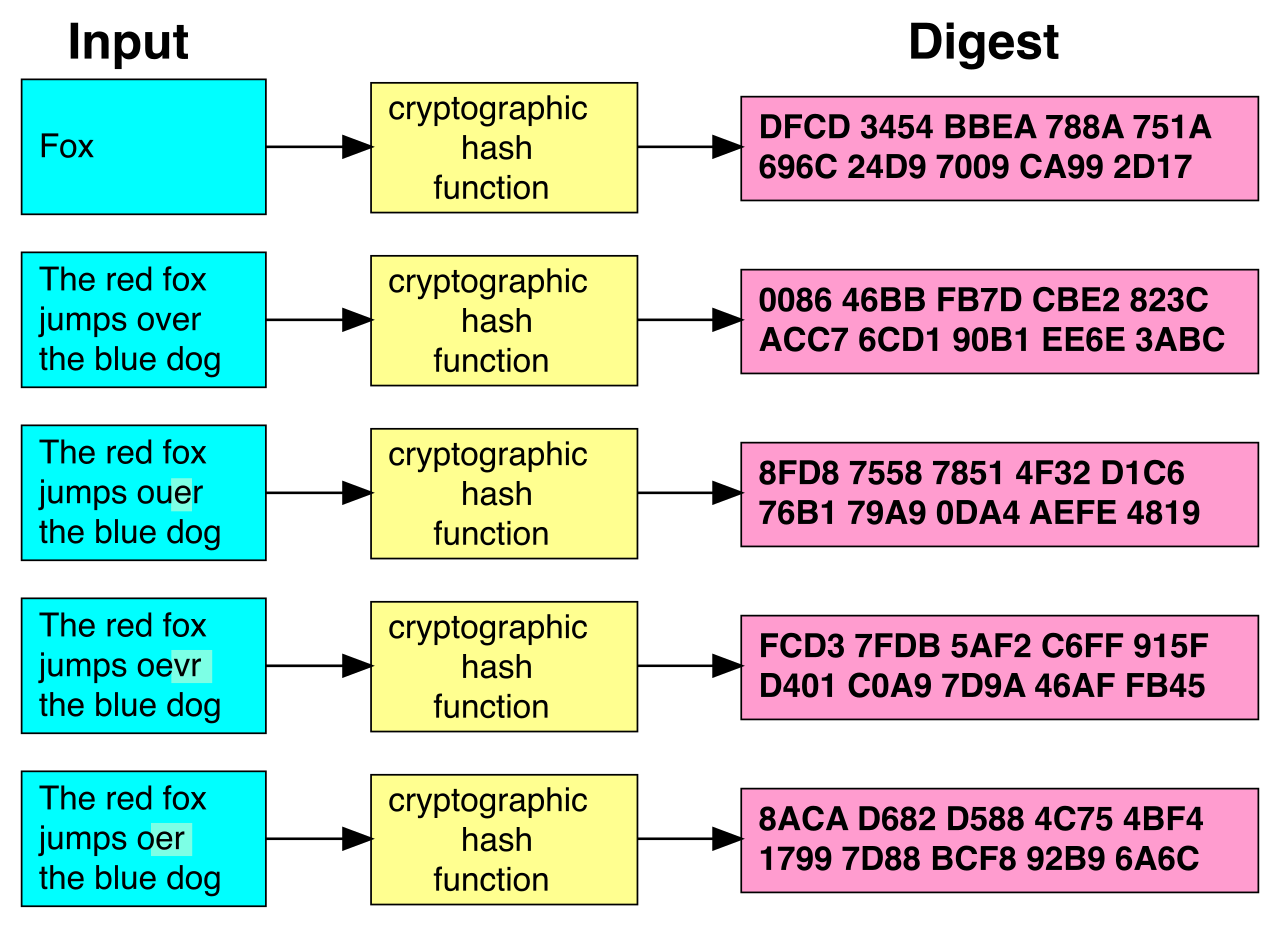
While encryption protects confidentiality (secrecy), hashing protects integrity (accuracy). Hashing converts variable-length input data into a fixed-length string of characters called a hash value.
Unlike encryption, which is designed to be reversed (decrypted), cryptographic hashing is a one-way mathematical function. This means hashing cannot be mathematically reversed to reveal the original input data. You cannot look at a hash value and work backward to reconstruct the document that created it.
So, why do we use it? Hashing is utilized to verify data integrity by ensuring the data has not been altered. If you download an operating system image, you want to be certain a hacker hasn't secretly injected malware into the file. Because of the mathematical properties of hashing, changing a single bit in an input file produces a completely different hash value. By comparing the hash value of your downloaded file against the hash value published by the vendor, you can mathematically prove the file is perfectly intact. Today, SHA-256 is a widely used cryptographic hashing algorithm for exactly this purpose.
Often in IT, personnel need to work with systems that contain sensitive data, without actually seeing the sensitive data itself.
Data Masking
Data masking obscures specific parts of sensitive information to protect it from unauthorized exposure. You see this in daily life: data masking is commonly used to display only the last four digits of a credit card number on a receipt.
Administrators deploy masking in two distinct ways:
- Static data masking creates a permanently sanitized copy of a database for use in non-production environments. If your software developers need real-world data to test a new application, you perform static masking to permanently overwrite the real names and SSNs with fake ones before handing the database over to the dev team.
- Dynamic data masking obscures sensitive information in real-time as a user accesses a production database. The underlying database retains the real, unmasked data, but a proxy intercepts the query and masks the output on the screen based on the user's permission level.
Tokenization
What if you run a business that processes credit cards, but you completely refuse to accept the legal liability of holding those credit card numbers on your servers?
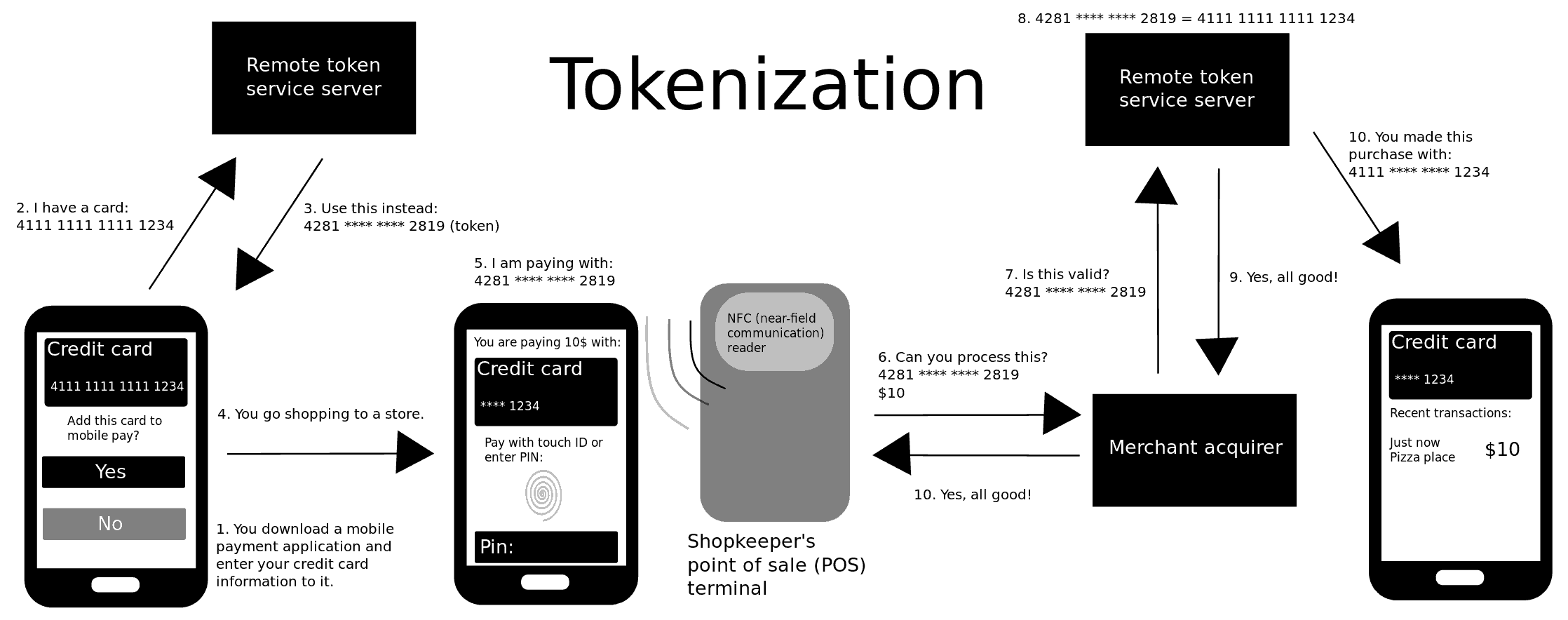
You use tokenization. Tokenization replaces sensitive data with a randomly generated string of characters called a token. Unlike an encrypted file—which contains the secret inside it, just locked by math—a token possesses no extrinsic or exploitable value if stolen by an attacker. It is simply a random placeholder.
How does the placeholder function? Behind the scenes, tokenization systems map the generated token back to the original sensitive data using a secure database. This heavily guarded, isolated server is isolated from normal business operations: the highly secured database storing the relationship between a token and original data is called a token vault.
Because the real data is locked entirely in the vault, payment card processing systems frequently use tokenization to avoid storing actual credit card numbers on point-of-sale terminals or e-commerce web servers. If a hacker breaches the web server, they steal nothing but millions of worthless, random alphanumeric tokens.
When organizations share vast datasets for research, analytics, or machine learning, they must strip out the identities of the human beings tied to that data. Security professionals use two distinct methods, and the difference between them is legally vital.
- Data anonymization permanently removes personally identifiable information from a dataset. The link between the data and the human is deliberately destroyed. Because the destruction is absolute, properly anonymized data cannot be reverse-engineered to identify an individual user.
- Data pseudonymization replaces directly identifying information with artificial identifiers. It hides the person's identity, but a master key or mapping table is kept somewhere safe. Therefore, pseudonymized data can be re-identified by mapping the artificial identifiers back to the original source.
Compliance Warning: Under privacy frameworks like the GDPR, pseudonymized data is still legally considered personal data because the capacity for re-identification exists. Truly anonymized data is generally exempt from privacy regulations because the human identity has been permanently erased.
Classifications and cryptographic protocols are highly effective, but humans remain the ultimate variable. Employees will attempt to email sensitive spreadsheets to their personal accounts, or download proprietary code they shouldn't. To combat this, administrators implement technical guardrails.
Data Loss Prevention (DLP) systems detect and block the unauthorized transfer of sensitive data outside an organization. A DLP agent monitoring an endpoint will actively inspect outbound emails, web uploads, or USB drive transfers. If it sees data matching the classification of "Restricted" (such as a string of Social Security Numbers), the DLP system instantly terminates the transfer and alerts the security operations center.
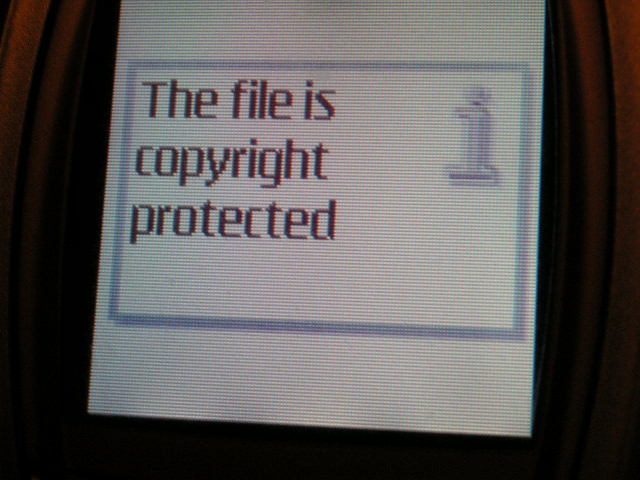
Once a document is legally and safely acquired by an authorized user, how do you control what they do with it? Digital Rights Management (DRM) enforces access policies on proprietary data or intellectual property. DRM travels with the file. Even if an employee legitimately downloads a confidential PDF, Digital Rights Management restricts user actions such as viewing, printing, or forwarding specific documents.
Finally, if data does leak, an organization must be able to prove ownership and identify the source of the leak. Digital watermarking embeds a hidden identifier into digital media to track ownership and unauthorized distribution. By weaving imperceptible patterns into the pixels of a video or the code of a document, administrators can trace exactly which user's account was used to steal and leak the asset.
As a security professional, you must master these concepts not as a list of abstract terms, but as an interconnected ecosystem. You classify the data so you know its worth; you track its state to know its vulnerabilities; you apply encryption, hashing, masking, or tokenization to strip attackers of their leverage; and you enforce strict boundaries using DLP and DRM. This is how order is maintained in the chaotic landscape of modern information technology.