Incident Response Activities
Not sure you’re ready?
Take the ~3-minute readiness diagnostic and see where you stand.
When an organization's central database begins rapidly encrypting its own files at 3:00 AM, the time for creative problem-solving has permanently passed. The difference between an organization that survives a catastrophic data breach and one that collapses into operational paralysis lies entirely in its pre-established architecture of response. Cybersecurity is governed by the immutable laws of physics and mathematics, but incident response is an exercise in applied operational discipline. It is the science of stopping the bleeding, understanding the weapon used, and ensuring the same wound cannot be inflicted twice.
The canonical framework for this discipline is defined by NIST Special Publication 800-61 Revision 2. This document outlines the standard four-phase incident response lifecycle, transforming a chaotic security event into a structured, manageable workflow. The four phases of the NIST incident response lifecycle are Preparation, Detection and Analysis, Containment Eradication and Recovery, and Post-Incident Activity. To master network defense, we must understand exactly how to navigate this lifecycle.
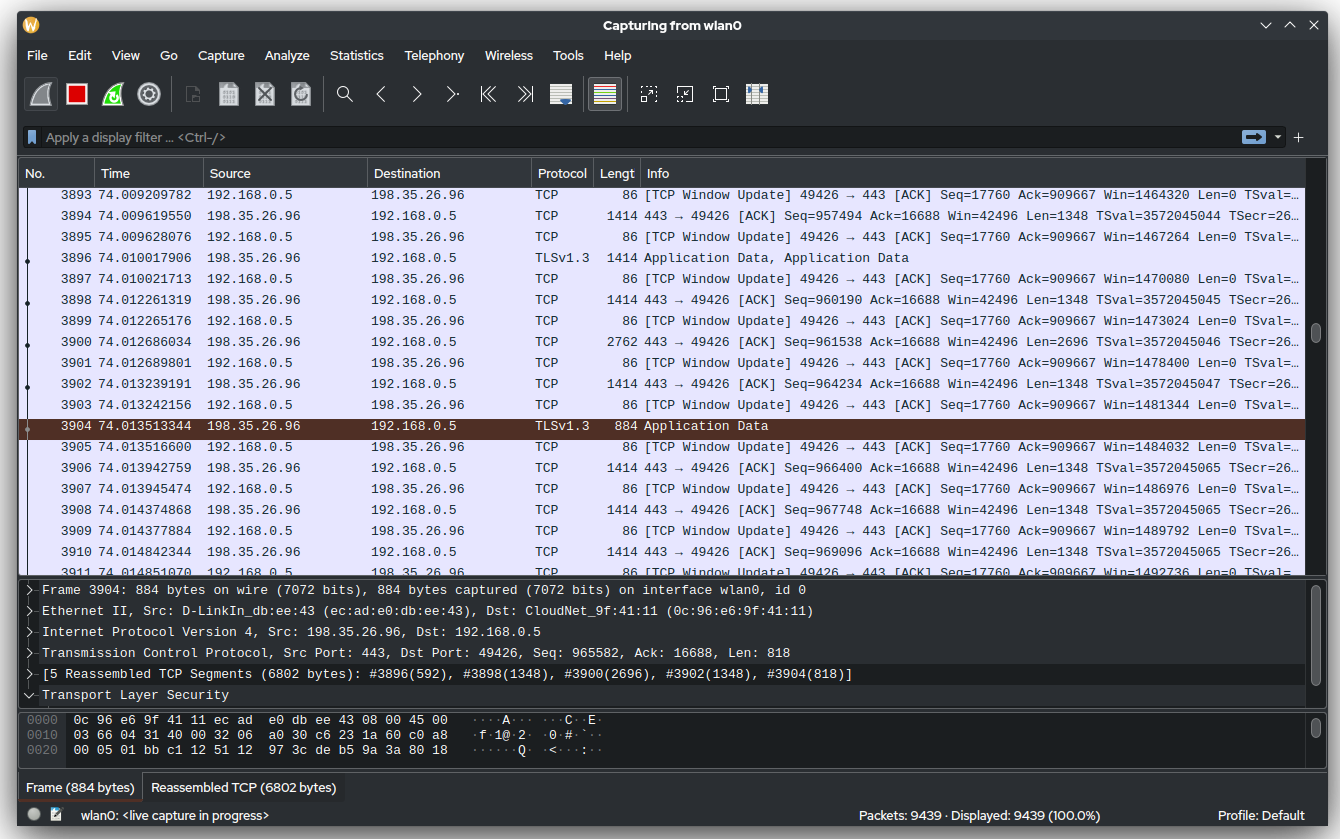
You cannot fight a fire if you haven't yet bought the hoses or decided who is allowed to turn on the water. The Preparation phase involves establishing an incident response capability to respond to security events effectively. This phase includes outfitting the response team with necessary tools, such as forensic software, isolated communication channels, and packet sniffers, as well as establishing the administrative bedrock of the operation.
This administrative bedrock begins with an incident response policy. This is a high-level management directive detailing the organization's commitment to handling security events—it dictates why incident response matters and guarantees executive backing. Beneath the policy sits the Incident Response Plan, a formal document outlining an organization's concrete approach to handling security incidents.
The Human Element: Teams and Leadership To execute the plan, organizations form a Computer Security Incident Response Team, commonly abbreviated as CSIRT. This is a dedicated group responsible for investigating and mitigating security breaches. The entire effort is orchestrated by the Incident Commander, the individual responsible for directing and coordinating the entire incident response effort.
Simultaneously, the organization must implement an incident communication plan. This designates authorized personnel to share incident details with internal staff and external entities (like the press or law enforcement). Why? Because when a breach happens, engineers need to focus on packets and logs, not fielding panicked calls from the media.
The Mechanics of Response: Playbooks vs. Runbooks
When the CSIRT springs into action, they rely on pre-written guides. It is crucial to distinguish between two types of documentation:
- Playbook: A playbook is a checklist of broad strategic actions to perform during a specific type of security incident (e.g., "Ransomware Playbook" or "DDoS Playbook"). It tells you what needs to be done.
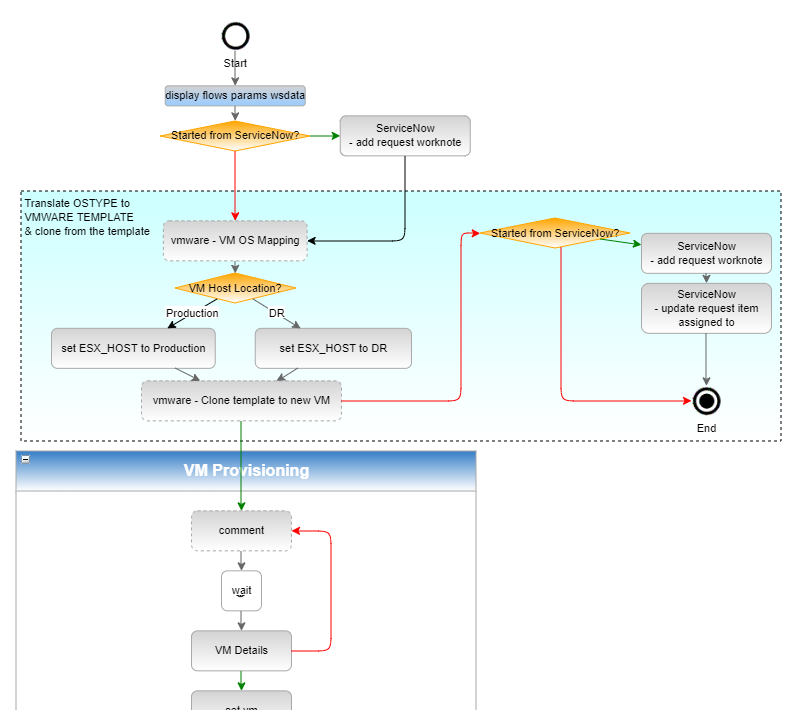
- Runbook: A runbook is a set of automated or manual technical steps designed to execute a specific task within a playbook. If the playbook says "Isolate the compromised server," the runbook provides the exact Command-Line Interface (CLI) commands or API calls required to do it.
Building Muscle Memory: Training Exercises
An untested plan is just a theory. The Preparation phase mandates rigorous testing to ensure readiness:
- Walkthrough: An incident response training exercise where team members review their specific roles and responsibilities step-by-step. It is a slow, methodical confirmation that everyone understands their job.
- Tabletop Exercises: These are discussion-based sessions where team members verbally walk through an incident scenario. Tabletop exercises evaluate the effectiveness of the incident response plan without impacting live production systems. It highlights logical gaps in the plan.
- Simulations: These are hands-on training exercises that test incident response capabilities against a simulated active threat. Simulations often involve technical action on isolated non-production networks to practice real-time defense tactics. This tests the team's ability to execute runbooks under pressure.
Modern networks generate millions of logs a day. The Detection and Analysis phase involves identifying potential security incidents from these various alerts and logs.
To separate normal network jitter from a targeted attack, analysts look for two specific types of evidence:
- Incident Precursor: An observable sign that a security incident may occur in the future. Think of this as an attacker "casing the joint." An example is a web server log showing a vulnerability scanner probing your application for weaknesses.
- Incident Indicator: An observable sign that a security incident may have occurred or may be occurring currently. This is the broken window. An example is an alert from your antivirus that a known Trojan has been executed in memory, or a sudden, massive outbound spike of encrypted data.
Once an incident is identified, the CSIRT cannot simply attack the problem blindly. They must perform incident triage, which categorizes and prioritizes detected incidents based on potential impact and urgency. A malware infection on a guest Wi-Fi laptop is an incident; a database administrator account suddenly downloading the entire customer registry is an emergency. Triage ensures the team focuses their firepower where it matters most.

NIST groups these three actions into a single phase because they are a tightly integrated, iterative loop.
Containment
The Containment phase focuses on preventing an ongoing incident from causing further damage to the computing environment. If a pipe bursts, you don't start mopping the floor while the water is still spraying—you shut off the valve.
Organizations employ two distinct containment timelines:
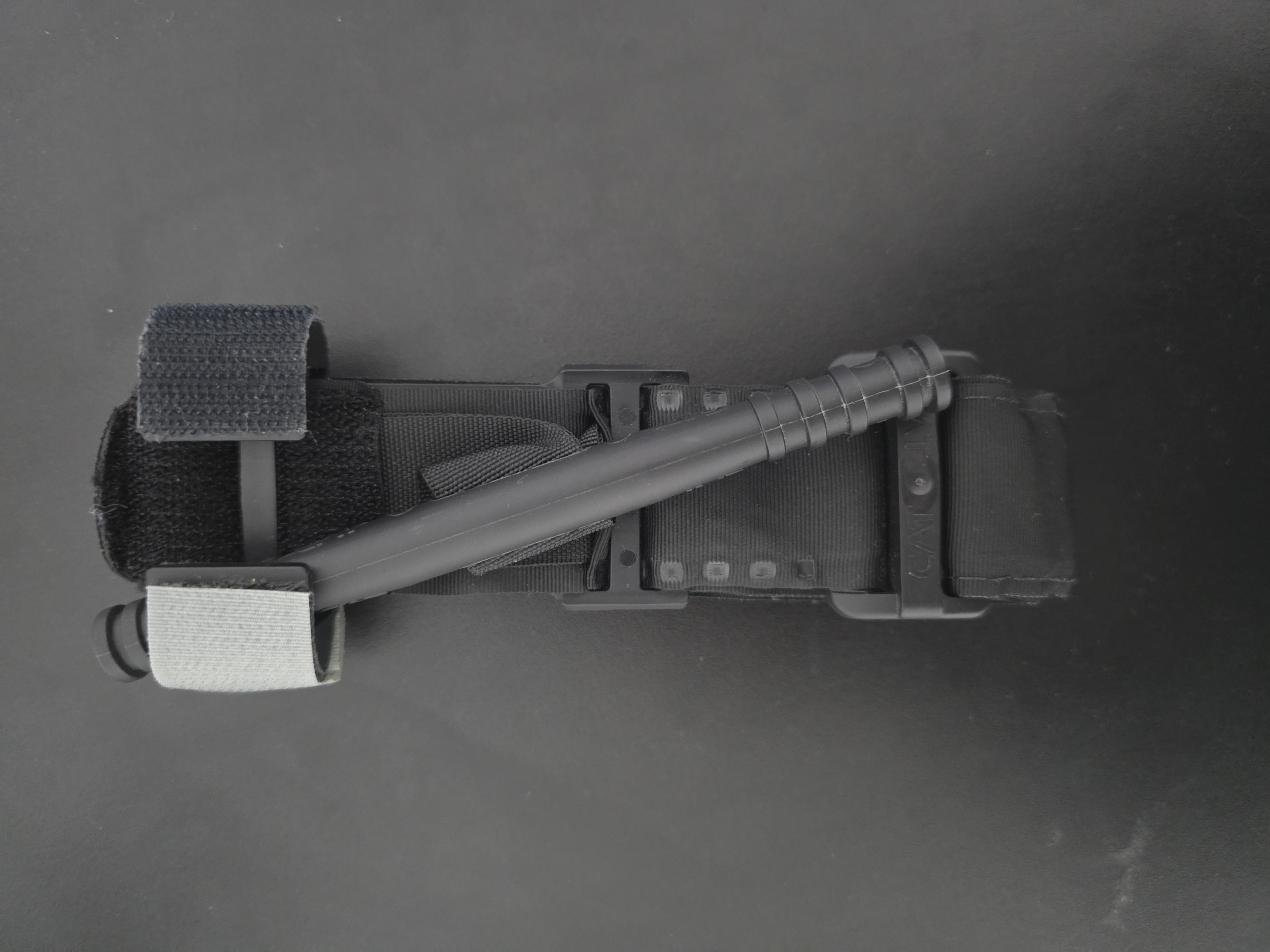
- Short-term containment: Isolates a compromised system immediately to stop the active spread of a threat. This is an operational tourniquet.
- Long-term containment: Allows an organization to keep a compromised system running in a restricted state while building a clean replacement. This is used when taking a critical system offline entirely would cause more business damage than the malware itself.
At the technical level, containment usually takes one of two forms:
- Network isolation: Disconnects a compromised device entirely from the network to prevent lateral movement by an attacker. The machine is essentially marooned.
- Network segmentation: Moves a compromised host to a quarantined network area to allow for forensic analysis. The device can still communicate, but only with secure forensic servers, preserving volatile data while protecting the broader network.
Eradication
Once the threat is boxed in, the Eradication phase involves eliminating components of the incident from the organization's network. Eradication without containment is futile—the attacker will simply re-infect you. Eradication tasks include deleting malware, disabling breached user accounts, and critically, patching the exploited vulnerability that allowed the attacker in the first place.
Recovery
With the environment sterilized, we move to the Recovery phase, which involves restoring impaired systems and devices back to normal business operations. System recovery includes restoring data from clean backups, rebuilding operating systems, and replacing compromised files.
The Recovery Trap: Continuous Monitoring The most dangerous moment in an incident is right after you believe it is over. Advanced persistent threats often leave subtle backdoors. Therefore, recovered systems must be continuously monitored to ensure the threat has been completely removed. Continuous monitoring during the Recovery phase confirms no reinfection occurs after systems are restored to the production environment.
Post-Incident Activity is the final phase of the NIST incident response lifecycle. The immediate crisis is over, but the work is not. The Post-Incident Activity phase focuses on learning from the completed incident to improve future response efforts.
The mechanism for this learning is the lessons learned meeting, which gathers stakeholders to review the incident timeline and identify areas for process improvement. Did our alerts fire fast enough? Did the runbooks actually work? Why did containment take two hours instead of twenty minutes?
Time is the enemy of memory. Therefore, NIST guidelines recommend holding a lessons learned meeting within a few days of resolving a major incident, while the events are still fresh in the minds of the CSIRT.
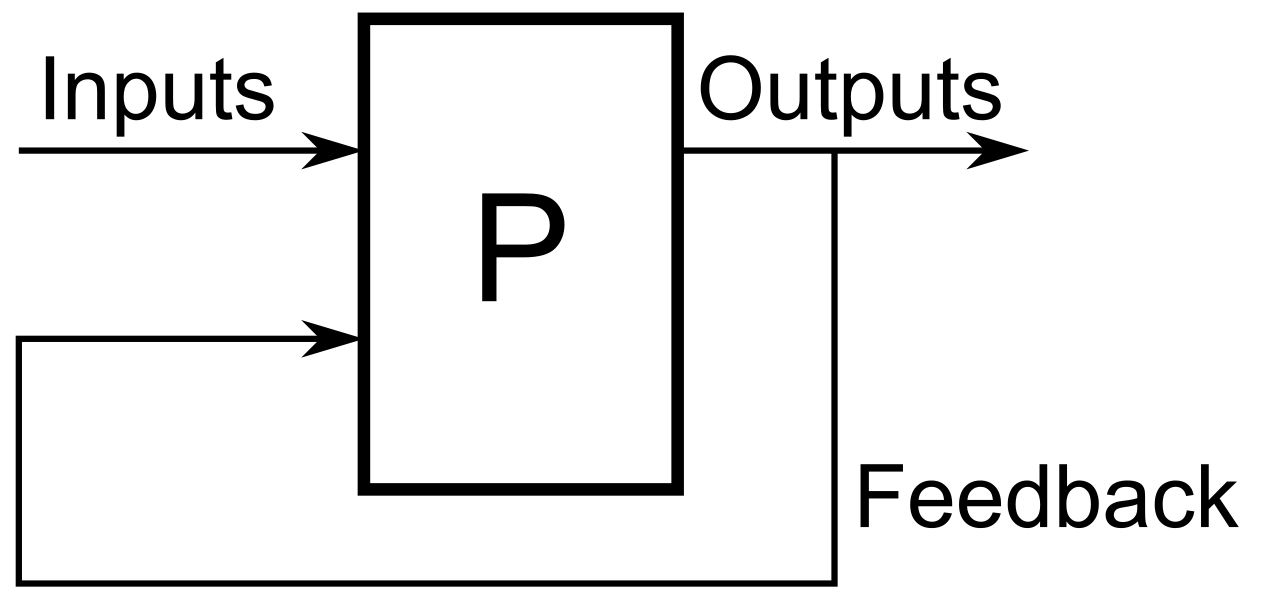
The ultimate output of this phase is actionable change. The findings from a lessons learned meeting are used to update the Incident Response Plan. This creates a feedback loop: an organization suffers an attack, mitigates it, learns from it, and directly injects those lessons back into the Preparation phase. By constantly refining the plan, the organization guarantees that an attacker will never be able to use the exact same methodology to breach them twice.