Elements of Effective Security Governance
Not sure you’re ready?
Take the ~3-minute readiness diagnostic and see where you stand.
Firewalls, intrusion detection systems, and encryption algorithms are the reinforced steel and concrete of a digital infrastructure. But without structural engineers, zoning laws, and a blueprint aligned with the building's ultimate purpose, you do not have a functional skyscraper—you merely have a highly secure pile of rubble. In the realm of cybersecurity, this structural blueprint is known as security governance. It is the comprehensive set of responsibilities and practices exercised by executive management and the board of directors. If you have ever wondered why a perfectly viable, technically sound security mechanism is rejected by leadership, the answer usually lies here: security governance ensures that the information security strategy strictly aligns with overall organizational business objectives. We do not secure networks simply to have secure networks; we secure them so the business can safely survive, operate, and generate revenue.
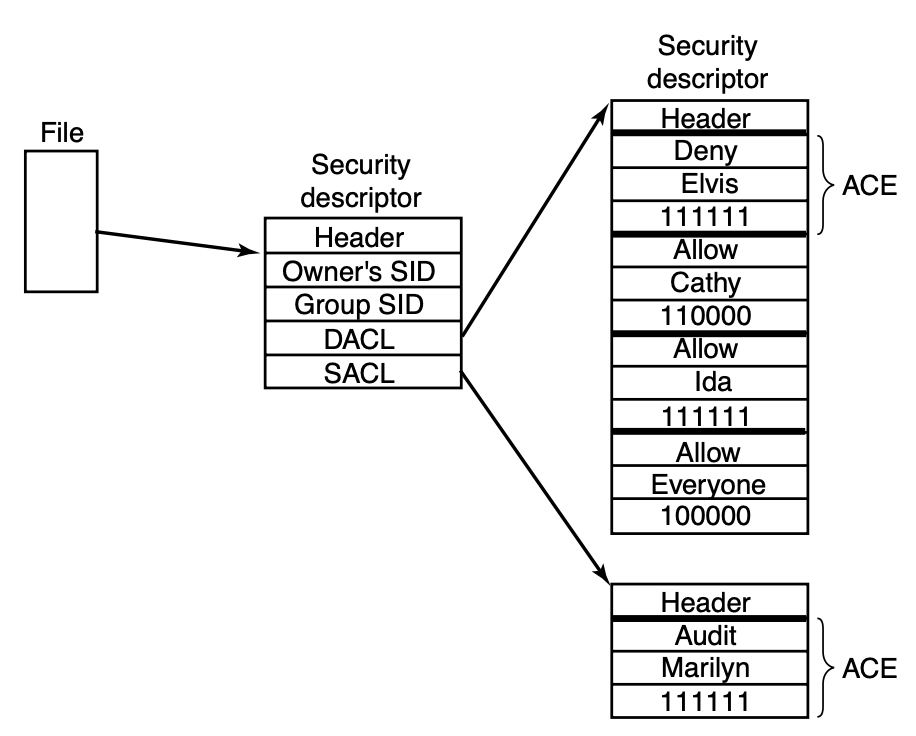
Understanding governance is what elevates a competent IT administrator into a strategic cybersecurity professional. You already know how to configure an access control list (ACL) or enforce a password complexity rule. Governance explains why that rule exists, who is legally liable if it fails, and what the organizational intent is behind the configuration.
Every technical control you implement—from a firewall rule dropping port 23 traffic to a Group Policy Object enforcing screen locks—is simply the technical manifestation of a written rule. That written rule is a security policy.
A security policy is a high-level, mandatory statement of management intent regarding the protection of organizational assets.
Policies do not contain step-by-step technical instructions. You will not find IP addresses or specific software versions in them. Instead, they provide the absolute, non-negotiable boundaries of behavior and expectation within the organization.
The Information Security Policy (ISP)
If a security policy is a single rule, the Information Security Policy is the constitution. An Information Security Policy defines the overarching rules and structural framework for protecting an organization's information systems. It dictates how the organization views security, how data is broadly categorized, and what baseline protections must exist.
You might assume that IT writes this policy. That is a common and dangerous misconception. If IT writes the ISP in a vacuum, the result is a technically perfect document that might violate local labor laws, ignore business workflows, or carry no legal weight. Therefore, drafting an Information Security Policy requires collaboration between executive management, legal, human resources, and IT departments.
- Executive Management ensures the policy aligns with business goals and secures funding.
- Legal ensures the policy does not violate regulations and provides a basis for prosecution if a breach occurs.
- Human Resources ensures the policy respects employee rights and establishes a clear framework for disciplinary action.
- IT ensures the policy is technically feasible and can actually be implemented in the real world.
The Acceptable Use Policy (AUP)
While the ISP is a structural framework directed largely at the organization, the Acceptable Use Policy (AUP) is directed precisely at the end-user. The human element is notoriously the weakest link in any cryptographic or defensive system. The AUP is how governance attempts to secure that human element.
An Acceptable Use Policy dictates the permitted and prohibited behaviors for users interacting with organizational technology assets. It tells users whether they can check personal email on a company laptop, what websites they are forbidden from browsing, and whether they can connect a personal USB drive to a workstation.
To be effective—and to give Human Resources the authority to fire a malicious or negligent insider—an Acceptable Use Policy explicitly specifies the penalties and disciplinary actions for violating organizational technology rules. A rule without a stated penalty is merely a suggestion. Furthermore, employees must officially acknowledge and agree to the Acceptable Use Policy before receiving access to corporate networks. This is why, when you provision a new user account, their first login is often greeted by a mandatory splash screen requiring them to read and click "I Agree." By doing this, the organization strips away the defense of ignorance.
In your daily work managing operating systems and security protocols, you are constantly making decisions about data. Who gets access to the HR share drive? How often should the SQL database be backed up?
In a poorly governed organization, IT administrators make these decisions based on guesswork. In a mature organization, these decisions are strictly divided between two vital roles: the "decider" and the "doer."
The Data Owner: The Decider
Imagine a bank. The bank manager decides how much cash belongs in the vault, who is authorized to withdraw it, and what level of risk the bank is willing to accept. The bank manager does not personally lubricate the vault hinges or calibrate the biometric scanner.
In cybersecurity, the bank manager is the data owner. A data owner is typically a senior executive with ultimate legal and financial responsibility for a specific organizational dataset. For example, the Vice President of Human Resources is the data owner for employee payroll records.
- The data owner holds the sole responsibility for determining the appropriate security classification level (e.g., Public, Confidential, Top Secret) for a specific set of information.
- The data owner dictates the specific access rights and approves authorized users for organizational information assets.
If a user submits a ticket asking for access to a restricted financial database, the IT administrator does not approve it. The IT administrator routes the request to the data owner. The owner owns the risk; therefore, the owner makes the rules.
The Data Custodian: The Doer
If the data owner is the bank manager, the data custodian is the vault technician. The technician understands the mechanics of the lock, maintains the cameras, and ensures the alarms function correctly.
A data custodian is responsible for the daily, routine maintenance and technical protection of information assets. This is where your daily reality comes into play: information technology administrators and systems engineers typically fulfill the role of the data custodian within an organization.
As a custodian, your job is operational execution, not policy creation. The data custodian strictly implements the security controls and access restrictions mandated by the data owner. If the data owner classifies a folder as "Confidential" and specifies that only the finance team can read it, the custodian goes into Windows Server, configures the NTFS permissions, and applies the encryption.
To maintain the integrity and availability of this data, data custodians perform operational tasks including executing data backups, performing system restorations, and applying database patches.
| Role | Responsibility Focus | Typical Persona | Example Action |
|---|---|---|---|
| Data Owner | Legal/Financial Liability, Classification, Access Approval | Senior Executive (VP of Sales, Head of HR) | Decides customer data is "Confidential" and approves who can view it. |
| Data Custodian | Technical Implementation, Maintenance, Security | IT Admin, Database Admin, Security Engineer | Configures the firewall and runs nightly backups of the customer database. |
When you begin managing networks that span across state or international borders, governance shifts from internal policies to external, legally binding privacy frameworks. Laws like the European Union's General Data Protection Regulation (GDPR) or the California Consumer Privacy Act (CCPA) force organizations to strictly define how they handle the personal data of private citizens.
These laws introduce a distinct set of roles that dictate who is ultimately liable when a data breach occurs.
Data Controllers vs. Data Processors
Let us say your company runs a popular e-commerce application. Users give you their names, addresses, and credit card numbers so they can buy your products.
In this scenario, your company is the data controller. A data controller is the specific entity that determines the exact purposes and means of processing personal data. Because you decided to build the app, and you decided to collect this specific data to sell a product, the data controller holds the primary legal liability for ensuring that personal data is collected and processed lawfully. If the data is breached, the public and the government will point their fingers directly at you.
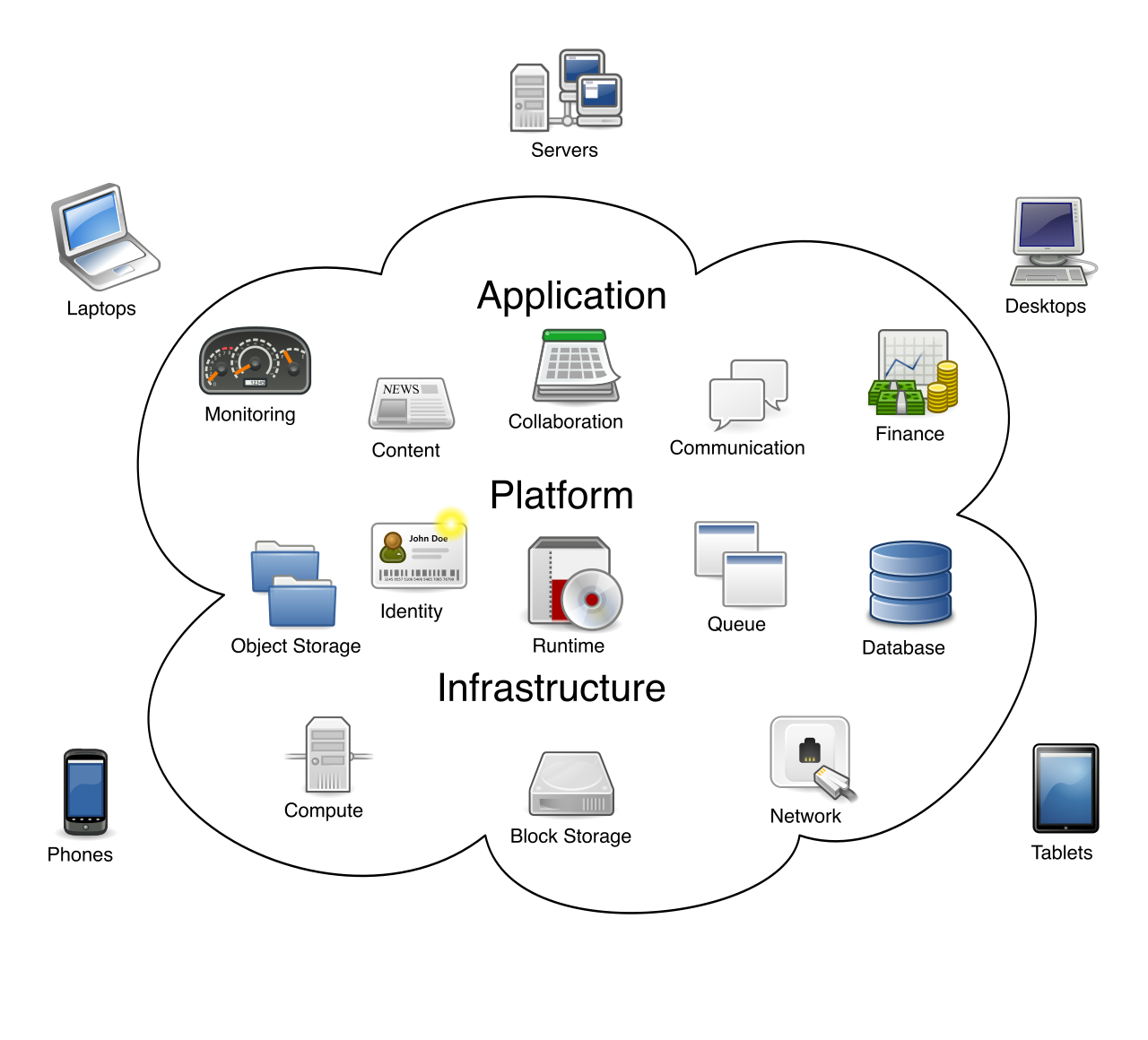
However, your e-commerce company probably does not own its own physical servers. You likely rent infrastructure from Amazon Web Services (AWS), Microsoft Azure, or Google Cloud. Those cloud providers are storing and computing the data on your behalf.
This makes the cloud provider the data processor. A data processor is a distinct entity that processes personal data exclusively on behalf of and instructed by the data controller. Third-party cloud service providers hosting customer information typically operate in the legal role of a data processor.
If AWS is acting as your data processor, they are not allowed to look at your customer data, sell it, or use it for their own advertising. They merely provide the engine; the data controller steers the car.
The Data Protection Officer (DPO)
With the massive financial penalties associated with privacy laws, organizations cannot rely solely on the IT department to ensure legal compliance. They require a dedicated overseer who acts as an independent auditor and champion of privacy within the company.
A Data Protection Officer (DPO) is an independent organizational role responsible for ensuring compliance with applicable data privacy laws. The DPO does not report to the Chief Information Officer (CIO) or the IT director, because they must be free to audit IT systems and report violations without fear of retaliation. They often report directly to the board of directors.
This role is not always optional. The General Data Protection Regulation (GDPR) legally mandates the appointment of a Data Protection Officer for organizations conducting large-scale data monitoring. If your organization routinely tracks the locations, behaviors, or health records of thousands of citizens, having a DPO is a strict legal requirement.
Understanding governance is recognizing that technology is merely a tool used to execute human intent. As an aspiring cybersecurity professional, mastering the configuration of a firewall or an endpoint detection system is only half of the equation.
The Information Security and Acceptable Use policies tell you what to defend and how users must behave. The data owners give you the specific authorization to apply protections, while you act as the data custodian, maintaining the technical reality of those protections. And as data flows out into the cloud, knowing the boundaries between controllers, processors, and the oversight of a Data Protection Officer ensures that your technical designs keep your organization legally solvent.
When you understand the governance blueprint, you stop merely connecting wires and begin architecting a defensible, resilient enterprise.