Alert Response and Security Tools
Not sure you’re ready?
Take the ~3-minute readiness diagnostic and see where you stand.
Imagine trying to understand a complex symphony by listening to each instrument in a separate, soundproof room. You hear a violin play a rapid sequence, a timpani strike, a sudden blast from a trumpet—but without bringing them together, the underlying musical structure remains invisible. The conductor, however, sees the entire score and understands how these isolated sounds interact to create a unified piece. Enterprise computer networks operate in exactly this way. Firewalls, switches, endpoints, and servers constantly generate isolated bursts of data. A single failed login on a workstation means very little in isolation, but paired with a massive outbound data transfer three minutes later from the same host, it reveals a breach in progress. To defend a complex infrastructure, we must build a system capable of conducting the network—utilizing specialized security tools to aggregate, translate, track, and respond to these disparate signals before a minor anomaly cascades into a total compromise.

To achieve true visibility, we must first pull all of our data into a central repository. A Security Information and Event Management (SIEM) system aggregates logs from multiple network systems, such as enterprise routers and domain controllers, while simultaneously ensuring the SIEM system aggregates logs from multiple security devices, including firewalls and intrusion detection sensors.
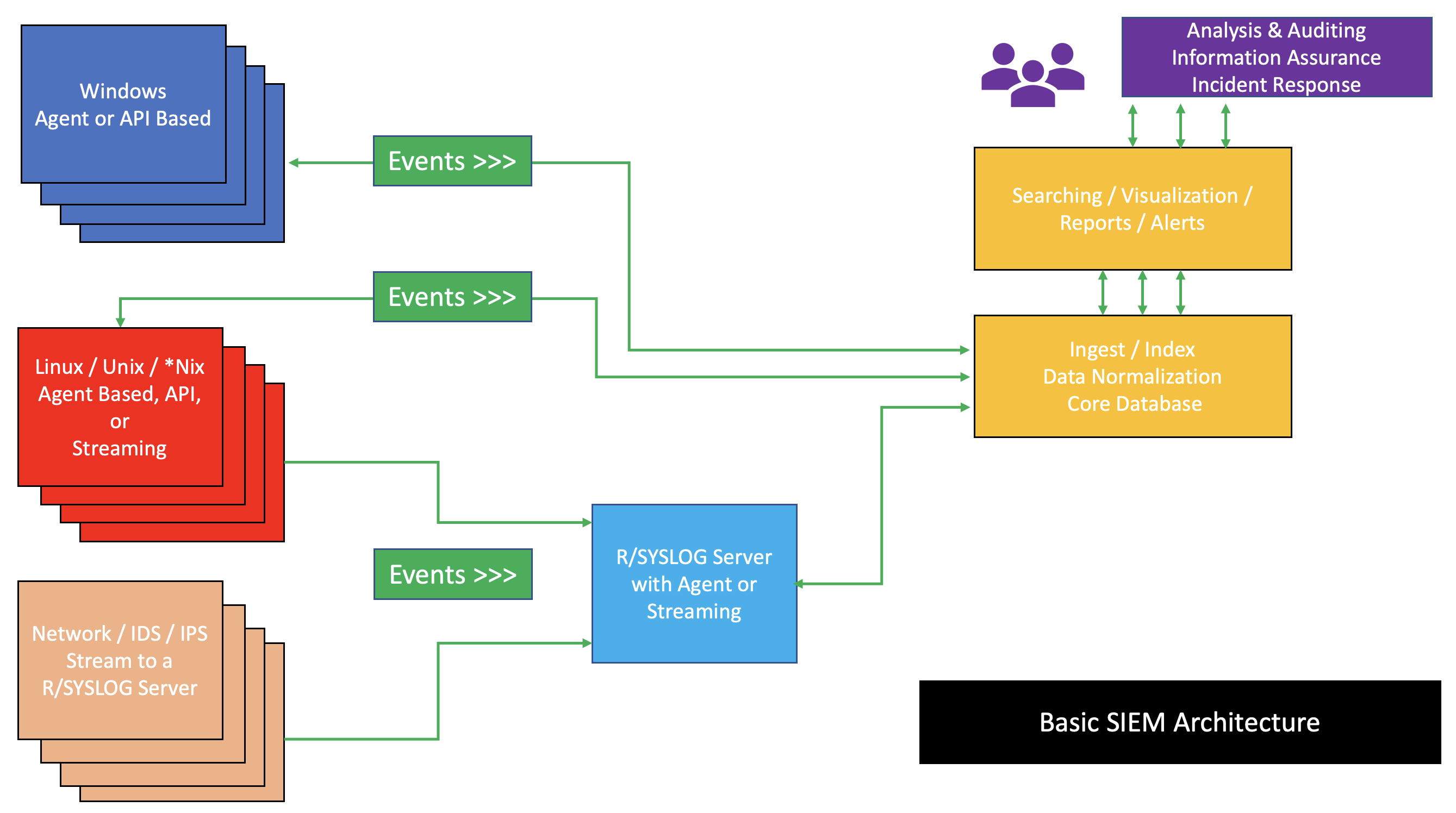
However, raw aggregation creates an overwhelming volume of noise. A single port scan might generate ten thousand identical firewall drops in a minute. To manage this physics problem, SIEM data deduplication reduces storage requirements by removing identical log entries, distilling those ten thousand drops into a single event that simply reads: 10,000 packets dropped from IP 192.168.1.5.
With the data aggregated and compressed, the real analytical work begins. SIEM correlation engines link disparate events to identify complex attack patterns. For example, the engine might correlate an intrusion detection alert with an active directory login anomaly to flag a lateral movement attempt.
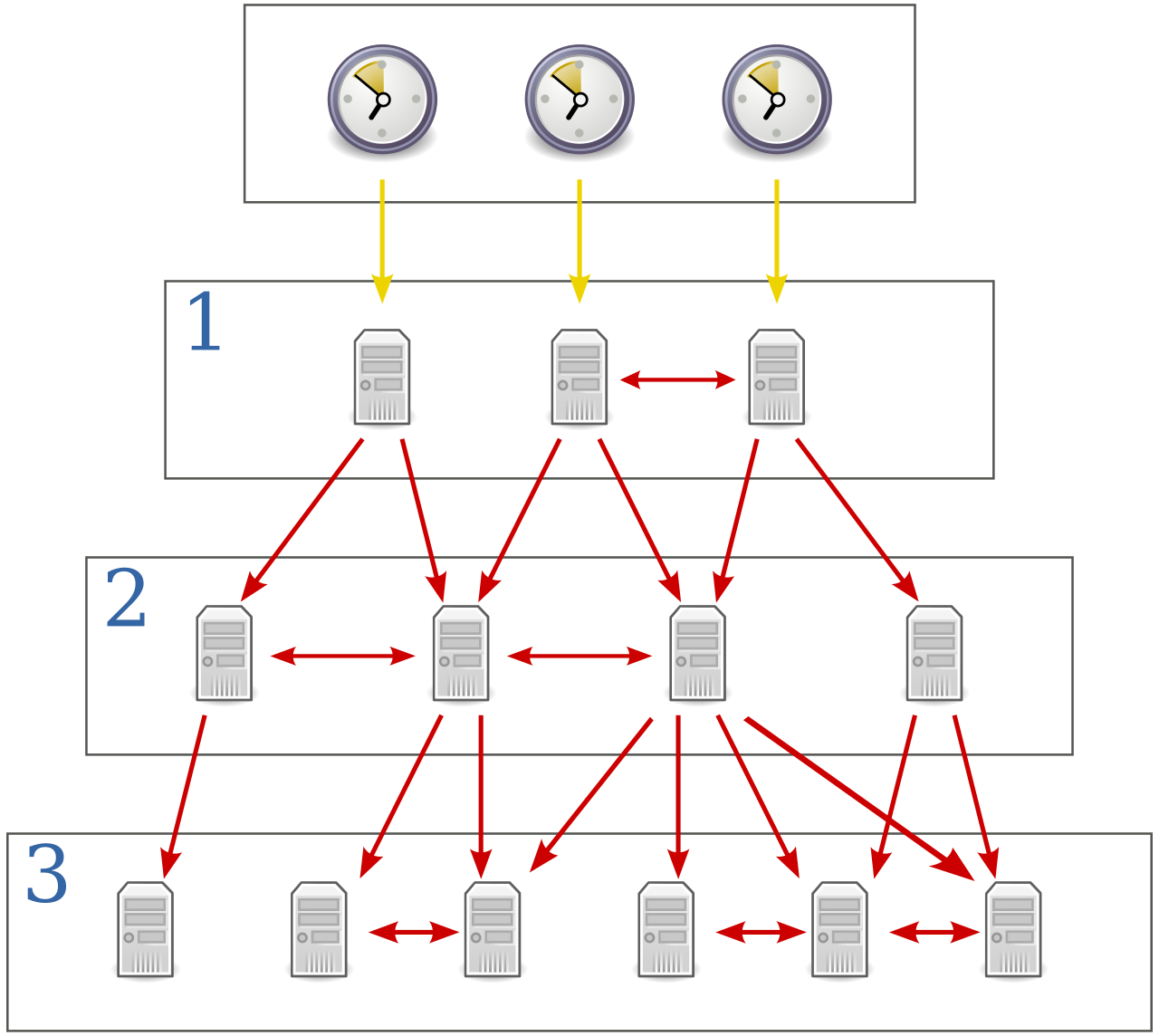
The Criticality of Time If a router's clock is five minutes faster than a database server's clock, the SIEM might deduce that a user downloaded a database file before they logged in—destroying causality. Therefore, strict time synchronization using the Network Time Protocol (NTP) is required for accurate SIEM log correlation.
To make this immense amount of correlated data digestible for human analysts, SIEM dashboards provide graphical representations of security event data, mapping out geographical threat origins or spiking traffic volumes. Because administrators cannot stare at dashboards indefinitely, SIEM alerts notify administrators when predefined security thresholds are crossed. This capability is foundational to modern defense, as SIEM automated alerting enables rapid incident response to potential security breaches.
Finally, when an incident does occur, logs become forensic evidence. Attackers frequently attempt to cover their tracks by altering or deleting log files. To preserve the absolute truth of what transpired, Write Once Read Many (WORM) storage prevents tampering with historical SIEM logs, ensuring that once an event is written, it is cryptographically or physically locked from modification.

If a SIEM is to aggregate data effectively, the tools feeding it must speak the same language. Historically, a vulnerability scanner made by Vendor A would identify a missing patch entirely differently than an endpoint agent made by Vendor B.
To solve this, the National Institute of Standards and Technology (NIST) maintains the Security Content Automation Protocol (SCAP) standards. The Security Content Automation Protocol (SCAP) is a suite of specifications that standardize the format of security information.
SCAP is highly operational. By establishing a universal syntax, the Security Content Automation Protocol (SCAP) automates vulnerability checking on enterprise systems and simultaneously automates security policy compliance evaluation on enterprise systems.
To achieve this, SCAP relies on several foundational dictionary and language components:
- The Open Vulnerability and Assessment Language (OVAL) is a core component of the Security Content Automation Protocol (SCAP). It provides the exact XML-based language used to describe the security state of a system and check for the presence of vulnerabilities.
- When a specific vulnerability is found, it must be universally identifiable. Common Vulnerabilities and Exposures (CVE) provides standardized names for vulnerabilities within the Security Content Automation Protocol (SCAP), allowing disparate tools to seamlessly reference the same exact flaw (e.g., CVE-2021-44228).
Network-level visibility must be matched by host-level scrutiny. The traditional frontline defense on the host is the antivirus agent, which uses three distinct mechanisms to catch malicious software as it evolves.
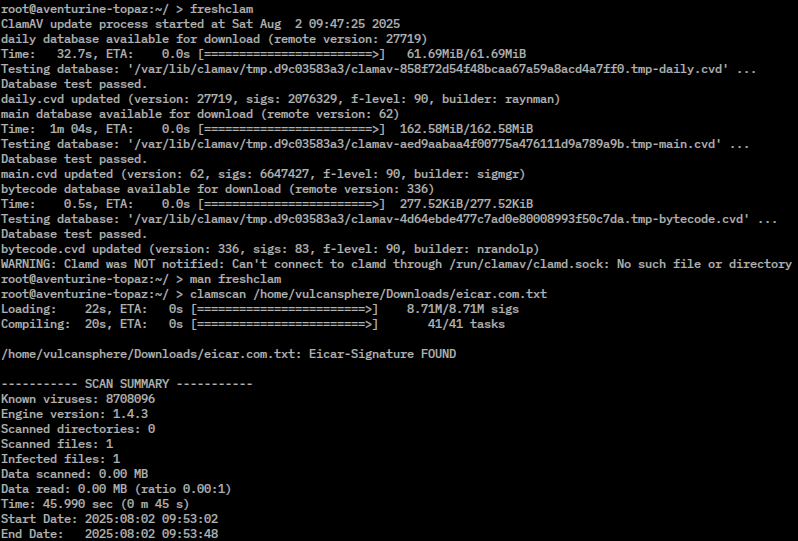
- Signature Analysis: Traditional antivirus software scans files for known malicious signatures, comparing file hashes or byte sequences against a static database of known bad files.
- Heuristic Analysis: Because attackers constantly mutate malware to change its signature, antivirus heuristic analysis identifies new malware by examining code for suspicious characteristics before it runs, looking for indicators like unexpected packer routines or commands attempting to modify the registry.
- Behavioral Analysis: If the file executes, antivirus behavioral analysis monitors active processes for unauthorized actions, shutting down a program if it suddenly begins encrypting the entire
C:\drive, regardless of what its signature looked like.
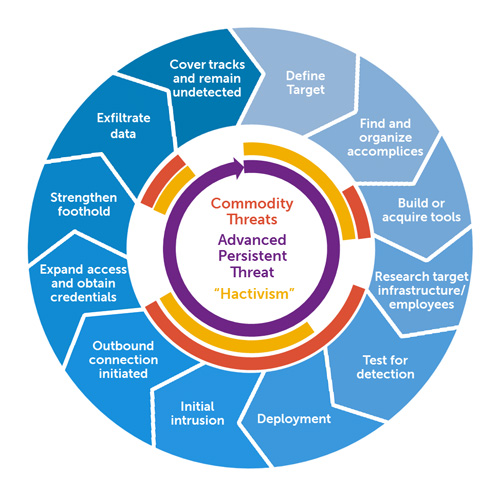
As networks grew more complex, traditional antivirus proved insufficient for tracking advanced persistent threats. This led to the creation of Endpoint Detection and Response. Endpoint Detection and Response (EDR) provides continuous security monitoring capabilities on host devices, acting effectively as a flight data recorder for the operating system. When anomalous behavior occurs, Endpoint Detection and Response (EDR) provides automated threat response capabilities on host devices, such as instantly isolating an infected machine from the network to prevent lateral movement.
While EDR protects the machine, we must utilize specialized tools to protect the data itself. Data Loss Prevention (DLP) systems inspect data to prevent unauthorized transfer of sensitive information.
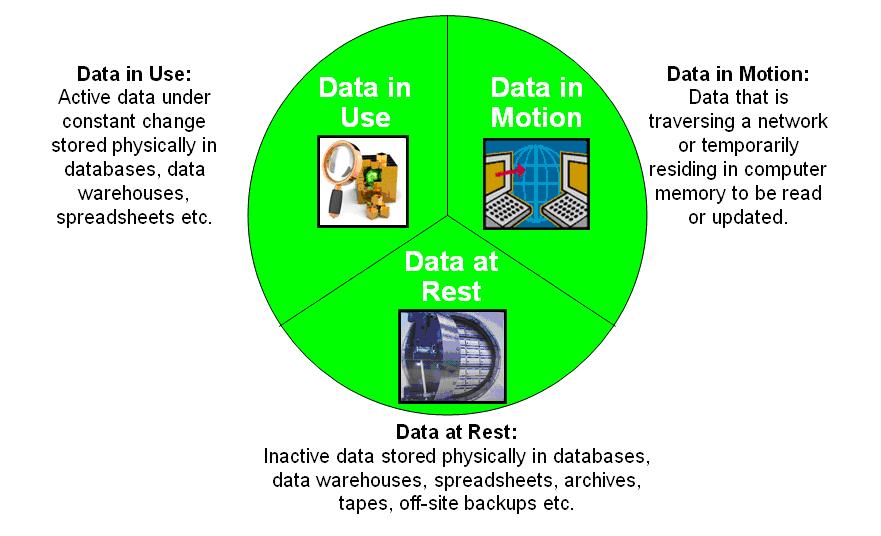
To identify what is sensitive, Data Loss Prevention (DLP) systems use regular expressions to detect formatted data like credit card numbers, Social Security numbers, or specific proprietary project codes. DLP is deployed across three distinct operational states:
| State of Data | DLP Deployment | Function |
|---|---|---|
| Data in Motion | Network Data Loss Prevention (DLP) | Monitors data in motion across enterprise network boundaries, inspecting outbound emails and web uploads to catch sensitive data leaving the environment. |
| Data in Use | Endpoint Data Loss Prevention (DLP) | Monitors data in use on user workstations. A prime example of this is how it blocks unauthorized USB storage devices from copying confidential files. |
| Data at Rest | Storage Data Loss Prevention (DLP) | Scans data at rest for sensitive information, continuously crawling file shares, databases, and cloud storage to ensure proprietary data is not sitting in unprotected, public-facing directories. |
Finally, we must monitor the physical and logical infrastructure that carries this data. Network devices—routers, switches, and UPS systems—use specialized protocols to report their health and traffic flows.
Immediate State Changes: SNMP Traps
Network administrators typically poll devices for status updates using the Simple Network Management Protocol (SNMP). However, if a core switch loses a power supply, it cannot wait to be polled. Simple Network Management Protocol (SNMP) traps are unsolicited messages sent from managed devices to a central management station. These traps are critical because they immediately alert network administrators to critical state changes.
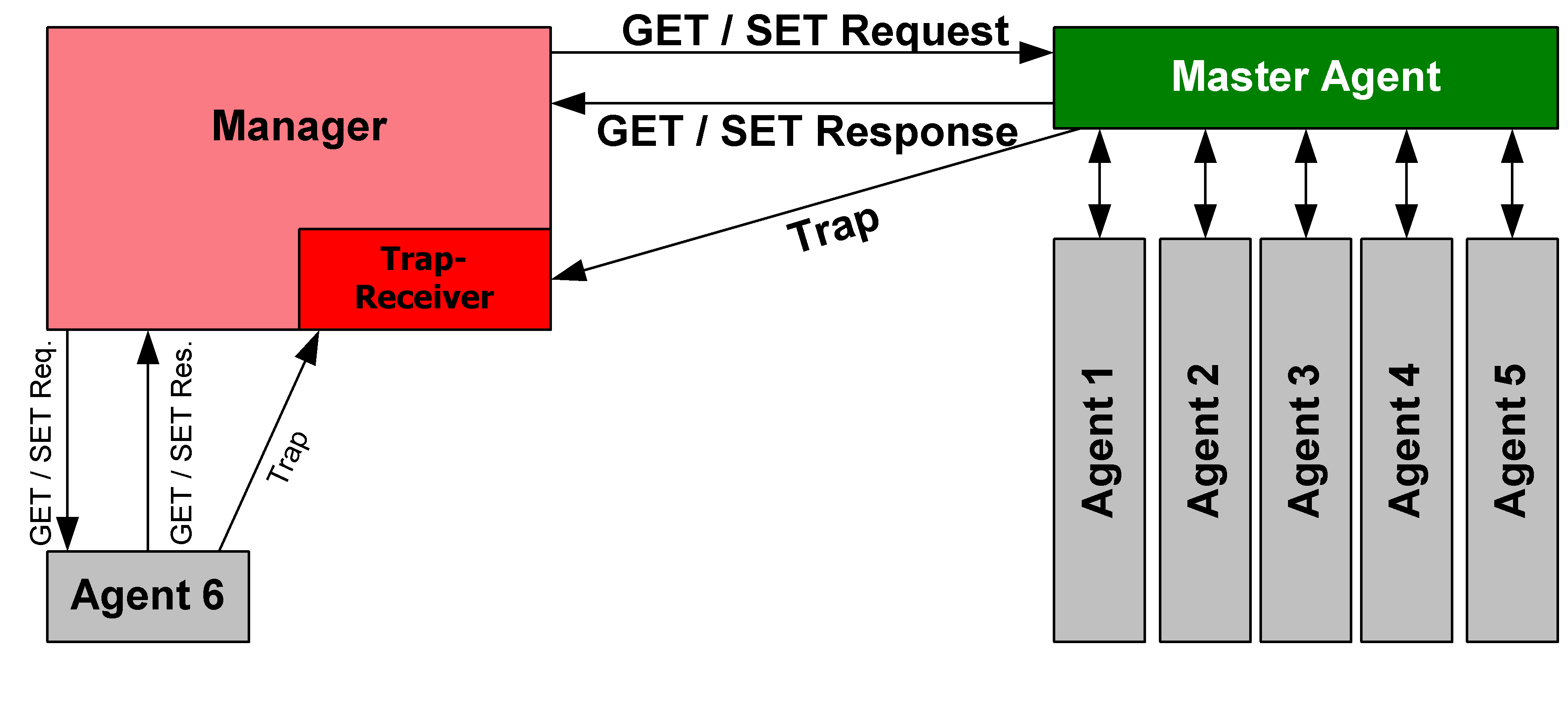
Securing SNMP is vital, as early versions of the protocol are inherently flawed. Simple Network Management Protocol version 1 (SNMPv1) sends community strings in cleartext, and similarly, Simple Network Management Protocol version 2c (SNMPv2c) sends community strings in cleartext. If an attacker intercepts these cleartext strings, they gain the ability to reconfigure or shut down enterprise routing equipment. The modern standard, Simple Network Management Protocol version 3 (SNMPv3), provides authentication for network management traffic and provides encryption for network management traffic, rendering interception useless.
Traffic Flow and Volume: NetFlow
If SNMP tells us about the health of the hardware, flow protocols tell us about the nature of the traffic moving through it. You do not always need to open a letter to know what is happening; often, reading the to/from addresses on the envelopes tells the whole story.
NetFlow is a network protocol used to collect IP traffic information. It acts like a phone bill for the network, tracking who called whom, when, and for how long. Crucially, NetFlow monitors network traffic without capturing data payloads, making it highly efficient. Instead of storing massive amounts of data, the protocol logs specific metadata. To build a complete picture of a conversation, NetFlow records log the source IP addresses of network sessions, along with the destination IP addresses of network sessions. It also captures the application-level details, meaning NetFlow records log the source ports of network sessions and the destination ports of network sessions.
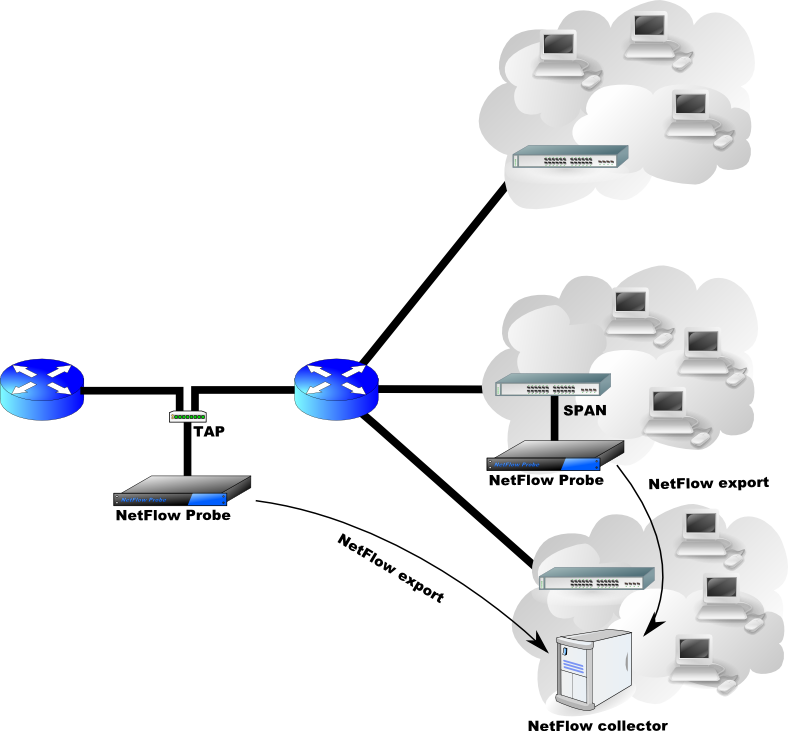
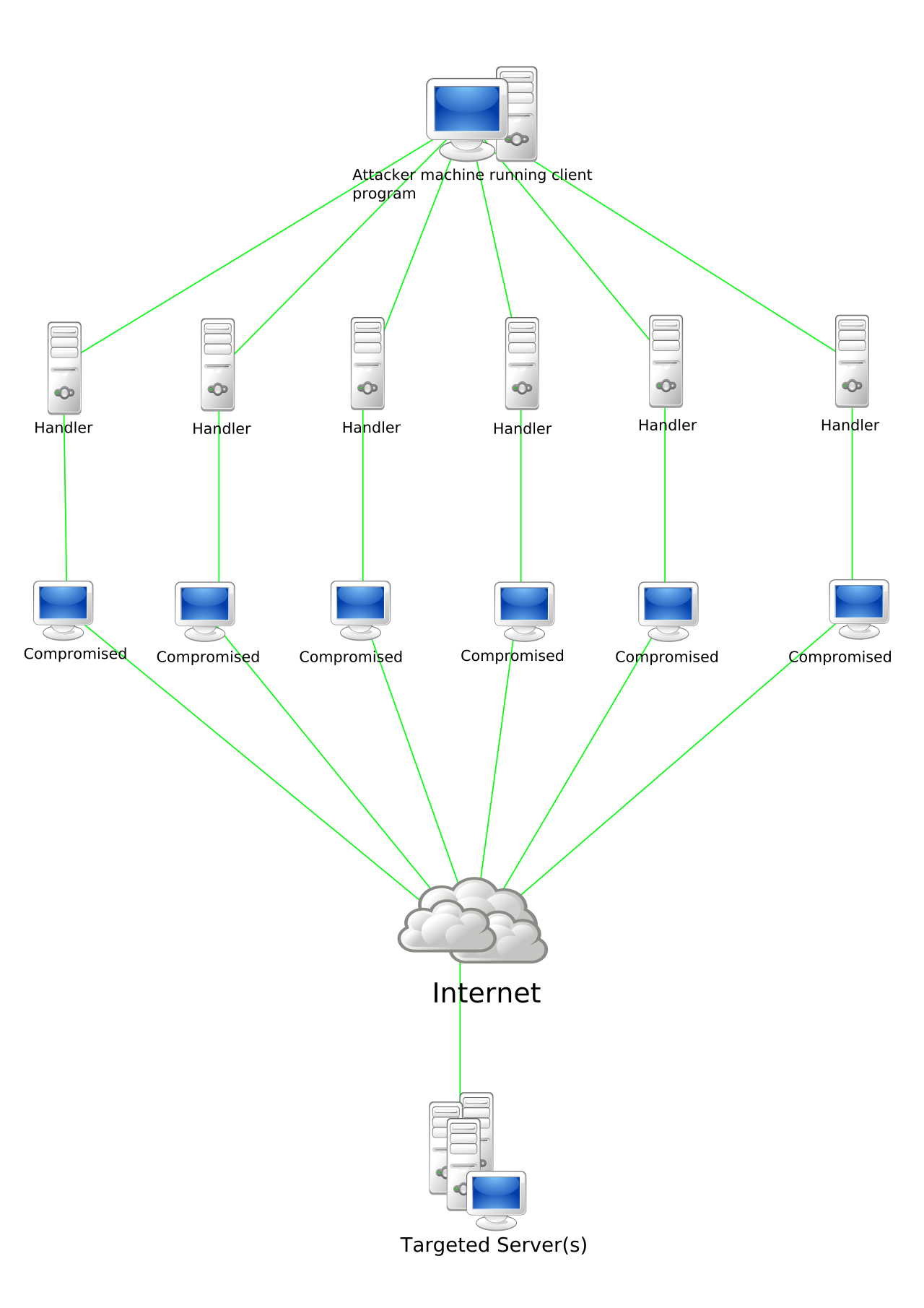
Because it relies on this lightweight metadata, NetFlow identifies network communication paths and provides visibility into network traffic volume. This volumetric data is a powerful security mechanism; NetFlow data helps identify anomalous network behavior indicative of denial-of-service attacks, instantly highlighting when an endpoint suddenly receives ten thousand times its normal traffic volume.
As networks expand, standardizing these flow records becomes important. IP Flow Information Export (IPFIX) is an IETF standard based on Cisco's NetFlow version 9, allowing multi-vendor environments to share flow telemetry seamlessly. Furthermore, on massive internet backbones where logging every single session is computationally impossible, sFlow uses packet sampling to monitor high-speed network traffic, capturing a statistically significant subset of packets (e.g., 1 in every 10,000) to deduce overall volume and behavior without overwhelming the routing hardware.