Vulnerability Analysis, Response, and Remediation
Not sure you’re ready?
Take the ~3-minute readiness diagnostic and see where you stand.
Imagine a triage nurse in an emergency room. Ten patients arrive simultaneously. One has a severed radial artery; another has a fractured phalanx. The nurse does not evaluate or treat these patients in alphabetical order, nor by who walked through the doors first. They are triaged based on the objective severity of the injury and the immediate threat to systemic stability. A cybersecurity professional staring at a weekly vulnerability scan faces the exact same reality. A network vulnerability scanner might generate a massive report detailing thousands of potential flaws across web servers, internal databases, and employee laptops. Without a rigorous, mathematical methodology to measure the severity of those flaws—and a systematic process to test and deploy the cures—the network is guaranteed to succumb to failure. Triage in information technology requires analyzing vulnerabilities, translating raw data into prioritized action, and applying the strict remedies to the right systems before an adversary can exploit them.

Before we can begin to prioritize vulnerabilities, we must trust the instruments that report them. Automated vulnerability scanners are phenomenal tools, but they are not infallible. They rely heavily on banner grabbing—reading the version number a software service broadcasts—or inspecting file hashes. Consequently, we must carefully categorize the scanner’s output into four distinct states to understand what is truly happening on the network.
When a scan completes, you are hoping for accurate results. A true positive vulnerability report indicates that a vulnerability scanner successfully identified an actual security flaw. Conversely, a true negative vulnerability report occurs when a vulnerability scanner correctly determines that a system does not possess a specific security flaw. These are the expected, trustworthy behaviors of your diagnostic tools.
The real challenge arises when the scanner makes a mistake. A false negative vulnerability report occurs when a vulnerability scanner fails to detect an existing security flaw. This is the "silent killer" of network security; the system remains dangerously exposed, but the IT administrator operates under a false sense of security.
On the other hand, a false positive vulnerability report occurs when a vulnerability scanner incorrectly identifies a non-existent security flaw. Why does this happen? Suppose your Linux distribution securely backports a software patch without changing the core version number of the Apache web server. The scanner reads the outdated version number and falsely raises an alarm. Because of this architectural blind spot, security analysts must correlate vulnerability scan results with manual system configuration reviews to rule out false positive reports. You cannot simply blindly export a report to a spreadsheet; you must verify the configuration.
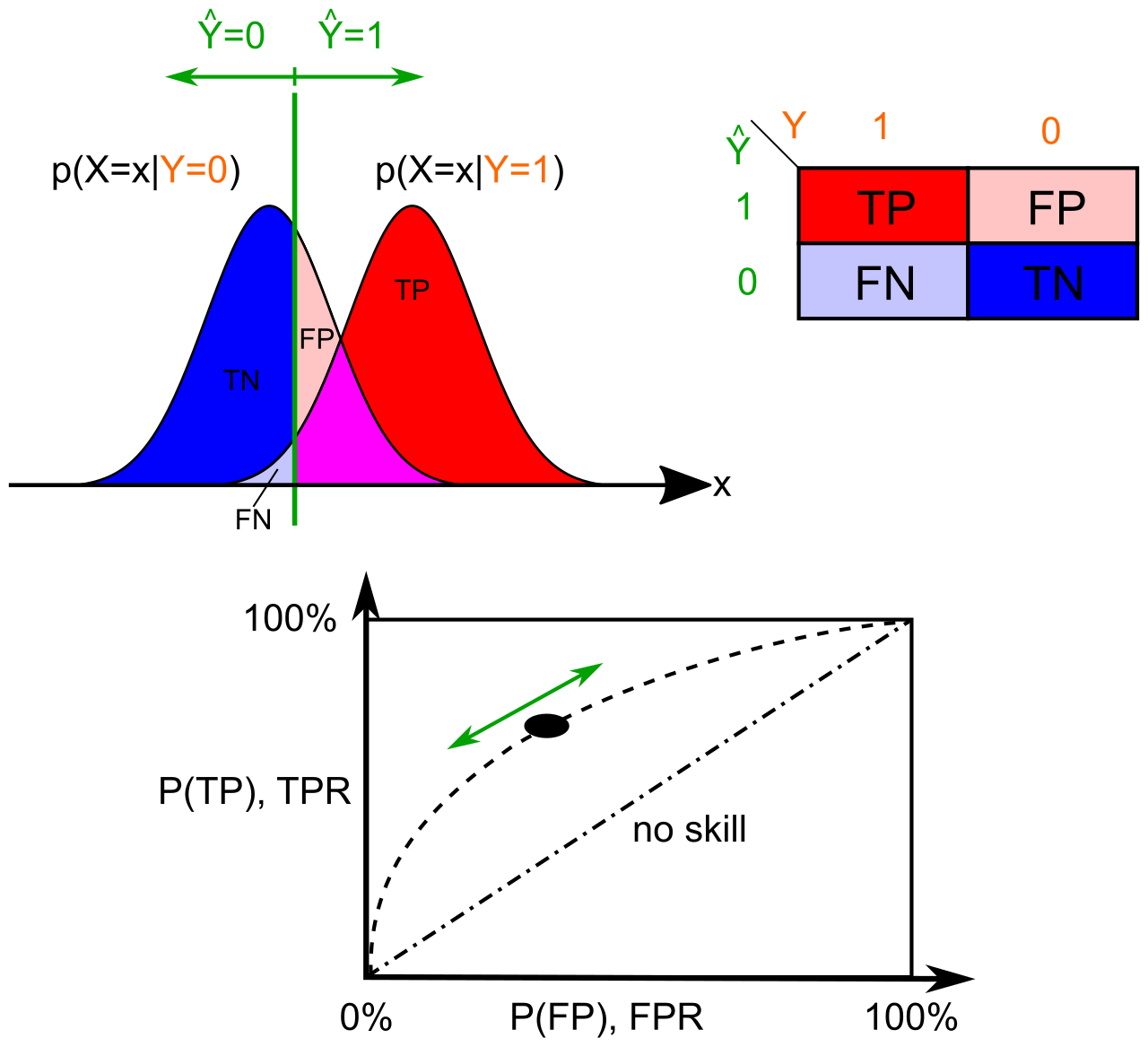
| Scan Result | System Reality | What It Means for the Administrator |
|---|---|---|
| True Positive | Vulnerable | Action required: Prioritize and remediate. |
| True Negative | Secure | System operating safely; no action needed. |
| False Positive | Secure | Administrative noise: Must be ruled out via manual review. |
| False Negative | Vulnerable | Critical blind spot: Requires deeper behavioral analysis. |
Once we isolate the true positives, we need a universal vocabulary to describe how bad they are. The Common Vulnerability Scoring System is an open framework for communicating the characteristics and severity of software vulnerabilities. The acronym CVSS stands for Common Vulnerability Scoring System, and it functions as the definitive grading rubric for cybersecurity professionals worldwide.
Rather than relying on vague adjectives, CVSS version 3.1 assigns severity scores ranging from a minimum of 0.0 to a maximum of 10.0. This decimal scoring system maps directly to specific qualitative bands that dictate how quickly a team must react:
- A CVSS version 3.1 score of 0.0 represents a severity rating of None.
- A CVSS version 3.1 score between 0.1 and 3.9 represents a Low severity rating.
- A CVSS version 3.1 score between 4.0 and 6.9 represents a Medium severity rating.
- A CVSS version 3.1 score between 7.0 and 8.9 represents a High severity rating.
- A CVSS version 3.1 score between 9.0 and 10.0 represents a Critical severity rating.
How does a vulnerability earn a score of 9.8 instead of a 4.2? The CVSS score is not arbitrary; it is a calculation derived from distinct metric groups that analyze the mechanics of the exploit.
The Base Metric Group
The CVSS Base metric group represents the inherent qualities of a vulnerability that remain constant over time and across different user environments. Whether the flaw is discovered today or ten years from now, on a server in Tokyo or a laptop in New York, the Base metrics do not change. They describe the anatomy of the flaw itself:
- Attack Vector: The CVSS Attack Vector metric describes the network context required to exploit a vulnerability. For example, a CVSS Attack Vector value of Network indicates that an attacker can exploit the vulnerability remotely over an external network. If the vector is "Local," the attacker already needs a foothold on the machine.
- Attack Complexity: The CVSS Attack Complexity metric describes the conditions beyond the attacker's control that must exist to exploit the vulnerability. Does the attacker need to win a highly improbable race condition? If so, complexity is High.
- Privileges Required: The CVSS Privileges Required metric measures the level of system access an attacker must possess prior to exploiting the vulnerability. An exploit requiring zero previous authentication is vastly more dangerous than one requiring administrative credentials.
- User Interaction: The CVSS User Interaction metric specifies whether a human user must perform a separate action to allow the exploit to succeed, such as being tricked into clicking a malicious link or installing a trojan.
- Scope: The CVSS Scope metric indicates whether exploiting a vulnerability in one software component can affect resources in a different software component. For example, if a flaw in a hypervisor allows an attacker to escape a virtual machine and compromise the host operating system, the scope has fundamentally changed.
Temporal (and Threat) Metrics
Vulnerabilities, however, do not exist in a vacuum. The CVSS Temporal metric group represents vulnerability characteristics that change over time due to external events. For instance, the release of an official software patch changes the CVSS Temporal metric score of a vulnerability, effectively lowering its active danger level because a fix is publicly available.
Important Evolution: The CVSS framework continually matures. CVSS version 4.0 replaces the Temporal metric group with the Threat metric group, pivoting the focus slightly to emphasize real-world threat intelligence and active exploitation rates.
Environmental Metrics
Finally, your specific network architecture impacts the severity. The CVSS Environmental metric group represents vulnerability characteristics that are unique to a specific user environment. For example, the deployment of specific security controls within an organization alters the CVSS Environmental metric score for a vulnerability. A vulnerability that destroys data might be a "High" severity universally, but if your environment has immutable, real-time backups and strict network isolation, the Environmental score for your specific organization decreases.
A common misconception among junior administrators is that you should simply sort your scanner report by CVSS score descending, fix the 10.0s, and work your way down. This is an operational fallacy.
Real-world vulnerability prioritization involves combining the CVSS severity score with the business criticality of the affected asset. A Critical vulnerability (CVSS 9.8) on an isolated, internal test server holding dummy data poses far less operational risk than a High vulnerability (CVSS 7.5) sitting directly on your organization's primary customer database.
To enforce this prioritization, organizations rely on Service Level Agreements (SLAs), which establish the maximum allowable timeframe for an organization to remediate a discovered vulnerability. Because of the differing levels of inherent risk, organizations typically enforce shorter remediation Service Level Agreements for Critical severity vulnerabilities compared to Low severity vulnerabilities. You might have 48 hours to patch a Critical flaw, but 30 days to resolve a Low severity one.
When we are ready to fix the flaw, the optimal path is permanent eradication. Vulnerability remediation completely eliminates a specific security flaw from a system. In modern IT environments, applying a vendor-supplied software patch is the primary method of vulnerability remediation. By replacing the flawed code with secure code, the vulnerability ceases to exist.
However, any seasoned IT professional knows the hidden danger of patching: fixing one thing often breaks another. An updated dynamic link library (DLL) or a modified configuration file can crash proprietary software. Therefore, organizations must deploy software patches in an isolated staging environment before applying the patches to production systems. Software patch testing prevents unexpected system outages caused by incompatible code updates.
Furthermore, the patching cycle does not end the moment the deployment tool reports "Success." The scanner must verify the reality. Security administrators must perform a follow-up vulnerability scan after applying a patch to validate the successful remediation of the flaw.
What happens when a critical zero-day vulnerability drops, but the vendor hasn't written a patch yet? Or what if you test the patch in your staging environment, and it completely breaks your custom web application? You cannot leave the production server bleeding, but you cannot patch it either.
This is where we turn to mitigation. Vulnerability mitigation reduces the likelihood or impact of an exploit without completely removing the underlying security flaw. We achieve this by layering defenses. Compensating controls provide a vulnerability mitigation strategy when an official software patch is unavailable. Similarly, compensating controls provide a vulnerability mitigation strategy when an organization cannot immediately apply an official software patch without causing unacceptable business disruption.
Consider these practical applications of compensating controls:
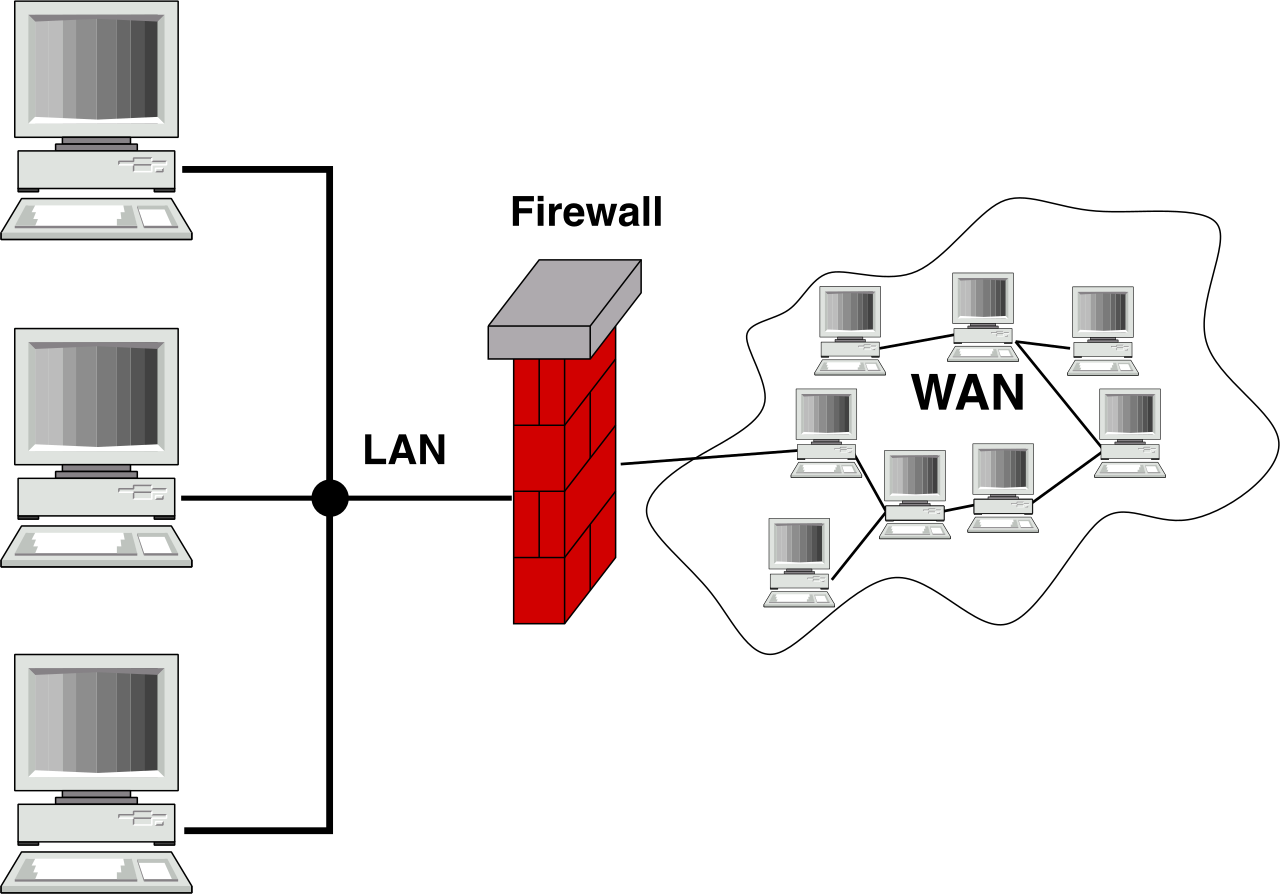
- Network segmentation acts as a compensating control by preventing untrusted network traffic from reaching a vulnerable system. If an internal payroll server has an unpatched flaw, moving it into a strictly controlled subnet where only the HR department's IP addresses can reach it dramatically reduces the Attack Vector.
- A Web Application Firewall (WAF) acts as a compensating control by inspecting and blocking malicious requests targeting an unpatched web application. The application's source code remains vulnerable, but the WAF steps in front of the bullet, filtering out SQL injection or cross-site scripting attempts before they ever hit the server.
Eventually, every organization encounters the ghost in the machine: the system that cannot be patched, cannot be fully mitigated, and yet cannot be turned off. Outdated legacy systems frequently require process exceptions because software vendors no longer supply security patches for the legacy code. Think of the 20-year-old mainframe running a vital manufacturing robot, or an MRI machine running an ancient, unsupported version of Windows.
In these scenarios, the organization utilizes a process exception. A process exception is a formal management decision to accept the operational risk of an unpatched vulnerability. This is not an IT administrator shrugging their shoulders; it is a calculated, documented business decision.
Because unchecked risk is dangerous, security governance frameworks require organizations to grant process exceptions for a strictly defined, temporary timeframe. They are not permanent free passes. To ensure rigorous oversight, organizations must formally document the business justification before approving a process exception for an unpatched vulnerability. Executive leadership must sign off, acknowledging the exact financial and operational reasons the system must remain online.
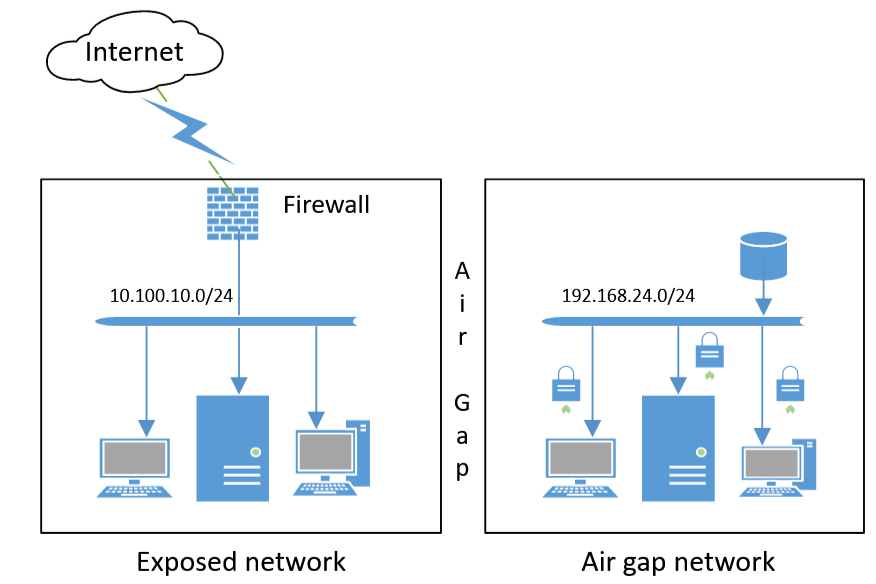
Simultaneously, the technical teams must defend the asset as best they can. Organizations must formally document the specific compensating controls deployed to protect an asset under a process exception. If that unpatched MRI machine must stay online, the documentation must detail how it has been air-gapped from the internet and restricted via strict network access control lists.
Understanding vulnerability analysis is ultimately about recognizing that security is a continuous function of risk management. By accurately reading your scanners, translating severity through the CVSS framework, correlating that severity with business context, and judiciously applying patches, compensating controls, or process exceptions, you secure the network not with blind panic, but with deliberate, measurable engineering.