Gift/income tax strategies
Not sure you’re ready?
Take the ~3-minute readiness diagnostic and see where you stand.
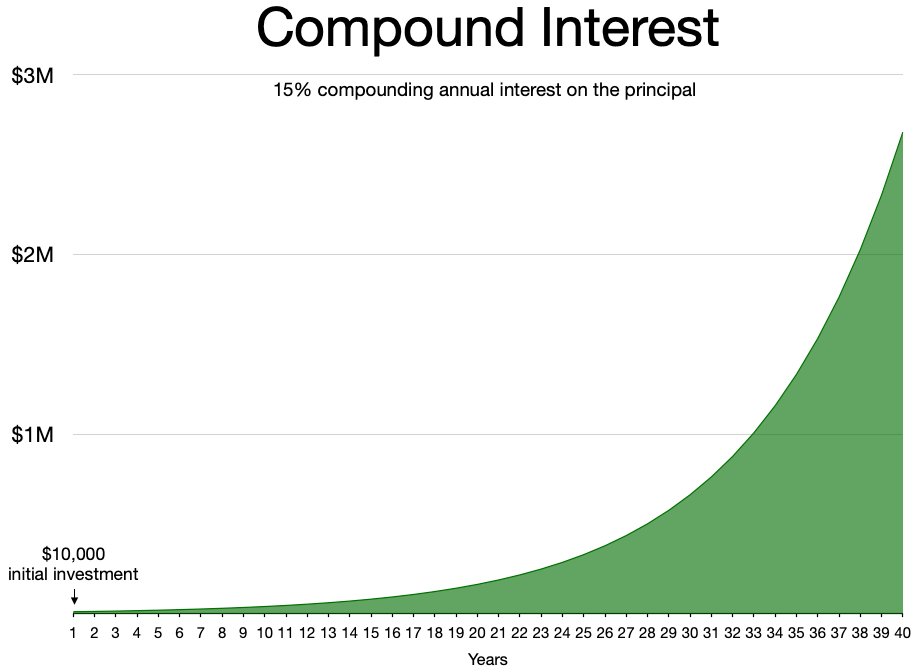
Wealth transfer is not a static event; it is a highly pressurized hydraulic system. Every dollar a client moves from one generation to the next faces resistance in the form of federal taxation, whether through gift taxes, estate taxes, or the eventual income taxes upon the sale of an asset. As financial planners, your role is to design the piping. You must understand precisely which valves to open and which pressure-relief mechanisms to trigger so that capital flows across generational lines efficiently, without leaking into the federal treasury. Mastery of these rules is not merely about tax compliance—it is about preserving the compounding power of a family’s life work.
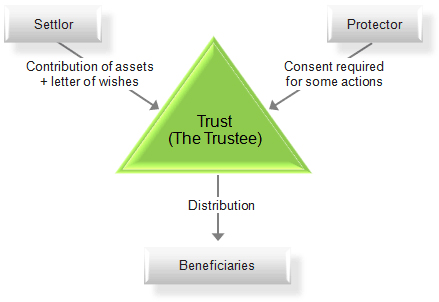
Before we can optimize a gift, we must first determine if it actually exists in the eyes of the IRS. A gift is not considered complete for tax purposes until the donor has parted with dominion and control over the transferred property. If a client places assets in a revocable trust or retains the right to take the money back at will, no gift has occurred. The client still holds the steering wheel. To trigger the tax rules we are about to discuss, the transfer must be absolute.
Once a gift is complete, we encounter our first, and most common, tax-sheltering tool. The annual gift tax exclusion allows a donor to give a specified statutory amount per year to any number of individuals without incurring gift tax. Because the annual gift tax exclusion amount is periodically indexed for inflation, it serves as a continuously expanding baseline for systematic wealth transfer.
However, this exclusion has a strict physical-world requirement. To qualify for the annual gift tax exclusion, a gift must be a present interest gift.
Present Interest: A present interest gift provides the donee with an immediate and unrestricted right to the use, benefit, or enjoyment of the gifted property.
If you give a client’s daughter cash today, she can spend it today. That is a present interest. Conversely, future interest gifts do not qualify for the annual gift tax exclusion. If a client puts money into a trust that the beneficiary cannot access for ten years, the client cannot use the annual exclusion to shield that transfer. It will immediately begin eating into their lifetime exemption.
The Multiplier Effect: Gift Splitting
When a married client wishes to give a large sum to a single individual—such as helping a child buy a home—they can invoke a mechanism called gift splitting. Gift splitting allows married couples to combine their individual annual gift tax exclusions for a single donee, effectively doubling the amount they can transfer tax-free in a given year.
There is an administrative catch that appears frequently on the CFP® exam: Spouses must file a federal gift tax return to elect gift splitting. Even if no tax is owed and no lifetime exemption is used, the IRS requires the paperwork to officially document that both spouses consented to pool their exclusions.
The tax code offers two powerful exclusions that act as invisible shields. They bypass the standard gifting limitations entirely.
- The Educational Exclusion: Direct payments made to an educational institution for tuition are exempt from the federal gift tax.
- The Medical Exclusion: Direct payments made to a medical care provider for another person's medical expenses are exempt from the federal gift tax.
Why are these so critical to your planning blueprint? Because medical and educational gift tax exclusions do not reduce the donor's annual gift tax exclusion amount, nor do they reduce the donor's lifetime estate and gift tax exemption. You can pay $100,000 for a grandchild's medical surgery directly to the hospital, and still give that grandchild the maximum annual exclusion in cash that same year.
The Exam Trap: The educational exclusion from gift tax applies only to tuition payments. The educational exclusion from gift tax does not apply to payments for room, board, or books. If a client writes a check to a university for a grandchild's tuition and dorm fees, the dorm fee portion is a standard gift and will consume part of the annual exclusion.
When transferring wealth, gift tax is only half the battle. The other half is income tax—specifically, capital gains. When your client gives away property rather than cash, they are giving away a tax history.
Appreciated Property and Income Shifting
When a donor gifts appreciated property, the donee receives a carryover cost basis equal to the donor's adjusted basis. Furthermore, the donee of appreciated gifted property assumes the donor's original holding period for capital gains tax purposes. If the client held the stock for ten years, the donee instantly has a long-term holding period on the day they receive the gift.
This creates an elegant planning opportunity. Gifting highly appreciated property to a donee in a lower income tax bracket can reduce the overall family income tax liability upon the sale of the asset. The client avoids selling the asset at their high capital gains rate, and the donee sells it at their lower (potentially 0%) rate.
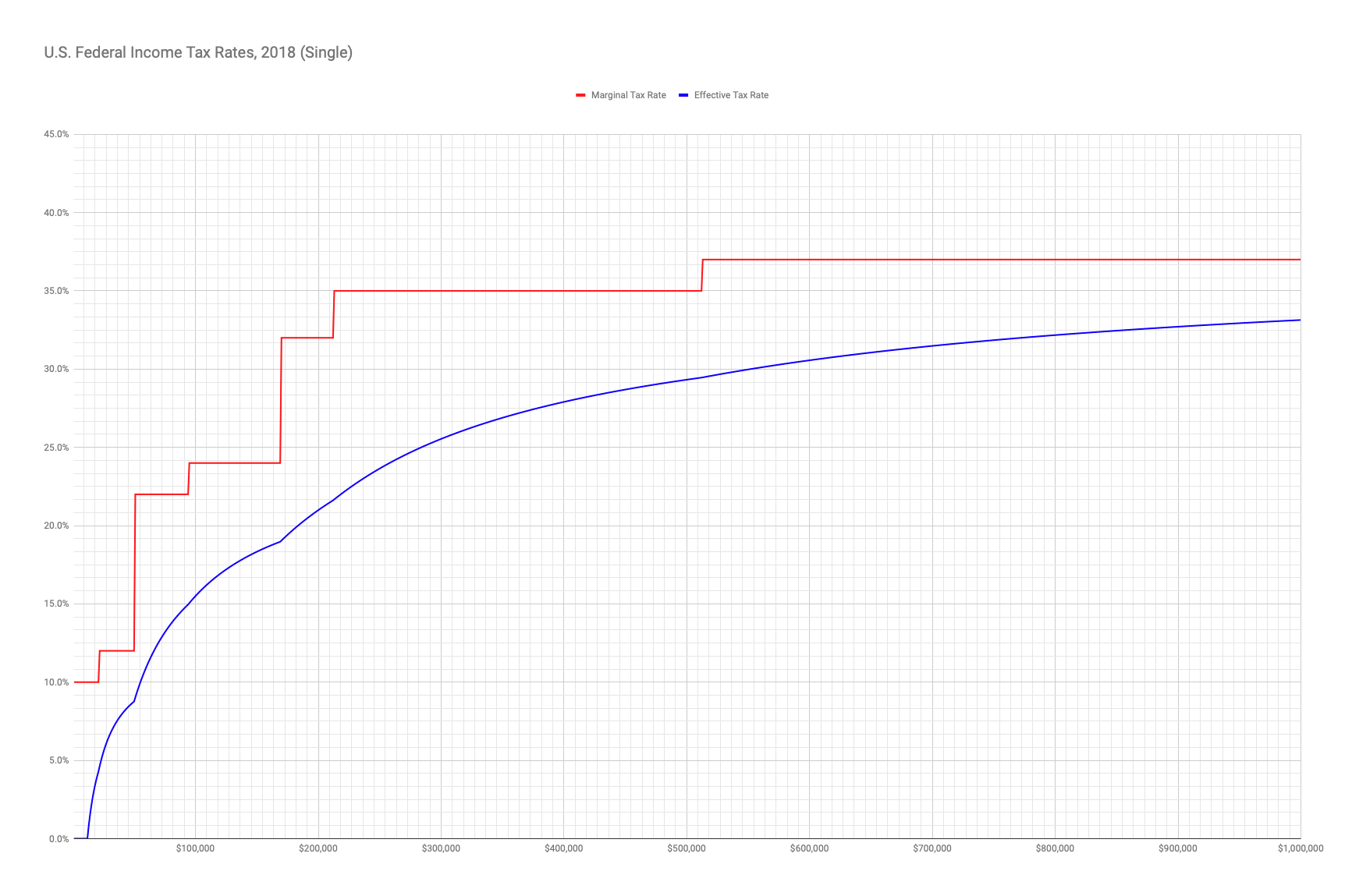
The Kiddie Tax Constraint: Can a client simply give Apple stock to their 10-year-old to sell? No. The Kiddie Tax limits the ability to shift unearned income to children by taxing a child's unearned income above a specific statutory threshold at the parents' marginal income tax rate. Therefore, the strategy has a specific target audience. Gifting income-producing property to an adult child in a lower tax bracket successfully shifts the income tax burden to that lower income tax bracket.
The Double Basis Rule: Gifting at a Loss
What happens if a client wants to gift a stock that has dropped in value? Proceed with extreme caution. Gifting property with built-in losses is generally discouraged.
To prevent families from passing phantom tax deductions to one another, the IRS enforces the double basis rule. When the fair market value of gifted property is less than the donor's adjusted basis on the date of the gift, the double basis rule applies. The asset effectively leaves the donor's hands and arrives in the donee's hands with split DNA.
| Donee's Sale Price | Basis Used for Tax Calculation | Result |
|---|---|---|
| Sold for a Loss (Below FMV at gift date) | The donee's basis for determining a loss is the fair market value of the property on the date of the gift. | The donee cannot deduct the donor's unrealized capital loss. That original loss evaporates entirely. |
| Sold for a Gain (Above Donor's original basis) | The donee's basis for determining a gain is the donor's adjusted basis. | The donee pays tax only on the gain exceeding the donor's original purchase price. |
| Sold in the Middle (Between FMV and Donor's basis) | N/A | If a donee sells gifted property for a price between the fair market value on the date of the gift and the donor's adjusted basis, no gain or loss is recognized. |
The Professional Solution: If you look at a client's portfolio and see an asset with a built-in loss, advise against gifting the asset itself. Instead, a donor holding property with a built-in loss should sell the property to realize the tax deduction, and then gift the cash proceeds to the donee.
We established earlier that future interests do not qualify for the annual exclusion. But Congress wrote a special exception for education funding. By statutory mandate, a Section 529 plan contribution is treated as a completed present interest gift for federal gift tax purposes, even though the child cannot demand the cash today.
Because of this rule, 529 plans allow clients to act like time travelers. A donor can front-load a Section 529 plan with up to five years of annual gift tax exclusions in a single year without using their lifetime estate and gift tax exemption.
To execute this properly:
- The Filing Requirement: To successfully front-load a Section 529 plan without using the lifetime exemption, the donor must file a gift tax return electing to treat the contribution as occurring evenly over five years.
- The Mortality Trap: What happens if the time traveler doesn't survive the journey? If a donor dies before the five-year period of a front-loaded Section 529 plan expires, the prorated portion of the contribution for the remaining years is included in the donor's gross estate.
As wealth scales, you will encounter scenarios where the sheer volume of a transfer generates immediate gift tax liability, or where the timing of the gift brushes dangerously close to the end of a client's life.
The Net Gift Strategy
Sometimes a client wants to make a massive transfer of property but lacks the liquidity to pay the resulting gift tax. Enter the net gift. A net gift occurs when the donee agrees to pay the federal gift tax resulting from the transfer.
In a net gift transaction, the amount of the gift for tax purposes is the fair market value of the property less the gift tax paid by the donee. This intuitively makes sense—the donee is receiving the property but taking on a liability, reducing the net value of what they received.
However, the IRS views the donee's payment of the donor's tax liability as an economic benefit to the donor. Therefore, a net gift transaction may result in taxable income to the donor if the gift tax paid by the donee exceeds the donor's adjusted basis in the transferred property. You have effectively "sold" the property to the donee for the price of the tax bill. If that "price" is higher than the donor's basis, the donor owes capital gains tax on the difference.
The Three-Year Rule (The Gross-Up Rule)
Finally, we must consider the proximity of gifting to death. While the gift itself is removed from the estate (assuming it was complete), the IRS heavily guards against deathbed tax arbitrage.
If a client makes a taxable gift and pays out-of-pocket gift tax, they have reduced their taxable estate by the amount of the tax paid. If they do this right before dying, they have successfully starved the estate tax system. To prevent this, the tax code dictates that gift taxes paid by the donor on gifts made within three years of the donor's death are brought back into the donor's gross estate. Note carefully: it is the taxes paid on the gift, not the gift itself, that are pulled back into the estate calculation.
When evaluating a case study on your certification exam, treat these rules as a sequential checklist. First, confirm dominion and control is severed. Second, sweep as much capital as possible through the non-consumptive invisible shields (direct medical and tuition payments). Third, deploy the annual exclusion—doubling it via gift splitting if the client is married and files the requisite return. Finally, carefully select which assets to give based on their tax basis, steering clear of the double-basis penalty for built-in losses, and shifting highly appreciated assets to adult children in lower brackets to optimize the family's total wealth.