California Unfair Trade Practices & Claims Settlement
Not sure you’re ready?
Take the ~3-minute readiness diagnostic and see where you stand.
An insurance policy is fundamentally a piece of paper sold in exchange for peace of mind—a deferred promise that only materializes into tangible value on the worst day of a client's life. Because the buyer cannot physically inspect this product before purchasing it, the transaction relies entirely on the integrity of the market and the accuracy of the information provided by the producer. When producers or insurers manipulate this information, they compromise the structural integrity of the entire industry. For this reason, the California Insurance Code prohibits unfair trade practices to protect consumers from deceptive and anti-competitive insurance market behavior.
As you prepare for your California licensing exam, you must understand both the national foundations of insurance law and the specific, sometimes counterintuitive, regulatory mechanisms unique to California. Let us examine the mechanics of deception, the precise clockwork of claims settlement, and the heavy penalties awaiting those who violate the public trust.
An insurance producer wields a significant asymmetry of information. You will know the product better than your client ever will. Exploiting that knowledge gap is where most unfair trade practices occur.

Misrepresentation, Twisting, and Churning
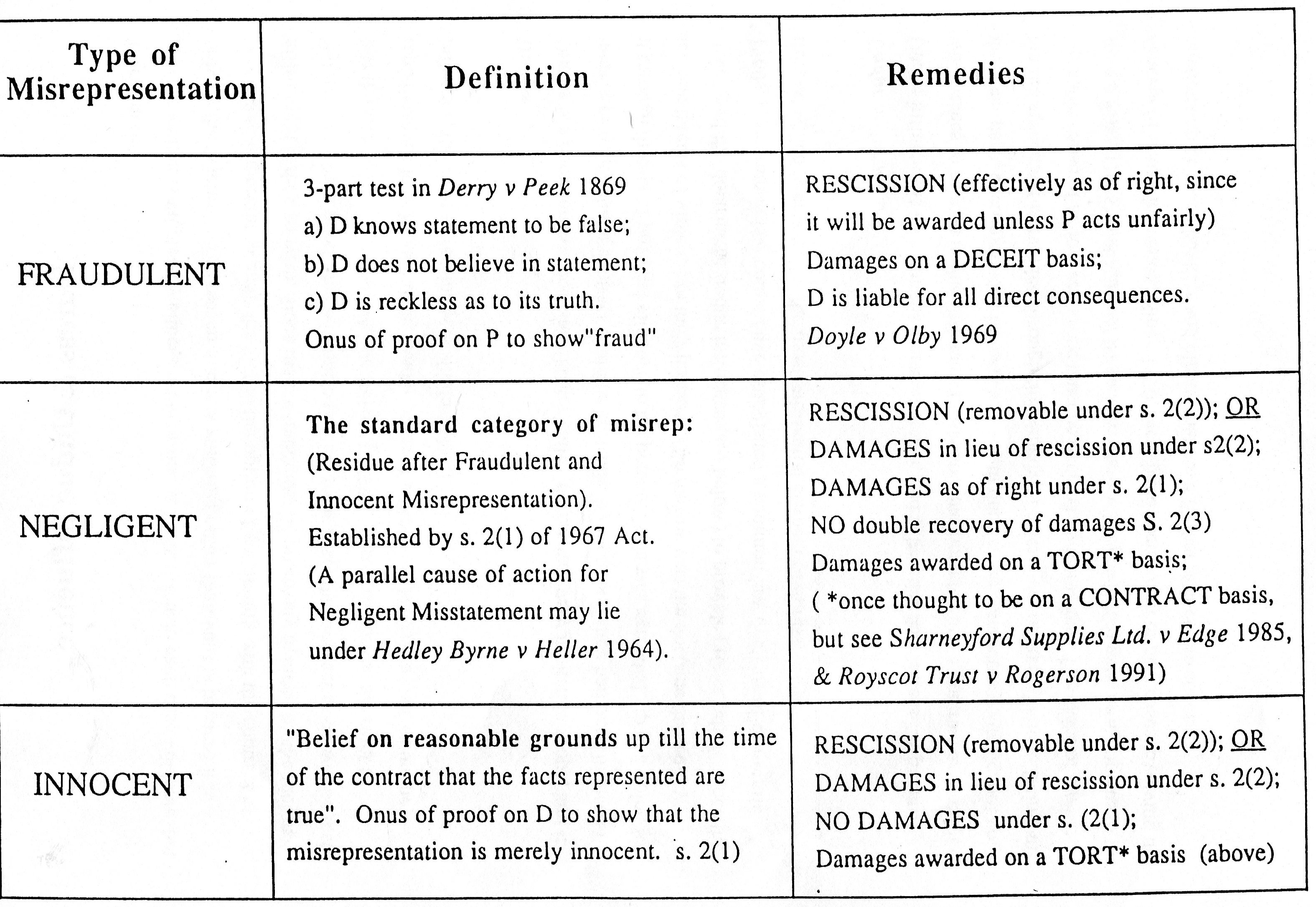
At the foundation of deceptive practices is misrepresentation. Misrepresentation occurs when an insurance producer makes false or misleading statements regarding the terms, benefits, or dividends of an insurance policy. If you tell a client a whole life policy will accrue $10,000 in cash value by year five when the actuarial tables say otherwise, you have misrepresented the contract.
When a producer uses misrepresentation as a weapon to move a client's money, it generally falls into one of two specific, highly tested categories:
- Twisting: Twisting is an unfair trade practice involving misrepresentation or misleading comparisons to induce a policyholder to lapse, forfeit, or surrender an existing policy. Crucially, twisting typically involves inducing an insured to replace an existing policy with a new policy from a different insurance company. Think of it as tricking a client into jumping ship to a new carrier.
- Churning: Churning is the practice of replacing an insurance policy with a new policy from the same insurance company solely to generate additional commissions for the producer. The client stays in the same house, but you falsely convince them they need to tear it down and rebuild it—just so you can collect the architect's fee again.
Informational Sabotage: Defamation and False Advertising
Deception extends beyond the policy itself; it can be directed at competitors or the public at large.
- Defamation occurs when a person makes false or maliciously critical statements regarding the financial condition of an insurance company with the intent to injure. If you tell a prospect, "Don't buy from Carrier X, they are going bankrupt next month," knowing it is false, you are intentionally damaging the market.
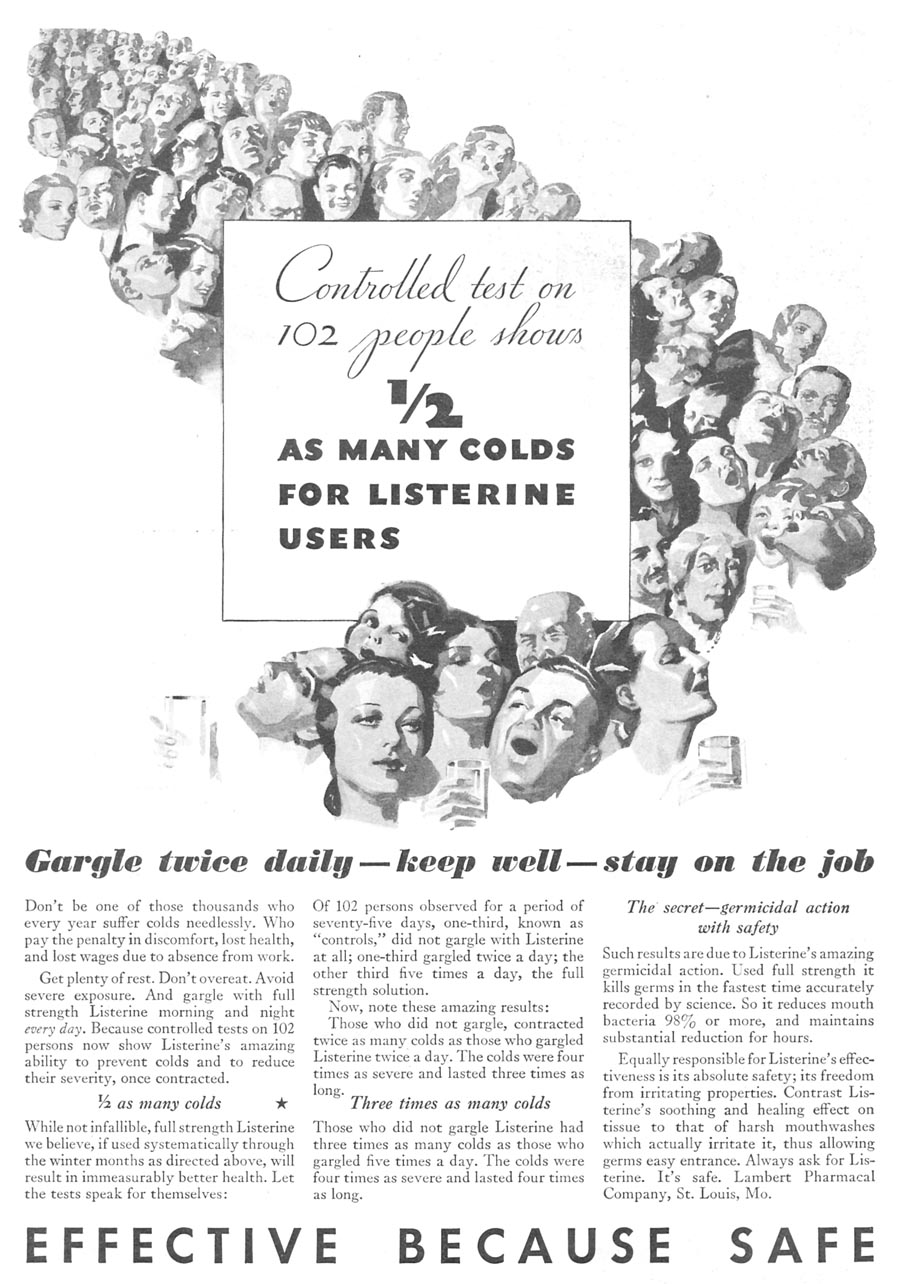
- False advertising is an unfair trade practice that involves publishing, broadcasting, or distributing untrue, deceptive, or misleading statements about insurance products. This applies to billboards, direct mail, and the digital footprint of your agency.
Force and Market Distortion
The market requires free will to function efficiently. Removing that free will through aggressive tactics constitutes a severe violation:
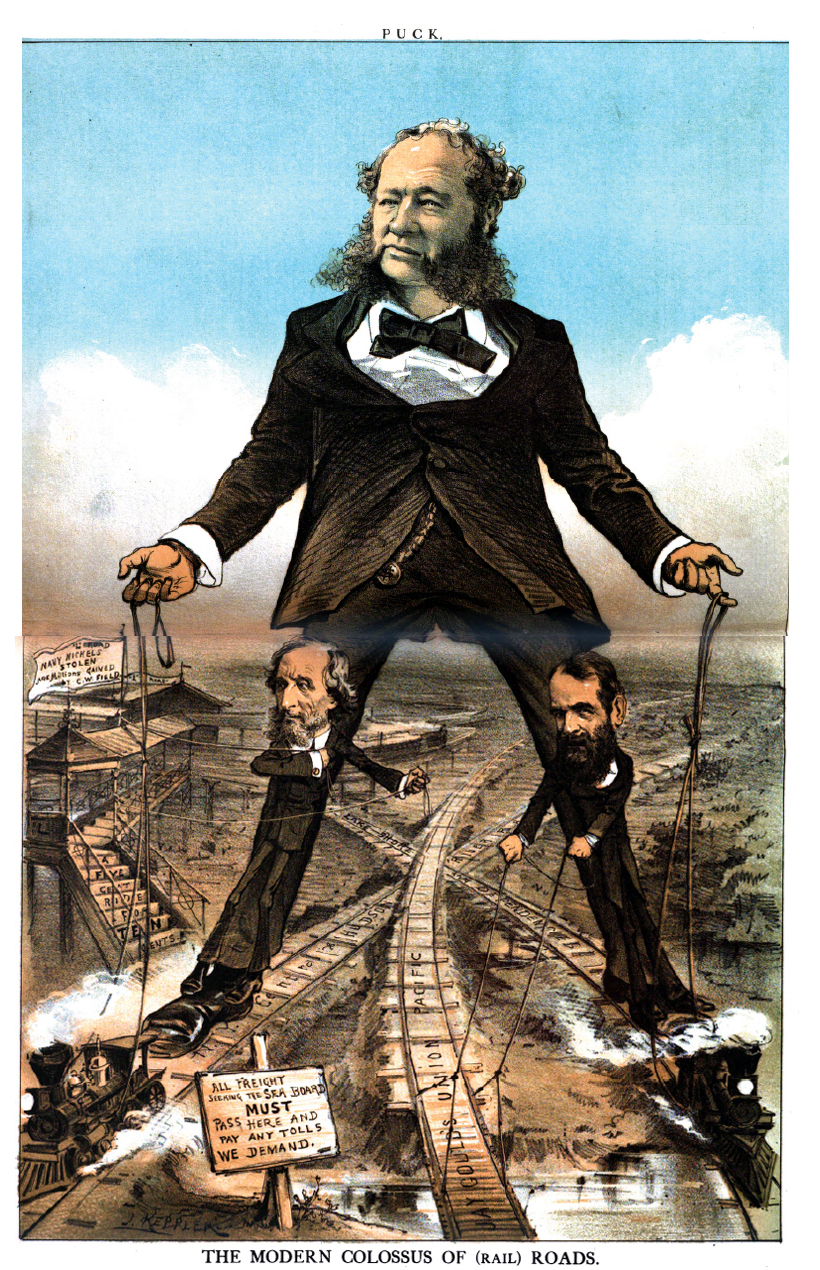
- Coercion involves using physical or mental force to induce an individual to purchase insurance, which results in an unreasonable restraint of trade or a monopoly.
- Intimidation is an unfair trade practice that involves threatening an individual or business to force the purchase of an insurance policy.
- Boycott is an unfair trade practice where individuals or entities refuse to do business with a company to force the company into a specific action or agreement.
Insurance is the business of discrimination—but it must be fair discrimination based on mathematics. We charge a 20-year-old non-smoker a different premium than a 60-year-old smoker. That is actuarial physics.
However, unfair discrimination is the prohibited practice of charging different premiums or offering different benefits to individuals in the same actuarial class and equal expectation of life. If two clients present identical actuarial risks, but you charge one more because of their neighborhood, religion, or personal background, you have committed unfair discrimination.
Here we arrive at a vital California specific that frequently traps students who only study national generalities.
Rebating is the practice of offering something of value not specified in the insurance contract as an inducement to purchase an insurance policy. (e.g., "Buy this life policy from me, and I'll give you $500 from my commission.")
In almost every state in the union, rebating is strictly illegal. However, Proposition 103 repealed California's absolute ban on rebating, making it legal for insurance agents and brokers to rebate a portion of their commission to clients.
But California does not allow a free-for-all. There are strict boundaries you must memorize:
- The Anti-Discrimination Rule: An insurance agent who offers commission rebates in California must offer the rebates equally to all individuals in the same actuarial class to avoid unfair discrimination. You cannot rebate commissions only to your wealthy clients and withhold them from your middle-class clients. Unlawfully discriminatory rebating in California is penalized as an unfair trade practice and violates state anti-discrimination insurance laws.
- The Carrier's Veto: Just because California allows rebating does not mean an insurance carrier must permit it. California law allows insurance companies to restrict or explicitly prohibit their appointed agents from offering commission rebates to clients. If your appointment contract says "no rebating," the state law will not protect you from termination by the carrier.

When a disaster occurs, a client's policy is activated. The California Fair Claims Settlement Practices Regulations establish specific timelines and standards that insurance companies must follow when processing consumer claims.
The foundational rule of claims is transparency: California law explicitly prohibits insurance companies from misrepresenting pertinent facts or insurance policy provisions relating to coverages at issue during a claim.
Beyond honesty, the state demands speed. You must memorize the rhythms of the claims clock.
The Claims Timeline Matrix
| Timeframe | Required Insurance Company Action |
|---|---|
| 15 Calendar Days | - Acknowledge the receipt of an insurance claim after receiving notice.<br>- Provide the claimant with all necessary claim forms, instructions, and reasonable assistance.<br>- Commence the necessary investigation of a claim.<br>- Respond to any communications from a claimant regarding a claim. |
| 40 Calendar Days | - Formally accept or deny an insurance claim after receiving the completed proof of claim documentation. |
| 30 Calendar Days (Recurring) | - If a claim requires additional time for investigation, provide the claimant with a written status update every 30 calendar days. |
| 30 Calendar Days (Final) | - Once a claim is accepted and the settlement amount is agreed upon, issue payment to the claimant within 30 calendar days. |
Bad Faith in Claims Settlement
The state also strictly monitors how insurers negotiate. Insurers wield immense financial power over a vulnerable claimant. Consequently, the following are classified as unfair claims settlement practices:
- Lowballing: It is an unfair claims settlement practice for an insurance company to attempt to settle a claim for substantially less than a reasonable person would believe they are entitled to receive.
- Forcing Litigation: Forcing a policyholder to initiate a lawsuit to recover amounts due under an insurance policy by offering substantially lower initial settlement amounts is a prohibited practice.
- Altering Documents: Attempting to settle an insurance claim based on an application that was altered without the knowledge or consent of the insured is an unfair claims settlement practice.
- Silent Denials: Failing to provide a written explanation for the denial of an insurance claim is an unfair claims settlement practice under California regulations. A client always has the right to know exactly why a promise is not being fulfilled.
The California Insurance Commissioner acts as the referee of this marketplace. When a producer or company breaks these rules, the financial and criminal repercussions are severe.
Administrative Actions: The Cease and Desist
The California Insurance Commissioner has the authority to issue a Cease and Desist order to any person found engaging in an unfair trade practice or unfair claims settlement practice. This is a formal legal command to stop a specific behavior immediately.
- The penalty for violating a Cease and Desist order regarding an unfair trade practice in California is a fine of up to $5,000 per violation.
- If a person willfully violates a Cease and Desist order regarding an unfair trade practice, the California penalty escalates to a fine of up to $10,000 per violation.
Fines and Loss of Livelihood: Misrepresentation & Twisting
Because twisting and misrepresentation strike at the heart of the fiduciary relationship, the penalties are highly specific and punitive:
- A person found guilty of insurance policy misrepresentation or twisting in California is subject to a maximum fine of $25,000.
- The Escalation Clause: If a victim's financial loss from insurance misrepresentation or twisting exceeds $10,000, the maximum fine increases to three times the amount of the victim's loss.
- Jail Time: An insurance producer found guilty of misrepresentation or twisting may face imprisonment in a county jail for a period not exceeding one year.
- License Suspension: The California Insurance Commissioner may suspend the insurance license of a producer for up to three years for violating the misrepresentation or twisting statutes.
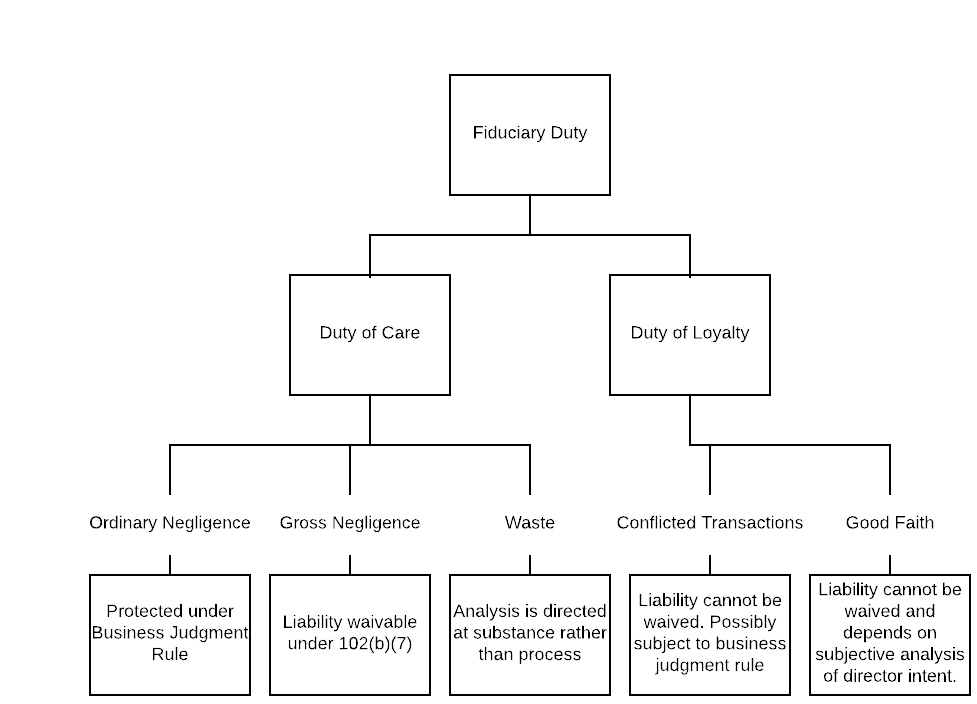
Crucial Concept: Restitution to the victim of insurance misrepresentation or fraud must be satisfied before the state collects any statutory fines imposed on the violator. The state ensures the client is made whole before the government collects its penalty.
The Ultimate Transgression: Insurance Fraud
While misrepresentation often involves a producer lying to a client to get a sale, insurance fraud typically involves lying to the insurance company to steal money.
Committing insurance fraud in California, such as submitting a false or fraudulent claim, is generally prosecuted as a felony offense.
- A conviction for felony insurance fraud in California can result in imprisonment in a state prison for up to five years.
- The maximum fine for a felony insurance fraud conviction in California is $150,000 or double the value of the fraud, whichever amount is greater.
The Producer's Liability: Do not think that simply filing the paperwork for a client shields you. An insurance producer who assists a client in submitting a fraudulent insurance claim is guilty of insurance fraud and subject to the same severe criminal penalties as the claimant. If you hold the pen, you serve the time.
Mastering these laws does not just ensure you pass your licensing exam—it ensures you understand the gravity of the license you seek to hold. You are the architect of your clients' financial safety nets; California law ensures you build them with absolute integrity.