California Property Insurance Laws & Residual Markets
Not sure you’re ready?
Take the ~3-minute readiness diagnostic and see where you stand.
An insurance policy is, at its core, a promise printed on paper, bound by the laws of probability. But in California, a state defined by dramatic geology and fierce climate, the purely mathematical relationship between insurer and insured is continually overwritten by the state legislature. To sell property insurance here is to operate within one of the most rigorously engineered consumer-protection frameworks in the global financial system. The California Insurance Code does not merely govern transactions; it dictates how companies must behave when the ground shakes, when the hills catch fire, and when the statistical models scream at actuaries to flee the market.
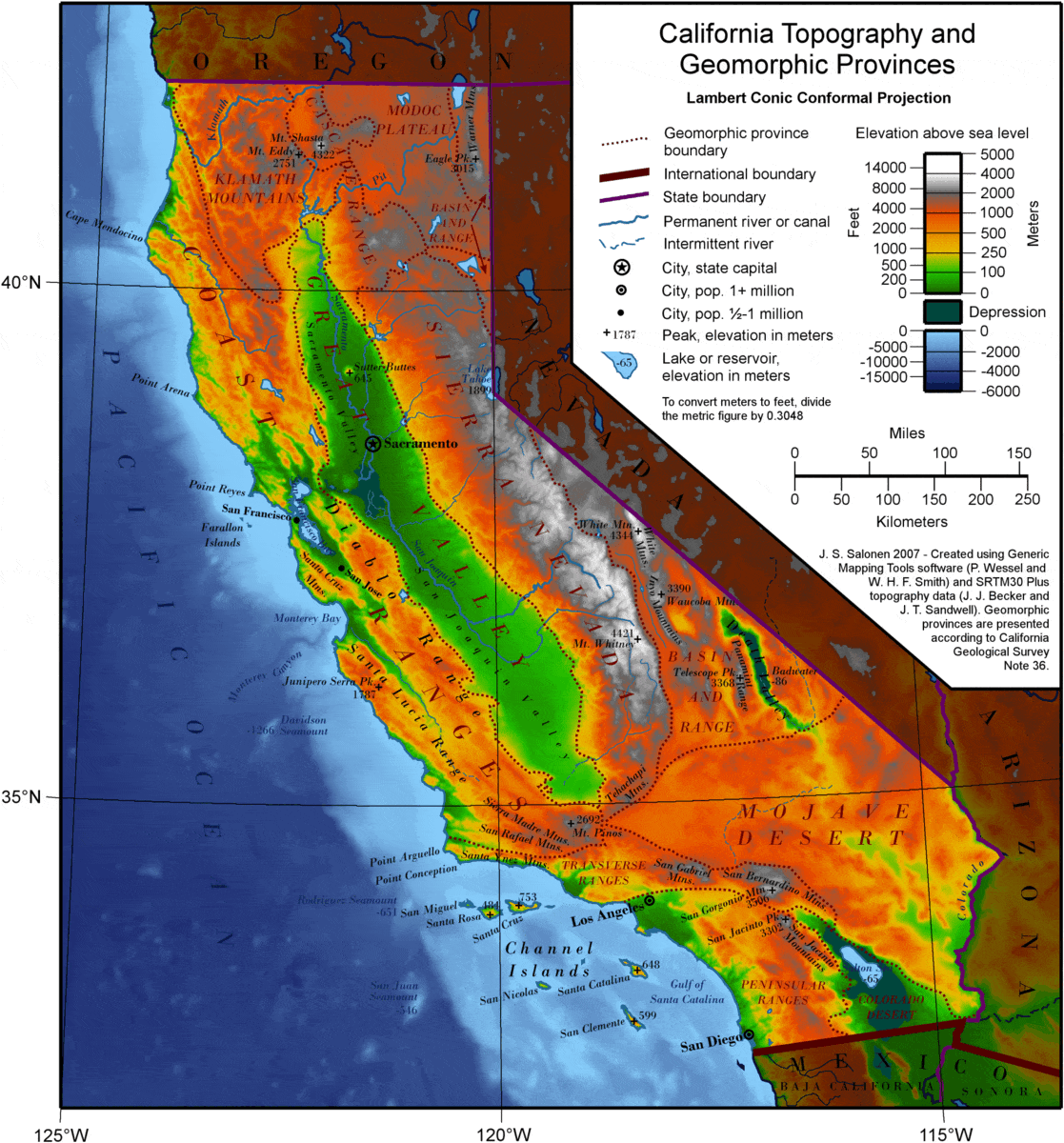
To master California property insurance law is to understand how the state engineers stability in an inherently unstable environment.
In your daily practice as an insurance producer, you will constantly navigate the boundaries of policy lifespans. We must first draw a rigid line between two concepts that clients often confuse: cancellation and nonrenewal.
Policy cancellation terminates an insurance policy mid-term, severing the contract before its scheduled expiration date.
Policy nonrenewal occurs when an insurer opts not to offer a new policy term after the current policy naturally expires.
Because cancellation rips away coverage the client thought they had secured for the year, California law guards it fiercely.
The 60-Day Test Drive
When a California insurer issues a new residential policy, they are granted a 60-day underwriting period. Think of this as a test drive. During these first 60 days, the insurer can cancel the policy without needing restrictive statutory reasons. They are essentially verifying that the risk matches the application.
However, the moment that policy has been in effect for 60 days, a steel door drops. From that point forward, the insurer can only cancel for specific statutory reasons.
What are those allowable mid-term cancellation reasons for residential property? They are limited to:
- Nonpayment of premium (the client didn't hold up their financial end).
- Fraud or material misrepresentation (the client lied about something fundamental, like operating a commercial bakery out of their kitchen).
- Substantial physical changes in risk (the client started hoarding highly flammable chemicals in the garage).
The Notice Timelines
To prevent homeowners from suddenly finding themselves uninsured, insurers must follow strict advance written notice timelines. If you learn nothing else today, memorize these clocks:
| Action | Required Advance Written Notice |
|---|---|
| Cancellation for Nonpayment | At least 10 days |
| Cancellation for Other Allowable Reasons (e.g., physical change in risk) | At least 30 days (assuming it is not for fraud/nonpayment) |
| Nonrenewal | At least 75 days |
Nonrenewals require immense runway. A California residential nonrenewal notice must explicitly state the specific reason for the nonrenewal. The insurer cannot just say, "We don't want your business anymore." Furthermore, these nonrenewal notices must mention the California Home Insurance Finder tool, directing consumers to a state resource designed to help them locate alternative coverage.
What happens if the insurer forgets or misses the deadline? The math is brutally simple. If a California insurer fails to provide the required 75-day nonrenewal notice, the existing residential policy remains in effect for exactly 75 days from the date the notice is finally delivered. If the insurer delivers the notice 10 days before expiration, they just bought themselves 65 days of unwanted risk on the next term.
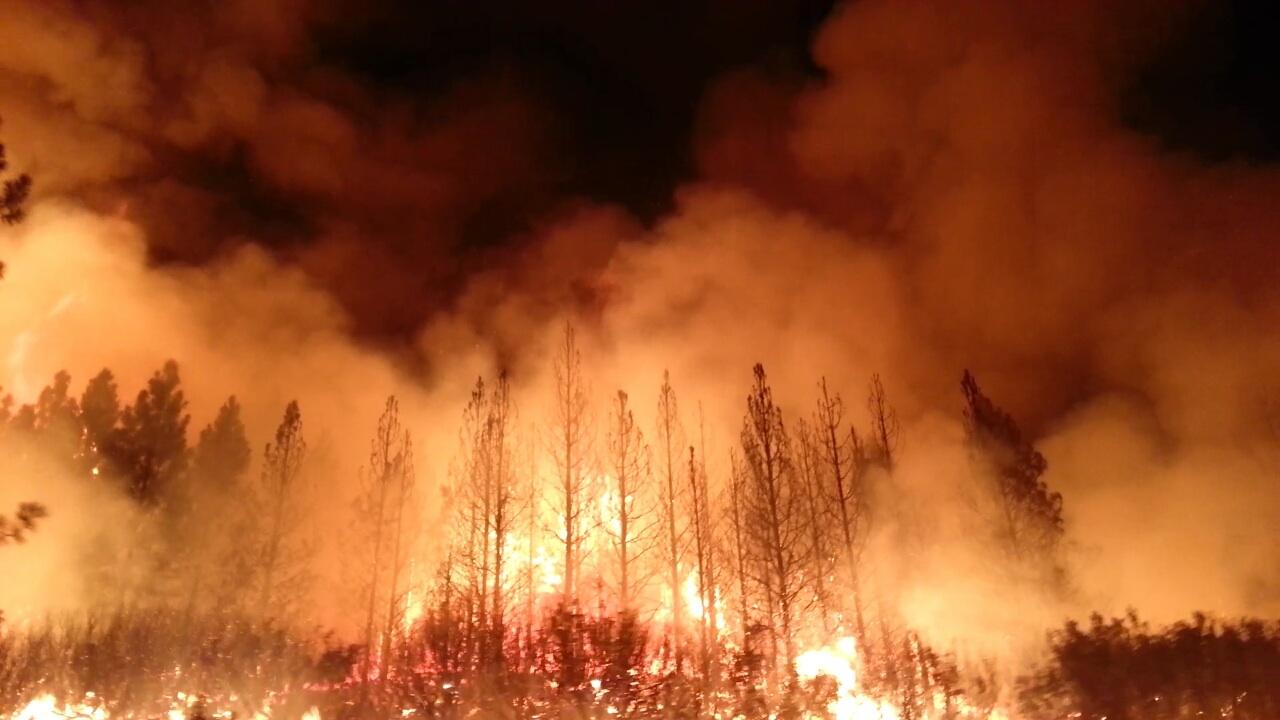
California's wildfire seasons routinely obliterate entire neighborhoods. When a disaster strikes, the power dynamic shifts, and the California Insurance Code activates extraordinary policyholder protections.
When the Governor declares a state of emergency, insurers might naturally want to shed risk in those burning zip codes. The state anticipated this. The California Insurance Commissioner can issue a mandatory one-year moratorium on residential insurance cancellations and nonrenewals in ZIP codes adjacent to declared wildfires. This mandatory moratorium lasts for exactly one year starting directly from the date of the Governor's emergency declaration.
Rebuilding Rights and Timelines
If your client loses their home in one of these infernos, the law ensures they have the time and financial oxygen required to rebuild.
- The Right to Stay: California property owners who suffer a total loss in a declared disaster have the statutory right to receive two consecutive policy renewals from their insurer. The insurer cannot simply drop them because their lot is now a pile of ashes.
- The Right to Time: Rebuilding after a mass disaster is agonizingly slow due to contractor shortages and permit bottlenecks. Following a declared state of emergency, policyholders have at least 36 months to rebuild and collect full replacement cost benefits.
- Additional Living Expenses (ALE): While the home is rebuilt, the family must live somewhere. In a government-declared disaster, policyholders are legally entitled to an immediate advance payment of no less than four months of Additional Living Expenses.
- ALE Duration: For covered property losses related to a state of emergency, insurers must provide ALE coverage for a minimum of 24 months. Furthermore, if reconstruction delays are beyond the policyholder's control (like a city-wide delay in clearing toxic debris), insurers must grant ALE extensions up to a total of 36 months.
What happens when a homeowner lives in a high-brush zone and no standard insurance company will write a policy? The state cannot let property markets freeze. Enter the California FAIR Plan.
The FAIR Plan is a residual market mechanism providing basic property insurance for owners unable to obtain coverage in the voluntary market. It is the literal insurer of last resort.
Make no mistake: the FAIR Plan is not a government agency. It is a syndicated pool. All admitted property insurers operating in California are legally required to participate in the California FAIR Plan pool. If an insurer wants the privilege of selling lucrative auto or commercial policies in California, they must take their proportional share of the FAIR Plan's risks.
The Limits of the FAIR Plan
The FAIR Plan provides basic coverage. It covers foundational perils: fire, lightning, internal explosion, and smoke.
It specifically does not provide coverage for personal liability or theft. If a guest slips on your client's stairs, the FAIR Plan will not defend them.
Because of these gaping holes, property owners insured through the FAIR Plan frequently purchase a Difference in Conditions (DIC) policy in the voluntary market. The DIC is the missing puzzle piece, wrapping around the FAIR Plan to cover liability, theft, and water damage, creating a bundle that mimics a standard homeowner's policy.
Earthquakes present a profound actuarial nightmare: they are highly infrequent but capable of causing hundreds of billions of dollars in damage in a matter of seconds. Following the 1994 Northridge earthquake, insurers panicked and threatened to stop writing home insurance altogether.
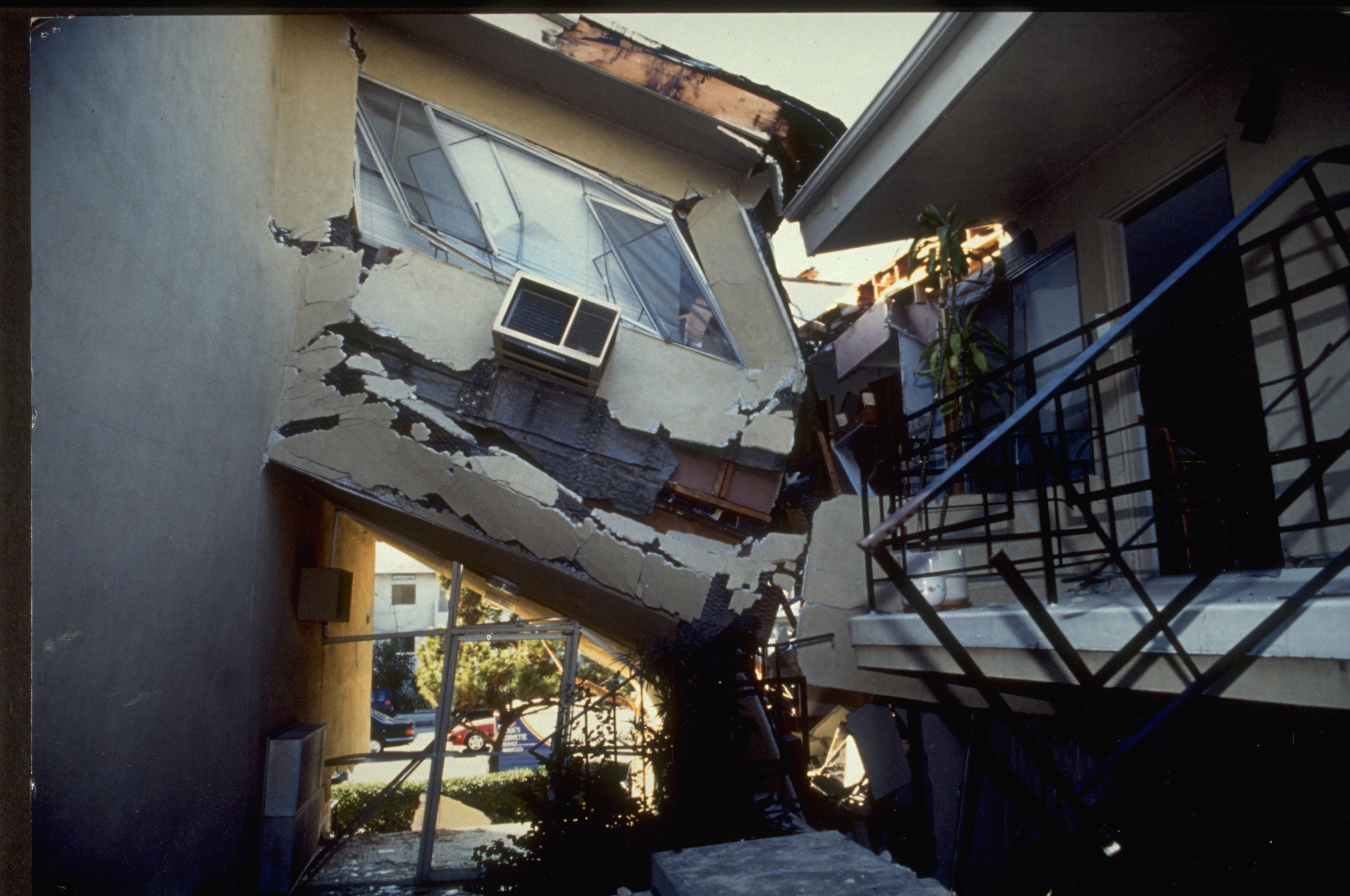
To solve this, the legislature created the California Earthquake Authority (CEA). The CEA is a publicly managed, privately funded entity that provides the majority of residential earthquake insurance in the state.
Here is how the CEA operates in your daily workflow:
- The Mandatory Offer: California law mandates that insurance companies must offer earthquake coverage to all residential property customers.
- The Invisible Giant: Consumers cannot purchase earthquake insurance policies directly from the CEA. Instead, CEA policies are sold and serviced exclusively through participating residential insurance companies.
- The Prerequisite: A homeowner must have an underlying residential property insurance policy with a participating insurer to be eligible to purchase a CEA policy. You cannot buy a CEA policy a la carte.
- Administration: The participating insurance companies handle all billing, renewals, and claims processing for the CEA policies. To the consumer, it feels like they are dealing with their normal insurer.
CEA Coverage Parameters
CEA policies are designed to keep a roof over a family's head, not to replace the luxury elements of their estate. They explicitly exclude coverage for landscaping, swimming pools, fences, and separate outbuildings.
Policyholders can choose from a range of deductibles, from 5 percent to 25 percent of the dwelling coverage limit. Because these deductibles apply to the dwelling limit (not the loss amount), a homeowner with a $1,000,000 house and a 15% deductible must absorb $150,000 in damage before the CEA pays a dime.
CRITICAL WARNING: California Earthquake Authority policies are not protected by the California Insurance Guarantee Association (CIGA) in the event of the Authority's insolvency. If the "Big One" drains the CEA's funds entirely, policyholders might receive prorated payouts. CIGA will not ride to the rescue.
Finally, we must address how insurance pricing is governed. In 1988, California voters passed a sweeping ballot initiative known as Proposition 103.
Proposition 103 established a prior-approval system for property and casualty insurance rates in California. Before this, insurers could largely set rates as they saw fit. Today, under Proposition 103, California property and casualty insurers must obtain affirmative approval from the Department of Insurance before implementing any rate changes.
When an insurer submits a rate filing, the Department judges it against three golden rules. Proposition 103 dictates that rates cannot be:
- Excessive (gouging the consumer).
- Inadequate (priced so low the insurer will go bankrupt, threatening the market).
- Unfairly discriminatory (charging different prices to mathematically identical risks).
Furthermore, Proposition 103 introduced a radical transparency mechanism: it permits consumer advocacy groups to legally intervene and challenge proposed rate increases filed by insurance companies. These "intervenors" act as public watchdogs, forcing insurers to mathematically justify every penny of a proposed premium hike before the Commissioner grants approval.
Understanding these mechanisms—from the physics of the 75-day nonrenewal clock to the prior-approval rate hurdles—transforms you from a mere salesperson into a true professional. You are not just selling a policy; you are guiding your clients safely through the complex machinery of California law.