California Automobile Insurance Laws
Not sure you’re ready?
Take the ~3-minute readiness diagnostic and see where you stand.
A 4,000-pound machine traveling at sixty miles per hour carries over six hundred thousand joules of kinetic energy. When that energy is abruptly transferred to another vehicle, the resulting physical destruction is immediately measurable. The financial destruction, however, ripples out for years. California automobile insurance law exists to manage the fallout of that kinetic energy. At its core, the state operates on a simple premise: if you wish to wield the privilege of operating a motor vehicle on public roads, you must prove you can pay for the damage you cause.
As a future insurance producer, you are not merely selling pieces of paper; you are the architect of your clients' financial firewalls. To do this correctly, you must master the precise legal machinery California uses to mandate, regulate, and enforce automobile insurance.
California's financial responsibility laws mandate that individuals must prove the ability to pay for damages caused while operating a motor vehicle. You cannot legally separate the act of driving from the financial liability it incurs.
While the vast majority of your clients will satisfy this requirement by purchasing an auto insurance policy, the state actually provides four distinct mechanisms to prove financial responsibility:
- Auto Liability Insurance: California drivers can prove financial responsibility by purchasing a motor vehicle liability insurance policy. This is the standard method [3.2.4].
- Cash Deposit: California drivers can prove financial responsibility by making a $75,000 cash deposit directly with the Department of Motor Vehicles (DMV).
- Surety Bond: A driver may obtain a $75,000 surety bond from a state-licensed company.
- Self-Insurance Certificate: For massive operations, a California DMV-issued self-insurance certificate is a valid proof of financial responsibility for commercial fleets.
Presenting Proof
Proof of financial responsibility is not something a driver leaves in a filing cabinet. California drivers must carry written or digital proof of financial responsibility in the vehicle at all times.
The state will demand to see this proof at three specific junctures:
- Vehicle Registration: Proof of auto insurance must be submitted to the California Department of Motor Vehicles when registering a vehicle.
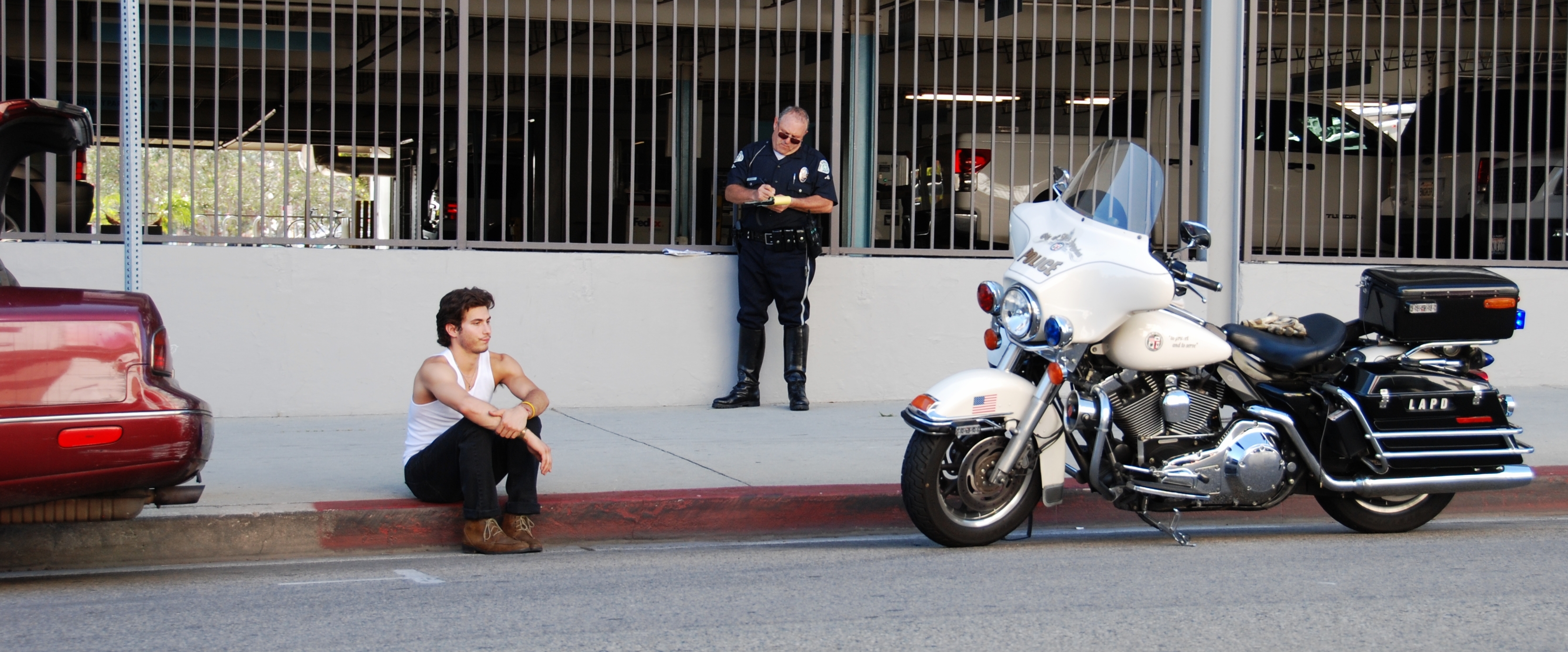
- Traffic Stops: Proof of auto insurance must be presented to law enforcement upon request during a routine traffic stop.
- Accident Scenes: Proof must also be presented to law enforcement at the scene of a collision.
When a driver buys an insurance policy to satisfy financial responsibility, California dictates the absolute floor of coverage they must purchase.
Important Date Note: The state recently adjusted its baseline requirements to reflect modern economic realities. As of January 1, 2025, the minimum limits have increased.
A standard California auto liability policy must carry minimum limits of 30/60/15.
| Coverage Type | 2025 California Minimum Limit | What it means |
|---|---|---|
| Bodily Injury (Per Person) | $30,000 | The maximum the insurer will pay for injuries to a single person in an accident caused by the insured. |
| Bodily Injury (Per Accident) | $60,000 | The maximum the insurer will pay for injuries to all people combined in an accident caused by the insured. |
| Property Damage (Per Accident) | $15,000 | The maximum the insurer will pay for damage to other people's property (vehicles, fences, structures) caused by the insured. |
The Principle of Exhaustion and Self-Damage
Liability insurance exists to make the victim whole, not the at-fault driver. Therefore, California auto liability insurance policies do not pay for physical damage to the at-fault insured driver's own vehicle.
Furthermore, minimum limits are rarely enough. What happens if your client carries the $15,000 minimum property damage limit and totals someone's $60,000 luxury SUV?
When an at-fault driver's auto liability limits are exhausted, the at-fault driver becomes personally responsible for paying any remaining bodily injury or property damage costs. Their wages can be garnished, and their assets can be seized. This is why you must advise clients to purchase limits that match their actual net worth, not merely the statutory minimum.
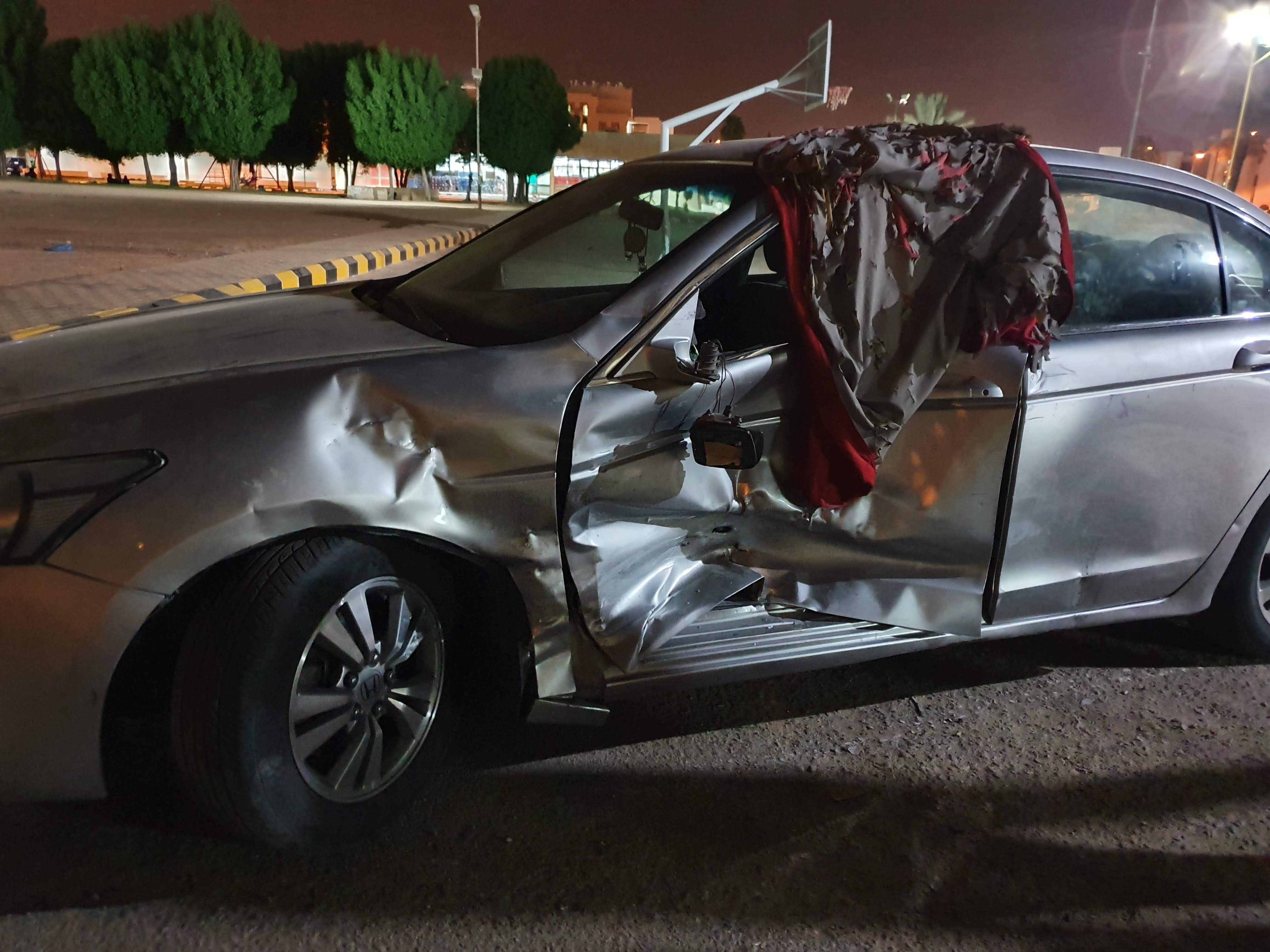
Despite financial responsibility laws, many drivers remain uninsured. To protect your clients from these drivers, California heavily regulates Uninsured Motorist (UM) and Underinsured Motorist (UIM) coverages.
Uninsured Motorist Bodily Injury (UMBI)
California law requires insurers to offer uninsured and underinsured motorist bodily injury coverage on every auto liability policy.
However, uninsured motorist coverage is not legally mandatory for California drivers to purchase. If an applicant wishes to decline this protection, the law demands rigorous proof of their decision. A California auto insurance applicant must sign a specific written waiver to legally reject uninsured motorist coverage.
The burden of keeping this waiver rests entirely on the insurer. If a California insurer cannot produce a signed written waiver at the time of a claim, uninsured motorist coverage is automatically included in the applicant's auto policy by operation of law.
Uninsured Motorist Property Damage (UMPD)
Similarly, California insurers must offer Uninsured Motorist Property Damage coverage on all auto liability policies. How this coverage behaves depends entirely on whether the client has purchased Collision coverage:
- For vehicles carrying collision coverage: UMPD acts as a waiver of the collision deductible. If the insured is hit by an identified uninsured driver, their collision coverage pays for the damage, and they do not have to pay their deductible out of pocket.
- For vehicles without collision coverage: UMPD pays up to $3,500 for vehicle damage caused by an identified uninsured driver.
Notice the recurring keyword: Identified. The uninsured driver must be known. UMPD will not cover a mysterious hit-and-run where the offending vehicle escapes into the night.
Underinsured Motorist (UIM) Mechanics
Underinsured motorist coverage ensures that an injured driver can collect up to the limit of the injured driver's own policy when the at-fault driver lacks sufficient liability coverage.
The exam will test your understanding of exactly how UIM limits are calculated. It is not additive; it is subtractive. In a California underinsured motorist claim, the injured party's insurer subtracts the at-fault driver's liability payout from the injured party's underinsured motorist limit.
Worked Example: Your client has a UIM Bodily Injury limit of $100,000. They are severely injured by an at-fault driver who only carries the $30,000 minimum liability limit.
- Step 1: The at-fault driver's insurance pays your client $30,000 (exhausting their policy).
- Step 2: Your client's insurer takes the client's $100,000 UIM limit and subtracts the $30,000 already received.
- Step 3: Your client's UIM coverage will pay a maximum of $70,000.
Your client receives $100,000 total, which is exactly the limit they purchased to protect themselves.
Insurance pricing is complex, but California voters decided that safe drivers deserve a mandated, predictable reward. Proposition 103 mandates that California insurers must offer a Good Driver Discount to all eligible auto insurance applicants.
This is not a marketing gimmick; it is a statutory right. California insurers cannot refuse to sell an auto policy to an applicant who meets the statutory California Good Driver criteria. Furthermore, the California Good Driver Discount must reduce the policy premium by at least 20 percent compared to standard rates.
Eligibility and Disqualification
To earn this discount, the driver must possess a proven track record. To qualify for the Good Driver Discount, an applicant must have been licensed to drive for the previous three consecutive years.
The discount is easily lost through poor driving behavior:
- Points: An applicant loses Good Driver Discount eligibility if the applicant accumulates more than one violation point on a driving record in the past three years.
- At-Fault Accidents: A driver is ineligible for the Good Driver Discount if the driver was the principally at-fault party in an accident involving bodily injury or death in the past three years.
- DUI: A driving under the influence conviction within the past ten years automatically disqualifies an applicant from the California Good Driver Discount.
Financial responsibility laws create a dilemma: what happens to safe drivers who simply cannot afford standard insurance premiums? Without a safety valve, these drivers would either be forced off the road (losing their ability to commute to work) or forced to drive illegally uninsured.
The California Low Cost Auto (CLCA) program provides state-sponsored, affordable minimum liability insurance to income-eligible drivers.
CLCA Limits vs. Standard Limits
A California Low Cost Auto policy legally satisfies the state's financial responsibility requirements despite having lower limits than standard policies.
While standard policies require 30/60/15 limits, the CLCA provides a localized exception:
- The CLCA bodily injury liability limit is $10,000 per person.
- The CLCA bodily injury liability limit is $20,000 per accident.
- The CLCA property damage liability limit is $3,000 per accident.
Strict Eligibility Criteria
Because it offers subsidized access to legal driving privileges, the CLCA is fiercely gated. To qualify, an applicant must meet all of the following:
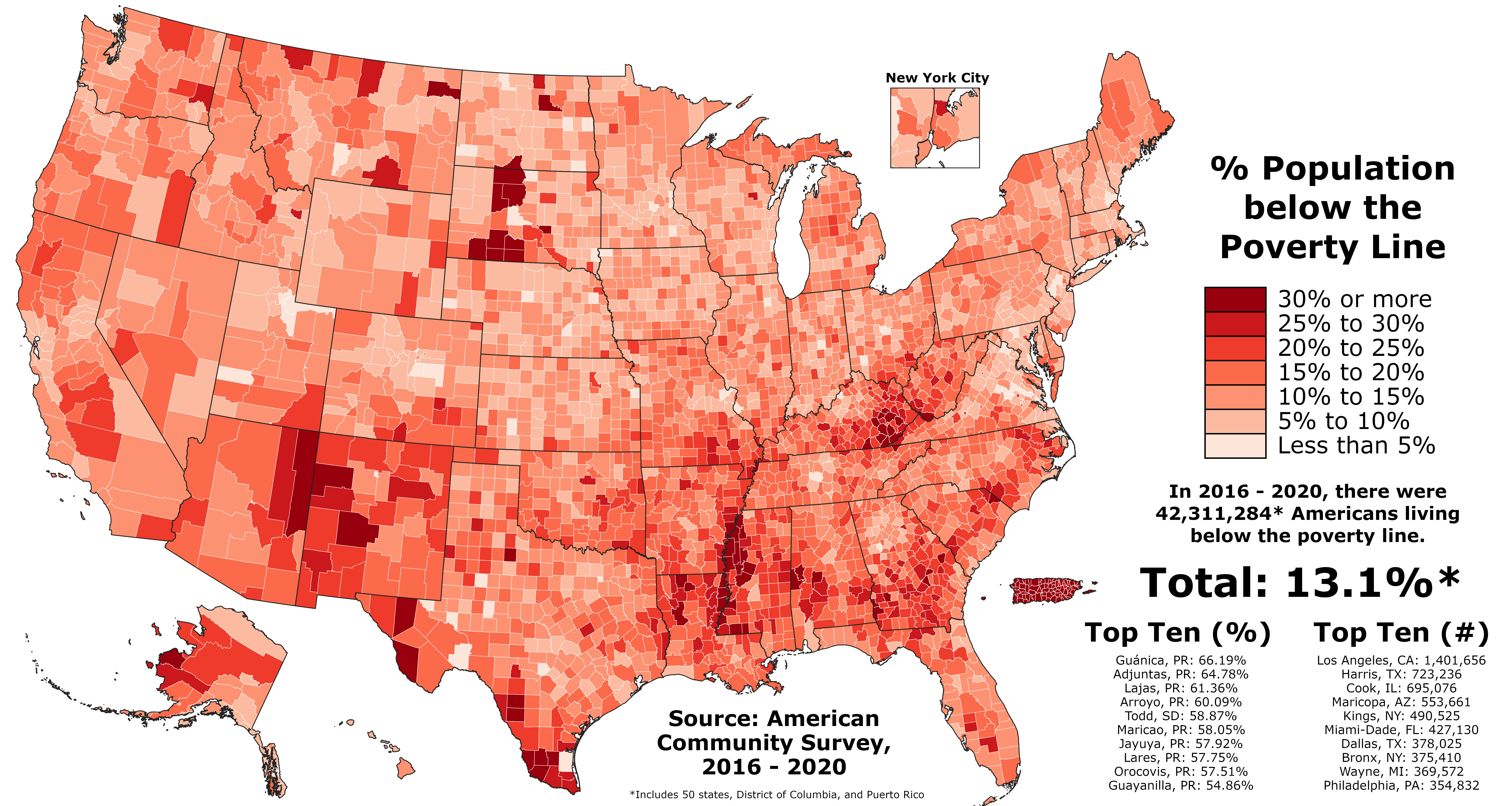
- Income: A driver's household income must not exceed 250 percent of the Federal Poverty Level.
- Age: An applicant must be at least 19 years old to qualify.
- Driving Record: An applicant must meet the Proposition 103 Good Driver criteria. (This program is for low-income drivers, not dangerous drivers).
- Vehicle Value: A vehicle insured under the California Low Cost Auto program must be valued at $25,000 or less.
Coverage Restrictions and Options
The CLCA is designed purely for baseline liability. Therefore, comprehensive and collision coverages are not available for purchase through the California Low Cost Auto program. If a client wants physical damage coverage for their vehicle, they must purchase a standard auto policy in the private market.
However, the program does allow policyholders to optionally purchase two vital first-party medical protections:
- California Low Cost Auto policyholders can optionally purchase uninsured motorist bodily injury limits of $10,000 per person and $20,000 per accident.
- California Low Cost Auto policyholders can optionally purchase medical payments coverage of $1,000 per person.
The Producer's Duty
The state relies on you, the licensed producer, to act as the conduit to this program. California insurance producers must inform prospective clients about the California Low Cost Auto program whenever a client inquires about a minimum limits policy.
You cannot withhold this information simply because the commissions on a CLCA policy might be lower. Your license is a grant of trust from the state, and part of that trust involves ensuring equitable access to the legal privilege of driving. Familiarize yourself with these parameters—they are not just exam questions, they are the functional rules of the road you will navigate every day in your practice.