Definition of the Insured, Duties, and Obligations
Not sure you’re ready?
Take the ~3-minute readiness diagnostic and see where you stand.
At its core, an insurance policy is a conditional contract of conditional promises. It is a highly engineered legal mechanism designed to do exactly two things: define a precise radius of financial protection, and dictate the exact behavioral triggers required to activate that protection. As an aspiring producer, you are not simply selling a product; you are configuring this legal machinery for your clients. If the wrong entity is listed on the policy, or if a client fails to take a specific action in the hours following a catastrophic fire, the machinery halts. Coverage fails. Millions of dollars can evaporate due to a single, misunderstood clause.
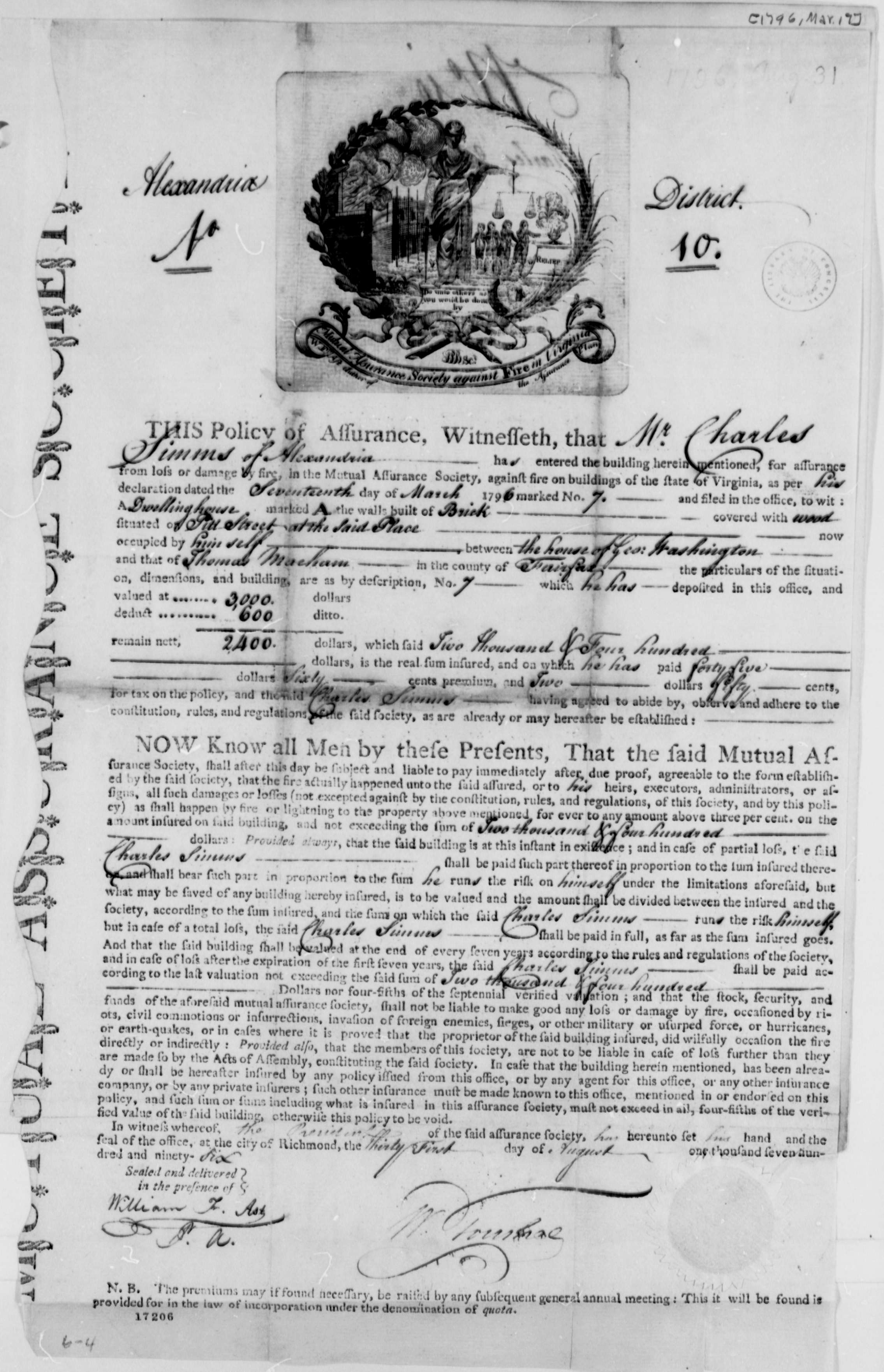
To master property and casualty insurance, you must first master the actors involved and the strict choreography of their duties. We will examine the taxonomy of the insured, map the precise obligations placed upon them when disaster strikes, and outline the immovable duties the insurance company must execute in return.
In common conversation, people say "I have insurance." In the legal reality of a property and casualty contract, the "I" is a heavily fractionated concept. Coverage does not apply uniformly to everyone connected to a property or business. It applies based on a strict hierarchy of definitions.
The Core: Named and First Named Insureds
The foundation of any policy is the Named Insured. By definition, the Named Insured is the person or entity explicitly listed on the declarations page of a property and casualty insurance policy. This is the primary subject of the contract.
However, in commercial lines, the structure demands a single point of authority. Businesses have multiple partners, subsidiaries, and stakeholders. If a dispute arises over coverage, the insurer cannot negotiate with five different board members simultaneously. Therefore, the contract establishes the First Named Insured, which is the person or entity whose name appears first on the declarations page of a commercial insurance policy.
This positioning is not merely alphabetical. The First Named Insured acts as the "prime minister" of the policy. Because of their primacy, the First Named Insured assumes primary responsibility for paying policy premiums on a commercial insurance policy. Furthermore, to prevent internal corporate chaos from affecting the insurer, the First Named Insured holds the exclusive right to cancel a commercial insurance policy.
The Orbit: Other Insureds
A policy often needs to cover a household, not just the individual who signed the paperwork. Enter Other Insureds, which are individuals or entities covered by the policy definition despite not being explicitly named on the declarations page.
In a standard homeowners property insurance policy, the contract automatically extends coverage to the immediate family unit living under the roof. Specifically:
- A resident spouse of the named insured is automatically covered as an insured.
- Resident relatives of the named insured are automatically covered as insureds.
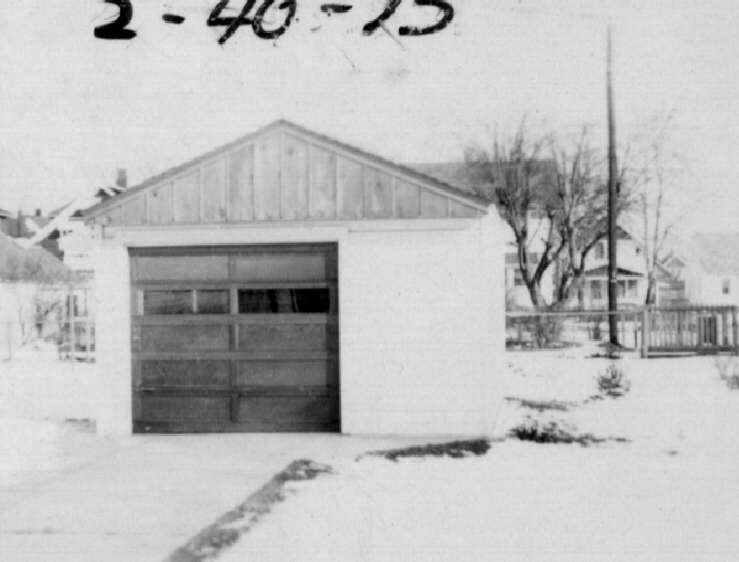
Why this matters for your practice: If your client’s teenage daughter, who lives at home, accidentally burns down the detached garage, the loss is covered. She is a resident relative, making her an "Other Insured," possessing the same property and liability protections as her parents.
The Attachments: Additional Insureds
Business transactions frequently require one party to protect another. This is accomplished through an Additional Insured, which is a person or entity added to an insurance policy by a specific endorsement.
By requiring an endorsement, an Additional Insured gains a degree of protection under a policy despite not being the original purchaser of the insurance policy. For example, a property owner will typically require a general contractor to name the owner as an Additional Insured on the contractor’s liability policy. If the contractor drops a steel beam on a pedestrian, and the pedestrian sues both the contractor and the property owner, the contractor's policy will extend defense and indemnification to the owner.
Special Entities: Mortgages and Estates
Insurance contracts must also account for those who hold a financial stake in the property, as well as the inevitable reality of human mortality.
- The Mortgagee: Banks do not lend money; they lend collateral. Because a bank's financial interest is tied to the physical integrity of a home, a mortgagee listed on a property policy has the right to receive notice of cancellation from the insurance company. If the homeowner stops paying premiums, the bank is warned so they can force-place insurance. Furthermore, a mortgagee listed on a property policy has the right to file a proof of loss if the named insured fails to do so, ensuring the bank can recover its loan value even if the homeowner abandons a burned-down house.
- The Deceased Insured: When a Named Insured dies, their property still requires protection while the estate is settled. In this event, a legal representative of a deceased named insured temporarily assumes the rights and duties of the insured under the property insurance policy until the property is sold or the policy expires.
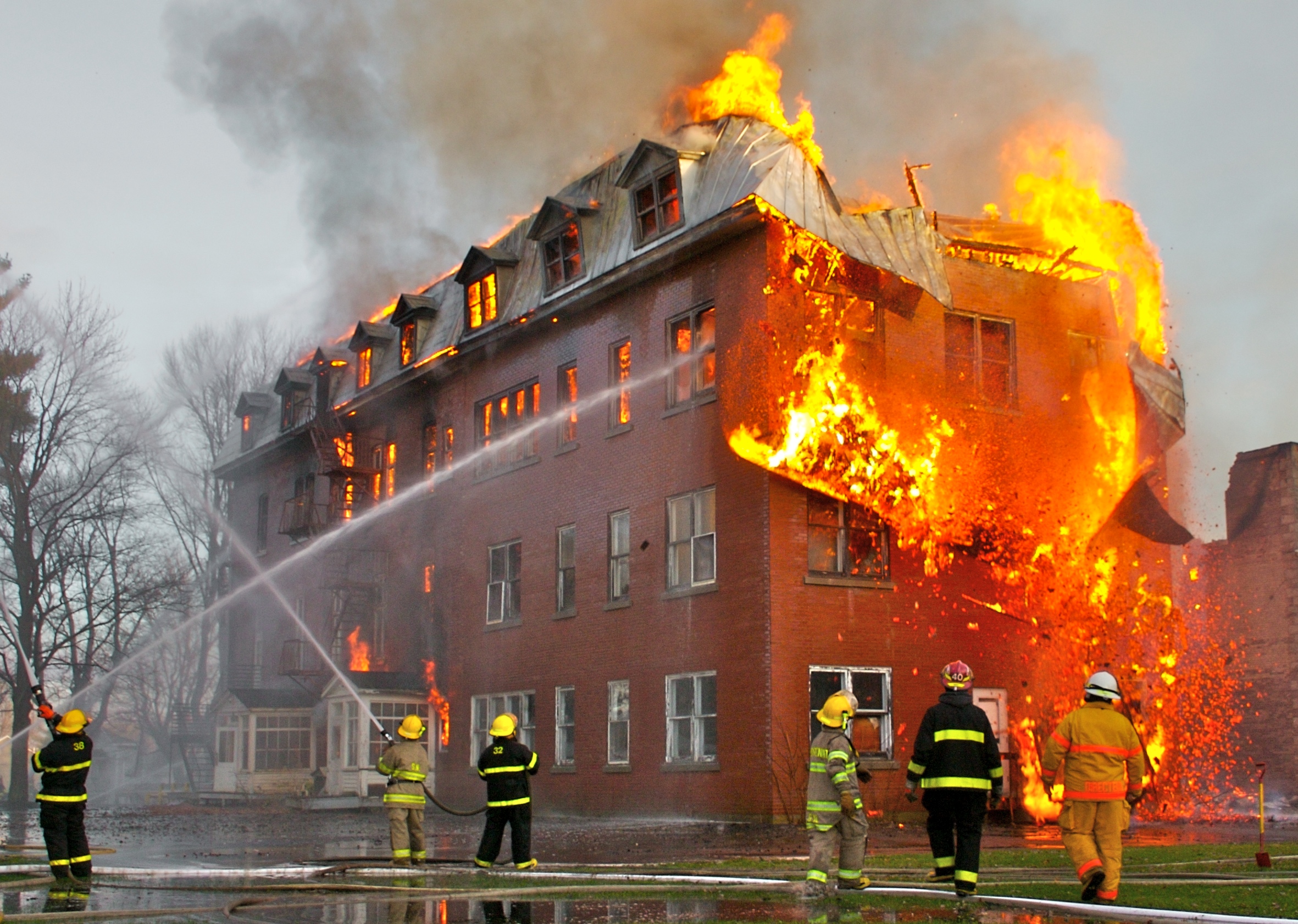
An insurance policy is a conditional contract. The insurer's promise to pay is strictly contingent on the insured fulfilling a set of rigid operational duties immediately following a loss. If your client calls you at 3:00 AM standing outside their burning bakery, your first job is advising them of these exact duties.
Phase 1: The Alarm and Triage
The very first obligation is communication. The insured must provide prompt notice of a property loss to the insurance company or the authorized insurance agent. Insurers cannot investigate cold trails; they need to see the damage while the ashes are still wet.
If the loss involves criminal activity, secondary alarms must be pulled:
- The insured must immediately notify the police if a property loss is caused by theft.
- The insured must notify credit card or fund transfer companies in the event of credit card theft or unauthorized electronic fund transfers covered by the policy.
Once the immediate threat has passed, the insured must shift into mitigation. The law forbids an insured from letting a bad situation get worse simply because "insurance is paying for it."
- The insured must protect covered property from further damage following an initial covered property loss.
- The insured must make reasonable and necessary temporary repairs to protect damaged property from subsequent damage (e.g., throwing a tarp over a hole in the roof to prevent rain from ruining the hardwood floors).
- Because the insurer reimburses these mitigation efforts, the insured must keep an accurate record of all expenses incurred while making temporary repairs to damaged property.
Phase 2: Organization and Documentation
As the claim progresses, the insurer needs to reconstruct the financial value of the loss. The policy requires the insured to organize the chaos.
First, the insured must separate damaged property from undamaged property during the claims process. This allows claims adjusters to clearly see what is salvageable and what is destroyed.
Next comes the rigorous accounting. The insured must prepare a detailed inventory of all damaged personal property for the insurance company. This cannot be a rough guess. A damaged property inventory must include exact quantities, costs, actual cash values, and the total amount of loss claimed.
Phase 3: The Formal Investigation
The insurer has the right to verify the validity of the claim. To facilitate this, the insured must cooperate entirely with the insurance company during the formal investigation of an insurance claim. This cooperation takes three heavily tested forms:
| Duty | Description & Practical Application |
|---|---|
| Inspection | The insured must allow the insurance company to inspect the damaged property as often as reasonably required. The insurer can send structural engineers, cause-and-origin fire investigators, and adjusters multiple times. |
| Examination | If suspicion of fraud arises, or facts are unclear, the insured must submit to an examination under oath if formally requested by the insurance company during a claim investigation. This is a legally binding interview conducted by an attorney. |
| Proof of Loss | Ultimately, the insured must submit a signed sworn proof of loss document to the insurance company. This is a formalized, notarized affidavit confirming the details and value of the claim. A standard property insurance policy typically requires the insured to submit a sworn proof of loss within sixty days of the insurer requesting the document. |

If the insured executes their duties flawlessly, the immense financial machinery of the insurance carrier engages. The insurer is bound by strict statutory and contractual deadlines to resolve the matter fairly.
The Procedural Obligations
An insurer cannot simply ignore a claim. They are bound by an operational timeline designed to protect the consumer from bureaucratic delays.
- The insurance company must promptly acknowledge the receipt of a formally filed insurance claim.
- The insurance company must provide necessary claim forms to the insured within a legally specified number of days after receiving notice of a claim (this timeframe varies slightly by state, typically 10 to 15 days, but the national core tests the existence of this prompt obligation).
The Adjudication Obligations
Once the forms are returned, the insurer acts as the investigator and the judge of the contract.
- The Investigation: The insurance company must conduct a prompt, fair, and reasonable investigation of every filed insurance claim. They cannot deny a claim based on a hunch; they must have evidentiary backing.
- The Decision: The insurance company must explicitly accept or deny coverage for an insurance claim. Ambiguity is legally unacceptable.
- The Explanation: If the claim is rejected, the insurance company must provide a clear written explanation to the insured when denying an insurance claim, specifically citing the policy exclusions or conditions that triggered the denial.
- The Payment: If the claim is validated, the insurance company must pay covered claims promptly after liability and damages are definitively established.
The Liability Shield: The Duty to Defend
In property insurance, the insurer writes a check for a burned building. But in casualty (liability) insurance, the insurer provides an entirely different, arguably more valuable service: legal defense.
The insurance company has a duty to defend the insured against liability lawsuits covered under the insurance policy. If your client's dog bites a neighbor, the insurer doesn't just pay the medical bills—they hire the lawyers to fight the $500,000 lawsuit in court. The cost of this legal defense is frequently provided in addition to the policy limits.

However, this shield is not infinite. The insurance company's duty to defend the insured terminates once the policy limits are completely exhausted by the payment of judgments or settlements. If the client has a $100,000 bodily injury limit, and the insurer writes a check to the injured party for exactly $100,000 to settle the claim, the insurer's duty is finished. They pack up their briefcases, and any further legal defense or financial liability falls squarely on the insured's shoulders.
The Professional Reality: Understanding these limits, duties, and definitions is what separates an elite producer from a mere order-taker. When you structure a policy, you are defining who gets paid, who holds the power to cancel, and exactly how they must act on the worst day of their lives. Master these mechanics, and you master the very physics of the insurance industry.