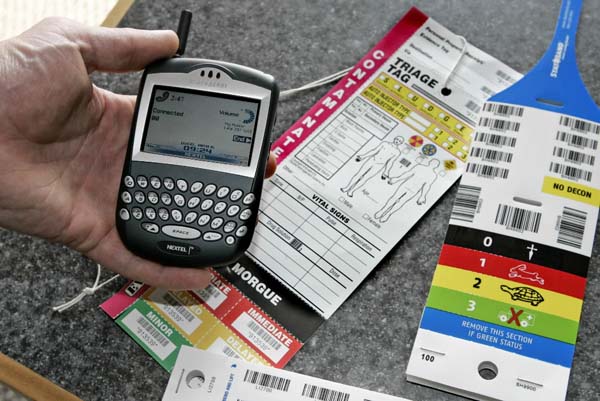
If the notice of claim is the triage, the Proof of Loss is the surgeon's final operative report. It is the ultimate substantiation of the claim.
A proof of loss is a formal sworn document submitted by the insured to the insurer, which provides the insurer with the official details of a property claim. Unlike the casual nature of a phone call or an app submission used for a notice of claim, the proof of loss carries the weight of a legal [affidavit](https://en.wikipedia.org/wiki/Affidavit).
A property insurance policy requires the insured to submit a signed and sworn proof of loss upon the insurer's request. The timeline here is strictly standardized: The standard time frame for an insured to submit a proof of loss is sixty days after the insurer requests the document.
Because an insurer relies on the proof of loss document to determine the exact monetary [liability](https://en.wikipedia.org/wiki/Legal_liability) for a claim, the document must be meticulously detailed. To be considered legally sufficient, the proof of loss must contain the following components:
- The exact time of the loss and the exact cause of the loss.
- An itemized detailing of the
[actual cash value](https://en.wikipedia.org/wiki/Actual_cash_value) or [replacement cost](https://en.wikipedia.org/wiki/Replacement_value) of the damaged property.
- A list of any other insurance policies covering the damaged property (to prevent the insured from illegally double-dipping across multiple carriers).
- The identification of all parties holding an insurable interest in the damaged property.
- A list of all
[encumbrances](https://en.wikipedia.org/wiki/Encumbrance) or [liens](https://en.wikipedia.org/wiki/Lien) on the damaged property.
The Consequences of Failure
Because the insurer cannot finalize a payout without this sworn arithmetic, failure to submit a requested proof of loss within the specified timeline can result in claim denial.
But what happens if the insured simply refuses to cooperate? Consider the earlier scenario of the arsonist. The policyholder who burns down their own house and is sitting in a [jail cell](https://en.wikipedia.org/wiki/Prison_cell) is certainly not going to submit a sworn proof of loss to help the bank recover its money.
The insurance contract anticipates this breakdown in cooperation. The mortgagee must submit a proof of loss if the insured fails to submit a proof of loss. The timeline shifts to accommodate this reality: The mortgagee typically has sixty days to submit a proof of loss after receiving notice of the insured's failure to submit the document. By stepping into the shoes of the insured, the mortgagee fulfills the procedural requirements of the contract, triggers the release of the settlement funds, and makes themselves financially whole.
As an insurance professional, mastering these intersecting timelines and duties allows you to see a property policy not just as a promise to pay, but as a meticulously engineered system of financial physics—one where every action, from a missed premium to a delayed notice, creates an equal and highly predictable contractual reaction.