Florida Health Insurance Mandates & Continuation of Coverage
Not sure you’re ready?
Take the ~3-minute readiness diagnostic and see where you stand.
The federal government establishes the broad, structural foundation of health insurance in the United States, but the actual living space—the granular protections that determine whether a newborn is covered in the delivery room, or whether a small bakery can secure coverage for its bakers—is constructed by the states. For an insurance producer operating in Florida, mastering the state's specific health insurance mandates and continuation rules is not merely an exercise in memorizing statutes. It is about understanding the exact dimensions of the safety net your clients rely on when life takes an unexpected turn. When a client loses their job at a small startup, or a family receives a complex medical diagnosis for a child, the difference between financial ruin and stability lies entirely in your grasp of the Florida Insurance Code.
We begin with the sudden loss of a job. You are likely familiar with the federal Consolidated Omnibus Budget Reconciliation Act (COBRA), which allows employees to temporarily keep their employer-sponsored health insurance after a qualifying event, like termination. But federal COBRA only applies to employers with 20 or more employees.
What happens to the mechanic at a 12-person auto shop? Or the graphic designer at a 5-person agency? Without state intervention, they would fall into a catastrophic gap.
State continuation of coverage laws function to ensure employees of businesses too small for federal COBRA can maintain group health insurance after a qualifying event. In this state, the mechanism is the Florida Health Insurance Coverage Continuation Act, universally and commonly referred to as Florida Mini-COBRA.
Florida Mini-COBRA applies strictly to employers who employ fewer than 20 employees. The mechanics of invoking this protection require precision: to trigger Florida Mini-COBRA, a qualified beneficiary must give written notice of a qualifying event to the insurance carrier within 63 days of the event.
Once invoked, how long does the safety net hold?
- Florida Mini-COBRA provides up to 18 months of continuation coverage for standard qualifying events (such as quitting or being laid off).
- If the qualified beneficiary is disabled at the time of the event (or becomes disabled within the first 60 days of continuation), Florida Mini-COBRA extends continuation coverage up to 29 months.
Now, who pays for this? The former employee does. However, the law places a ceiling on what the insurer can charge. The premium for Florida Mini-COBRA continuation coverage cannot exceed 115% of the regular group rate. That extra 15% compensates the insurer for the administrative friction of managing an individual account, but still keeps the premium tethered to the generally lower, pooled group rate.
Let’s turn our attention to how small businesses acquire insurance in the first place. In Florida, a small employer for group health insurance purposes is defined as one employing 1 to 50 employees.
When a small business owner comes to you seeking coverage, you must determine who actually counts as an employee for enrollment purposes. Florida law sets a very specific threshold: for Florida small group health insurance, an eligible full-time employee is defined as one who works a normal workweek of at least 25 hours. Notice how this is significantly lower than the standard 40-hour workweek; Florida intentionally sets this lower bar to ensure that more reduced-hour workers have access to group benefits.
Guaranteed-Issue: Guaranteed-issue requirements prevent insurers from denying small group health coverage based on the medical history or risk profile of the employees.
Florida law requires insurers to offer small employer group health plans on a guaranteed-issue basis regardless of employee health status. This is a profound protection. If a 10-person landscaping company has one employee recovering from a heart attack, the insurer cannot refuse to cover the group. As a producer, you can confidently tell your small-business clients that the door to coverage is open to them, no matter the health cards their employees have been dealt.
Florida is home to one of the largest senior populations in the country. Medicare Supplement insurance (Medigap) is a massive part of the state's insurance ecosystem, designed to cover the gaps left by Original Medicare.
To protect seniors from predatory pricing and buyer's remorse, Florida imposes strict structural rules on how these policies are sold and priced. First, Florida law mandates a 30-day free-look period for all new Medicare Supplement insurance policies. If your client changes their mind within those 30 days, they get a full refund, no questions asked.
Furthermore, Florida places tight restrictions on how pre-existing conditions are handled. Insurers in Florida cannot exclude pre-existing conditions from Medicare Supplement coverage for more than six months after the policy effective date.
The most fascinating mechanical rule in Florida's Medigap market, however, is how policies are priced over time. Medicare Supplement policies sold in Florida must be priced on an issue-age basis.
Issue-age rating in Medicare Supplement insurance locks in the policyholder's premium rate classification based on the applicant's age at the time of initial application. Imagine taking a snapshot of your client on the day they sign the paperwork. If they buy the policy at age 65, they will always be charged the "65-year-old rate" tier for that specific policy.
Under issue-age pricing, a Florida Medicare Supplement policyholder's premium will not increase strictly because the policyholder's age increases after purchase. (Note: The premium might increase due to inflation or rising healthcare costs, but the insurer cannot single out the policyholder and raise their rate just because they celebrated their 75th birthday).
A health insurance contract is only as good as the treatments it actually pays for. Left entirely to their own devices, insurance carriers would naturally exclude highly expensive or specialized treatments to maximize profitability. The Florida legislature steps in here with mandated benefits—specific conditions, treatments, and coverages that legally must be included in Florida policies.
1. Birth and Early Childhood
The protection of life begins immediately. Florida health insurance policies must cover a newborn child from the exact moment of birth. There is no waiting period. However, this coverage is not automatically permanent. To continue Florida health insurance coverage for a newborn, the policyholder must notify the insurer within 30 days of the birth and pay any required premium.

Florida also mandates specific protections for congenital anomalies. Florida law requires health insurance policies to cover medically necessary treatment for children born with a cleft lip or cleft palate.

For older children, the state mandates robust support for neurodevelopmental conditions. Florida large group health plans must cover autism spectrum disorder treatments for eligible individuals diagnosed by eight years of age.
- This Florida mandated autism spectrum disorder coverage specifically includes applied behavior analysis (ABA), speech therapy, occupational therapy, and physical therapy.
- To balance the immense cost of these therapies, Florida large group plans may cap mandated autism spectrum disorder coverage at a $36,000 annual limit and a $200,000 lifetime limit.
2. The "Age 30" Dependent Extension
Under federal law (the ACA), young adults can stay on their parents' health insurance until age 26. Florida looked at that federal baseline and pushed the envelope. Florida law requires group health insurers to allow policyholders to keep an unmarried adult child on a parent's plan up to the end of the calendar year the child turns 30.
To qualify for this extended dependent health coverage up to age 30 in Florida, the adult child must meet two strict criteria:
- They must have no dependents of their own.
- They must be a Florida resident or a student.
3. Women's Preventative Care and Oncology
Florida mandates highly specific preventative screening schedules for breast cancer, categorized by age. You must memorize these tiers:
| Age Group | Florida Mandated Mammogram Coverage |
|---|---|
| Ages 35–39 | Must cover a baseline mammogram. |
| Ages 40–49 | Must cover a screening mammogram every two years. |
| Ages 50 or older | Must cover an annual screening mammogram. |

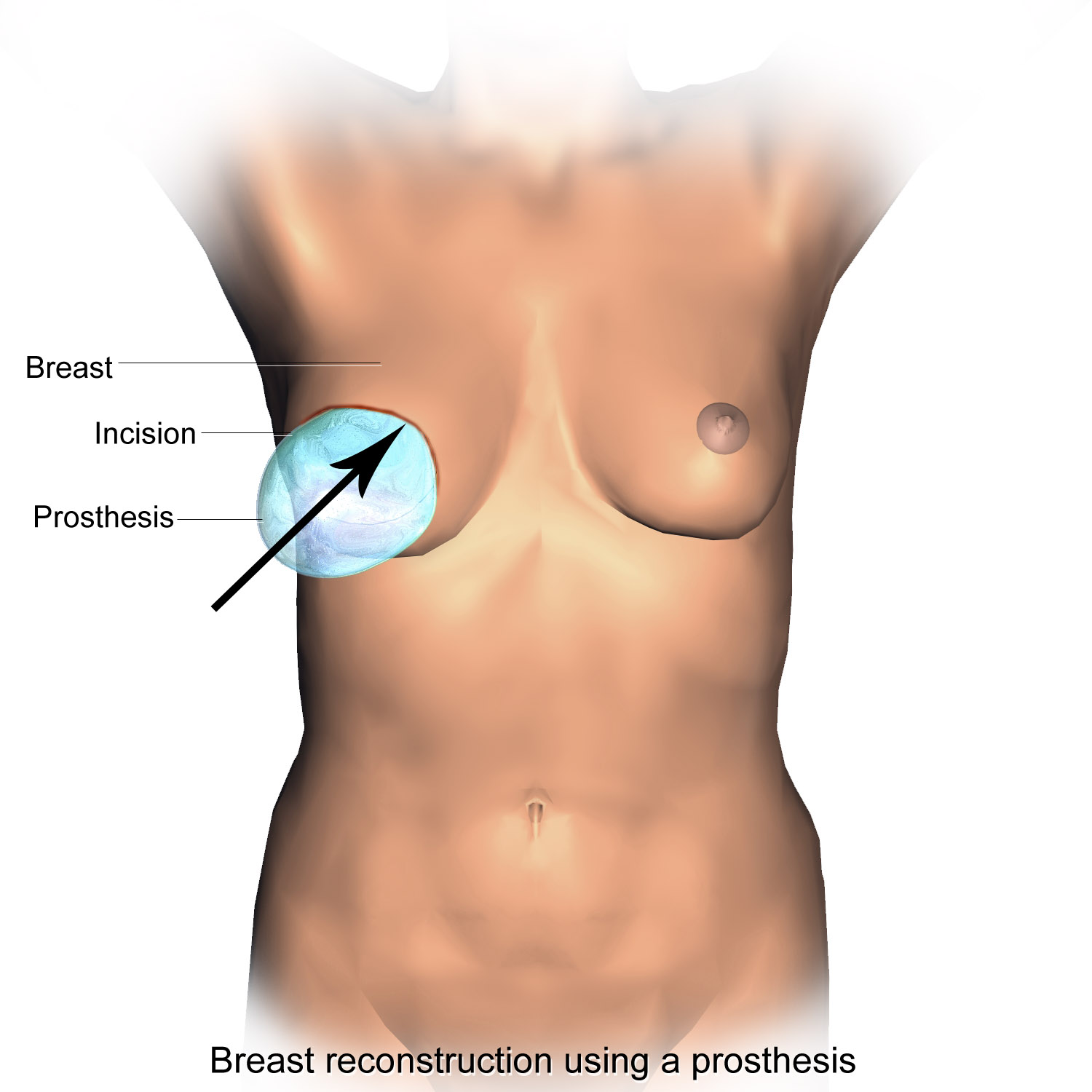
In the tragic event that cancer necessitates surgical intervention, the state ensures the physical and psychological recovery of the patient is not abandoned. Florida insurers that cover mastectomies must also provide coverage for breast reconstruction surgery and outpatient post-surgical care.
4. Chronic Illness and Specialized Procedures
The frontier of medical science often moves faster than the ink dries on an insurance contract. Historically, insurers would routinely deny life-saving treatments by classifying them as "experimental."
Florida law forcefully prohibits health insurers from excluding bone marrow transplant procedures as experimental, provided the procedure is accepted within the appropriate oncological specialty. If the consensus of cancer specialists is that the transplant is standard, viable medicine, the insurer must cover it.

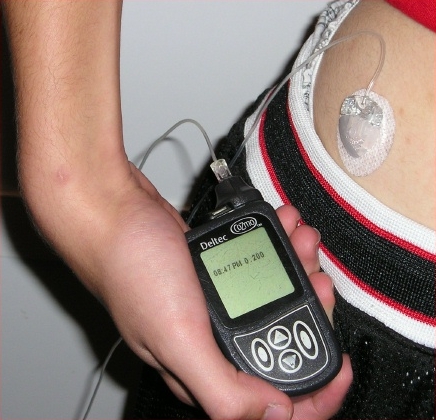
Finally, for the millions managing chronic metabolic conditions, Florida health insurance policies must cover medically appropriate equipment, supplies, and outpatient self-management training for diabetes. This ensures patients have the tools—from insulin pumps to educational resources—necessary to manage their blood sugar and avoid catastrophic, expensive emergency room visits down the line.
As you prepare for your exam, do not view these rules as isolated trivia points. They are a cohesive system. From the 25-hour worker gaining access to guaranteed-issue small group coverage, to the senior whose Medigap rate is locked in by their issue-age, to the 29-year-old student permitted to stay on a parent's plan—these mandates form the very architecture of healthcare access in the state of Florida.