Marketing, Sales Practices, and Unfair Trade
Not sure you’re ready?
Take the ~3-minute readiness diagnostic and see where you stand.
Insurance is fundamentally the sale of an invisible, abstract promise: the guarantee of future financial protection delivered at the exact moment of a client's greatest vulnerability. Because the product cannot be touched, test-driven, or instantly verified, the entire industry rests on a foundation of absolute trust and symmetric information. When an applicant purchases a life or health policy, they are relying on the producer's expertise and the insurer's integrity. Consequently, state regulators enforce strict codes of conduct to bridge the knowledge gap between the insurance professional and the consumer. Marketing regulations, replacement protocols, and claims settlement laws do not exist merely to create bureaucratic paperwork; they exist to ensure that this invisible promise is presented honestly, fits the client’s actual life circumstances, and pays out exactly as expected when tragedy strikes.

The first duty of an insurance producer is to ensure that the product being sold actually solves the client's problem. This is governed by the principle of suitability.
Suitability requires a producer to have reasonable grounds to believe a recommended insurance product meets the specific financial needs of the client. You are not a salesperson pitching a universally beneficial gadget; you are a risk manager fitting a precise tool to a precise structural vulnerability.
To determine if a life insurance policy or annuity is suitable, a producer must evaluate several specific metrics:
- The client's income: A policy is only as good as the client's ability to maintain the premium payments.
- The client's financial objectives: Are they trying to replace lost income, leave a legacy, or accumulate tax-deferred growth?
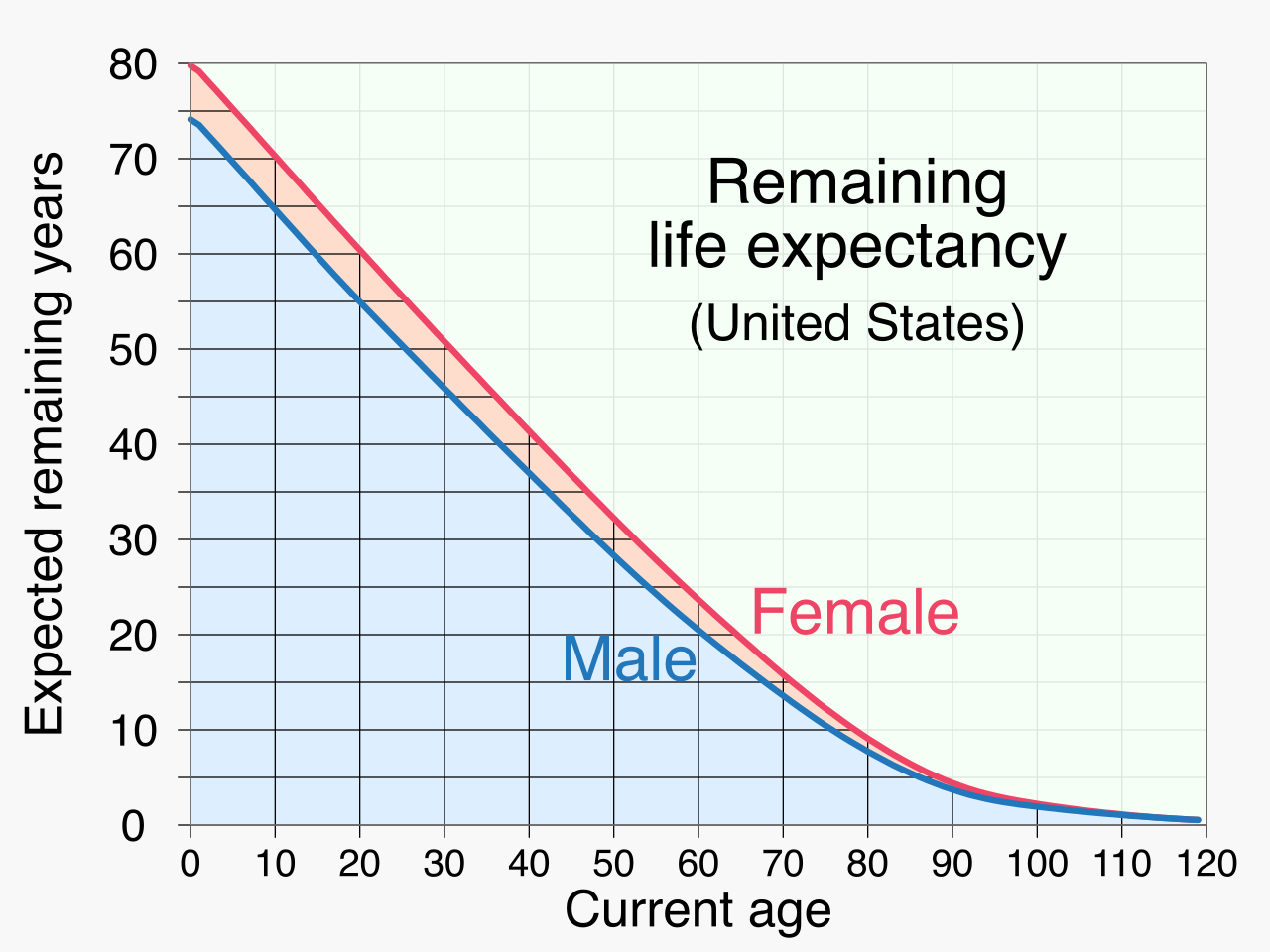
- The client's age: This is a mandatory factor to consider when determining life insurance and annuity suitability. A heavy-premium accumulation annuity might be brilliant for a 35-year-old, but entirely inappropriate for an 85-year-old seeking immediate liquidity.
Transparent Marketing and False Advertising
Because insurance is complex, the way you present yourself and your products is strictly regulated. False advertising is an unfair trade practice involving untrue or deceptive statements in insurance marketing materials.
Regulators require clarity regarding who is making the promise and what their role is. For example, producers cannot use titles like "financial planner" or "investment advisor" to imply they are fee-based consultants when they are, in fact, exclusively selling insurance for commissions. The client must know exactly how you are compensated and what you are licensed to provide.
Furthermore, all insurance advertisements must explicitly identify the specific insurance company responsible for the marketing material. You cannot run an anonymous ad offering "The cheapest term life rates in town" without revealing the underwriting insurer.
Think of an existing life insurance policy as a mature, fruit-bearing tree. The client has already paid the highest fees (which are front-loaded in the early years) and has aged, meaning their mortality risk has increased. If a client cuts that tree down to plant a new seed, they reset the clock on their investment and their contestability period.
Because replacing an existing policy is inherently risky for the consumer, state laws heavily regulate it. Replacement occurs when a new life insurance policy or annuity is purchased to take the place of an existing policy.
Crucially, replacement rules apply not just when a policy is outright canceled, but in any transaction where an existing policy is:
- Surrendered entirely.
- Allowed to lapse in order to purchase a new policy.
- Converted to reduced paid-up insurance (stopping premiums and reducing the death benefit).
- Converted to extended term insurance (using cash value to buy term coverage for the same death benefit).
The Mechanics of a Compliant Replacement
If a transaction triggers replacement rules, the producer must follow a strict, documented protocol to ensure the client is making a fully informed decision.
- The Notice Regarding Replacement: During a replacement transaction, the producer must present the applicant with a document called a Notice Regarding Replacement. This document explicitly warns the client of the financial realities of abandoning an existing policy.
- Required Signatures: Both the insurance producer AND the insurance applicant must sign the Notice Regarding Replacement.
- Sales Proposals: A producer must leave a copy of all printed sales proposals used during a replacement presentation with the applicant. The client must have a physical record of exactly what was promised.
- Insurer Communication: The replacing insurer (the new company) must notify the existing insurer of the impending policy replacement. This gives the existing insurer a chance to contact their client and conserve the policy if the replacement is not actually in the client's best interest.
Unfair trade practices are deceptive or discriminatory business methods prohibited by state insurance laws. These rules exist to maintain a level playing field among producers and to protect consumers from predatory tactics.
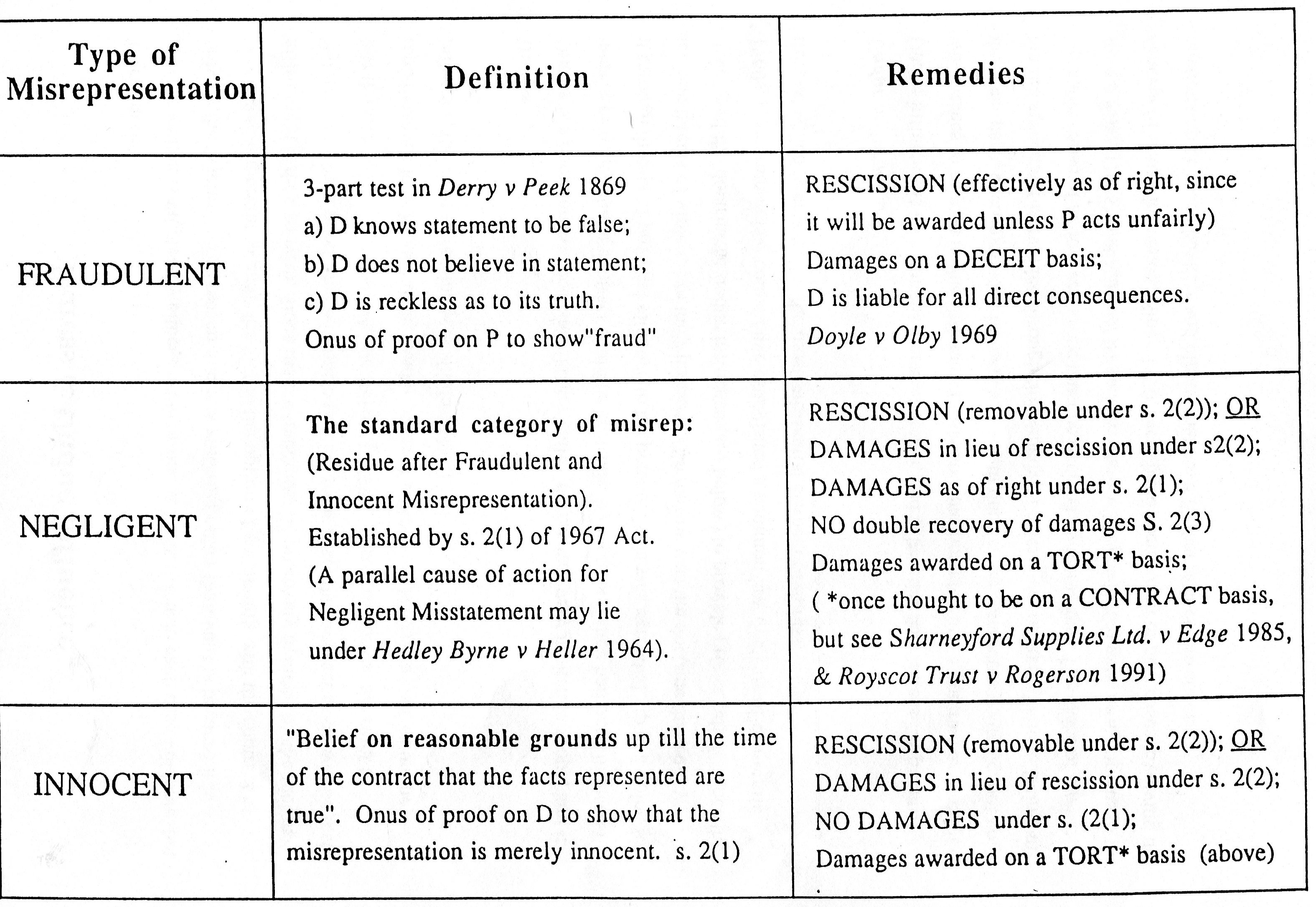
Misrepresentation involves making false or misleading statements about an insurance policy's benefits or terms.
A classic, highly tested example of misrepresentation is guaranteeing future dividends in a participating life insurance policy. Dividends are a return of unused premium based on the insurer's financial performance; because future performance cannot be predicted, guaranteeing them is a prohibited form of misrepresentation.
The Problem of "Flipping" Policies: Twisting vs. Churning
Producers make the bulk of their commission in the first year of a new policy. This creates an obvious moral hazard: the temptation to convince a client to drop an old policy to buy a new one, simply to trigger a new commission. Regulators divide this behavior into two distinct illegal practices based on where the new policy comes from.
| Practice | Definition | Key Characteristics |
|---|---|---|
| Twisting | The act of using misrepresentation to induce a policyholder to drop an existing policy. | Typically involves replacing a policy from a different insurance company to the financial detriment of the policyholder. |
| Churning | Replacing a client's existing policy with a new one from the same insurer solely to generate new commissions. | Often depletes the cash value of the original policy without providing a significant benefit to the policyholder. |
Rebating
You cannot bribe a client to buy an invisible promise. Rebating is the offer of anything of value not explicitly specified in the insurance contract as an inducement to purchase a policy.
Because insurance rates are filed and approved by the state to ensure solvency, offering a "discount" subverts the mathematical foundation of the entire risk pool. Therefore:
- Returning a portion of the producer's commission directly to the client is an example of illegal rebating. (e.g., "If you buy this policy, I'll give you back \$500 of my commission.")
- Offering a client an expensive personal gift (like VIP sports tickets or luxury vacations) in exchange for buying an insurance policy constitutes illegal rebating.
Note: Dividends paid by mutual insurers to policyholders are legally specified in the contract and do not constitute illegal rebating.
Defamation, Coercion, and Boycotting
Competition in the insurance market must be fought on the merits of the products, not through sabotage or extortion.
- Defamation is the act of making false or derogatory statements about the financial condition of an insurance company. The legal definition also includes malicious verbal statements designed to injure a person engaged in the insurance business. You cannot spread rumors that a rival agency is going bankrupt just to steal their clients.
- Coercion is an unfair trade practice intended to restrict fair trade or create a monopoly in the insurance market (e.g., a bank telling a borrower they will only approve a mortgage if the borrower buys life insurance from the bank's own subsidiary).
- Boycotting is a prohibited trade practice used to unreasonably restrict insurance commerce, such as an agency forcing all its producers to refuse to do business with a specific underwriter to run them out of town.
Unfair Discrimination
Insurers discriminate by definition—that is what underwriting is. They charge a 60-year-old smoker more than a 20-year-old marathon runner because the risks are different. However, the discrimination must be actuarially justified.
Unfair discrimination involves charging different premium rates to individuals of the exact same risk class and life expectancy.
- Refusing to insure a person solely because of blindness is considered unfair discrimination (blindness does not inherently reduce a person's actuarial lifespan).
- Refusing to issue a life insurance policy solely because the applicant is a victim of domestic abuse constitutes unfair discrimination.
The ultimate test of an insurance policy is the moment a claim is filed. If insurers behave unethically during the claims process, the entire social utility of insurance collapses. To prevent this, the NAIC Unfair Claims Settlement Practices Act standardizes state regulations for handling insurance claims.
Under this model legislation, insurers are legally bound to act with speed, fairness, and transparency. The following are heavily tested examples of prohibited unfair claims practices:

Communication and Investigation Failures
- Ignoring the client: Failing to acknowledge communications regarding claims in a prompt manner is an unfair practice.
- Blind denials: Refusing to pay claims without conducting a reasonable investigation is an unfair claims settlement practice. An insurer cannot simply guess that a claim is invalid; they must prove it.
- Stalling: Failing to affirm or deny coverage within a reasonable time after receiving formal proof of loss forms is a prohibited claims practice.
Deceptive Delay Tactics
- Double-demanding paperwork: Demanding the same information on both a preliminary claim report and a formal proof of loss form specifically to delay payment is an unfair claims practice.
- Altering documentation: Insurers are prohibited from altering claim applications without the direct consent of the insured in order to reduce claim payouts.
Predatory Settlement Tactics
- Lowballing based on ads: Attempting to settle a claim for less than a reasonable amount expected based on written advertising is an unfair claims practice. If the brochure promised a \$50,000 payout for a specific surgery, the insurer cannot offer \$10,000 and claim the advertising was "just marketing."
- Forcing litigation: Compelling insureds to initiate lawsuits by offering substantially less than the legally owed amount is an unfair claims practice. Insurers possess massive legal departments; they cannot use this asymmetry of power to starve a grieving family out of their rightful death benefit.
- Opaque denials: If an insurer denies a claim, they cannot just say "No." Insurers must promptly provide a reasonable explanation of the policy basis for denying an insurance claim.
By mastering these rules, a producer moves beyond merely understanding how to sell a policy. They understand how to uphold the systemic integrity of the entire insurance mechanism—ensuring that every invisible promise sold today will materialize into real, stabilizing financial relief tomorrow.