Appraisal, Other Insurance Provision, and Subrogation
Not sure you’re ready?
Take the ~3-minute readiness diagnostic and see where you stand.
The architecture of an insurance contract is designed around a single, uncompromising principle: restoring the insured to their precise pre-loss financial condition—no more, and no less. In a perfect world, claims would be seamlessly quantified, exactly one policy would apply, and the party responsible for the damage would immediately pay for it. But the world of property and casualty insurance is inherently messy. Disputes arise over the exact cost of drywall, overlapping commercial policies collide over a single fire, and negligent drivers cause pile-ups and then attempt to evade responsibility. To keep the mathematical and legal ecosystem of insurance from collapsing, the industry relies on three highly precise contractual provisions.
Understanding how to navigate valuation disputes, coordinate multiple policies, and transfer recovery rights is what separates a mere order-taker from an elite insurance producer.
When an insured suffers a loss, the insurer steps in to indemnify them. But what happens when both parties look at the same charred kitchen and arrive at vastly different numbers? The insured’s contractor says it will cost $45,000 to rebuild, while the insurer’s adjuster calculates the damage at $32,000.
Instead of dragging this $13,000 difference into an expensive, multi-year courtroom battle, the policy provides a pragmatic escape hatch. The appraisal clause is triggered when the insurer and the insured disagree on the monetary amount of a covered loss.

Crucial Distinction: The appraisal process cannot be used to resolve disputes about whether an insurance policy covers a specific loss. If the insurer argues the kitchen fire was caused by an excluded peril (like intentional arson), you cannot use appraisal to force them to pay. Appraisal determines how much, never if.
The Mechanics of Appraisal
The process operates like a highly structured, private arbitration tailored strictly to valuation. Here is how it unfolds:
- The Demand: Either the insurer or the insured can make a written demand for an appraisal to resolve a valuation dispute.
- Choosing Sides: Once the demand is made, the insurer and the insured must each hire a competent and impartial appraiser.
- The Tie-Breaker: The two chosen appraisers must select a mutually agreeable neutral third party called an umpire.
- Judicial Intervention: If the two appraisers cannot agree on a selection for the umpire, a judge of a court of record will appoint an appraisal umpire.
- The Calculation: The appraisers separately state the value of the property and the exact amount of the loss.
- Reaching a Verdict: If they agree, the claim is settled. If the appraisers fail to agree on the amount of loss, they submit their differences to the umpire.
- The Binding Resolution: A written agreement on the amount of loss by any two of the three appraisal participants (e.g., one appraiser and the umpire) is legally binding on both the insurer and the insured.
Following the Money: Who Pays for Appraisal?
Appraisal is efficient, but it is not free. The costs are distributed to ensure neither side can weaponize the process purely to drain the other's resources:
- The insured and the insurer each pay the expenses of their own independently selected appraiser.
- The insured and the insurer split the cost of the appraisal umpire equally.
- The insured and the insurer split the general administrative expenses of the appraisal process equally.
Sometimes, a single piece of property is protected by more than one active policy. Perhaps a homeowner has two overlapping policies due to a miscommunication during a home sale, or a contractor is covered by their own commercial liability policy while also being listed as an additional insured on a developer's policy.
If a $100,000 fire destroys a building covered by two separate $100,000 policies, the insured might logically think they are owed $200,000. The other insurance provision dictates how claim payments are allocated when multiple policies cover the same damaged property.
Fundamentally, the other insurance provision upholds the principle of indemnity. It exists strictly to prevent an insured from collecting a total payout exceeding the actual monetary amount of a loss. You cannot use insurance to turn a profit.
When overlapping coverage exists, the policies coordinate their payouts using specific methods:
1. Primary and Excess Allocation
Often, policies are layered by design.
- A primary insurance policy pays out first for a covered loss regardless of the existence of other overlapping policies.
- An excess insurance policy pays out for a covered loss only after the primary policy limits have been completely exhausted. (Think of personal umbrella policies, which sit silently in the background until the underlying auto or homeowners limits are drained).
2. Pro Rata Liability (The Fractional Share)
When two policies are on equal footing (both are primary), they must share the burden proportionally. Under a pro rata liability provision, each insurer pays a percentage of the loss.
The Formula: A pro rata percentage is calculated based on an individual insurer's policy limit divided by the total of all available insurance limits from all policies.
Example: A warehouse burns down, causing $60,000 in damage.
- Insurer A provides $100,000 in coverage.
- Insurer B provides $300,000 in coverage.
- Total Available Limits: $400,000.
Insurer A's share is $100,000 / $400,000 (25%). Insurer B's share is $300,000 / $400,000 (75%). For the $60,000 loss, Insurer A pays $15,000 and Insurer B pays $45,000. The insured is fully indemnified, but no one overpays.

3. Contribution by Equal Shares (The Dutch Treat)
Some commercial policies use a different method. Under contribution by equal shares, multiple insurers each pay an identical monetary amount toward the loss until the loss is paid in full or limits are exhausted.
However, insurers don't possess infinite checkbooks. An insurer's contribution under the equal shares method stops when that specific insurer's policy limit is reached. If a loss exceeds the smallest policy's limit, the remaining insurers continue to split the remainder equally until the loss is covered or all limits are exhausted.
| Mechanism | How they divide the check | When do they stop paying? |
|---|---|---|
| Pro Rata | Based on the ratio of their policy limits. | When the fractional share of the loss is paid. |
| Equal Shares | Exactly 50/50 (or 33/33/33). | When the loss is paid, or the individual policy limit is hit. |
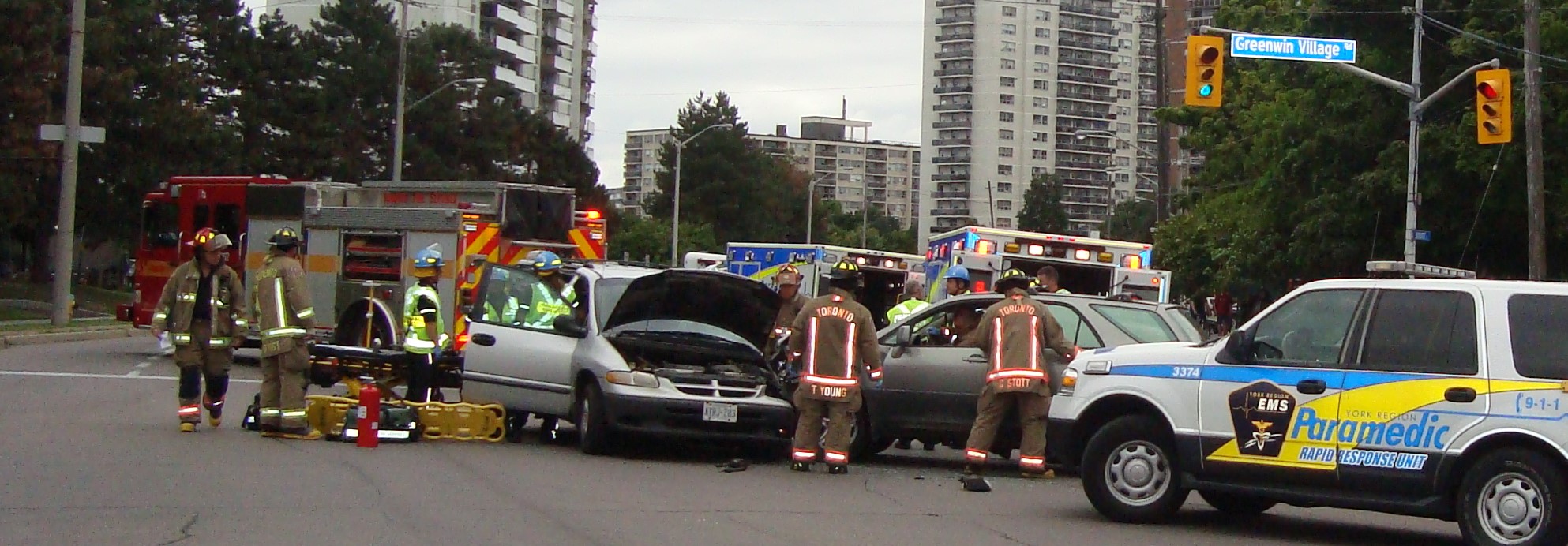
Imagine your client's parked car is obliterated by a drunk driver. The drunk driver is entirely at fault. However, the at-fault driver's insurance company is dragging its feet, and your client needs a car tomorrow.
Your client files a claim on their own auto policy. Their insurer pays $25,000 to replace the vehicle. The insured has been indemnified. But wait—should the insured's company simply absorb a $25,000 loss caused entirely by a negligent third party? Absolutely not. Enter subrogation.

Subrogation is the legal mechanism where an insurer assumes the insured's right to sue a negligent third party for damages. In standard property policies, the subrogation provision is also known as the "Transfer of Rights of Recovery Against Others to Us" provision.
The Rules of the Chase
The insurer essentially steps into the insured's shoes, gaining their legal rights. But this power is strictly regulated:
- The Trigger: An insurer gains the legal right of subrogation only after paying a claim to the insured. You cannot subrogate for a loss you haven't yet indemnified.
- The Limit: An insurer can only recover through subrogation up to the exact amount the insurer paid to the insured for the loss. (If the insurer paid $25,000 for the car, they cannot sue the drunk driver for $50,000 and pocket the difference).
- The Goal: The subrogation process ultimately holds the at-fault third party financially responsible for the caused damages, keeping premiums lower for everyone else.
Furthermore, subrogation serves a vital anti-fraud function: it prevents an insured from recovering compensation from both the insurer and the at-fault party for the identical loss. If your client collected $25,000 from their insurer, and then successfully sued the drunk driver for another $25,000, they would have profited from the loss. Subrogation ensures the at-fault party's money reimburses the insurer, not the insured's wallet.
Protecting the Right to Subrogate
Because subrogation is how insurers recoup millions of dollars in wrongfully incurred payouts, they fiercely protect this right in the contract.
An insured violates the insurance contract by doing anything after a loss that prejudices the insurer's right to subrogate against a third party. For example, if your client's neighbor burns down your client's garage, and your client says, "Don't worry, I won't sue you, my insurance will cover it," and signs a release of liability after the fire, they have just destroyed the insurer's ability to subrogate. The insurer can rightfully deny the client's claim for breaching the contract.
However, business reality often demands flexibility beforehand. An insured is generally permitted to waive the insurer's subrogation rights in writing before a loss occurs. This is incredibly common in commercial real estate. A landlord and a tenant might sign a lease with a "waiver of subrogation" clause. If the tenant accidentally starts a fire, the landlord's property insurer pays the claim but is contractually barred from suing the tenant to get the money back. Insurers allow this pre-loss waiver because their actuaries can factor that specific, agreed-upon risk into the premium before the policy is even issued.