Elements of a Contract, Warranties, and Concealment
Not sure you’re ready?
Take the ~3-minute readiness diagnostic and see where you stand.
Insurance is, at its physical core, nothing more than ink on paper. Its actual weight—the mechanism that rebuilds a burned-down manufacturing plant or protects a family from financial ruin following a catastrophic auto accident—is entirely rooted in contract law. An insurance policy is a legally binding contract between the insured and the insurer. As an insurance producer, you are not merely quoting premiums; you are facilitating the creation of a legally enforceable promise. Understanding the structural integrity of that promise is what separates an order-taker from a true risk advisor. If the foundational elements of the contract are flawed, or if the premises upon which the risk was evaluated are false, the entire edifice collapses, leaving the client exposed when they need coverage the most.
Any agreement can be written down, but for the courts to enforce it, it must meet strict legal criteria. A valid insurance contract requires four essential elements: agreement, consideration, competent parties, and legal purpose. If even one of these elements is missing, the contract is dead on arrival.
Let us examine how these elements operate in the daily reality of a property and casualty producer.
1. Agreement (Offer and Acceptance)
In contract law, an agreement is not a vague mutual understanding; the agreement element of an insurance contract consists of a definite offer and an acceptance.
When you sit across from a prospective client, the insurance company is not making the offer—the client is. The insurance applicant makes the contract offer by submitting a completed application to the insurer, coupled with financial commitment. Specifically, the insurance applicant makes the contract offer by submitting the initial premium payment to the insurer.
The insurer then reviews this offer. The insurer accepts the contract offer by issuing the insurance policy. However, business cannot always wait for underwriting to print a formal policy. In many daily scenarios, the insurer accepts the contract offer by issuing an insurance binder, which serves as immediate, temporary evidence of the accepted agreement.
2. Consideration
You cannot get something for nothing. Consideration is the required exchange of something of value between the parties entering into a contract. Think of consideration as the economic engine that powers the legal agreement.
- The Insured's Consideration: The insured's primary consideration in an insurance contract is the payment of the premium. However, money alone is not enough. The insured's consideration in an insurance contract includes the truthful representations made on the application. They are trading their cash and their honesty.
- The Insurer's Consideration: In exchange, the insurer does not hand over a physical good. The insurer's consideration in an insurance contract is the legally binding promise to pay for covered future losses.
3. Competent Parties
A contract is a voluntary assumption of obligation, which means the law requires everyone involved to fully understand what they are doing. The competent parties element requires all individuals involved to have the legal capacity to form a contract.
If a party lacks this capacity, the contract is voidable. As a producer, you must be acutely aware of who stands on legally solid ground. Specifically:
- Minors generally lack the legal capacity to enter into a binding insurance contract (with rare, state-specific statutory exceptions for items like minimum-limits auto insurance).
- Individuals under the influence of drugs or alcohol lack the legal capacity to enter into a binding insurance contract at the time of signing.
- Mentally incompetent individuals lack the legal capacity to enter into a binding insurance contract.
4. Legal Purpose
The courts will not enforce a contract designed to break the law or encourage social harm. The legal purpose element mandates that an insurance contract must not violate statutory law. Furthermore, the legal purpose element mandates that an insurance contract must not violate public policy.
In property and casualty insurance, this principle hinges on one critical mechanism: insurable interest. An insurance contract requires the presence of an insurable interest to satisfy the legal purpose element. You cannot insure a stranger's house and collect the money when it burns down. Without an insurable interest (a financial stake in the preservation of the property), the policy transforms from a tool of risk management into a gambling contract, which violates public policy.
When you ask an applicant a question, the legal weight of their answer determines the durability of the policy. Contract law categorizes these answers into two distinct buckets: representations and warranties. Confusing the two can cost your client millions of dollars in denied claims.
| Feature | Representation | Warranty |
|---|---|---|
| Definition | Statements believed to be true to the best of the insurance applicant's knowledge and belief. | A specific statement or promise guaranteed by the insured to be absolutely true. |
| Legal Status | Answers provided by an applicant on an insurance application are legally considered representations. | Warranties are strictly enforced legal provisions incorporated directly into the insurance contract. |
| Standard of Accuracy | Representations are not legally guaranteed to be exact or completely accurate. | The ongoing validity of the insurance policy depends upon the absolute literal truth of a warranty. |
| Penalty for Breach | A misstatement only voids coverage if it is material (alters underwriting/premium). | A breach of warranty provides legal grounds for the insurer to immediately void the insurance policy. |
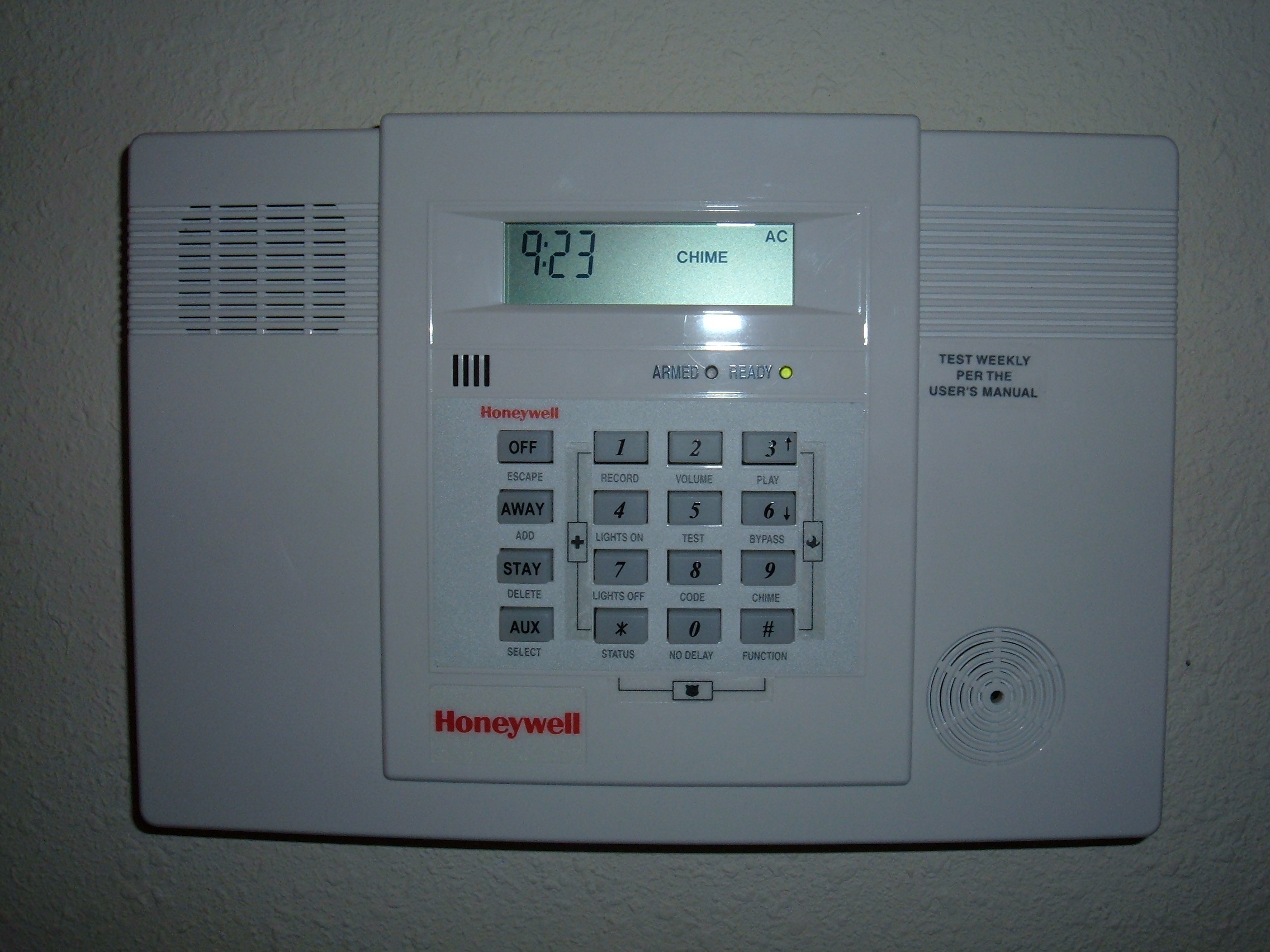
Analogy: If you ask a homeowner, "What year was the roof replaced?" and they answer, "I think 2018," that is a representation. If it turns out it was actually replaced in 2016, but the insurer would have issued the policy anyway, the coverage stands. Conversely, if a commercial client receives a premium discount for a central burglar alarm, the policy will contain a warranty stating the alarm will be active during non-business hours. If the client forgets to turn the alarm on one night and the warehouse is robbed, the warranty is breached. The insurer owes nothing, even if the client's failure was an innocent mistake.
Insurance pricing relies entirely on the law of large numbers and accurate risk assessment. When an applicant distorts the reality of their risk, they corrupt the entire mathematical foundation of the contract. The law provides insurers with powerful remedies against deception.
Misrepresentation
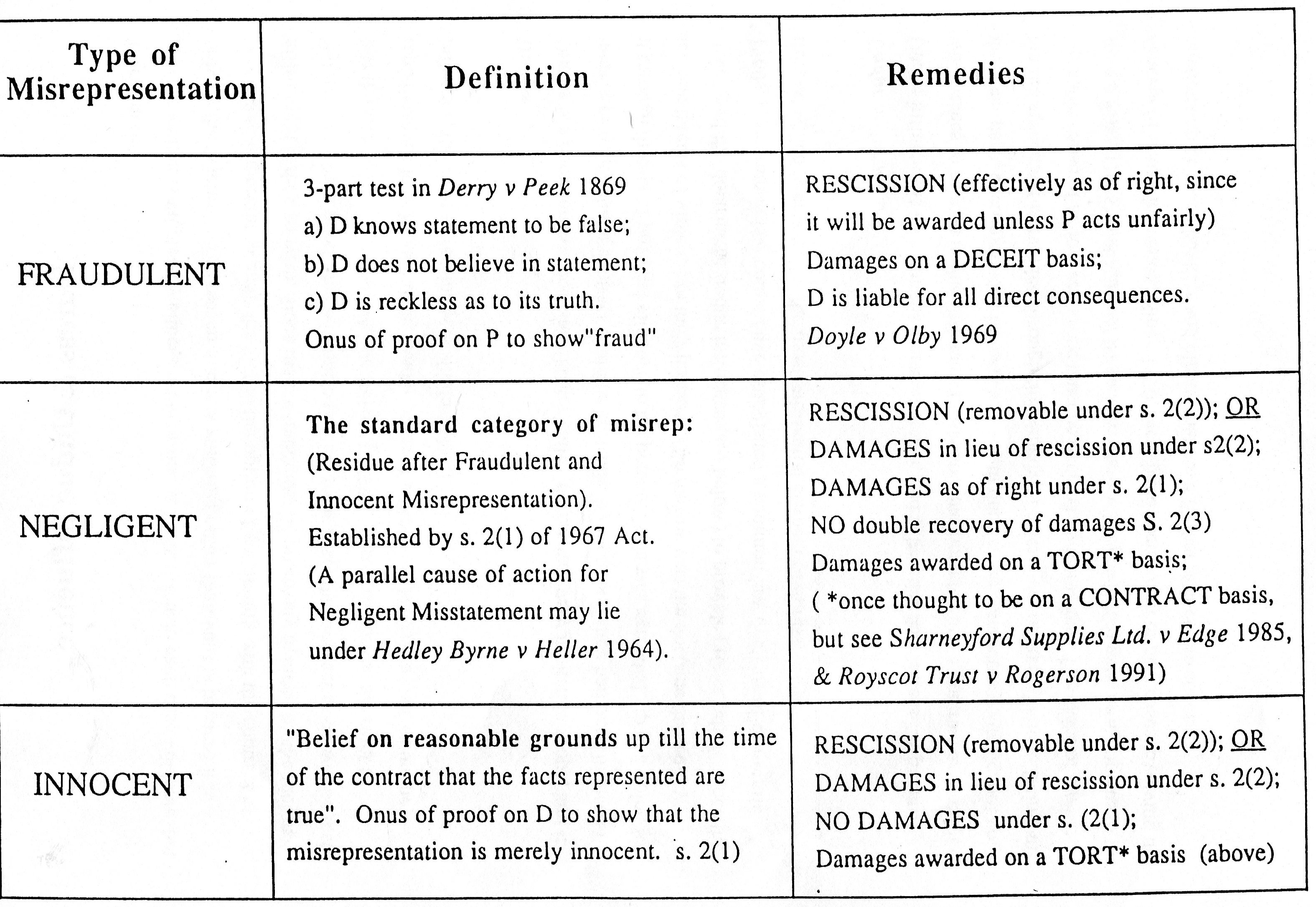
A misrepresentation is an untrue statement made by the applicant on the insurance application.
Not all misrepresentations destroy a contract. If a client mistakenly says their car is blue when it is actually black, it is a misrepresentation, but it is entirely irrelevant to the risk. However, a material misrepresentation is fatal.
- A material misrepresentation is a false statement that would negatively alter the insurer's underwriting decision (e.g., they would have declined the risk).
- Alternatively, a material misrepresentation is a false statement that would negatively alter the insurer's premium calculation (e.g., they would have charged a substantially higher premium).
If a teenager has two DUIs, but the application falsely states they have a clean driving record, that is a material misrepresentation. The legal consequence of a material misrepresentation is that the insurer gains the right to void the entire insurance contract.
Concealment
While misrepresentation is an active lie, concealment is the sin of omission. Concealment is the intentional withholding of material information by the insurance applicant.
If an applicant is seeking commercial property insurance and conveniently forgets to mention that their adjacent neighbor manufactures fireworks, this is concealment. Why? Because material information is critical data that a prudent underwriter needs to make an informed risk assessment. Just like a material misrepresentation, the legal consequence of concealment is that the insurer gains the right to void the entire insurance contract.
Fraud
Fraud is the weaponization of a falsehood for profit. It goes beyond merely trying to secure coverage; it is an active theft mechanism.
- Fraud involves an intentional misrepresentation designed to deceive the insurer for unfair financial gain.
- It also involves an intentional concealment of facts designed to deceive the insurer for unfair financial gain.
Staging a fake auto accident or intentionally burning down a failing business to collect the insurance proceeds are classic examples of fraud. Naturally, fraud committed by the insured gives the insurer the legal right to cancel or void the policy, in addition to triggering severe criminal penalties.
Notice how frequently the penalty for breaching these rules is the insurer's right to void the contract. It is crucial to understand that voiding a policy is fundamentally different from canceling a policy.
Cancellation stops coverage on a specific future date. Voiding (also known legally as rescission) is an act of legal time travel. Voiding an insurance policy treats the insurance contract as if the agreement never legally existed.
If a policy is voided due to a material misrepresentation discovered during a claim investigation six months after the policy was issued, the insurer will deny the claim, refund all premiums paid by the insured, and legally erase the relationship. To the eyes of the law, the insurer and the insured never met.
As a producer, your rigorous attention to gathering accurate applications—ensuring a valid offer, robust consideration, competent parties, and an absolute lack of concealment—is the only thing standing between a client's catastrophe and an insurer's legal right to treat the policy as if it never existed.