Florida Property Insurance Laws & Residual Markets
Not sure you’re ready?
Take the ~3-minute readiness diagnostic and see where you stand.
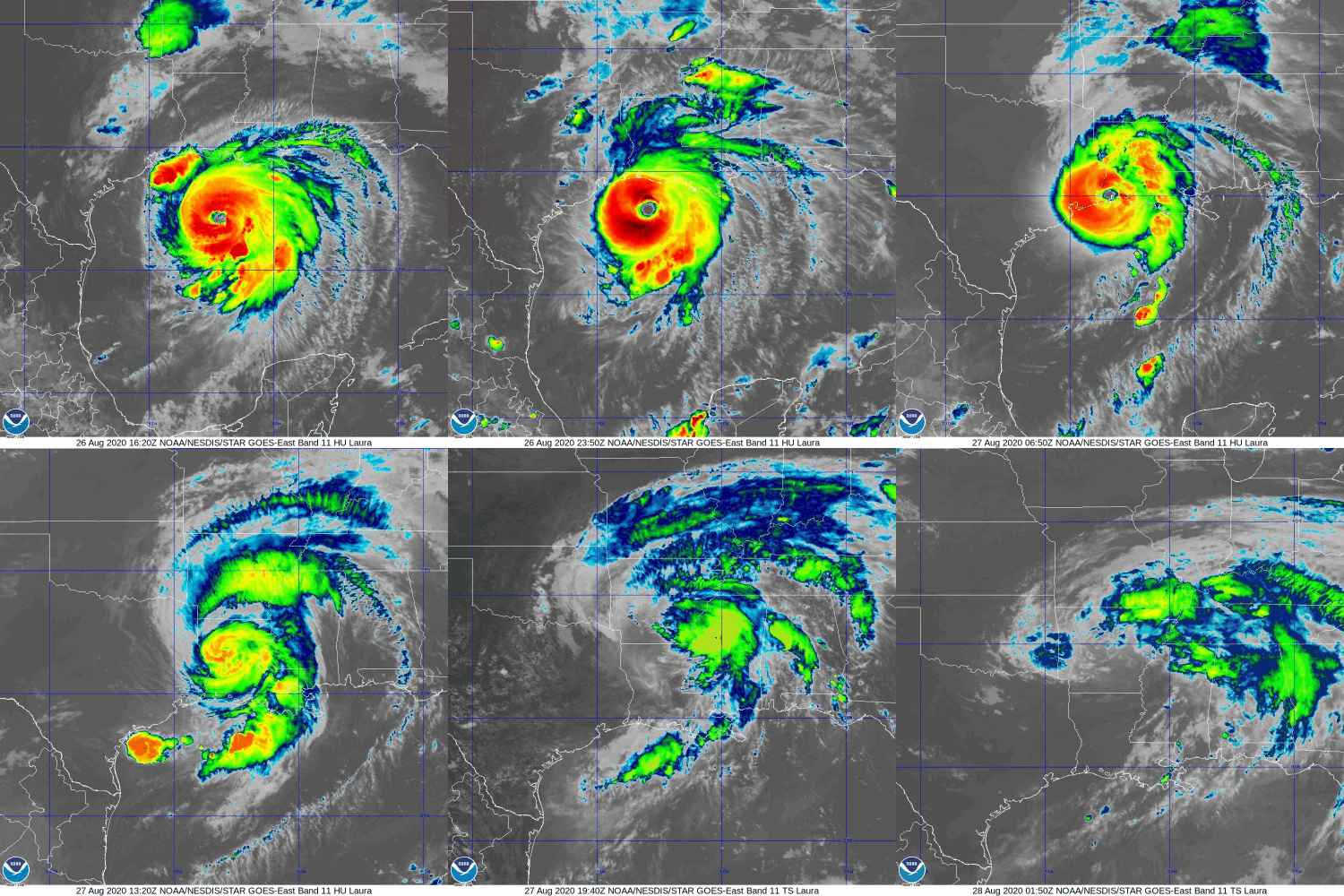
Florida is a geographic anomaly—a narrow peninsula extending directly into the most active hurricane corridor on Earth. For an insurance producer, this geography dictates everything. Writing property insurance in Florida is not merely a financial transaction; it is participation in a vast, highly regulated shock-absorption system. When a Category 4 hurricane makes landfall, the kinetic energy unleashed upon the built environment tests not just roofs and windows, but the structural integrity of the legal and financial frameworks underwriting them. The laws governing property insurance in this state are engineered to prevent a localized natural disaster from triggering a systemic economic collapse, ensuring that capital remains available and property owners are not left utterly exposed.
An insurance contract is a mechanism of predictable stability. When an insurer decides to sever this relationship, it introduces sudden instability into the policyholder’s life. In a volatile market like Florida, replacing property coverage requires significant time. Consequently, the state strictly engineers the timeline and the permissible reasons for cancellation and nonrenewal.
The Notice Timelines
The law imposes rigid temporal boundaries on how an insurer can exit a risk. These boundaries act as a braking system, preventing insurers from abruptly shedding risk and leaving homeowners uninsured at the onset of hurricane season.
| Action | Minimum Written Notice | Trigger/Condition |
|---|---|---|
| Cancellation | 120 days | Standard mid-term cancellation (requires specific statutory grounds after the initial discovery period). |
| Nonrenewal | 120 days | Issued before the expiration date to indicate the policy will not be renewed. |
| Cancellation for Nonpayment | 10 days | The policyholder fails to pay the premium. |
| Citizens Assumption | 45 days | Citizens Property Insurance Corporation transfers a policy to a private insurer. |
Crucial Distinction: If an insurer is cancelling a property policy due to nonpayment of premium, Florida law requires property insurers to provide a minimum of 10 days' written notice to the policyholder. Furthermore, a Florida property insurance cancellation notice issued for nonpayment of premium must explicitly state the reason for the cancellation. The insurer cannot simply issue a generic notice; the exact failure must be documented.
Statutory Prohibitions: When an Insurer Cannot Flee
To maintain market stability, Florida prohibits insurers from abandoning policyholders for risks that represent the fundamental reality of living in the state.
- Natural Causes: Florida property insurers are legally prohibited from cancelling an insurance policy solely because of claims arising from natural causes. If a lightning strike or a windstorm damages a home, the insurer cannot use that act of nature as the solitary excuse to cancel the policy. That is precisely the risk they agreed to absorb.
- Single Water Damage Claims: Water claims are notoriously expensive, but a single claim for water damage on a Florida property insurance policy cannot be used as the sole basis for an insurer to nonrenew a policy.
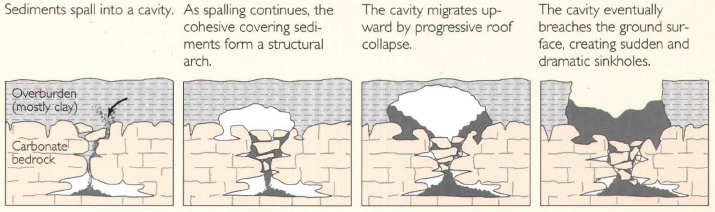
- Partial Sinkhole Losses: Sinkholes are a unique Florida peril. If a property experiences a partial loss due to a sinkhole, Florida insurers cannot cancel a property policy based on a partial loss sinkhole claim if the total claim payments do not exceed policy limits and the property owner repairs the structure in accordance with engineering recommendations. If the homeowner does the work to stabilize the ground, the insurer must honor the ongoing relationship.
When private capital retreats from a high-risk geography, a vacuum forms. If homeowners cannot buy insurance, they cannot secure mortgages, and the real estate market halts. To prevent this, Florida utilizes two massive residual-market mechanisms: one to protect the consumer, and one to protect the insurers.
Citizens Property Insurance Corporation
When private carriers restrict their underwriting, Citizens Property Insurance Corporation operates as Florida's state-backed property insurer of last resort. It is designed specifically to provide coverage to applicants who are unable to secure property insurance coverage in the private market.
However, the state does not want Citizens to compete with private capital. Citizens must remain a true safety net, not a subsidized competitor. To enforce this boundary, Florida utilizes a strict pricing threshold known as the 20-percent rule.
- Entering Citizens: A new residential property risk is eligible for Citizens Property Insurance Corporation if the premium offered by a private insurer is more than 20 percent higher than the premium for comparable coverage from Citizens. If a private carrier offers a policy at $2,100, and the Citizens quote is $2,000, the private offer is only 5% higher. The applicant must take the private offer.
- Leaving Citizens: A current Citizens Property Insurance Corporation policyholder is ineligible to renew with Citizens if a private insurer offers comparable coverage at a premium that is not more than 20 percent higher than the Citizens renewal premium.
To enforce these thresholds computationally, the state relies on The Citizens Clearinghouse Program. This is a legally mandated system that compares private-market insurance offers to establish applicant eligibility before placing or renewing a policy with Citizens Property Insurance Corporation. It acts as a digital bouncer, ensuring only those truly devoid of affordable private options enter the residual market.
Once policies are inside Citizens, the state actively attempts to push them back out into the private sector through The Citizens Depopulation Program. This program is designed to reduce the number of state-backed property policies by transferring those policies to private insurance companies. When a private carrier successfully assumes a Citizens policy, Citizens Property Insurance Corporation must provide 45 days' advance written notice for policies being assumed by an authorized private insurer, giving the homeowner time to review their new private-market carrier.
The Florida Hurricane Catastrophe Fund (FHCF)
If Citizens protects the consumer, who protects the insurance companies? A single major hurricane can generate tens of billions of dollars in losses, threatening the solvency of the carriers themselves.
The solution is the Florida Hurricane Catastrophe Fund (FHCF). This is a tax-exempt state trust fund created to stabilize the state's residential property insurance market. Think of it as a state-mandated reinsurance layer. The Florida Hurricane Catastrophe Fund reimburses participating residential property insurers for a specified portion of their catastrophic hurricane losses.
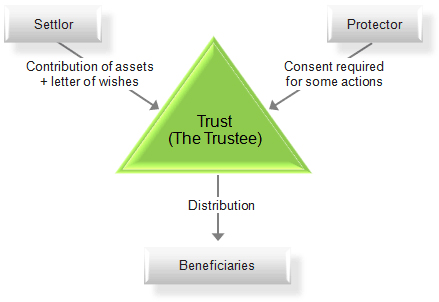
Because market stability requires collective participation, participation in the Florida Hurricane Catastrophe Fund is mandatory for all authorized residential property insurers doing business in Florida. It operates as a closed-loop system: The Florida Hurricane Catastrophe Fund is funded by mandatory annual reimbursement premiums paid by participating property insurers.
Governance: Because of the billions of dollars flowing through this system, oversight requires the highest level of state authority. The State Board of Administration of Florida administers the Florida Hurricane Catastrophe Fund.
When the kinetic energy of a storm dissipates, the bureaucratic energy of the claims process begins. An insurance producer must guide clients through a legally standardized timeline designed to prevent insurers from stalling and policyholders from dragging out claims indefinitely.
Insurer Deadlines and Duties
To protect the public from administrative delays, the state enforces a strict countdown for property claims:
- 7 Days (Acknowledgment): Florida property insurers must send a policyholder an acknowledgment of a submitted property insurance claim within 7 days.
- 14 Days (Communication of Rights): Florida property insurers must provide the Homeowner Claims Bill of Rights to a policyholder within 14 days after receiving an initial communication regarding a claim.
- 30 Days (Coverage Decision): Florida property insurers must confirm whether a claim is covered, denied, or under investigation within 30 days of receiving a complete Proof of Loss statement.
- 60 Days (Financial Resolution): Florida property insurers must pay, partially pay, or deny a property insurance claim within 60 days after receiving notice of the claim.
The Homeowner Claims Bill of Rights
When a policyholder’s home is destroyed, they are often in a state of cognitive overload. Reading a 50-page legal contract is impossible. Therefore, The Florida Homeowner Claims Bill of Rights summarizes a policyholder's statutory rights during the claims process in simple, nontechnical terms.
Producers must clarify one vital legal limitation of this document: The Florida Homeowner Claims Bill of Rights does not create a civil cause of action by a policyholder against an insurance company. It is an educational tool, not an independent legal weapon. If an insurer violates a rule, the policyholder sues based on breach of contract or statutory bad faith, not on a violation of the Bill of Rights itself.
Policyholder Deadlines: The Statute of Limitations on Discovery
Homeowners cannot wait indefinitely to report damage. Time destroys forensic evidence. Therefore, Florida property owners must report an initial property insurance claim within one year of the date of loss.
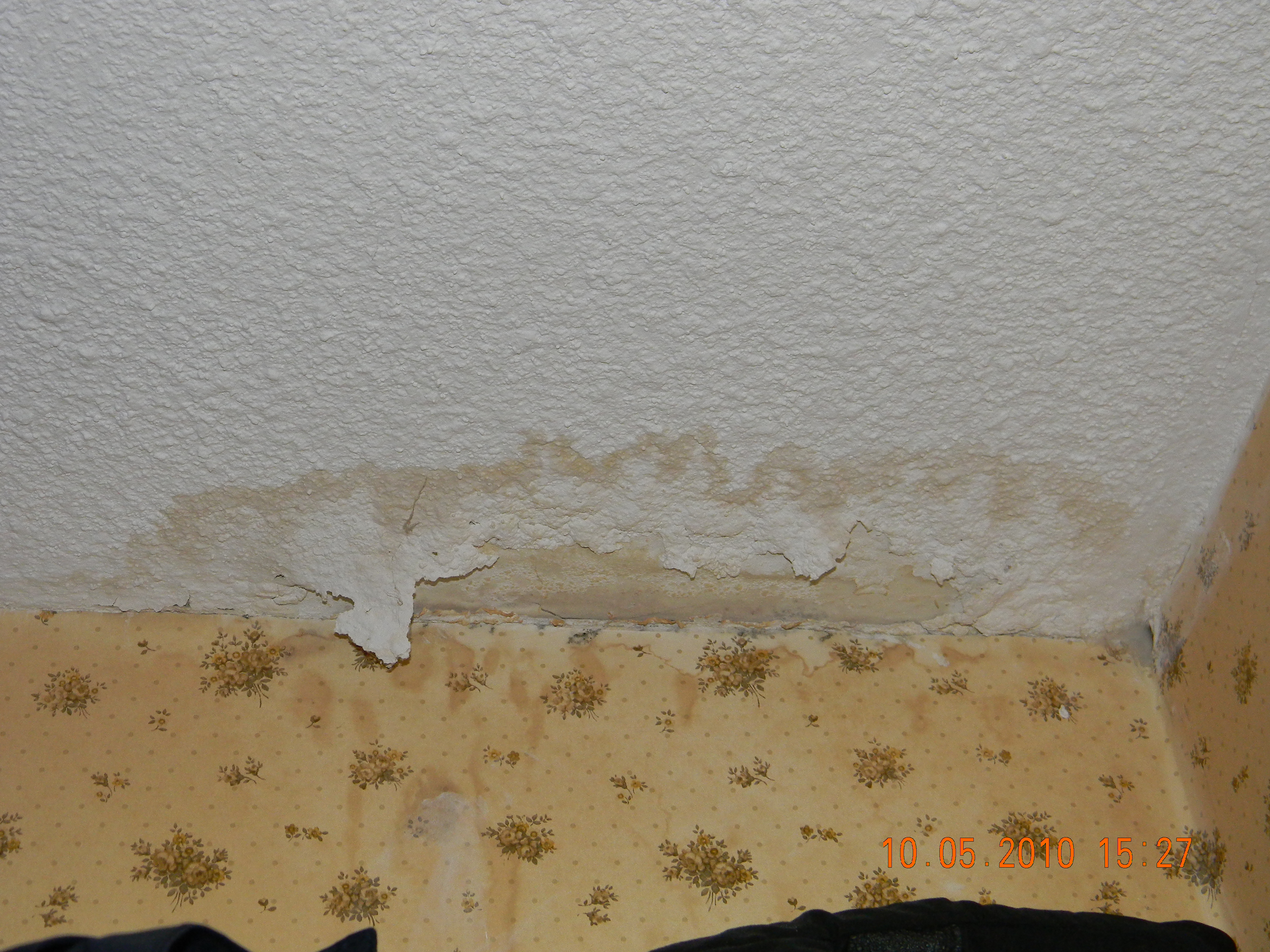
However, complex structural damage often hides behind drywall or beneath subflooring. To account for this, Florida property owners must report a supplemental property insurance claim within 18 months of the original date of loss. By definition, supplemental property insurance claims allow homeowners to report additional damages discovered after the initial repairs or the original claim adjustment.
Dispute Resolution
If the insurer and the policyholder fundamentally disagree on the valuation of the damage, litigation is not the only recourse. Florida policyholders possess the right to participate in a free mediation program administered by the Department of Financial Services for disputed property insurance claims. This process allows an impartial third party to help negotiate a settlement, saving both sides the immense friction and cost of the courtroom.
In standard property insurance, deductibles apply on a "per occurrence" basis. If you have two kitchen fires in a year, you pay two deductibles. But hurricanes are a different physical phenomenon. In 2004, the state of Florida was struck by four major hurricanes—Charley, Frances, Ivan, and Jeanne—in a span of six weeks. If standard deductive logic applied, homeowners would have been forced to absorb multi-thousand-dollar deductibles three or four times in a single month, causing widespread financial ruin.
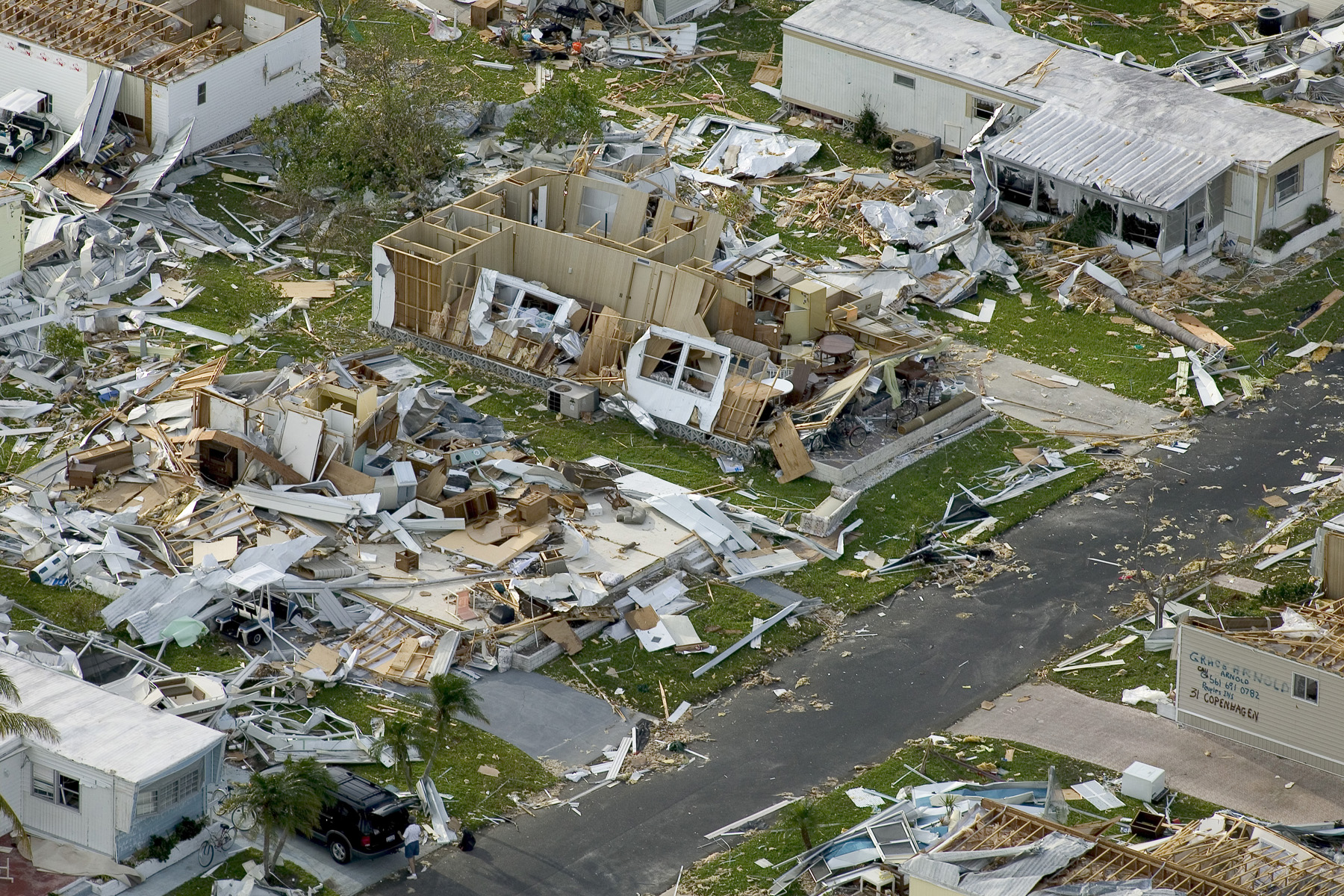
To solve this, Florida property insurance policies apply hurricane deductibles on a calendar-year basis rather than a per-occurrence basis.
The Mechanics: A calendar-year hurricane deductible limits the policyholder to paying the full hurricane deductible amount only once during a single calendar year, regardless of the number of hurricane strikes.
Consider a policyholder with a $5,000 hurricane deductible. Hurricane Alpha hits in August, causing $20,000 in damage. The homeowner pays the $5,000 deductible, and the insurer pays $15,000.
Three weeks later, Hurricane Beta strikes the exact same home. If a Florida policyholder's hurricane damages meet their calendar-year hurricane deductible, subsequent hurricane claims in the same year are subject only to the standard all-other-perils deductible. If their all-other-perils deductible is $1,000, they will only pay $1,000 for the damage caused by Hurricane Beta. The law isolates the homeowner's catastrophic exposure, effectively declaring that the financial penalty for living in a disaster zone is capped per trip around the sun.