Additional Clauses and Settlement Options
Not sure you’re ready?
Take the ~3-minute readiness diagnostic and see where you stand.
A life insurance policy is fundamentally a unilateral contract: the insured pays premiums, and the insurer promises a future sum of money contingent upon the unknown timing of death. But beneath this simple premise lies a complex architecture of risk management. For the contract to function—for an insurer to guarantee a $1,000,000 payout in exchange for a few thousand dollars a year—there must be rigid parameters dictating when the insurer can challenge a claim, who holds the rights to the contract's value, and exactly how the ultimate payout is distributed. These parameters are not bureaucratic fine print; they are the structural beams of the insurance industry. As an insurance producer, mastering these clauses and settlement options allows you to translate abstract contractual language into concrete financial security and predictability for your clients.
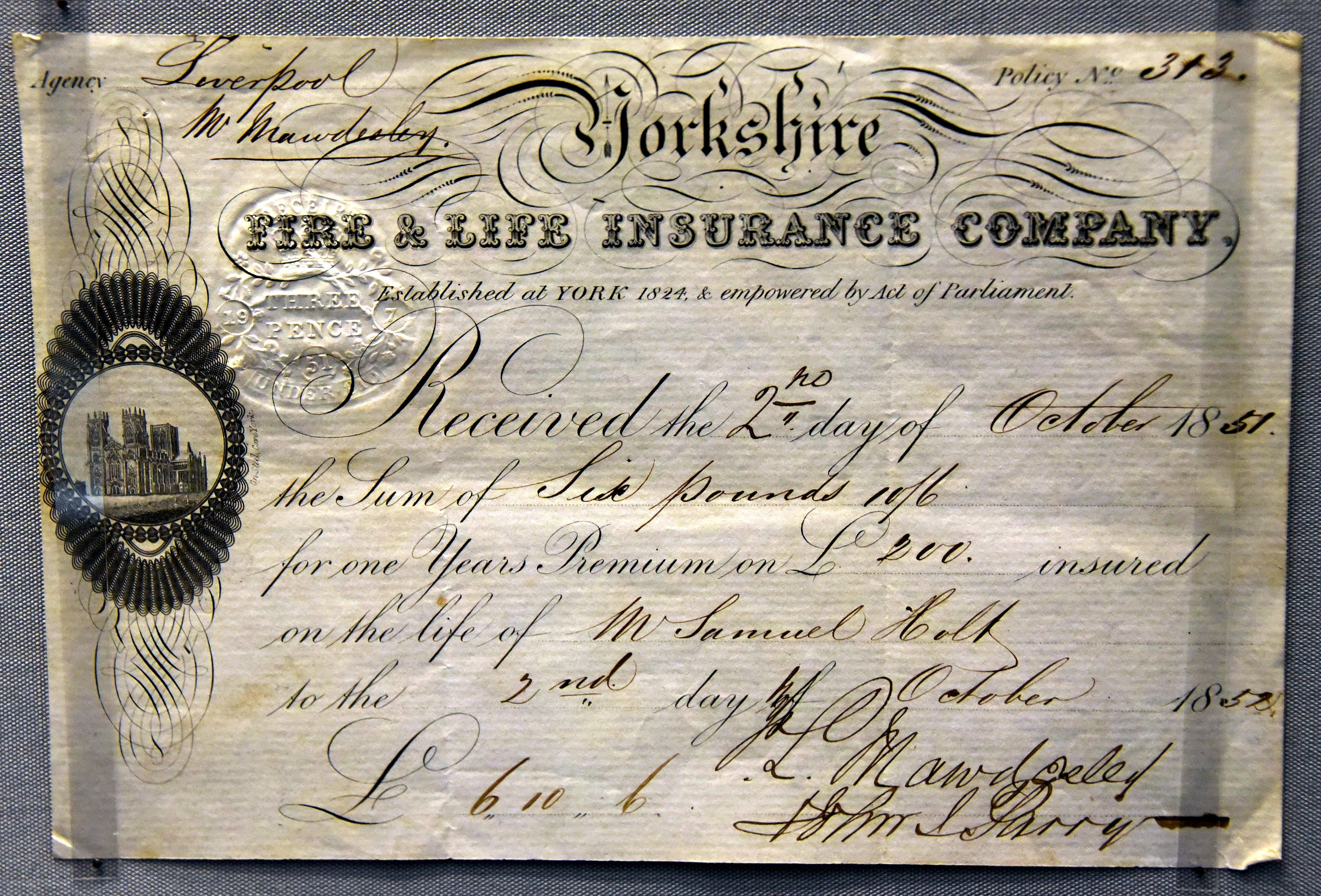
When an individual applies for life insurance, they provide a snapshot of their health and lifestyle. The insurer sets the premium based on that snapshot. But what happens if the applicant lies? Conversely, what happens if an honest mistake on an application from thirty years ago is suddenly used by the insurer to deny a claim to a grieving widow? Insurance law balances these competing risks through specific time-bound clauses.
The Incontestability Clause
The incontestability clause prevents a life insurance company from canceling a policy due to material misrepresentations after a specified time period.
Material Misrepresentation: A false statement that, had the insurer known the truth, would have caused them to deny the coverage or charge a significantly higher premium.
By law, the standard contestable period for a life insurance policy is two years from the policy issue date.
- During the contestable period: The insurer has the right to rescind a policy and refund premiums if a material misrepresentation is discovered on the initial application.
- After the contestable period: The insurer is legally bound to pay the death benefit, even if they uncover blatant fraud on the original application (with very rare exceptions, such as impersonating the applicant during the medical exam).
Why this matters: The incontestability clause protects the insured and beneficiaries from delayed claim denials over initial application inaccuracies. It forces the insurer to do its due diligence promptly. Without this clause, an insurer could happily collect premiums for forty years, only to launch an exhaustive investigation upon the insured's death, looking for any trivial omission to avoid paying the claim.
Crucial Caveat: The incontestability clause does not protect the policyowner against policy cancellation for the non-payment of premiums. If your client stops paying their premium in year ten, the policy will lapse, regardless of the incontestability provision.
The Suicide Clause
Insurance relies on the unpredictable nature of mortality. If someone could purchase a massive policy knowing exactly when they intended to die, the fundamental mathematics of the risk pool would collapse.
To mitigate this, policies include a suicide clause, which typically lasts for two years from the policy effective date. This clause protects the insurer against individuals purchasing life insurance with the immediate intention of self-harm, a concept actuaries refer to as severe adverse selection.
The mechanics of the suicide clause operate as a strict temporal boundary:
- Within the restricted period: If the insured commits suicide during the suicide clause period, the insurer will deny the death benefit payout. However, they do not simply keep the money; the insurer will refund all paid premiums to the beneficiary. The contract is effectively reversed.
- After the restricted period: If the insured commits suicide after the suicide clause period expires, the insurer will pay the full death benefit to the beneficiary.

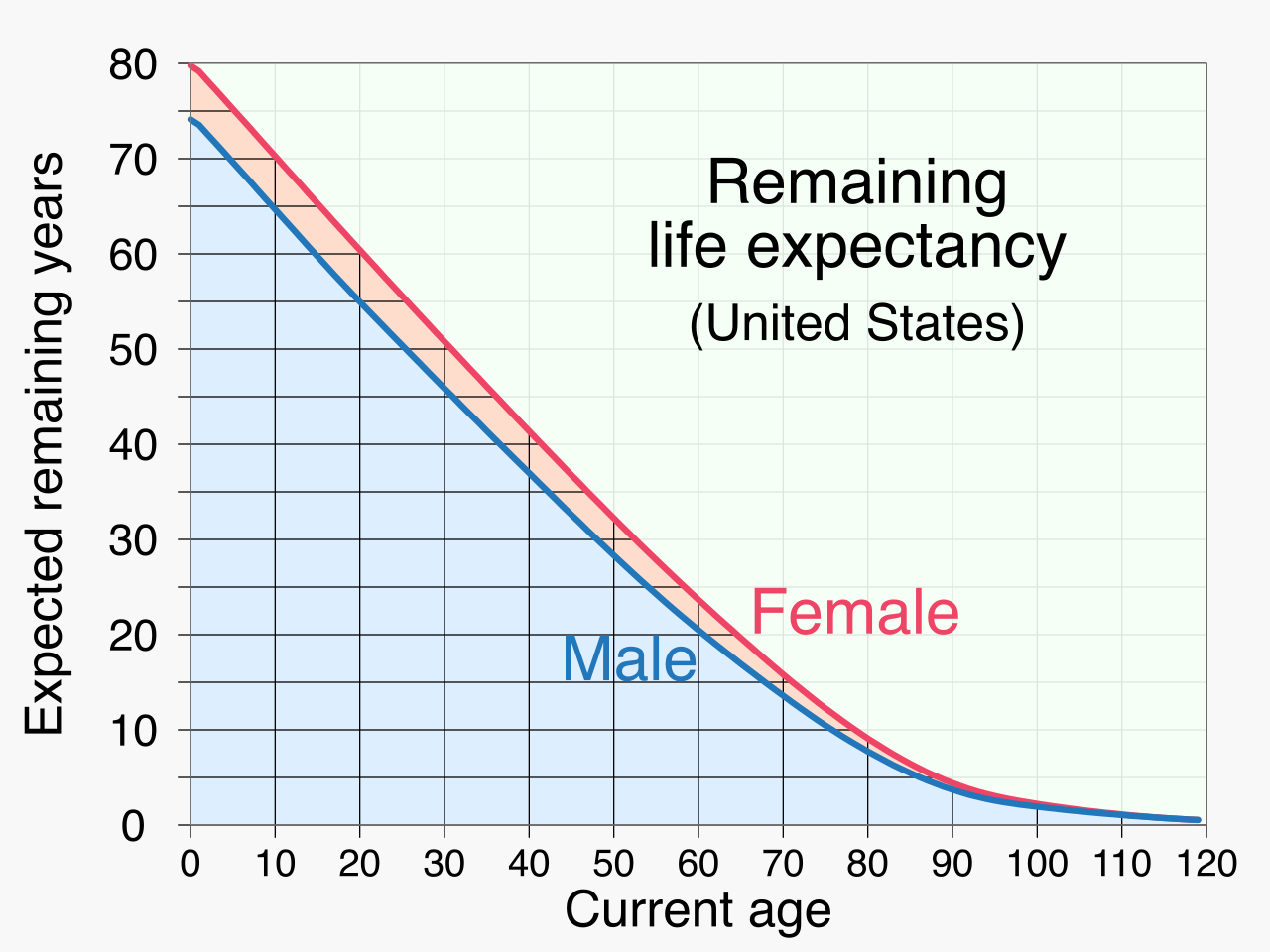
Mortality tables—the massive datasets insurers use to calculate risk—are primarily driven by age and gender. An older applicant pays more than a younger one; male applicants generally pay more than female applicants due to statistically shorter life expectancies.
If an applicant lies about their health, it falls under the two-year incontestability clause. But what if they lie about their date of birth?
The misstatement of age or gender provision allows the insurer to adjust the death benefit if the applicant provided incorrect demographic information. Crucially, this provision is not limited by the standard two-year incontestability period. The insurer can correct the math whenever the discrepancy is discovered, even if it is thirty years later at the time of the death claim.
Instead of canceling the policy, the insurer rebalances the financial equation to reflect reality:
- If the insured understated their age (e.g., claimed they were 40 when they were actually 45), they paid a falsely low premium. Upon discovery, the insurer will reduce the final death benefit to match what the premium would have purchased at the correct age.
- If the insured overstated their age (e.g., claimed they were 50 when they were actually 45), they paid too much. The insurer will either increase the death benefit to match the purchasing power of the premium paid, or refund the overcharged premium.
Think of this not as a penalty, but as a retroactive correction of a mathematical error.
A life insurance policy is a piece of property. Like a house or a stock portfolio, the owner has the right to transfer that property to someone else. Policy assignment is the legal transfer of a life insurance policy's ownership rights to another party.
There are two forms of assignment you will routinely encounter in your practice:
| Feature | Absolute Assignment | Collateral Assignment |
|---|---|---|
| Nature of Transfer | Permanent and complete. | Temporary and partial. |
| Rights Forfeited | The original owner forfeits all future rights to control or modify the policy. | The owner retains general rights but assigns a portion of the death benefit to a creditor. |
| Common Use Case | Gifting a policy to an adult child, or selling a policy to a third party (a life settlement). | Using a policy's death benefit as security for a business or personal loan. |
| Reversion | Does not revert. The new owner holds the policy permanently. | Once a loan secured by a collateral assignment is fully repaid, the assigned rights automatically revert back to the original policyowner. |
The Notification Rule: You can write a letter assigning your policy to your brother, sign it, and lock it in a safe. It means nothing to the insurance company. A policyowner must notify the insurer in writing for any assignment of rights to become legally binding. The insurer is not responsible for validating the legality of the assignment, but they must have it on record to pay the correct party.
When the insured dies, the contract matures. The death benefit must be paid. But how it is paid is entirely up to the policyowner (or the beneficiary, if the owner did not make a binding election prior to death).
Settlement options dictate the specific method by which a life insurance death benefit is distributed to the beneficiary. Understanding the tax implications of these choices is one of your primary value-adds as a licensed producer.
1. Lump-Sum Settlement
The default option. The lump-sum settlement option pays the entire death benefit to the beneficiary in a single payment.
- Taxation: Death benefits paid out through a lump-sum settlement option are generally exempt from federal income tax. A $500,000 policy results in a $500,000 tax-free check.
2. Interest-Only Settlement
Under the interest-only settlement option, the insurer retains the principal death benefit and pays only the accumulated interest to the beneficiary at regular intervals. The principal is kept intact to be paid out later (perhaps to a secondary beneficiary when the primary beneficiary dies).
- Taxation: While the underlying principal remains tax-free, the periodic interest payments distributed under the interest-only settlement option are fully taxable as ordinary income.
3. Fixed-Period vs. Fixed-Amount
If a beneficiary lacks financial discipline, dropping half a million dollars in their lap can be disastrous. Installment options allow for metered distribution.
- Fixed-period settlement option: Distributes the death benefit (principal plus interest) in equal installments over a predetermined number of years (e.g., payments spread exactly over 10 years). The time frame dictates the payment size.
- Fixed-amount settlement option: Distributes predetermined dollar amounts in installments until the death benefit principal and interest are exhausted (e.g., $5,000 per month until the money runs out). The payment size dictates the time frame.
4. Life Income Settlement Option
What if the beneficiary needs income they can never outlive? The life income settlement option guarantees the beneficiary a stream of installment payments for the remainder of the beneficiary's life, no matter how long they live.
Mechanically, this option converts the death benefit into a single premium immediate annuity (SPIA) based on the beneficiary's life expectancy. If the beneficiary lives far beyond mathematical expectations, the insurer takes the loss and keeps paying.
Historically, life insurance only paid out upon death. Today, the industry recognizes that the financial devastation of a terminal illness often precedes death.
The accelerated death benefit provision allows a terminally ill insured to access a portion of the face amount while still living. This provides critical liquidity to cover experimental medical treatments, hospice care, or simply to improve the quality of the insured's final days.
To trigger this benefit, insurers require strict medical evidence. Most life insurance companies require a physician's certification stating the insured has a life expectancy of 24 months or less.
Two vital technical rules apply to this provision:
- Impact on Beneficiary: This is not "extra" money. It is an advance. Any funds withdrawn via an accelerated death benefit will reduce the final payout delivered to the beneficiary upon the insured's death. If a $500,000 policy accelerates $100,000, the beneficiary will receive the remaining $400,000 (minus any administrative interest fees, depending on the contract).
- Taxation: Just like the lump-sum death benefit, accelerated death benefits received due to a qualifying terminal illness are generally received free of federal income tax. The IRS recognizes the severe hardship of the situation and treats the living advance with the same tax preference as a post-mortem payout.