Georgia Health Insurance Mandates & Continuation of Coverage
Not sure you’re ready?
Take the ~3-minute readiness diagnostic and see where you stand.
Health insurance is not merely a financial instrument; it is a legally engineered safety net whose precise tensile strength is dictated by state borders. When a client purchases a health policy in Georgia, they are not buying a generic contract. They are buying a localized matrix of mandated benefits, continuation rights, and strict underwriting guardrails designed by the state legislature to prevent catastrophic gaps in care.
For the insurance producer, mastering these Georgia-specific mandates is not just about passing an examination—it is about understanding the exact physical boundaries of the protection you are selling. Let us break down the anatomy of Georgia health insurance law, moving from the moment a child is born, through the dynamics of the small employer market, and finally to the regulatory bridges that carry aging clients safely into Medicare.
In a purely free market, insurers would naturally exclude the most expensive and predictable medical risks. Georgia law overrides this by mandating that certain benefits be universally included. We can observe these mandates by tracking the lifecycle of an insured family.
The Start of Life and Childhood
The vulnerability of human life at birth requires immediate, unquestionable coverage. In Georgia, health insurance policies must provide coverage for newborn children from the exact moment of birth. There is no waiting period and no immediate application required for the baby to draw breath under the safety of the parents' policy.
However, this automatic window is temporary. To continue health insurance coverage for a newborn child beyond the initial 31 days, the insured must notify the insurer and pay any required premium within that 31-day period. If the parent misses this 31-day window, the coverage drops.
As the child grows, Georgia mandates specific developmental and medical protections:
- Autism: Georgia health insurance policies are required to provide coverage for autism spectrum disorders for children.
- Pediatric Dental Surgery: While routine dental is generally separate, Georgia recognizes that severe dental issues in youth can become major medical events. Thus, policies must cover general anesthesia and hospital charges for dental care provided to young children who require such services.
- Maternal Health: For the mother, Georgia group health policies must provide coverage for complications of pregnancy to the exact same extent as any other covered illness. An insurer cannot arbitrarily cap payouts for a complicated delivery while offering limitless coverage for a heart attack.
Routine Maintenance and Screenings
Preventative medicine is mathematically cheaper than reactive medicine. Georgia forces insurers to absorb the cost of early detection across several demographics.
| Demographic / Condition | Mandated Coverage Requirement in Georgia | Policy Type |
|---|---|---|
| Women's Health | Must provide coverage for annual Pap smears and screening mammograms (based on age and medical guidelines). | All Health Policies |
| Men's Health | Must provide coverage for prostate cancer screenings, which explicitly must include prostate-specific antigen (PSA) tests. | Group Health Policies |
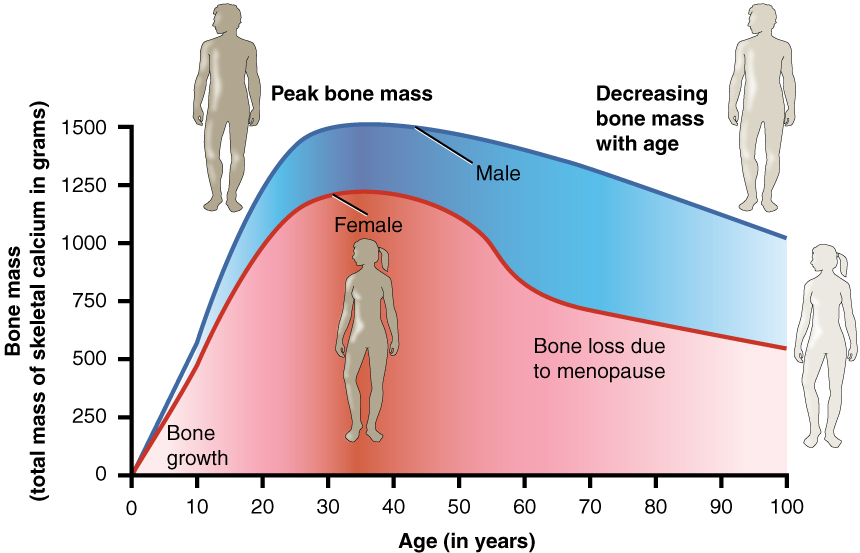
| Osteoporosis | Must provide coverage for bone mass measurements used in the prevention and treatment of osteoporosis. | All Health Policies |
| Sexual Health | Requires coverage for chlamydia screenings. | Group and Individual |
Chronic Disease and Reconstruction
When a chronic condition strikes, the financial bleed can be devastating. Georgia law steps in to ensure comprehensive management, rather than partial fixes.
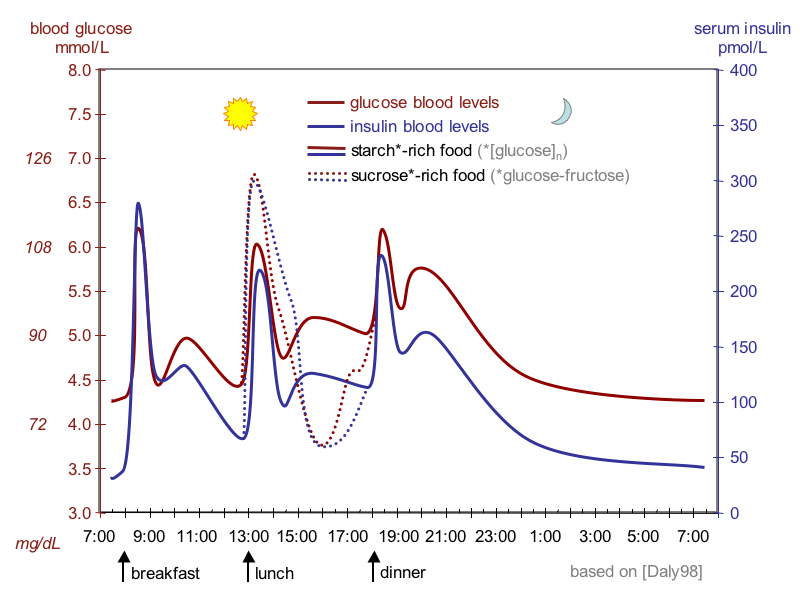
Diabetes: A perfect example of legislative thoroughness. Insurers cannot just cover the insulin and ignore the delivery system. All health insurance policies in Georgia must provide coverage for:
- Equipment and supplies used for the treatment of diabetes.
- Pharmacological agents (medications) used for the treatment of diabetes.
- Outpatient self-management training and educational services. (Because handing a patient a syringe without teaching them how to balance their blood sugar is functionally useless).
Mental Health: Historically sidelined by insurers, Georgia law mandates that group health insurance policies offer coverage for the treatment of mental disorders.
Mastectomy Reconstruction: The physical and psychological toll of breast cancer requires a complete medical response. Georgia dictates that coverage for mastectomy reconstruction must include all stages of reconstruction on the affected breast, and crucially, it must include surgery on the non-affected breast to produce a symmetrical appearance. Healing is not just clinical; it is restorative.
Let us shift from the clinical to the commercial. The small-group health market is highly volatile. To stabilize it, Georgia defines a small employer as one that employed between 1 and 50 eligible employees on at least 50 percent of its working days during the preceding calendar quarter.
Who counts as an eligible employee? A full-time worker. In this context, a Georgia small employer must offer health insurance to all eligible employees who work a normal workweek of 30 or more hours.
To prevent insurers from cherry-picking healthy tech startups while refusing to cover high-risk construction crews, Georgia small employer health benefit plans are guaranteed issue. This means insurers are legally required to offer coverage to all eligible small employers regardless of the underlying employee health status. You take the entire risk pool, or you do not do business in the small group market.
When an employee loses their job, they lose their group health insurance. Federal COBRA allows employees at large companies to keep their insurance, but what about those at small firms?
Georgia has established a "State Continuation" law (often called mini-COBRA).
Threshold Trigger: Georgia state continuation laws apply specifically to employer group health plans with fewer than 20 employees.
Standard State Continuation Mechanics
To prevent people from jumping onto a plan right before quitting just to keep the insurance, the state demands a history of participation. To be eligible, an employee must have been continuously insured under the group plan for at least six months immediately prior to termination. Furthermore, an employee who is terminated for cause is not eligible for this continuation.
If an eligible employee is laid off on the 12th of the month, how long does the safety net last?
- They are allowed to continue their group health coverage for the fractional month remaining at termination (the rest of that current month).
- In addition to that fractional month, they can continue coverage for three additional months.
Who pays for this? The employer stops contributing. Individuals electing Georgia state continuation must pay the entire premium amount themselves, but there is a cap to prevent price gouging: the premium charged cannot exceed 102 percent of the group rate (the extra 2% covers administrative costs).
The Age 60+ Special Continuation
Three months of continuation is a brief bridge. But what if a 62-year-old employee loses their job? Three months leaves them stranded for years before Medicare kicks in at 65.
Georgia law provides a powerful exception: a special health insurance continuation right for group members who are 60 years of age or older when their group coverage terminates.
- An eligible group member aged 60 or older can continue their group health insurance coverage until they become eligible for Medicare.
- This protection extends to the family. Spouses of Georgia group members who are aged 60 or older at the time of a qualifying event can also continue health coverage until they qualify for Medicare.
- What is a qualifying event for the spouse? It includes the divorce from the group member, or the death of the group member. In either tragedy, the spouse's medical safety net is preserved until Medicare assumes the risk.
When a Georgian turns 65, they transition to Medicare. Because Original Medicare leaves gaps (deductibles, 20% coinsurance), private insurers sell Medicare Supplement policies. Georgia heavily regulates how these policies are sold to protect vulnerable seniors.
The "Rule of Six" for Pre-Existing Conditions
In the realm of Georgia Medigap, the number six is paramount.
- Definition: A pre-existing condition is legally defined as a condition for which medical advice or treatment was recommended or received within the six months preceding the effective date.
- Waiting Period: Georgia insurers cannot impose a pre-existing condition waiting period that exceeds six months.
- The Waiver: This six-month waiting period must be waived if the applicant had at least six months of continuous creditable coverage prior to application. If a client has been responsibly insured without a gap, the insurer cannot penalize them.
The Open Enrollment Golden Ticket
The absolute best time for a client to buy a Medicare Supplement is during their Open Enrollment window.
- Duration & Trigger: The Georgia Medicare Supplement open enrollment period lasts for six months. It requires the individual to be age 65 or older AND to be enrolled in Medicare Part B.
- The Start Date: The clock begins ticking on the first day of the month in which an individual meets both requirements (age 65+ and Part B enrollment).
During this six-month window, the laws of physics heavily favor the consumer. An insurer is completely stripped of its underwriting powers:
- They cannot deny coverage based on an applicant's health status.
- They cannot deny coverage based on an applicant's pre-existing conditions.
- They are prohibited from charging higher premiums due to an applicant's health status.
Consumer Protections and Disclosures
Because seniors are frequent targets for aggressive sales tactics, Georgia mandates a strict protocol for the point of sale and the life of the policy.
- The Outline of Coverage: You cannot simply hand a client a dense legal contract. Insurers selling Medigap policies must provide an Outline of Coverage to all applicants at the exact time the application is presented. This document must include a summary of the benefits and premiums, as well as a clear description of the policy's exclusions and limitations.
- The Free-Look Period: Buyers remorse is mathematically accounted for. Medicare Supplement policies sold in Georgia must include a 30-day free-look period. This allows the policyholder to return the policy for a full premium refund, no questions asked.
- Guaranteed Renewability: Once a client has a Medigap policy, it must be guaranteed renewable. Because it holds this status, the insurer cannot cancel the policy as long as premiums are paid. Even if the client develops a terminal illness that costs the insurer millions, their coverage is locked in stone.