Georgia Life & Health Insurance Guaranty Association
Not sure you’re ready?
Take the ~3-minute readiness diagnostic and see where you stand.
Insurance is fundamentally the trading of present capital for future certainty. An individual pays premiums today with the expectation that when a catastrophic event occurs—a death, an illness, a debilitating injury—the financial resources promised by the policy will be there. But what happens to that certainty when the institution making the promise ceases to exist? When an insurance company collapses, the very foundation of the industry's promise is threatened. To prevent this collapse of trust and to protect the public, the state has engineered a structural backstop: the Georgia Life and Health Insurance Guaranty Association. The Association protects policyholders against the financial failure of an insurance company, stepping in to absorb the shock when a carrier can no longer meet its obligations.
Understanding the architecture, limitations, and strict regulatory boundaries of this Association is not merely an exercise in passing your licensing exam; it is crucial to understanding the systemic safeguards of the profession you are about to enter.
The Georgia Life and Health Insurance Guaranty Association acts as a dormant safety net that springs into action under highly specific conditions. Specifically, the Association provides coverage when a member insurer becomes impaired (financially struggling and placed under an order of rehabilitation) or completely insolvent (bankrupt and ordered into liquidation).
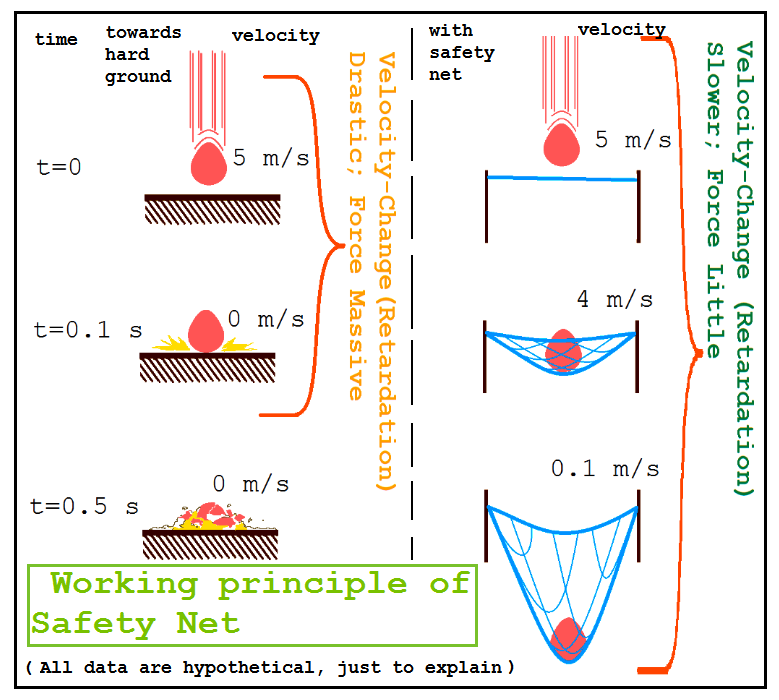
When a carrier fails, it leaves behind thousands of active policies. Who answers the phone? Who pays the pending medical bills or the death claims? By statute, the task of servicing an insolvent insurance company's policies for Georgia resident policyholders becomes the responsibility of the Guaranty Association.
To ensure the safety net is strong enough to hold the weight of a failing institution, participation is not optional. All insurers and Health Maintenance Organizations (HMOs) licensed to write life and health insurance in Georgia must be members of the Guaranty Association. In fact, membership in the Guaranty Association is a mandatory condition for an insurer to hold a certificate of authority in Georgia. If a company wants the privilege of conducting business in the state, they must help hold the net.
The Mechanics of Funding
The Guaranty Association does not sit on a massive, idle vault of taxpayer money. Instead, it is funded through mandatory financial assessments levied on member insurers. When a company fails, the Association calculates the financial shortfall and bills the surviving member companies to cover the losses.
To maintain strict accounting and ensure that life insurers aren't unfairly burdened by the collapse of a health insurer (and vice versa), the Association maintains two separate accounts for administration and assessment purposes:
- The Life and Annuity Account: A specific account dedicated to life insurance and annuities.
- The Health Account: A specific account dedicated to health insurance.
As an aspiring producer, you must understand exactly how much weight this safety net can hold. The Guaranty Association is not designed to make wealthy investors whole; it is designed to prevent financial ruin for the average citizen.
Crucial Concept: Guaranty Association coverage limits are applied per individual regardless of the number of policies held.
If a client purchases five life insurance policies from the same failing company, they do not get five times the protection. The limits act as a ceiling on the person, not the paper.
Standard Benefit Limits
When an insurer fails, the Guaranty Association caps its liability at the following maximums for a single individual:
| Product Category | Maximum Guaranty Protection |
|---|---|
| Life Insurance (Death Benefit) | $300,000 |
| Life Insurance (Cash Value) | $100,000 in net cash surrender and net cash withdrawal values |
| Annuities | $300,000 in present value of annuity benefits |
| Disability Income Insurance | $300,000 for disability income benefits |
| Long-Term Care (LTC) Insurance | $300,000 for long-term care benefits |
| Major Medical / Basic Hospital | $500,000 for basic hospital, medical, and surgical insurance or major medical insurance |
| Unallocated Annuity Contracts | $5,000,000 (Note: This limit applies to a single contract owner, such as a corporation holding a pension contract, rather than an individual beneficiary). |
The Combined Maximums
What happens if an individual holds multiple types of policies (e.g., life insurance and an annuity) with the same failing insurer?
The total absolute maximum the Guaranty Association will pay for a single individual's combined life, annuity, and standard health benefits is $300,000.
However, because medical costs can be uniquely catastrophic, the law carves out one vital exception. An exception allows the Guaranty Association to pay a combined maximum of $500,000 for a single individual if the claims include major medical or basic hospital insurance.
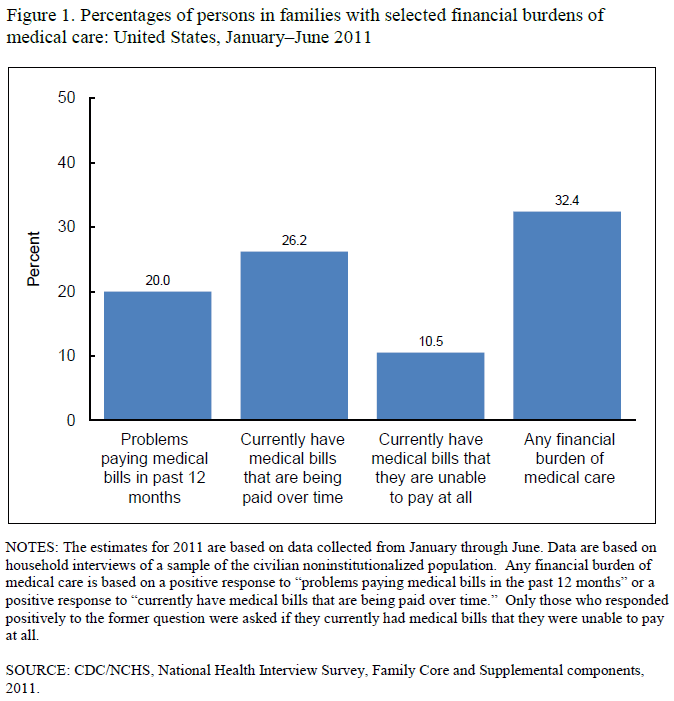
A net with no holes isn't a net; it's a tarp, and a tarp cannot withstand systemic pressure. The Guaranty Association limits its exposure through strict exclusions. You must know exactly what falls through the gaps.
1. Unauthorized Entities The Guaranty Association does not protect policies issued by insurers that are not authorized or licensed to transact insurance in Georgia. If a resident decides to purchase a policy from an unlicensed, offshore entity to save money, they are stepping off the regulatory safety net.
2. Policyholder-Borne Risk (Variable Products) The Association exists to insure against company failure, not market failure. Therefore, the Guaranty Association does not cover any portion of a policy where the financial risk is borne by the policyholder. Most notably, variable life insurance and variable annuities are excluded from Guaranty Association coverage because the policyholder bears the investment risk.
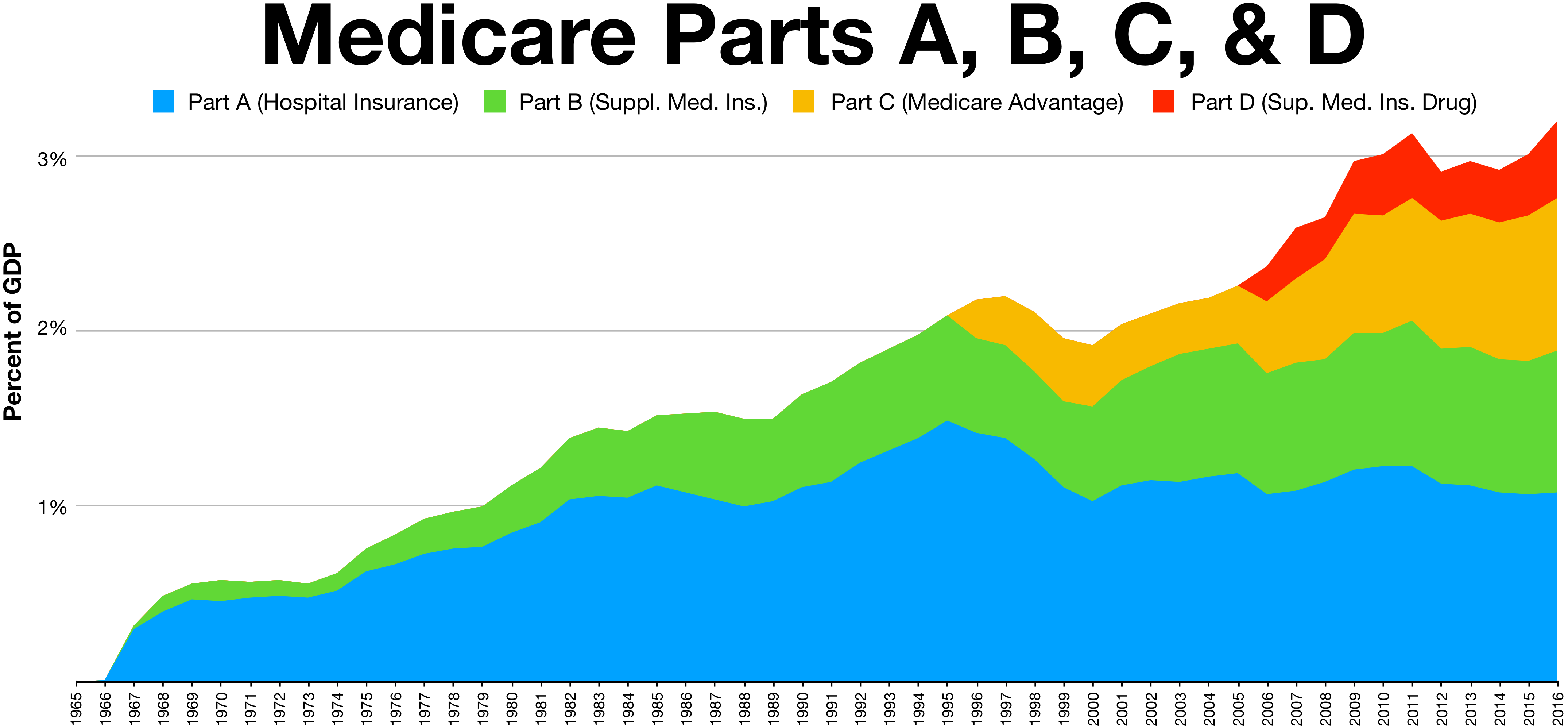
3. Medicare Parts C and D The Guaranty Association does not cover policies providing health care benefits under Medicare Parts C and D. Because these are heavily subsidized and regulated federal programs, they fall outside the scope of the state’s safety net.
4. Extra-Contractual and Legal Damages If a failing insurer acted in bad faith, a court might award a plaintiff punitive damages. However, the Guaranty Association does not provide coverage for punitive, exemplary, or extra-contractual damages. It only pays the hard benefits promised by the contract itself.
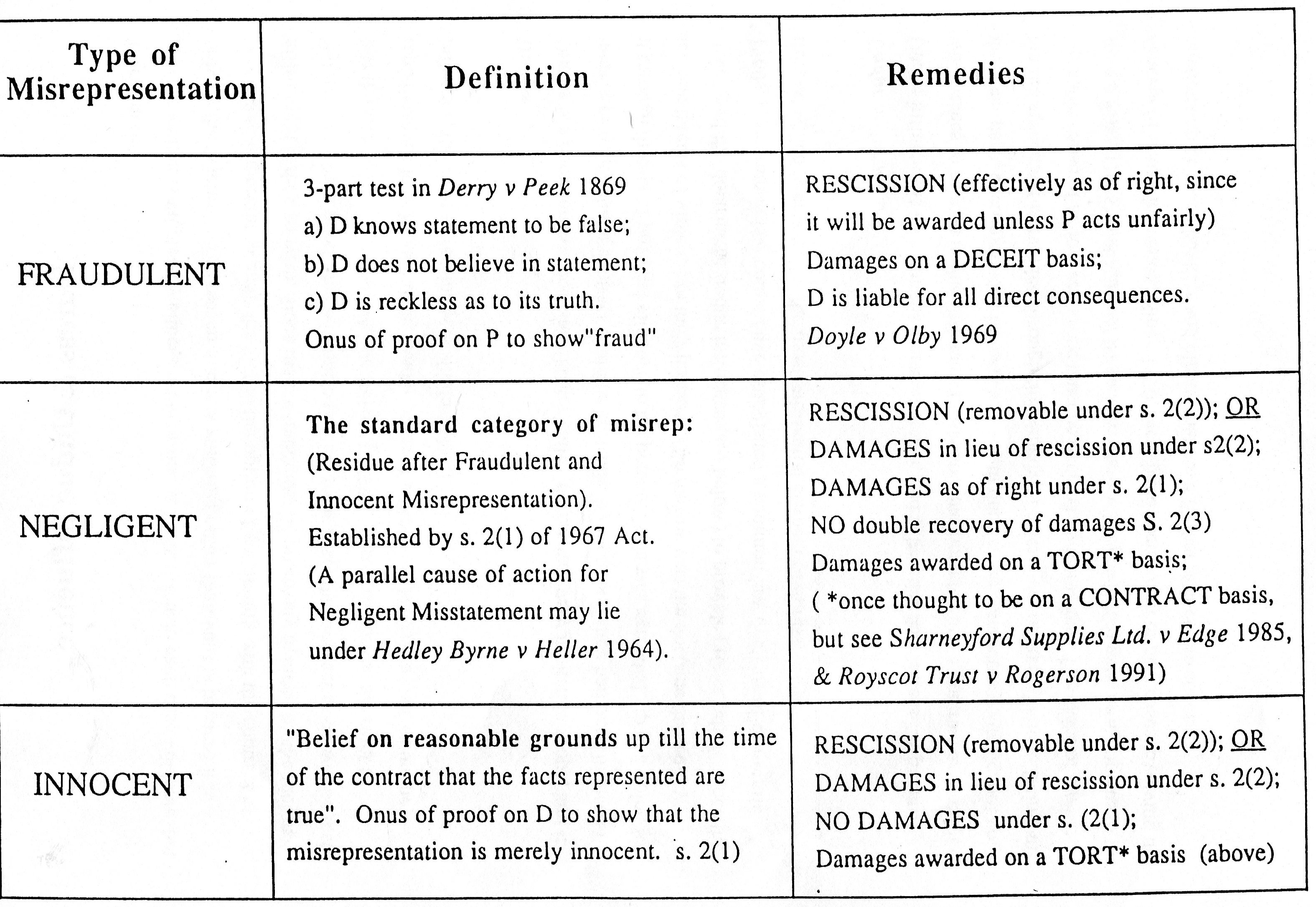
5. The "Four Corners" Rule (Misrepresentations & Marketing) Imagine a rogue agent handing a client a glossy brochure that falsely promises a $1,000,000 death benefit on a $100,000 policy. The Guaranty Association does not cover insurance claims based on marketing materials, nor does the Guaranty Association cover insurance claims based on misrepresentations of policy benefits.
When a company collapses, the state strips away the sales pitches and looks only at the legal contract. Guaranty Association coverage determination is based on the exact policy language at the time an insurer is declared insolvent by a court.
We arrive at the most heavily tested, and perhaps the most counterintuitive, aspect of the Guaranty Association: the rules governing how you, as a licensed producer, may talk about it.
In economics, there is a concept known as moral hazard—when people are protected from the consequences of their actions, they behave more recklessly. If insurance agents were allowed to use the Guaranty Association as a sales tool, they could steer clients toward financially unstable insurance companies that offer artificially high interest rates or irresponsibly low premiums. The agent could simply tell the client, "Don't worry if they go bankrupt, the State of Georgia guarantees your money!"
To prevent this systemic risk, Georgia insurance law prohibits any insurer or agent from using the existence of the Guaranty Association to sell or solicit the purchase of an insurance policy. Period.
Using Guaranty Association protection as a selling point in insurance advertisements is considered an unfair trade practice in Georgia. Doing so can result in the suspension or revocation of your license. The safety net must remain invisible during the sales process.
The Mandatory Disclosure
Here lies the paradox: You cannot use the Association to sell, but the state still demands that consumers be informed of their rights.
To solve this, the Guaranty Association must prepare a summary document detailing the general purposes and limitations of the Guaranty Association's coverage. You do not write this document, and you do not weave it into your sales pitch. Instead, insurers must provide a Guaranty Association summary document to the policyholder at or before the time an insurance policy is delivered.
As a professional, your role is to deliver this document as a matter of routine compliance, ensuring the client is educated on their rights without ever using the state's ultimate safety net as a crutch for a weak product.