Interest, Market-Sensitive, and Adjustable Life
Not sure you’re ready?
Take the ~3-minute readiness diagnostic and see where you stand.
Imagine purchasing a home where the mortgage payment, the square footage, and the loan term could all be dynamically resized year by year to match your fluctuating income. For decades, traditional life insurance operated like a fixed-rate, 30-year mortgage: rigid, predictable, and inflexible. But as inflation spiked and consumer needs shifted in the late 20th century, the insurance industry engineered a profound evolution. By unbundling the rigid components of traditional whole life insurance, actuaries created policies that respond to changing financial realities, interest rates, and global markets. Understanding these flexible permanent policies is not just about memorizing product specifications; it is about knowing how to give a young entrepreneur the breathing room to skip a premium during a lean year, or giving a seasoned investor the ability to capture stock market growth inside a tax-advantaged death benefit.
As a life insurance producer, you will constantly navigate the tension between guarantees and flexibility, and between safety and market risk. We will deconstruct these modern policies by looking at the specific levers they put into the policyowner's hands.
To understand modern flexible policies, we begin with the first major attempt to break the rigidity of traditional whole life: adjustable life insurance.
Traditional policies locked the policyowner into a fixed premium and a fixed death benefit. But real life is rarely fixed. An individual might start a career needing inexpensive term coverage, later require permanent coverage to protect an estate, and eventually wish to reduce their premiums as they approach retirement.
Adjustable life insurance allows the policyowner to change the premium amount, change the face amount of the policy, and even change the period of protection. It achieves this by functioning as a spectrum. Based on the amount of premium the policyowner chooses to pay, an adjustable life policy can be converted from term insurance to whole life insurance, or conversely, converted from whole life insurance to term insurance.
The Insurability Rule: While adjustable life is flexible, the insurer still manages mortality risk. If a client wants to lower their death benefit, they can do so easily. However, increasing the death benefit of an adjustable life policy requires proof of insurability (such as a medical exam) to prevent someone from drastically increasing their coverage the day after receiving a terminal diagnosis.

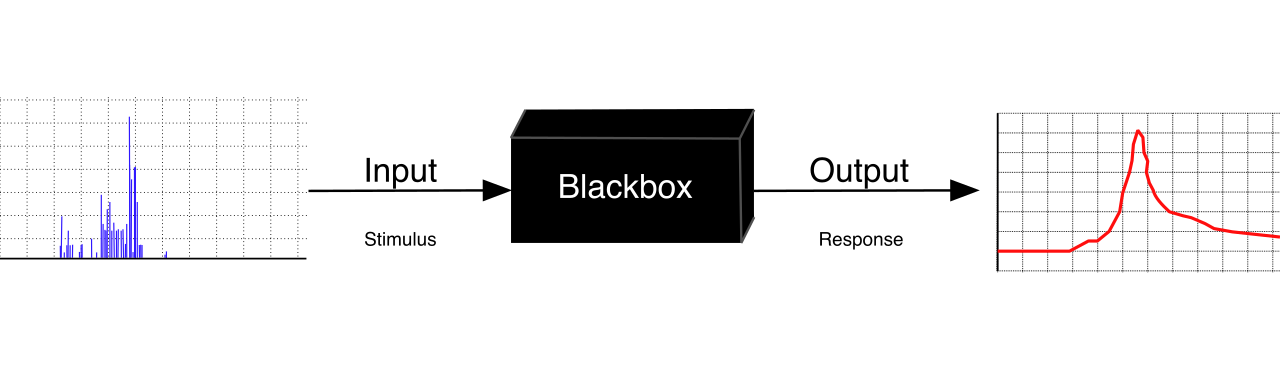
While adjustable life offered flexibility, it was still largely a "black box" where the insurer bundled expenses, mortality costs, and cash value together. Enter Universal Life Insurance, which is also known as flexible premium adjustable life.
If traditional whole life is a black box, Universal Life is a transparent glass cylinder. A universal life policy separates the mortality charge, the expense charge, and the cash value into distinct components. Every month, the insurer clearly deducts the cost of insurance and administrative expenses, and then credits interest to the remaining cash value.
Premium Flexibility and the Danger of Lapsing
Because the components are unbundled, the policyowner has unprecedented control over what they pay. In fact, universal life insurance allows the policyowner to skip premium payments if the cash value covers the monthly deductions.
When advising a client—say, a commissioned real estate agent whose income fluctuates wildly—this is a massive advantage. However, this flexibility introduces a new danger. Because there is no rigidly enforced premium schedule, a universal life policy will lapse if the cash value cannot cover the monthly cost of insurance and expense deductions.
To guide policyowners, insurers provide two premium benchmarks:
- The minimum premium: This is the amount needed to keep the policy in force for the current year. Paying only the minimum premium effectively runs the policy as an annually renewable term product, building little to no cash value.
- The target premium: This is the recommended amount to keep the policy in force throughout its lifetime, ensuring enough cash value accumulates to sustain the policy as the cost of insurance rises in the policyowner's later years.
Interest Rates and Cash Value
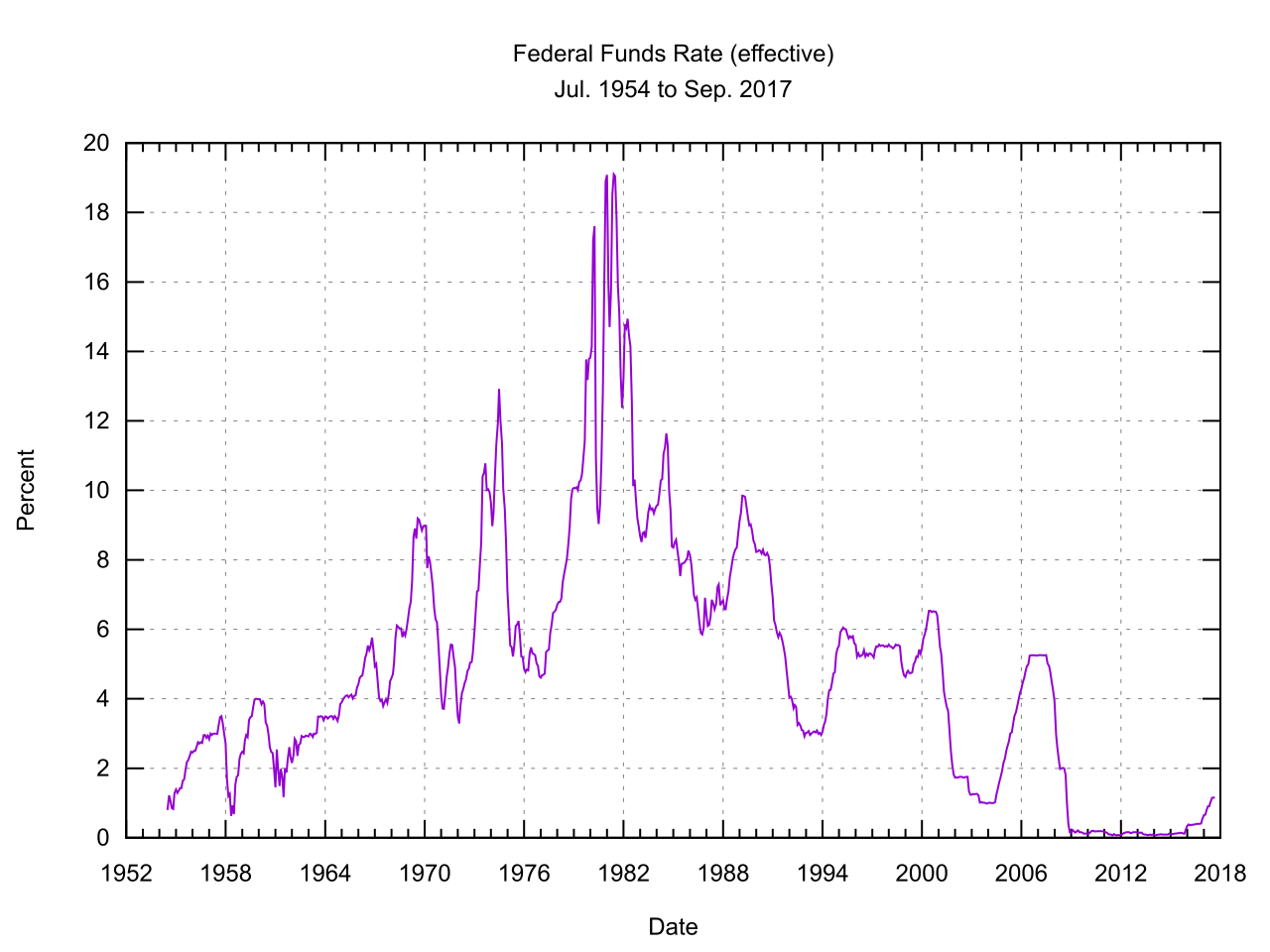
Universal life policies operate on an interest-sensitive chassis. The insurer guarantees a minimum interest rate on the cash value, protecting the policyowner from severe economic downturns. However, above that floor, universal life cash values earn a current interest rate declared by the insurer, which fluctuates based on prevailing economic conditions.
Death Benefit Options: A vs. B
Universal Life requires the policyowner to choose how the death benefit will behave.
- Universal life Option A provides a level death benefit. As the cash value grows, the pure insurance risk (the net amount at risk) the insurer takes on actually decreases. However, to maintain the tax advantages of life insurance under IRS rules, Universal life Option A requires a statutory corridor of insurance between the cash value and the death benefit. If the cash value grows too large, the death benefit must automatically "bump up" to maintain this corridor.
- Universal life Option B provides an increasing death benefit. Under this option, the death benefit equals the face amount of the policy plus the current cash value. This is more expensive to maintain because the insurer's net amount at risk remains level over time, but it guarantees the beneficiary receives both the purchased face amount and the accumulated cash.
Accessing Cash: Unlike traditional whole life, which limits policyowners to taking out loans against their cash value, universal life policies allow partial withdrawals from the cash value.
As we continue along the spectrum of modern life insurance, we encounter two products designed to offer the safety of traditional whole life, but with greater potential to capitalize on high interest rates or booming stock markets.
Interest-Sensitive Whole Life
Interest-sensitive whole life insurance is also known as current assumption whole life.
Unlike Universal Life, interest-sensitive whole life insurance requires fixed premium payments and provides a guaranteed minimum death benefit. However, it differs from traditional whole life in how it credits interest. The interest rate credited to an interest-sensitive whole life policy is based on the insurer's current general account investment returns.
If the insurer's investments perform exceptionally well, the policyowner benefits. These favorable interest rates in an interest-sensitive whole life policy can be used to lower premium payments (keeping the cash value trajectory the same but reducing out-of-pocket costs) or can be used to increase the cash value faster than originally projected. Crucially, because the money is held in the insurer's general account, interest-sensitive whole life insurance guarantees the principal cash value against market losses.
Indexed Life Insurance
For clients who want a piece of stock market action without the terror of losing their principal, actuaries created Indexed Life.
Indexed life insurance ties cash value growth to the performance of a specific equity index like the S&P 500. If the market goes up, the policy's cash value goes up. But what happens if the market crashes?
The defining feature of this product is its floor. Indexed life insurance policies guarantee a minimum interest rate floor, which is typically 0% or 1%. The minimum interest rate floor in an indexed life policy prevents cash value loss during stock market declines. Because of this floor, indexed life insurance guarantees the principal cash value against market losses.
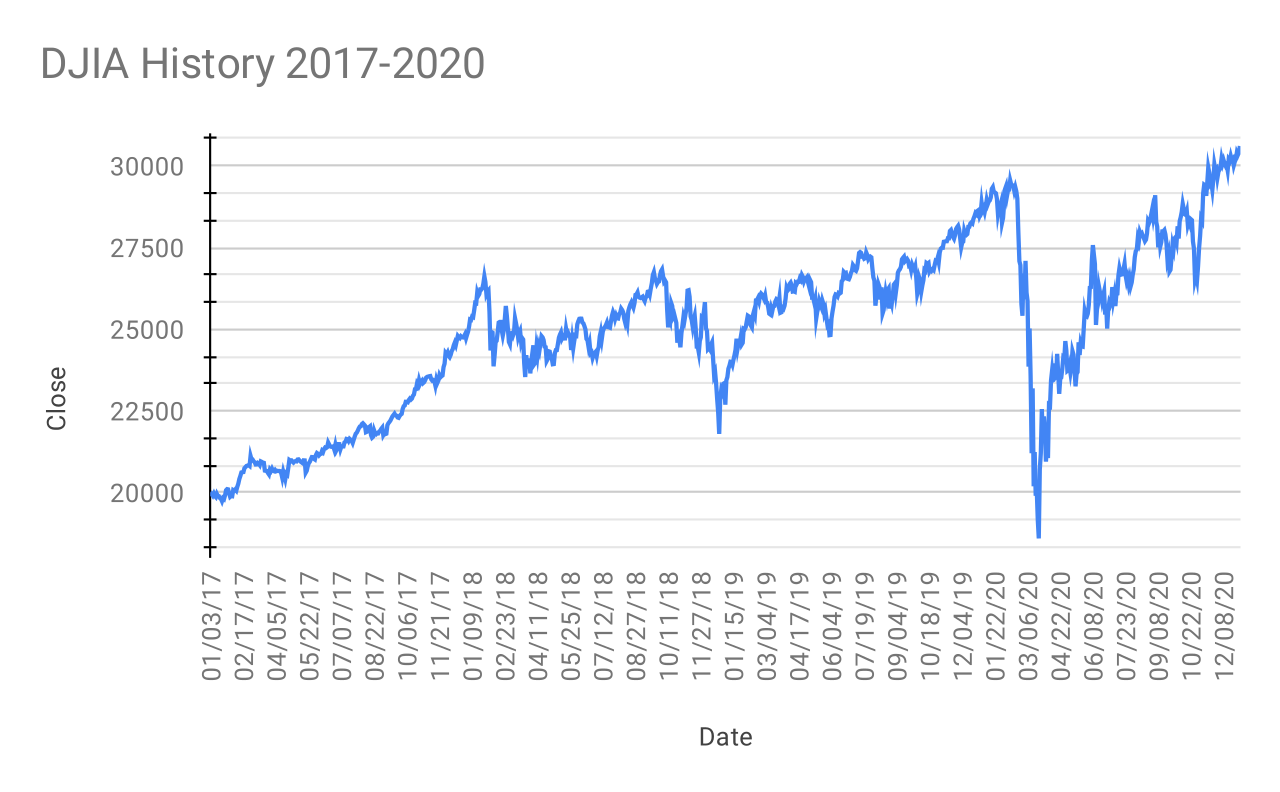
To afford providing this downside protection, insurers place a ceiling on the gains. Indexed life insurance policies cap the maximum interest rate credited to the cash value during market upturns. (For example, if the S&P 500 gains 15%, but the policy has an 8% cap, the cash value only grows by 8%).
Because the insurer ultimately absorbs the market risk and guarantees the principal, indexed life insurance is classified as a fixed life insurance product. Therefore, selling indexed life insurance does not require a federal securities license, only a standard state life insurance license.
Now we cross a vital regulatory and conceptual threshold. Up to this point, every policy we have discussed holds the client's money in the insurer's general account. The insurer takes the investment risk, and the client's principal is guaranteed.
Variable Life flips this equation.
Variable life cash values are held in a separate account rather than the insurer's general account. These variable life separate accounts are invested in market securities like stocks and bonds, operating very much like mutual funds.

Because the cash value is directly exposed to the market, the policyowner of a variable life policy assumes all investment risk for the separate account. Consequently, variable life policies do not guarantee a minimum cash value. If the stock market crashes, the cash value crashes with it.
Despite this risk to the cash value, variable life insurance policies require fixed, level premiums and, importantly, variable life policies guarantee a minimum death benefit. The client knows the absolute minimum their beneficiary will receive, but if the separate account performs exceptionally well, variable life death benefits can increase above the guaranteed minimum due to investment gains.
The Dual Regulation Threshold: Because the policyowner is bearing direct market risk, Variable Life is considered a security. Variable life insurance is regulated by the Securities and Exchange Commission (SEC) on a federal level, in addition to state insurance departments. To legally sell this product, a producer must be dually licensed: selling variable life insurance requires a state life insurance license AND requires a federal securities license (typically a FINRA Series 6 or Series 7).
If we take the premium flexibility of Universal Life and marry it to the investment control of Variable Life, we arrive at the most complex permanent life insurance product on the market.
Variable universal life insurance combines the flexible premiums of universal life with the separate account investments of variable life.
Like a standard universal policy, variable universal life insurance allows the policyowner to adjust the death benefit and skip premiums (so long as the cash value covers deductions). Like a variable policy, the client directs their cash value into separate account mutual-fund-style subaccounts.
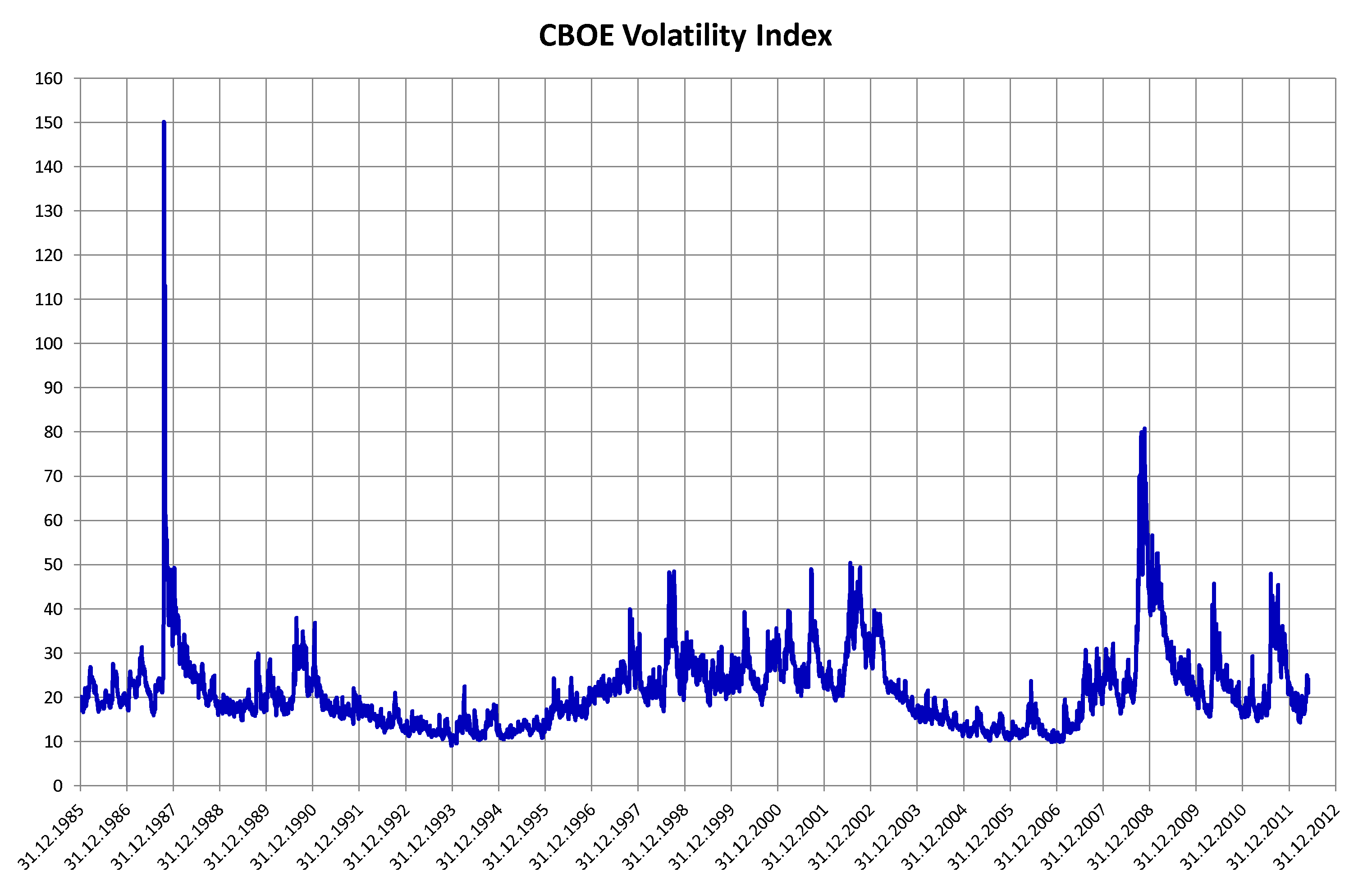
This product offers the absolute maximum level of control for the policyowner, but it also strips away almost all safety nets. Because both the premiums are flexible and the cash value is exposed to market volatility, variable universal life policies do not guarantee a minimum cash value and variable universal life policies do not guarantee a minimum death benefit. If the market tanks and the policyowner stops paying premiums, the policy will swiftly lapse.
Summary: Who Bears the Risk?
As a prospective producer, you can easily master these products by asking two questions: Who decides the premium? and Who takes the investment risk?
| Policy Type | Premium Structure | Who Takes Investment Risk? | License Required | Cash Value Guarantees? |
|---|---|---|---|---|
| Traditional Whole Life | Fixed | Insurer | Life Only | Yes (Guaranteed schedule) |
| Adjustable Life | Adjustable | Insurer | Life Only | Yes (Guaranteed schedule) |
| Universal Life | Flexible | Insurer | Life Only | Yes (Minimum guaranteed rate) |
| Interest-Sensitive WL | Fixed | Insurer | Life Only | Yes (Principal guaranteed) |
| Indexed Life | Flexible (usually) | Insurer | Life Only | Yes (Principal guaranteed / Floor) |
| Variable Life | Fixed | Policyowner | Life + Securities | No (Can lose principal) |
| Variable Universal Life | Flexible | Policyowner | Life + Securities | No (Can lose principal) |
Mastering the mechanics of interest, market sensitivity, and adjustability equips you to solve highly specific financial problems. You are no longer just selling a death benefit; you are providing a dynamic financial instrument that can pivot as swiftly as your client's life demands.