When an individual rents an apartment, they pay for the fundamental right of shelter over a strictly defined period. They do not build equity, they do not acquire ownership of the underlying land, and when the lease expires, they walk away with nothing but the memory of a roof over their head. In the landscape of financial protection, term life insurance operates on this exact same principle. It provides temporary protection for a specified period of time, offering maximum leverage of premium dollars to create an immediate, substantial safety net.
The financial mechanics of term life insurance mirror those of renting an apartment: the policyowner pays for temporary utility over a defined period without accumulating underlying equity or cash value.
Because of this structure, term life insurance is often referred to as pure life insurance. In the exact way an apartment offers pure shelter, pure life insurance means the policy provides a death benefit without accumulating cash value. As an aspiring insurance producer, understanding the mechanics of pure protection is your foundation. Your clients will often need massive amounts of coverage to protect young families, cover new mortgages, or secure business loans. Term insurance allows them to transfer this catastrophic risk to an insurer efficiently and affordably.
Term life insurance operates on a binary trigger: it pays a death benefit only if the insured dies during the active policy term. If the insured outlives the policy term, the coverage expires, and the insurance company pays nothing.
Because the insurer's risk is limited to a finite window of time, term policies are generally the least expensive type of life insurance for a given death benefit amount. When a client applies for a policy, the initial premium for a term life insurance policy is based on the insured's age and health at the time of issue. The younger and healthier the client, the lower the probability of mortality during the term, and the cheaper the premium.
However, not all term insurance is built identically. To serve different client needs, the insurance industry has designed three primary variations of term life based on how the death benefit behaves over time.
1. Level Term Insurance
When clients think of term insurance, they are almost universally picturing level term insurance.
In this design, level term insurance provides a death benefit that remains constant throughout the specified term period (e.g., 10, 20, or 30 years). Just as predictably, the premium for a level term policy remains the same for the entire specified term period.
Why it matters: If a client buys a 20-year, $500,000 level term policy, their beneficiary will receive exactly $500,000 whether the insured dies in year 1 or year 19. The premium they pay in year 19 is exactly the same as the premium they paid in year 1.
Because it offers supreme predictability for family planning and income replacement, level term is the most common type of temporary life insurance purchased.
2. Decreasing Term Insurance
What if a client's financial liability is actively shrinking over time? Decreasing term insurance features a death benefit that gradually reduces over the life of the policy.
Crucially, while the death benefit drops, the premium for a decreasing term policy remains level throughout the term of the policy. The insurance company averages the total risk over the lifespan of the contract to give the client a flat, predictable bill. By design, the death benefit of a decreasing term policy reaches zero at the end of the policy term.
Real-World Application: Decreasing term insurance is commonly used to cover a specific amortizing debt. If a client takes out a 30-year mortgage, their principal balance declines every month. If they die in year 25, their family doesn't need a $500,000 death benefit; they only need enough to pay off the remaining $80,000 of the loan. Because of this exact alignment, mortgage protection life insurance is a common application of decreasing term insurance.
3. Annually Renewable Term (ART)
Sometimes, a client needs absolute short-term coverage, perhaps bridging a gap between jobs or covering a short-term business liability. Annually renewable term insurance is issued for a one-year period.
The death benefit in an annually renewable term policy remains level for the one-year duration of the coverage. However, what makes ART unique is its renewal mechanic: the policyowner is guaranteed the right to renew an annually renewable term policy each year without proof of insurability.
The catch? The premium for an annually renewable term policy increases each year upon renewal. The annual premium increase for an annually renewable term policy is based on the insured's attained age—their exact age at the time of that specific renewal. While ART starts out as the cheapest possible coverage for a young person, the compounding annual price increases eventually make it cost-prohibitive.
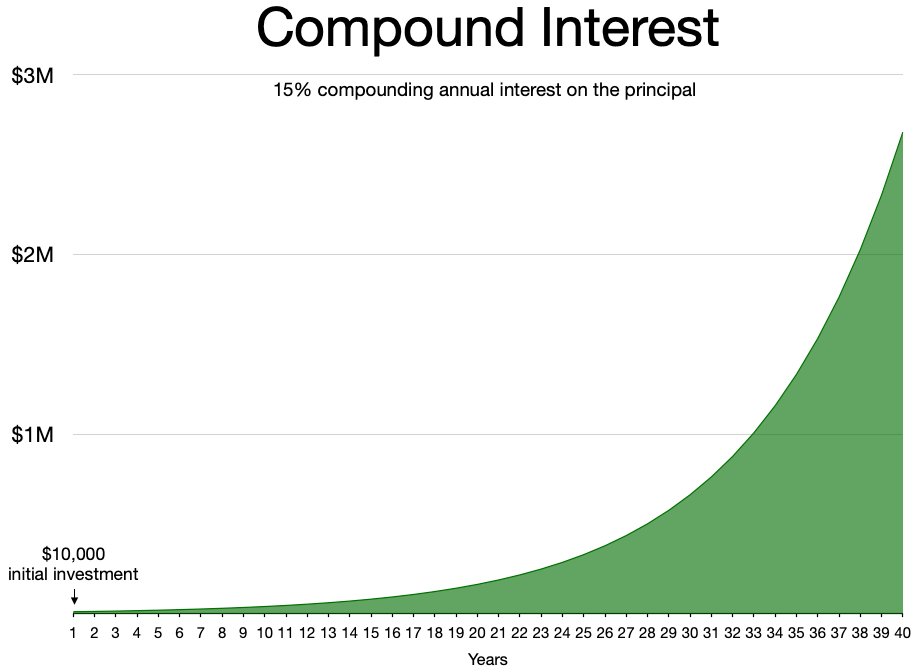
Just as investment returns compound exponentially over time, the age-based premiums of an Annually Renewable Term (ART) policy compound upward. This exponential curve illustrates why ART eventually becomes cost-prohibitive in later years.
Summary Comparison
Feature
Level Term
Decreasing Term
Annually Renewable (ART)
Death Benefit
Remains constant
Gradually decreases to zero
Remains constant for 1 year
Premium
Remains level
Remains level
Increases annually
Best Used For
Income replacement
Amortizing debt (mortgages)
Short-term needs
Standard term insurance requires clients to accept that they will likely outlive their policy and see no financial return on their premiums. For some clients, this feels like "wasting money." To solve this psychological friction, the industry offers Return of Premium (ROP) term insurance.
A return of premium term policy refunds all premiums paid if the insured outlives the policy term. If a client pays $1,000 a year for 20 years and is still alive on the final day of the term, the insurer hands them a check for $20,000.
Because this removes the "use it or lose it" nature of term insurance, ROP policies require significantly higher premiums than standard level term policies. The insurer must charge more so they can invest the difference to ultimately fund that end-of-term refund.
Taxation on this refund is highly favorable. The premium refund from a return of premium term policy is exempt from income tax. This is because the IRS considers the premium refund from a return of premium policy to be a return of the policyowner's previously taxed money (their cost basis).
What happens if the insured dies?
If the worst happens, a return of premium policy pays the standard death benefit to the beneficiary if the insured dies during the term. However—and this is a critical exam concept—a return of premium term policy does not refund premiums to the beneficiary if the insured dies during the policy term. The beneficiary receives the death benefit, but the extra premium the client paid for the ROP feature stays with the insurer.
Life is unpredictable. A client might buy a 10-year term policy fully expecting they won't need coverage in year 11, only to develop a chronic illness in year 9. If their policy simply expired, they would be uninsurable. To protect clients against changing health, modern term policies include two vital provisions.
The Renewability Feature
The renewability feature allows the policyowner to extend a term policy at the end of the term without evidence of insurability.
Evidence of Insurability: This is the proof an insurer requires to verify a client's health status. Evidence of insurability typically includes medical examinations and health questionnaires.
By bypassing this requirement, a client who has suffered a heart attack or a cancer diagnosis can force the insurance company to keep covering them.
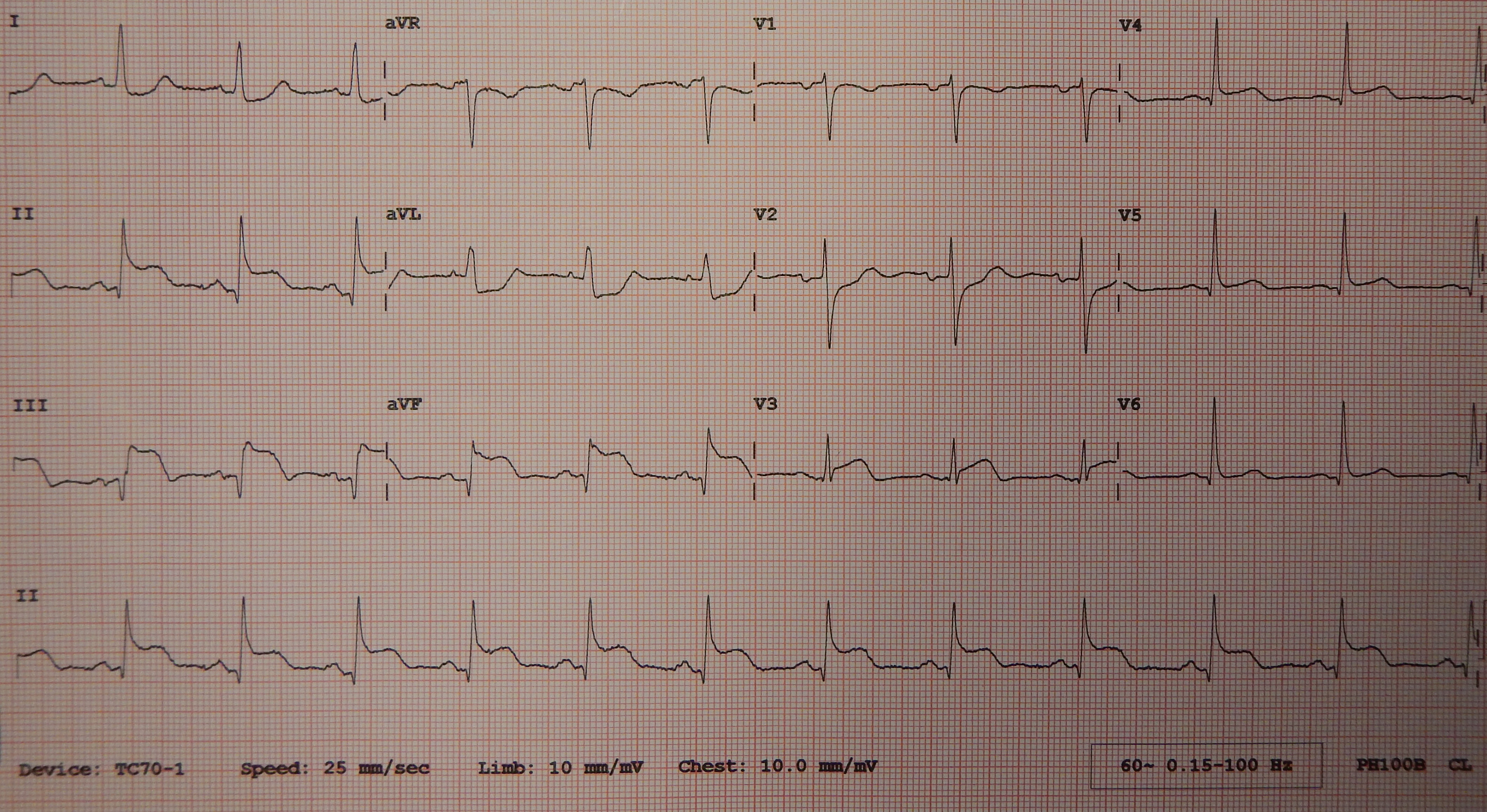
Diagnostic tests, such as an electrocardiogram (ECG) demonstrating a myocardial infarction, represent the kind of medical evidence that would render a client uninsurable in a new underwriting process. Guaranteed renewability allows policyowners to bypass this hurdle.
Naturally, the insurance company adjusts the price for the new time horizon. The premium for a renewed term policy is based on the insured's attained age at the time of renewal. Attained age refers to the insured's current age at a specific point in time (not their age when they first bought the policy years ago). Furthermore, to limit their exposure to the extreme mortality risk of the elderly, most term insurance policies include a maximum age limit for renewing coverage (often age 75 or 80).
The Convertibility Feature
While renewability extends temporary coverage, convertibility allows a permanent upgrade. The convertibility feature allows the policyowner to exchange a term policy for a permanent life insurance policy (like Whole Life).
Just like renewability, a term policy conversion does not require evidence of insurability. This is one of the most powerful tools in an insurance producer's arsenal. You can secure vast amounts of cheap term coverage for a young, healthy client on a budget, knowing they have the guaranteed right to convert it to a permanent, cash-value-building policy later when their income grows.
There are strict rules governing how this conversion takes place:
Time Limits: A term policy conversion must occur within a specific time limit outlined in the insurance contract (e.g., within the first 10 years of a 20-year policy, or before age 65).
Attained Age Pricing: Most commonly, the premium for a converted permanent policy is typically based on the insured's attained age at the time of conversion. Because permanent insurance is inherently more expensive than pure protection, and because the client is older, the premium for a converted permanent policy will be higher than the premium of the original term policy.
Original Issue Age Pricing (The Alternative): Some term policies allow conversion to a permanent policy based on the insured's original issue age (their age when they first bought the term policy).
Why would a client do an original issue age conversion? It permanently locks in a lower premium rate for the rest of their life based on their younger age. However, the insurance company isn't running a charity. To equalize the math, a conversion based on original issue age requires the policyowner to pay a lump sum of retroactive premium differences (the difference between what they paid for term and what they would have paid for permanent coverage over those years). Furthermore, a conversion based on original issue age requires the policyowner to pay interest on those retroactive premium differences.
Understanding these moving parts transforms term insurance from a simple commodity into a highly strategic financial tool. When you master pure protection, you don't just sell death benefits; you sell time, flexibility, and guaranteed future options.